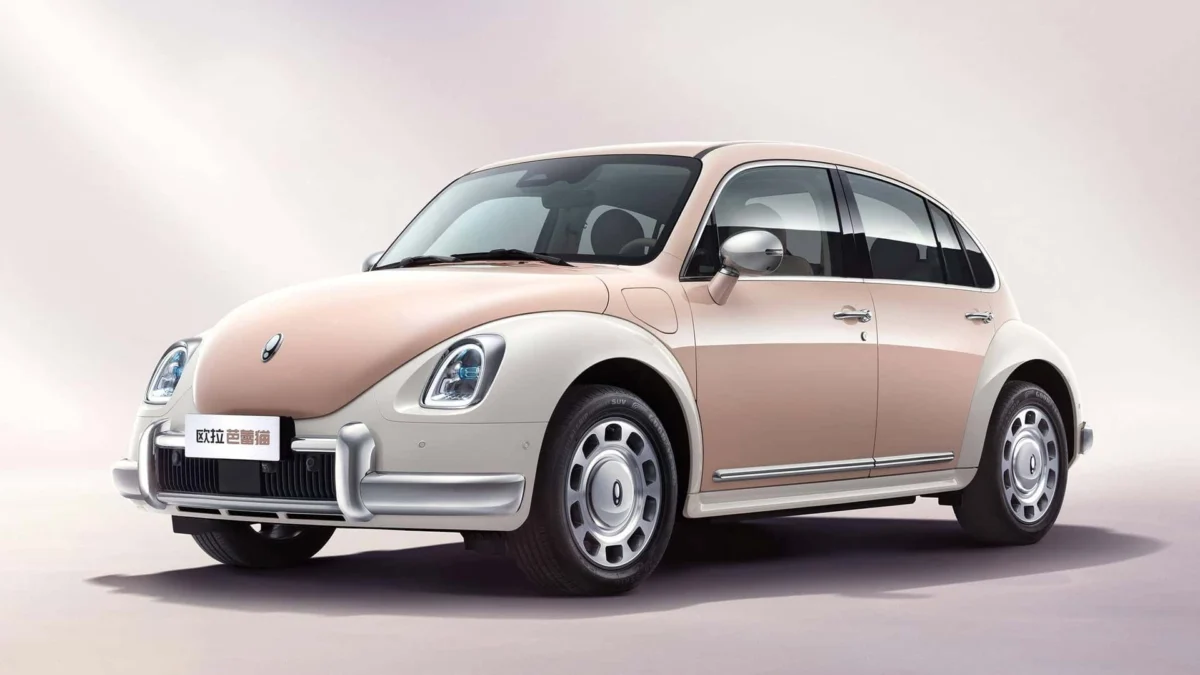
For automotive enthusiasts in the United States, the Volkswagen Beetle remains a cultural touchstone—a symbol of mid-century minimalism that defined an era. However, since the final "Final Edition" rolled off the assembly line in 2019, the iconic silhouette has been absent from the American market. While Volkswagen has pivoted toward a modular, future-facing electric strategy, a niche manufacturer in China has stepped into the void with a proposition that is both nostalgic and thoroughly modern: the Ora Ballet Cat.
As the industry shifts toward electrification, the Ballet Cat has emerged as a fascinating case study in retro-futurism. Recently, the model received a technical overhaul for the 2026 model year, signaling that while the car may look like a relic of the 1950s, its performance is firmly rooted in the current decade.
The Genesis of the Ballet Cat: Bridging Eras
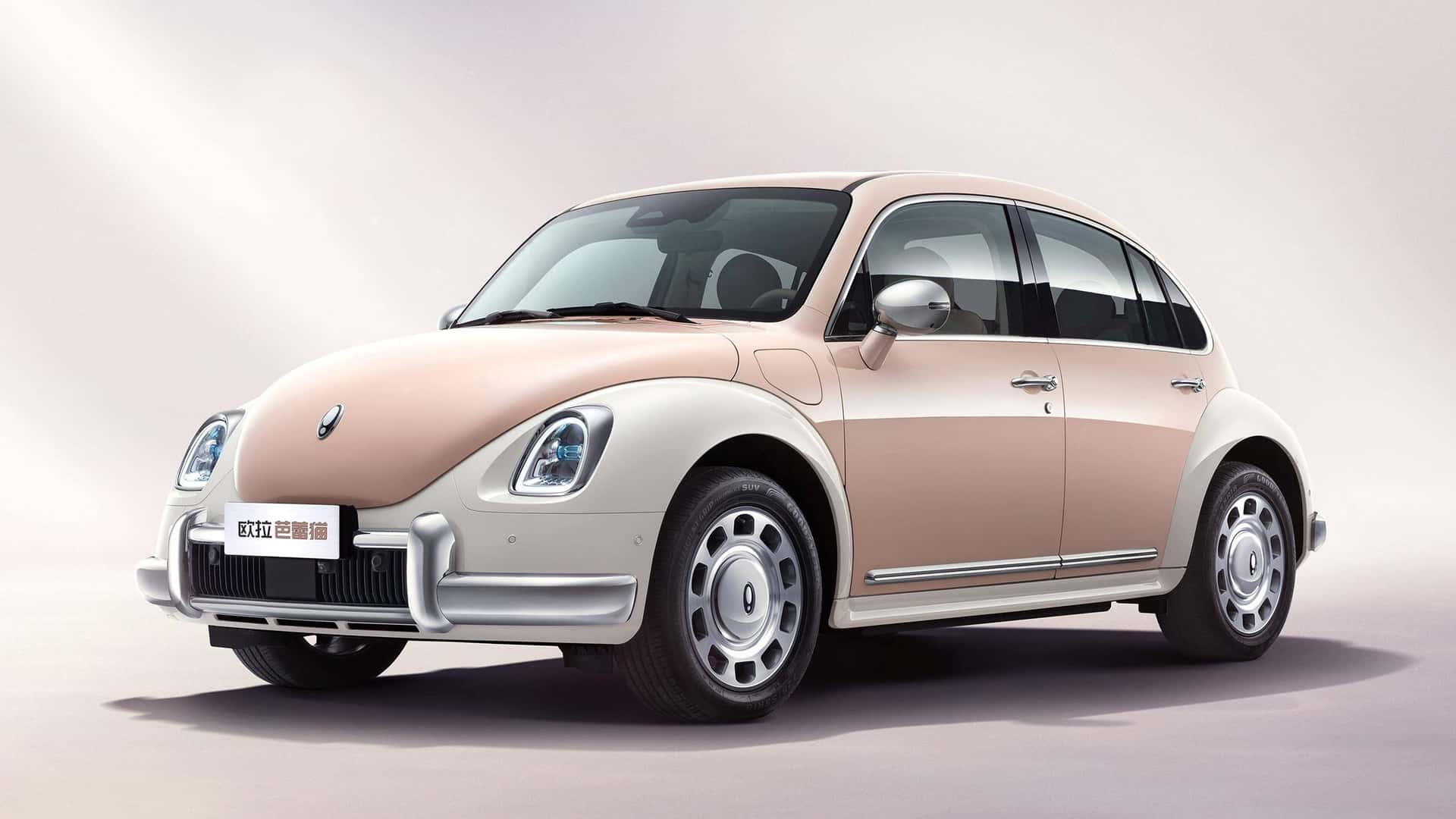
The Ora Ballet Cat, manufactured by Great Wall Motor (GWM) under its dedicated electric sub-brand, Ora, first captured global headlines upon its debut in 2022. Its design language is unapologetically derivative of the classic Type 1 Beetle, featuring the signature rounded fenders, sweeping roofline, and chrome-heavy accents that defined the original air-cooled legend.
However, the Ballet Cat is not merely a cosmetic clone. It represents a "modern interpretation," utilizing a bespoke electric vehicle architecture that offers a more ergonomic, svelter profile than its ancestor. Despite its high visibility in automotive media, the Ballet Cat remains a specialized product. With annual sales reaching only a few thousand units, it occupies a distinct corner of the Chinese market, appealing to a demographic that values aesthetic differentiation over the ubiquity of mass-market SUVs.
2026 Updates: Beneath the Hood
For the 2026 model year, GWM has opted to move beyond purely stylistic iterations, focusing instead on a significant powertrain upgrade to keep the model competitive in an increasingly crowded Chinese EV landscape.
According to data recently published by China’s Ministry of Industry and Information Technology (MIIT), the most consequential change is the replacement of the previous electric motor. The original setup, which produced a modest 169 horsepower, has been superseded by a more robust unit capable of delivering 201 horsepower. This 32-horsepower increase is not merely a marketing metric; it fundamentally alters the vehicle’s dynamic capabilities.
Technical Performance Metrics
- Power Output: Increased from 169 hp to 201 hp.
- Velocity: The top speed has been elevated from 96 mph to 112 mph, making it significantly more capable of handling highway speeds.
- Energy Storage: The vehicle now utilizes a high-density lithium-iron phosphate (LFP) battery pack, chosen for its longevity and thermal stability.
This boost in performance addresses one of the primary critiques leveled at early iterations of the vehicle: that it was a "city-only" car with limited highway prowess. By pushing the speed ceiling to 112 mph, the manufacturer has repositioned the Ballet Cat as a more versatile daily driver.
Features and the "Targeted" UX
What makes the Ora Ballet Cat truly unique in the global automotive market is its unabashed commitment to a specific user experience. While many manufacturers are chasing the "tech-bro" aesthetic of minimalist interiors and massive touchscreens, Ora has leaned into features that are highly gender-targeted, a strategy that has sparked both fascination and debate.
Notable Interior Innovations
- The "Makeup" Suite: The cabin includes an oversized, illuminated vanity mirror designed specifically to facilitate cosmetic routines while the vehicle is parked.
- Social Connectivity: Integrated selfie cameras allow occupants to capture and upload content directly to social media platforms without the need for a secondary device.
- Warm Man Mode: Perhaps the most uniquely named feature, this function allows the driver to adjust the climate control settings—specifically targeting cabin heat—with a single button press, intended to provide comfort during menstruation or cold weather.
These features illustrate a departure from traditional "performance-first" engineering. Instead, the Ballet Cat treats the cabin as a personal sanctuary, acknowledging that for many urban commuters, the car is an extension of their living space and social life.
The Paradox of the "Knockoff"
The design of the Ballet Cat has not been without controversy. Its resemblance to the Volkswagen Beetle has long been a point of contention in legal and design circles. Volkswagen itself has previously expressed concern regarding the similarities between the Ora model and its own design IP.
However, the "knockoff" label often ignores the engineering reality. The Ballet Cat is built on an advanced, proprietary EV platform that shares nothing with the legacy internal combustion architecture of the original Beetle. From a regulatory standpoint in China, the vehicle has successfully navigated local certification, allowing it to maintain its market position despite the skepticism of international purists.
Market Implications: Why It Stays in China
One of the most frequent questions from Western observers is: "Will it ever come to the US?"
Currently, the answer remains a firm "no." The reasons are multifaceted. Beyond the obvious legal hurdles regarding trade dress and intellectual property, the US market has shifted toward larger crossovers and trucks. A small, retro-styled hatchback—no matter how charming—faces significant headwinds in an American market dominated by the Tesla Model Y and the Ford F-150 Lightning.
Furthermore, the pricing strategy—which starts at approximately ¥193,000 ($28,000 USD)—is calibrated for the Chinese market. Importing the vehicle to the United States would necessitate significant modifications to meet stringent Federal Motor Vehicle Safety Standards (FMVSS), which would likely balloon the cost and strip away the very features that make the car "quirky" and affordable.
The Future of the Beetle Spirit
While the Ora Ballet Cat provides a nostalgic fix for those missing the Beetle, it also highlights a broader industry trend: the "Retro-Electric" wave. From the Hyundai Ioniq 5 (channeling 80s aesthetics) to the Renault 5 E-Tech, manufacturers are realizing that the electric transition is the perfect time to resurrect beloved designs.
Volkswagen, for its part, has remained tight-lipped about a direct, electrified successor to the Beetle. While the company has explored the ID. Buzz—a modern homage to the classic Microbus—the return of the Beetle remains a "what if" scenario. Volkswagen executives have previously hinted that any future Beetle would need to be a "compelling" EV, rather than just a re-skin of a current platform.
Conclusion: The Motor1 Take
The Ora Ballet Cat serves as a testament to the power of design in the age of electrification. While it may be viewed by some as a pastiche of German engineering, it has successfully carved out a niche by offering a personality-driven experience in an increasingly sterile automotive world. The 2026 performance upgrades suggest that Ora is committed to the model’s longevity, ensuring that it remains a viable, albeit eccentric, player in the Chinese EV market.
Whether or not one approves of the design borrowing, there is no denying the appeal of a car that refuses to be boring. In a world of carbon-copy crossovers, the Ballet Cat stands out—not because it is the fastest or the most advanced, but because it reminds us that cars can, and perhaps should, be fun. For now, the Ballet Cat remains an exclusive treat for the Chinese market, a charming, high-tech curiosity that keeps the spirit of the "people’s car" alive, even if it isn’t the one we expected.