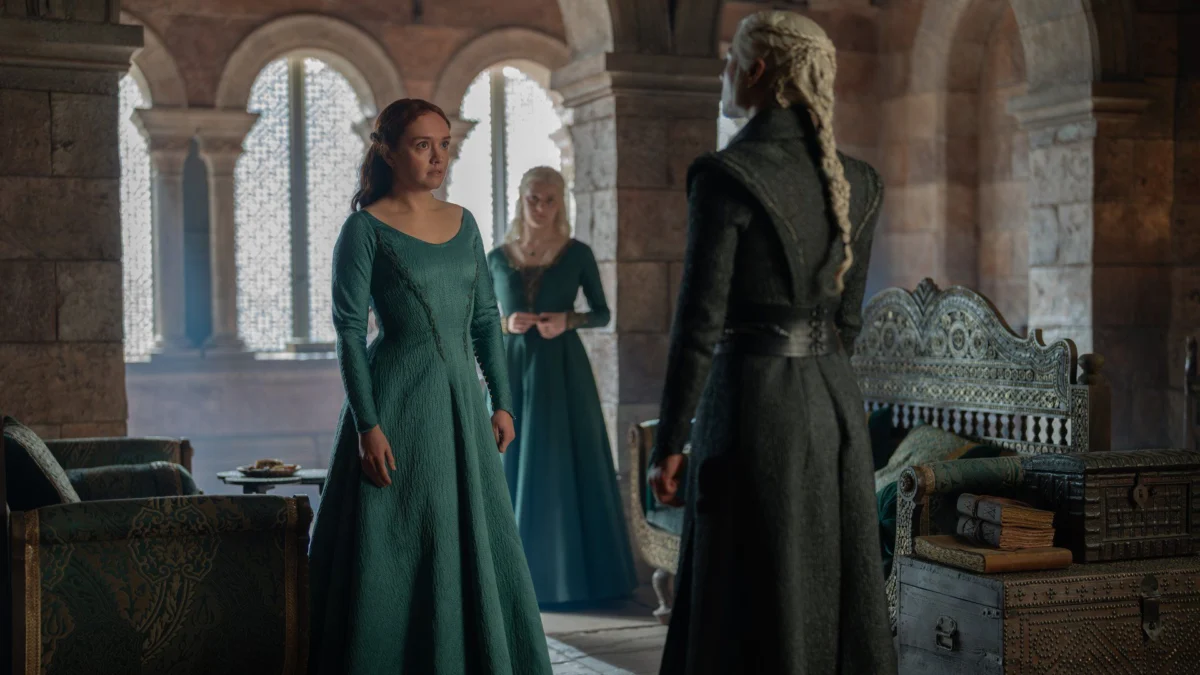
The political landscape of Westeros has been irrevocably altered. As House of the Dragon moves deep into its third season, the fragile detente between Queen Alicent Hightower and Queen Rhaenyra Targaryen has dissolved into a crucible of grief, betrayal, and absolute power struggle. Following the chaotic events of the season’s opening arc, the narrative has shifted from mere political maneuvering to a deeply personal, visceral war that threatens to consume the Seven Kingdoms.
The State of the Realm: Main Facts and Context
The current conflict centers on the failed reconciliation attempt between the former childhood best friends. At the conclusion of season 2, Alicent Hightower (Olivia Cooke) sought to navigate a path to peace, offering Rhaenyra Targaryen (Emma D’Arcy) control of King’s Landing in exchange for the safety of her children. However, the plan suffered a catastrophic collapse when King Aegon II (Tom Glynn-Carney) fled the capital, rendering the bargain null and void.
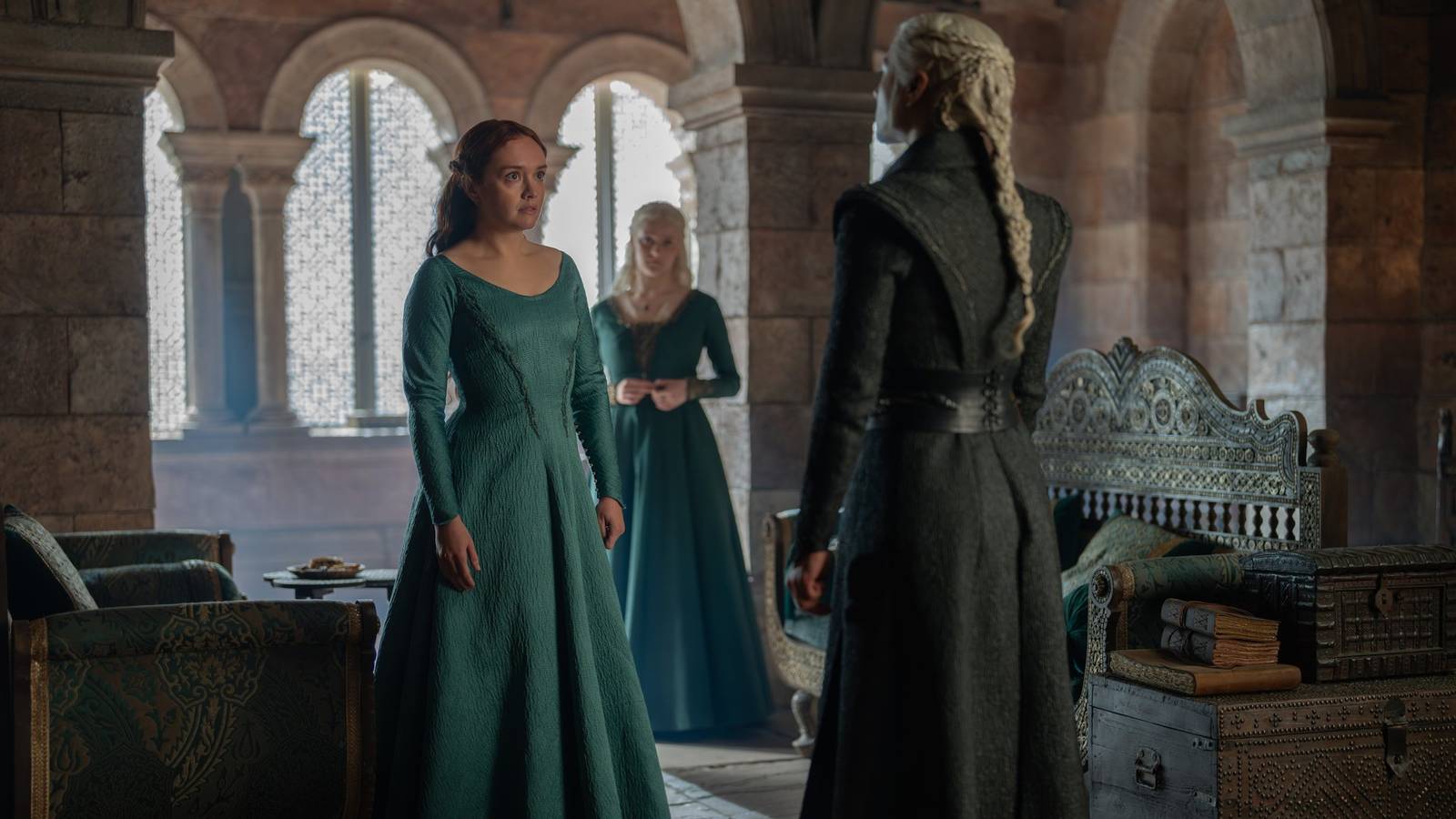
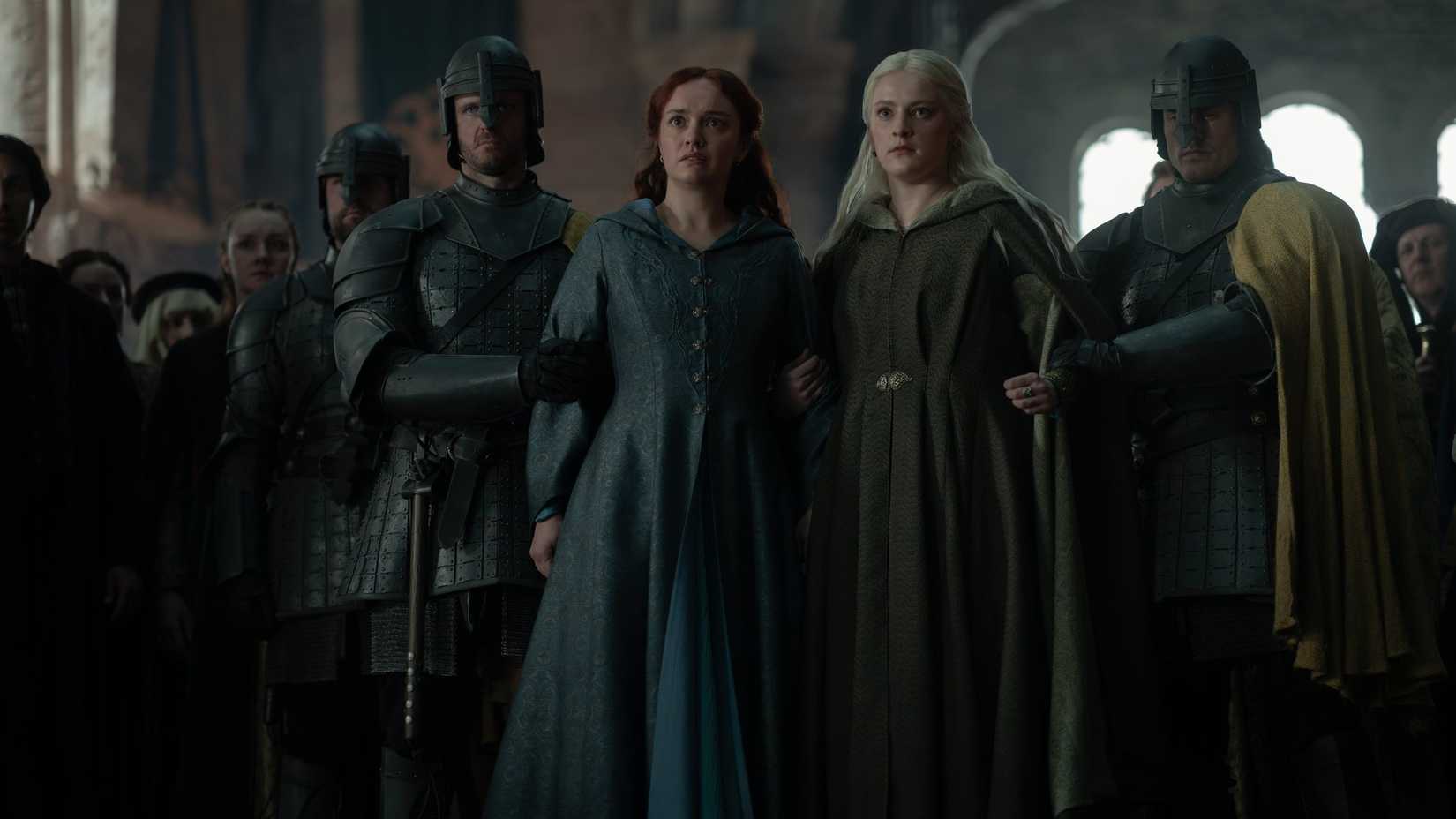
Now, as of the third episode of season 3, the power dynamic has shifted violently. Alicent finds herself effectively a prisoner within the Red Keep, stripped of her agency and forced to confront the harsh reality of Rhaenyra’s ascension. The city itself is suffering; the administrative burdens of ruling are mounting, with Rhaenyra struggling to manage food shortages, a rampant rat infestation, and the crushing weight of a kingdom teetering on the edge of starvation and civil war.
A Chronology of Collapse
The timeline of this descent is marked by pivotal, irreversible moments:
- The Failed Escape: The initial breach of the pact occurs when Aegon II escapes the city, leaving Alicent and her daughter, Helaena, trapped behind enemy lines. This breach effectively turns the proposed peaceful transition into a hostile occupation.
- The Battle of the Gullet: The war’s momentum was irrevocably changed during the Battle of the Gullet. The loss of Jacaerys Velaryon (Jace) has left a void in Rhaenyra’s life, transforming her leadership style from one of calculated restraint to one driven by the cold, desperate need for a legacy.
- The Execution of Otto Hightower: Perhaps the most significant turning point for the psychological arc of the characters was the death of Otto Hightower. His decapitation, confirmed to Alicent at the end of episode 2, acted as a catalyst for the "white-hot anger" that now defines Alicent’s current stance.
- The Siege of the Red Keep: As episode 3 begins, the tension reaches a boiling point. Alicent, once the architect of the Hightower influence, is now a spectator to her own decline, grappling with the uncertainty of whether the promise of safety for her family remains in place or if she has been merely a pawn in a larger, more ruthless game.
The Burden of Leadership: Supporting Perspectives
The emotional resonance of these events is underscored by the actors themselves, who have highlighted the profound changes in their characters’ motivations. In a recent interview, Emma D’Arcy reflected on Rhaenyra’s transformation following the death of her son. "Her journey to the throne comes so in the shadow of her son’s death that I feel like she’s sort of acting on his behalf," D’Arcy explained. "This is a political family whose personal relationships are so fundamentally enmeshed with this political ambition. If Rhaenyra’s name enters the history books, her son gains a kind of immortality."
Conversely, Olivia Cooke describes Alicent’s arc as a move from cautious diplomacy to a state of total war. Reflecting on the "seesaw" of power, Cooke noted, "Both of them can’t have power at the same time. But I think when Rhaenyra sneezes, Alicent catches a cold. No matter where they are, they can’t help but feel the ripple effects of each other’s actions."

The death of Otto Hightower has served as the final breaking point. For Alicent, his death is not just a loss of a patriarch, but a signal that the "bargain" she struck is a hollow one. "She doesn’t know if the bargain she’s made with Rhaenyra has been fulfilled on her side either," Cooke said. "Has she just been another pawn in someone else’s game? I think she’s just like, OK, well fuck you. It’s on."
Official Responses and Thematic Implications
The production team behind House of the Dragon has consistently framed this season as a study in how personal history complicates political survival. The showrunners have leaned heavily into the idea that the "Blacks" and "Greens" are not merely factions, but families whose shared history makes the violence between them all the more tragic.
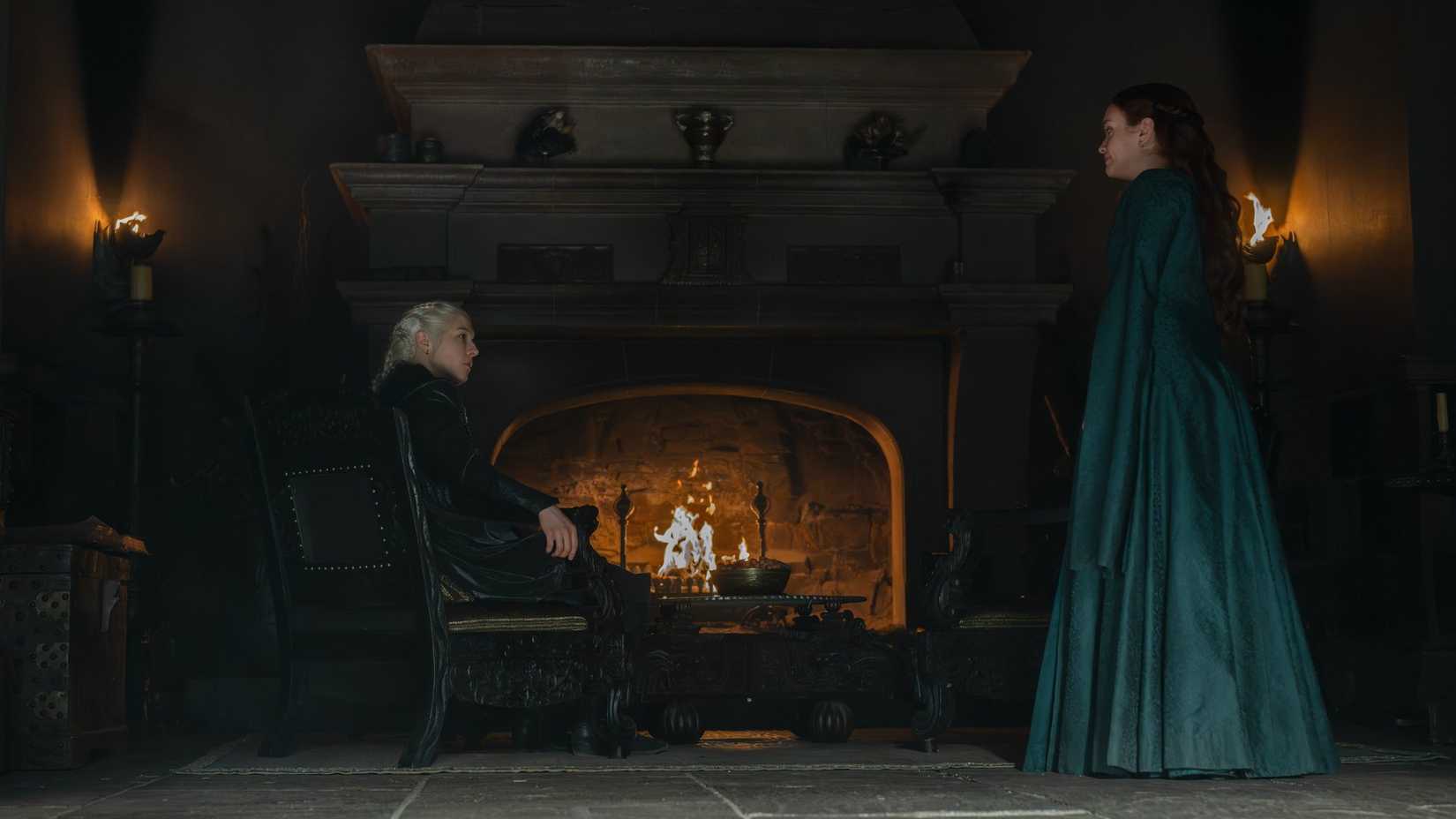
The thematic core of the current arc is the death of innocence. The once-close friendship between Alicent and Rhaenyra has been replaced by a mutual recognition of the other’s suffering, yet this recognition does nothing to mitigate the bloodshed. As Cooke poignantly stated, "There’s an element of her love for Rhaenyra that is preserved from when they were girls… but I think there’s too much water under the bridge and I think it is beyond saving. They can never go back to who they were. They can never have a simple relationship again."
Implications for the Future of Westeros
The implications for the remainder of the season are dire. With Rhaenyra now holding the Red Keep but struggling with the day-to-day realities of governance—manifesting in the supply chain issues and public unrest depicted in the latest episode—the stage is set for a breakdown of order.
If Rhaenyra cannot secure the loyalty of the smallfolk and manage the logistics of her own kingdom, the military victories won by her dragons may be moot. Meanwhile, Alicent’s transition from a queen-regent to a political prisoner creates a volatility within the heart of the Red Keep. Her proximity to power, even as a captive, makes her a dangerous wildcard.
Furthermore, the "Elizabethan" echoes of Rhaenyra’s rule suggest that the show is drawing parallels between the historical tensions of succession crises and the fictional power struggles of the Targaryens. As Rhaenyra’s frustration grows, the likelihood of further, more drastic political purges increases, suggesting that the "Dance of the Dragons" is far from reaching its final movement.
Conclusion: A Point of No Return
As the series progresses, the audience is witnessing the final dissolution of the bonds that once held the Targaryen dynasty together. The narrative choice to focus on the intimate, often claustrophobic interactions between these women provides a necessary grounding to the high-fantasy stakes of the show.
The tragedy of House of the Dragon is that even when the characters recognize the futility of their war, the inertia of their political positions forces them forward. Alicent and Rhaenyra are trapped by their own choices, their families’ legacies, and the crushing weight of a crown that demands everything in exchange for nothing. As the season continues, the question is no longer who will win the Iron Throne, but how much of themselves will be left by the time they reach it.
House of the Dragon season 3 continues to air Sundays at 9 p.m. ET on HBO, promising further escalation in the war for the Seven Kingdoms.