The BMW X5 has long served as the benchmark for the luxury SUV segment, balancing Bavarian driving dynamics with family-friendly utility. However, the unveiling of the 2027 model marks a definitive turning point for the nameplate. With a substantial increase in physical footprint and a complete overhaul of its design language both inside and out, the 2027 X5 is not merely a mid-cycle refresh; it is a bold, controversial, and undeniably premium statement from the brand.
As the official configurator goes live, prospective buyers are discovering that the path to a fully loaded X5 is one paved with significant financial commitment. With a starting MSRP of $73,450 for the entry-level xDrive40i, the ceiling for this SUV has moved into territory previously reserved for high-end luxury flagships.
Main Facts: The New Standard of Utility
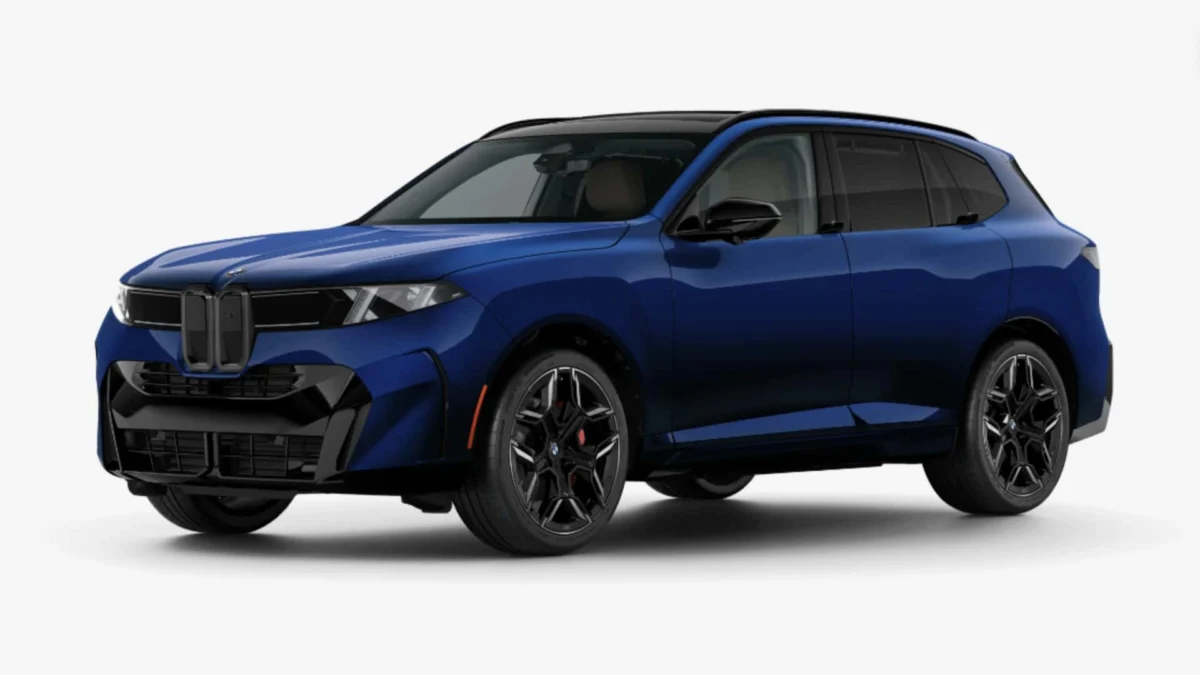
The 2027 BMW X5 arrives with a mandate to dominate the premium mid-size SUV market. Built on a refined modular architecture, the vehicle is noticeably larger than its predecessor, offering an imposing road presence that leans into BMW’s current design philosophy of enlarged kidney grilles and sharp, geometric surfacing.
At its core, the entry-level model—the X5 xDrive40i—is powered by a turbocharged 3.0-liter inline-six engine. This powerhouse is rated at 394 horsepower and 428 pound-feet of torque, ensuring that even the "base" model provides the spirited acceleration that BMW enthusiasts demand. Power is routed through an eight-speed automatic transmission to all four wheels, maintaining the brand’s hallmark traction and stability.
However, the real story for many will be the depth of the options list. Our deep dive into the configurator revealed that a well-equipped build can easily push the price toward the six-figure mark. By selecting premium aesthetics, performance enhancements, and cutting-edge technology, the final invoice for our test build reached $95,400, inclusive of the $1,350 destination charge.
Chronology of the X5 Evolution
To understand the significance of the 2027 model, one must look back at the lineage of the X5. Since its introduction in the late 1990s as the "Sport Activity Vehicle," the X5 has transitioned from a rugged, off-road-capable utility vehicle to a sophisticated, tech-heavy luxury cruiser.
- 1999–2006 (E53): The first generation changed the perception of SUVs by proving they could handle like a sports sedan.
- 2007–2013 (E70): This era introduced the second row of seating and refined the cabin materials, shifting the focus toward pure luxury.
- 2014–2018 (F15): BMW pivoted toward fuel efficiency and hybrid integration, setting the stage for electrification.
- 2019–2026 (G05): The outgoing generation brought massive leaps in digital connectivity and driver assistance.
- 2027 (G65): The current generation represents the shift toward a more aggressive, software-defined vehicle architecture, prioritizing high-end automation and bespoke interior experiences over pure utility.
Supporting Data: Breaking Down the Costs
For the discerning buyer, the base price of $73,450 is merely a jumping-off point. BMW’s strategy for the 2027 model involves modularizing features into high-value, high-cost packages. To reach the $95,400 price point, we explored the most expensive configurations available in the builder.
The Exterior Aesthetic
The "M Sport Professional" package is the primary driver of cost, acting as the foundation for a more aggressive exterior look. This package bundles Shadowline trim—which replaces traditional chrome with deep, gloss-black accents—with M Sport brakes and the sophisticated Adaptive M Suspension. To finalize the look, we opted for 23-inch wheels, an upgrade that not only changes the vehicle’s stance but significantly improves its grip and cornering composure at the expense of a firmer ride.
The Interior Experience
Inside, the 2027 X5 aims to rival the flagship 7 Series in terms of opulence. The "Luxury Package" is the gatekeeper for some of the most sought-after features, including the immersive passenger-side screen and automatic doors that operate with a sense of theatre.
Comfort is further elevated by the "Climate Package," which provides heated and ventilated seating, deep-tissue massage functions for front-seat occupants, and four-zone climate control. The acoustic experience is managed by the available Bowers and Wilkins high-fidelity sound system, which, when bundled with the Technology Package (including manual rear window shades), transforms the cabin into a private concert hall.
Safety and Automation
BMW has structured its safety offerings into two main tiers. The "Parking Assistance Package" is essential for a vehicle of this size, offering a 360-degree surround-view monitor that makes tight city parking manageable. The "Driving Assistance Professional Package" is the highlight for long-distance commuters, providing advanced, partially automated driver assistance.
Interestingly, these safety packages are relatively affordable compared to the luxury add-ons, yet they require careful consideration—specifically the trailer hitch, which necessitates a sacrifice of the convenient foot-kick hands-free tailgate functionality.
Official Responses and Market Positioning
While BMW has yet to release a detailed breakdown of the profit margins per unit, spokespeople for the brand have indicated that the 2027 X5 is designed to meet the growing consumer demand for "personalization and high-tech integration."
Industry analysts suggest that by pushing the price of a standard inline-six X5 toward $100,000, BMW is testing the upper limits of the luxury segment. This strategy effectively creates a "prestige gap" between the core X5 and the upcoming plug-in hybrid and fully electric variants, which are expected to command even higher premiums.
Implications for the Luxury SUV Market
The arrival of the 2027 BMW X5 signals a shift in the luxury SUV hierarchy. As vehicles become more complex and software-heavy, the barrier to entry for a "fully loaded" experience is rising.
The "Price Creep" Phenomenon
For the average consumer, the most notable implication is the "price creep." With $20,000 in options on an entry-level trim—and even more available through dealer-installed accessories and comprehensive maintenance plans—the X5 is effectively entering the pricing bracket of the Porsche Cayenne and the Audi Q7. Buyers must now decide whether they prefer the high-tech, performance-oriented nature of the X5 or if they might find better value in other segments.
The Shift Toward Subscription and Software
The integration of features like the passenger screen and advanced automation indicates that BMW is moving toward a model where the vehicle’s value is defined by its software. The 2027 X5 is designed to be a digital companion as much as a mechanical one. This shift may appeal to tech-forward buyers, but it also creates a vehicle that is more expensive to maintain and insure as it ages.
Conclusion: Is It Worth It?
The 2027 BMW X5 is undeniably a feat of engineering. It manages to balance the increased size and weight with the agility that defines the brand. However, it is also a vehicle that demands a high price for its best features.
For those who want the ultimate expression of the modern BMW SUV, the $95,000+ investment will likely be seen as a necessary cost for a premier driving experience. For others, the challenge will be to balance their desire for the latest tech with the realities of a rapidly inflating luxury market. As the plug-in hybrid and electric versions approach, the market will soon see if the public is ready to embrace this new, more expensive era of the X5.
Ultimately, the new X5 proves one thing: in the world of luxury SUVs, the ceiling is no longer the limit—it is simply the next target.