While the automotive landscape continues its rapid pivot toward electrification and engine downsizing, Mercedes-AMG is pulling a bold move to satisfy the purists. As confirmed earlier this week, the high-performance V8 powertrain—the soul of the AMG brand—will not be returning to the C63 sedan. However, in a strategic pivot that prioritizes exclusivity and performance heritage, Mercedes-Benz is channeling that eight-cylinder fury into a new, ultra-limited vehicle: the CLE-based Mythos coupe.
Following in the footsteps of the SL-based PureSpeed, this upcoming model marks the second entry into the company’s ultra-exclusive "Mythos" series. Designed for the brand’s most affluent collectors, the Mythos project represents a departure from mass-market engineering, focusing instead on bespoke craftsmanship and uncompromised mechanical performance.
A Private Symphony at the Nürburgring
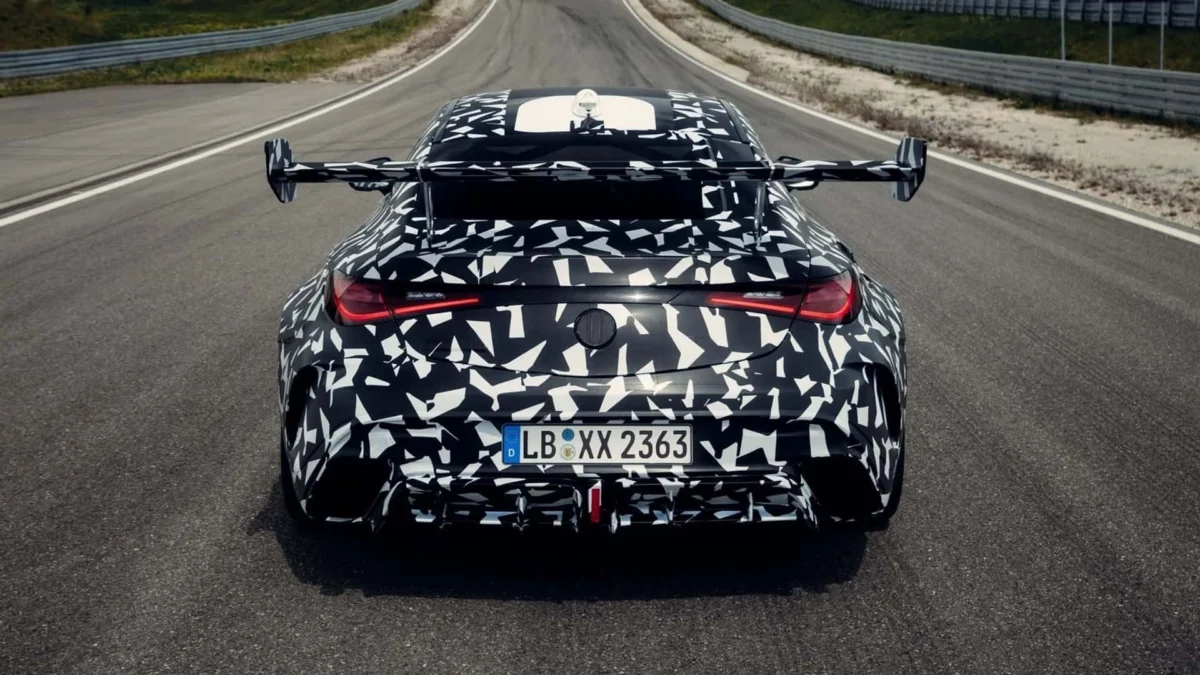
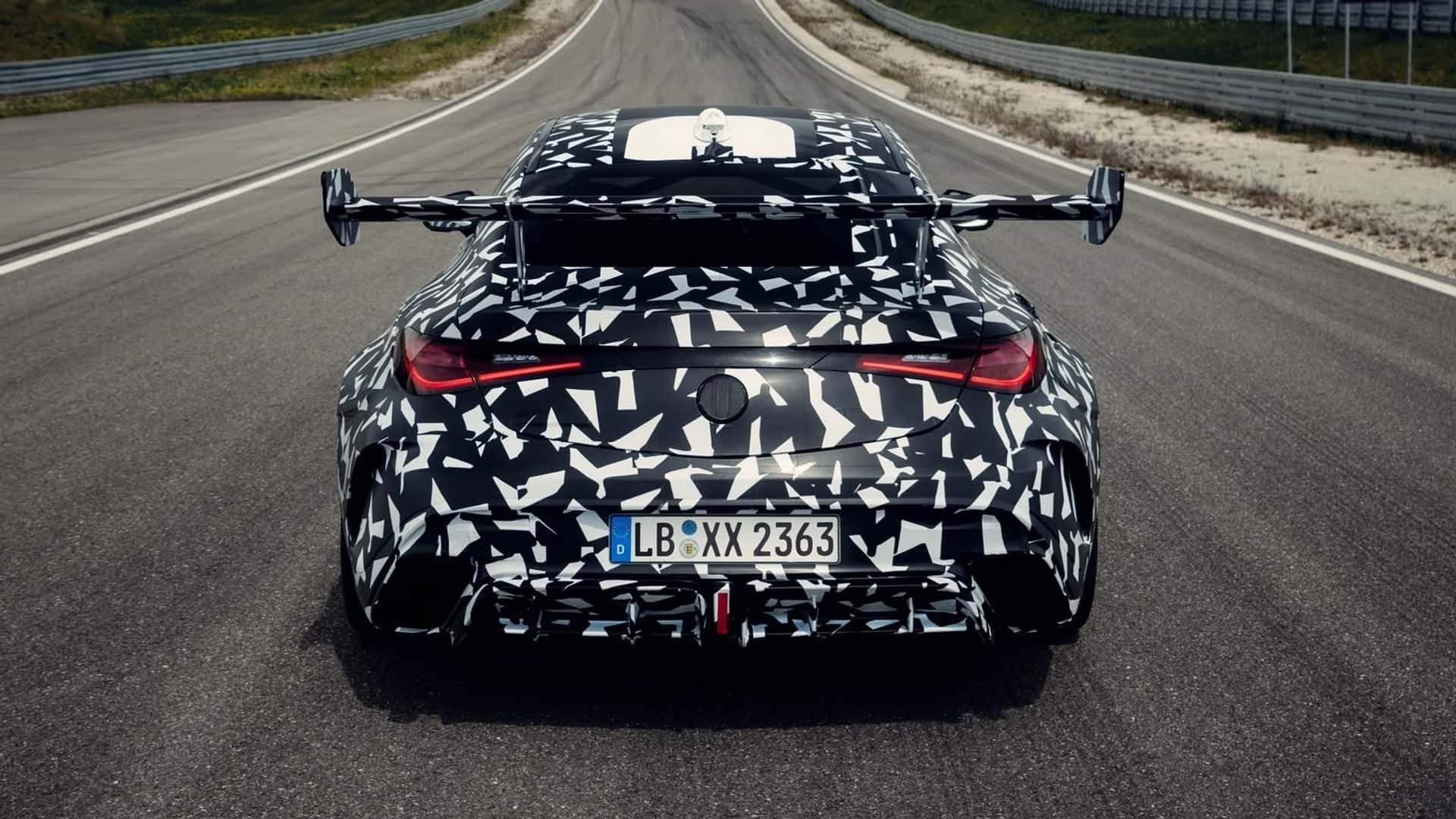
The anticipation surrounding this vehicle reached a fever pitch recently when automotive enthusiast and YouTuber Carspotter Jeroen captured footage of a heavily camouflaged prototype tearing through the Nürburgring Nordschleife. Unlike typical industry testing days, where manufacturers must share the track with a myriad of competitors and suppliers, Mercedes-AMG reportedly rented the entire circuit for a private, closed-door session.
This level of commitment to track testing—especially when performed in isolation—is a hallmark of the final stages of vehicle development. It suggests that engineers are fine-tuning suspension geometry, aerodynamic downforce, and thermal management systems under maximum load. While the internet is rife with speculation regarding a potential lap record attempt, sources close to the project suggest the priority is vehicle validation rather than chasing the throne.
That "throne" is currently occupied by the Mercedes-AMG One, which holds the production car record with a staggering time of 6 minutes and 29.09 seconds. Given that the Mythos CLE is a front-engine, road-going coupe, it is unlikely to challenge the hypercar’s F1-derived performance. Furthermore, Mercedes-AMG has little incentive to have its own internal product lines cannibalize the marketing glory of the AMG One.
Engineering the Beast: Aerodynamics and Powertrain
Visual evidence from the Nürburgring footage reveals a vehicle that has been radically transformed from the standard production CLE. The prototype displays an aggressive, wide-body stance, complemented by a substantial rear wing that screams intent. The design language suggests a heavy focus on "aero-trickery," with prominent cooling ducts and vents integrated into the bodywork to manage the thermal requirements of a high-output engine.
Under that vented hood sits the centerpiece of the project: the rumored flat-plane-crank V8. While official technical specifications remain under lock and key, industry insiders and sources familiar with internal briefings suggest the engine is tuned to produce upwards of 646 horsepower. This figure places the Mythos CLE firmly in the supercar category, offering a raw, visceral driving experience that its hybrid-four-cylinder siblings cannot replicate.
The inclusion of a large hood scoop is not merely for aesthetic aggression; it is a functional necessity to maintain intake temperatures and cool the high-revving internals of the V8. By opting for a flat-plane-crank configuration, AMG is signaling a shift toward a more high-strung, race-inspired sound and throttle response, distinguishing the Mythos model from the traditional cross-plane V8s of the past.
The Mythos Strategy: Exclusivity and Rarity
The Mythos series is defined by its extreme scarcity. According to dealers who attended a private product showcase in Sindelfingen, Germany, Mercedes-AMG is reportedly planning a production run of just 30 units globally. This move is designed to ensure that the vehicle remains an instant classic, appealing primarily to high-net-worth individuals and long-term collectors.
However, the industry is buzzing with rumors that this project may spawn a broader, more accessible sibling: the CLE 63 Black Series. While the Mythos model will likely serve as the ultimate, "money-is-no-object" statement, a Black Series variant could offer a higher production volume at a slightly lower price point. Such a model would likely serve as the swan song for the V8-powered C-segment platform, bridging the gap between the standard AMG lineup and the hyper-exclusive Mythos division.
Some eagle-eyed observers have noted that certain prototypes captured on public roads recently appeared less aggressive than the Nürburgring test car. This discrepancy supports the theory that AMG is testing both the base "Black Series" platform and the more extreme, limited-edition "Mythos" bodywork simultaneously.
Market Implications: Why the V8 Matters
The decision to limit the V8 to an ultra-exclusive run is a direct response to global emissions regulations. As the European Union and other international bodies enforce stricter carbon caps, the costs associated with developing, certifying, and manufacturing internal combustion engines continue to climb. For a mass-market vehicle like the standard C63, the business case for a V8 simply does not hold up against the backdrop of electrification targets.
However, by moving the V8 into a low-volume, high-margin Mythos project, Mercedes-AMG can bypass some of the volume-based emissions penalties while keeping the spirit of the brand alive. This strategy echoes what BMW did with the M4 CSL—stripping away excess weight, dialing up the power, and creating a "halo" car that defines the performance ceiling for the entire model range.
For the enthusiast community, the Mythos CLE is a beacon of hope. It signals that despite the industry’s shift, the engineering talent at AMG is still focused on the "honest" mechanical performance that made the brand a global icon. It also raises the question: could a similar approach be applied to the E63? While the E63 wagon currently lacks the V8, the success of the Mythos program could provide the blueprint for reintroducing the eight-cylinder engine into other segments of the Mercedes portfolio.
Looking Ahead: The Road to 2027
As we look toward the next several months, we expect a gradual trickle of official information from Stuttgart. The Mythos CLE is projected to make its world premiere in the near future, likely accompanied by a marketing campaign that emphasizes its heritage, craftsmanship, and exclusivity.
With production expected to commence in 2027, the rumor mill suggests that the entire 30-unit allocation for the Mythos model may already be spoken for, with priority given to existing AMG long-term clients.
For the average consumer, the entry of the Mythos model into the market will be a spectacle to behold—a reminder of the heights that automotive engineering can reach when liberated from the constraints of mass production. It will be a visceral, expensive, and loud departure from the digital, electrified future. Whether it will be the last of its kind remains to be seen, but for now, Mercedes-AMG is ensuring that the V8 goes out not with a whisper, but with a roar.
Summary of Key Developments
- The Mythos Series: A new, top-tier division for Mercedes-Benz, focused on limited-production, bespoke collector vehicles.
- Performance: Expected output of ~646 horsepower, derived from a new flat-plane-crank V8 engine.
- Availability: Only 30 units globally are expected for the flagship Mythos model, with deliveries slated for 2027.
- The Nürburgring Factor: Exclusive, private testing indicates that the vehicle is in its final validation phase, with a focus on high-speed stability and aerodynamic efficiency.
- Broader Implications: The project serves as a test case for how Mercedes-AMG might continue to offer internal combustion performance in an increasingly regulated, electrified market.
While the automotive world moves toward a future of silent torque and lithium-ion batteries, the CLE Mythos stands as a defiant monument to the internal combustion engine. It is more than just a car; it is a masterclass in how a legacy manufacturer can balance regulatory realities with the insatiable demand for high-performance engineering.