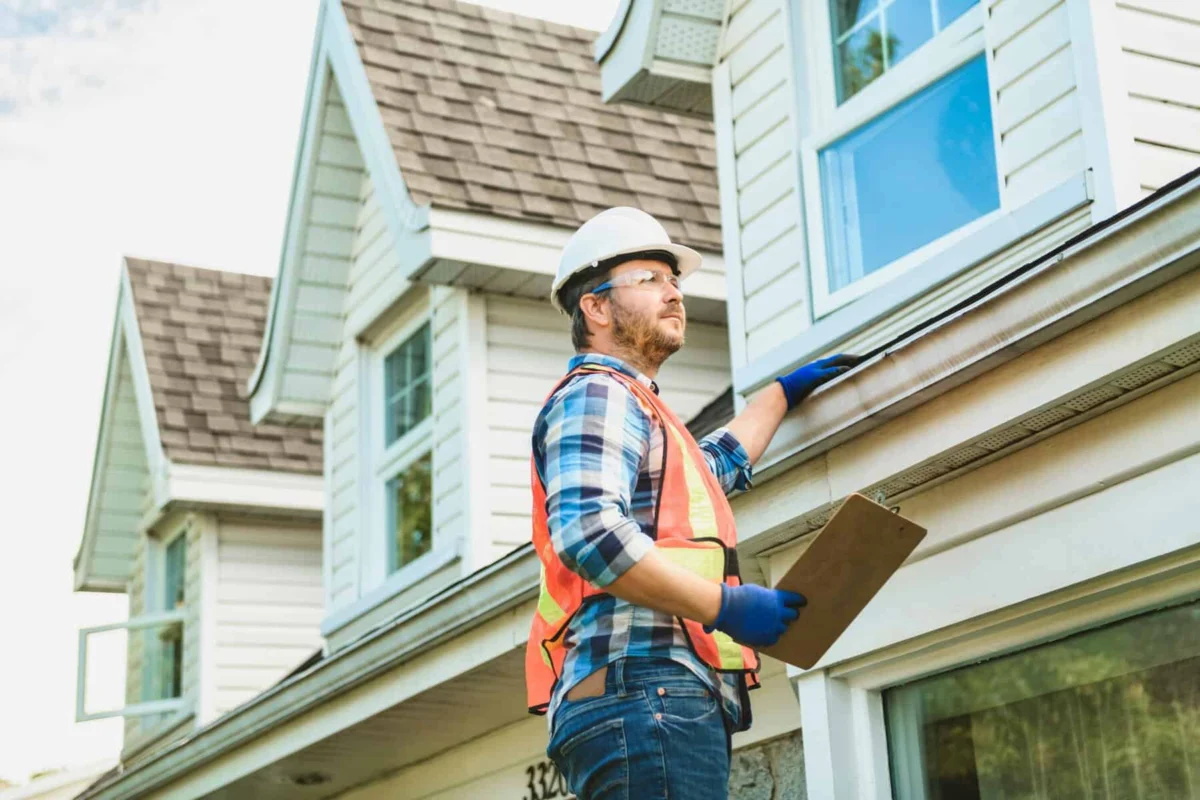
Buying a home is widely considered one of the most significant financial milestones in a person’s life. Yet, for many prospective buyers, the exhilaration of having an offer accepted is quickly tempered by the arrival of the home inspection report. This document, often dozens of pages long and filled with technical jargon, can feel like a mountain of bad news. However, framing the inspection as a "pass-or-fail" test is a fundamental misunderstanding of the process.
In reality, a home inspection is a diagnostic roadmap. It is not designed to tell you if a house is "perfect"—because no house is—but rather to provide you with the data necessary to make an informed investment. To navigate this phase effectively, you must transition from a passive reader to an active interrogator of the information provided by your inspector.
The Reality of Inspection Reports: Context and Clarity
The primary objective of a home inspection is to evaluate the condition of a property’s major systems, identify safety hazards, and flag areas that may require maintenance. It is common for a report to highlight everything from a missing outlet cover to signs of a failing foundation. The challenge for the buyer is distinguishing between "nuisance" items—routine maintenance tasks that come with homeownership—and "red flags" that could jeopardize the structural integrity or financial viability of the property.
Industry professionals emphasize that the inspection should be viewed as an educational tool. By engaging with your inspector and asking the right questions, you can transform a daunting list of defects into a clear action plan. Whether you are negotiating repairs, requesting seller credits, or deciding to walk away, the quality of your decision-making depends on your ability to interpret these findings.
1. Categorizing the Findings: Safety vs. Maintenance
The first step upon receiving the report is to categorize the findings. Not all issues are created equal. Your inspector should be your primary resource for prioritizing these items.
Identifying Immediate Safety Hazards
Ask your inspector explicitly: "Which of these items pose an immediate threat to the occupants?" This category is non-negotiable. It includes potential fire hazards (such as outdated electrical panels or improper wiring), gas leaks, active water intrusion, and severe structural concerns. If the inspector flags a safety risk, this is typically the first point of negotiation. Sellers are often more willing to address safety-related issues because they represent a liability that must be resolved for the home to be safely inhabited.
Distinguishing Cosmetic from Structural
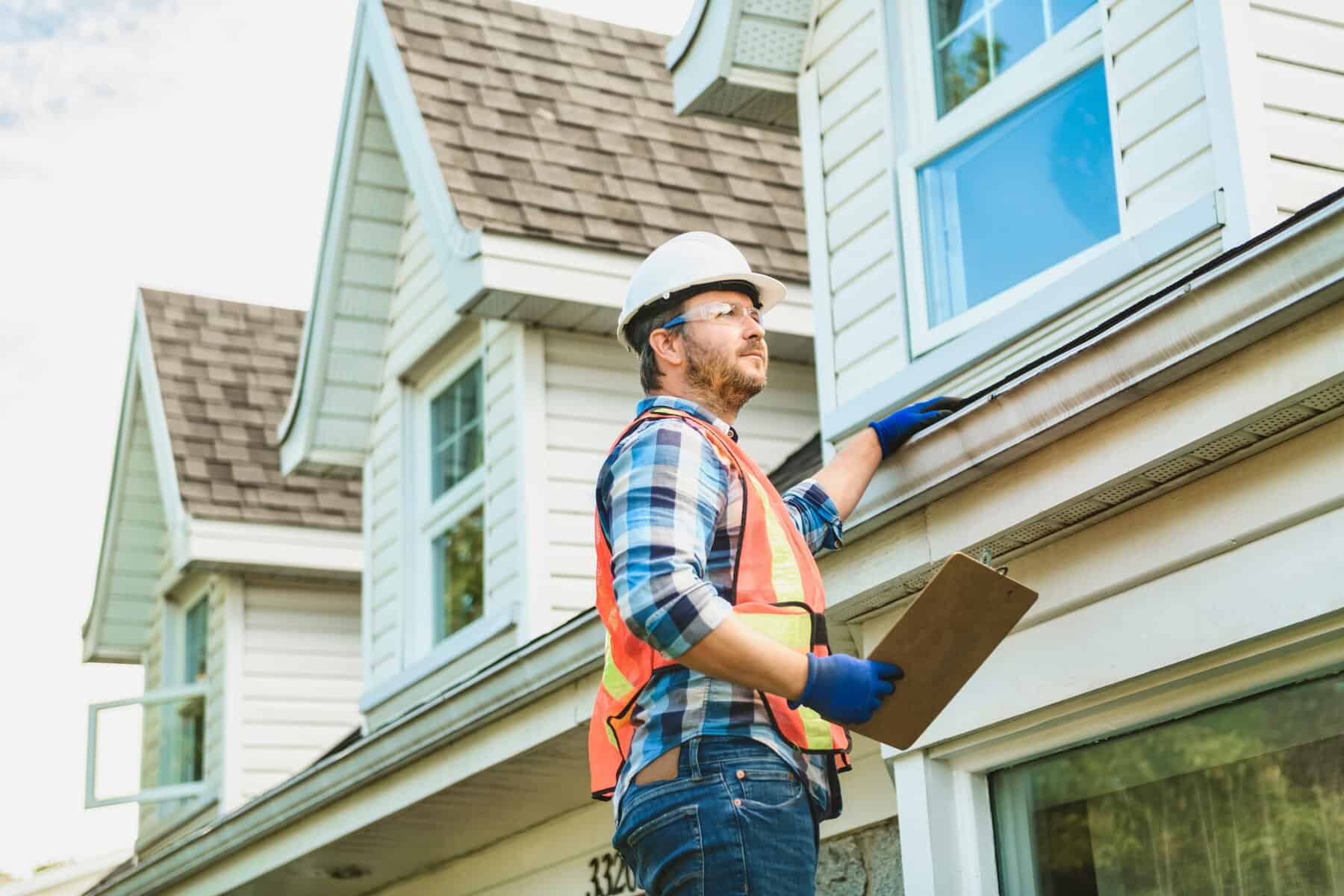
It is easy to get distracted by aesthetic flaws. Scuffed paint, damaged baseboards, or loose cabinet hinges are common in lived-in homes. While these items are important to note for your own "to-do" list, they rarely warrant a price reduction or a seller-funded repair. Conversely, signs like diagonal cracks in foundation walls, uneven floors, or moisture stains on ceilings require deeper investigation. These are often the "symptoms" of a larger, systemic problem that could cost thousands to rectify.
2. The Role of Ancillary Inspections
A standard home inspection is comprehensive but not exhaustive. There are several critical components of a home that fall outside the scope of a general assessment. As experts from Habitation Investigation point out, ancillary inspections are vital for properties of a certain age or those with specific features.
- Sewer Scope Inspections: For older homes, tree roots or collapsed pipes can lead to catastrophic sewer backups. A camera inspection of the sewer line is a small price to pay to avoid a potential $10,000+ repair bill.
- Chimney and Fireplace Evaluations: Standard inspectors check for basic functionality, but a chimney sweep or specialist can identify creosote buildup or flue damage that a visual inspection might miss.
- Environmental Testing: Depending on the region, radon testing, mold evaluations, or lead-based paint assessments are critical. These hidden hazards do not show up in a standard walkthrough but can have long-term health implications.
3. Financial Planning and System Lifespan
One of the most valuable insights an inspector can provide is the "remaining useful life" of major home components. You should ask: "What is the approximate age and remaining life of the roof, HVAC system, water heater, and electrical panel?"
Even if a furnace is currently working, knowing that it is 20 years old and likely to fail within the next two years allows you to plan your finances accordingly. This knowledge is leverage. If the roof is at the end of its lifespan, you can use that information to request a credit from the seller to offset the eventual replacement cost. This transforms the inspection report into a financial planning document, ensuring there are no "surprise" expenses in the first year of homeownership.
4. Uncovering the "Why" and "How"
When you see a concerning item in the report, do not stop at the description. Ask your inspector for the causality behind the defect. For example, a water stain on a basement wall is a condition; knowing whether that stain was caused by a one-time gutter overflow or a consistent foundation leak is the difference between a simple landscaping fix and a major waterproofing project.
Bill Ostoyic, a Certified Master Inspector, suggests asking: "What happened to cause this? How should it be repaired? And who is the appropriate professional to perform the work?" Understanding the specific scope of the repair is essential. A "repair" could be a quick patch job by a handyman or a complete system overhaul by a licensed contractor. Knowing the difference protects you from underestimating the cost and complexity of the fix.

5. Insurance Implications and Lender Requirements
In the current real estate landscape, the intersection of home inspections and homeowners insurance is increasingly critical. Certain conditions—such as knob-and-tube wiring, polybutylene plumbing, or roofs older than 20 years—can make a home uninsurable or significantly drive up premiums.
Before finalizing your purchase, verify if any findings will affect your ability to secure insurance. Lenders require proof of insurance to fund a mortgage, and if an insurance company refuses to cover the property due to a condition found in the report, your financing could collapse. Discussing these findings with an insurance agent early in the process is a proactive measure that can prevent last-minute closing delays.
6. The Importance of Professional Specialists
If an inspector recommends a follow-up with a licensed specialist, heed that advice. Whether it is an engineer to look at a structural crack or a licensed electrician to evaluate a dated breaker box, a specialist brings a level of expertise that a general inspector cannot match.
While this may involve additional out-of-pocket costs before closing, it is an investment in risk mitigation. A structural engineer’s report can provide a definitive answer on whether a foundation issue is settling or active failure, which can dictate your entire strategy for moving forward with the purchase.
7. Managing the Negotiation Process
Once you have gathered the facts, the information in the report serves as your primary tool for negotiation. You generally have three paths:
- Request Repairs: Ask the seller to fix specific issues before closing.
- Request Credits: Ask the seller to contribute funds toward your closing costs to cover the repairs you will handle post-closing.
- Renegotiate Price: Lower the purchase price to account for the necessary investments.
When negotiating, use the estimates provided by qualified contractors rather than guesswork. Sellers are more likely to respond favorably to a request supported by a written quote from a professional than to a vague demand for a price reduction.
8. Closing the Loop: The Re-inspection
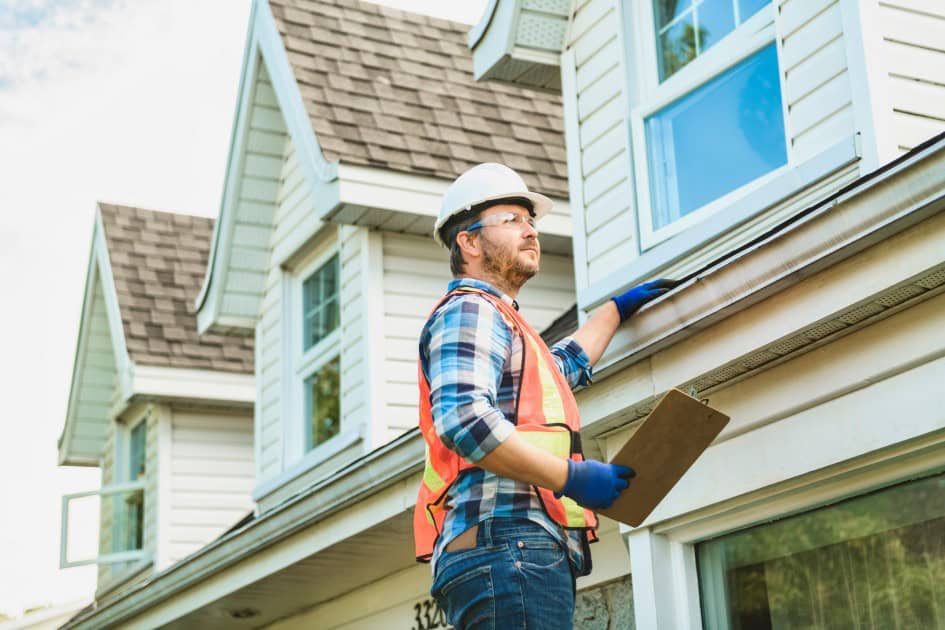
If the seller agrees to perform repairs, do not assume they were completed correctly. A final walk-through is not sufficient to verify the quality of work. Always insist on a re-inspection, or at the very least, request detailed documentation: invoices, permits, and warranties for the work performed. If a professional plumber repaired a leak, you should be able to see the receipt and the permit (if required) to ensure the job was done to code.
Conclusion: Moving Forward with Confidence
The home inspection process is rarely a frictionless experience, but it is a necessary one. By asking the right questions—focusing on safety, system longevity, insurance impacts, and the true cost of repairs—you move from being a nervous buyer to an informed homeowner.
Remember, the goal of an inspection is not to find a "perfect" house, but to ensure that you are fully aware of the home’s current condition and its future needs. When you approach the report as a comprehensive roadmap for your new investment, you gain the confidence to proceed, knowing exactly what to expect when you turn the key for the first time.