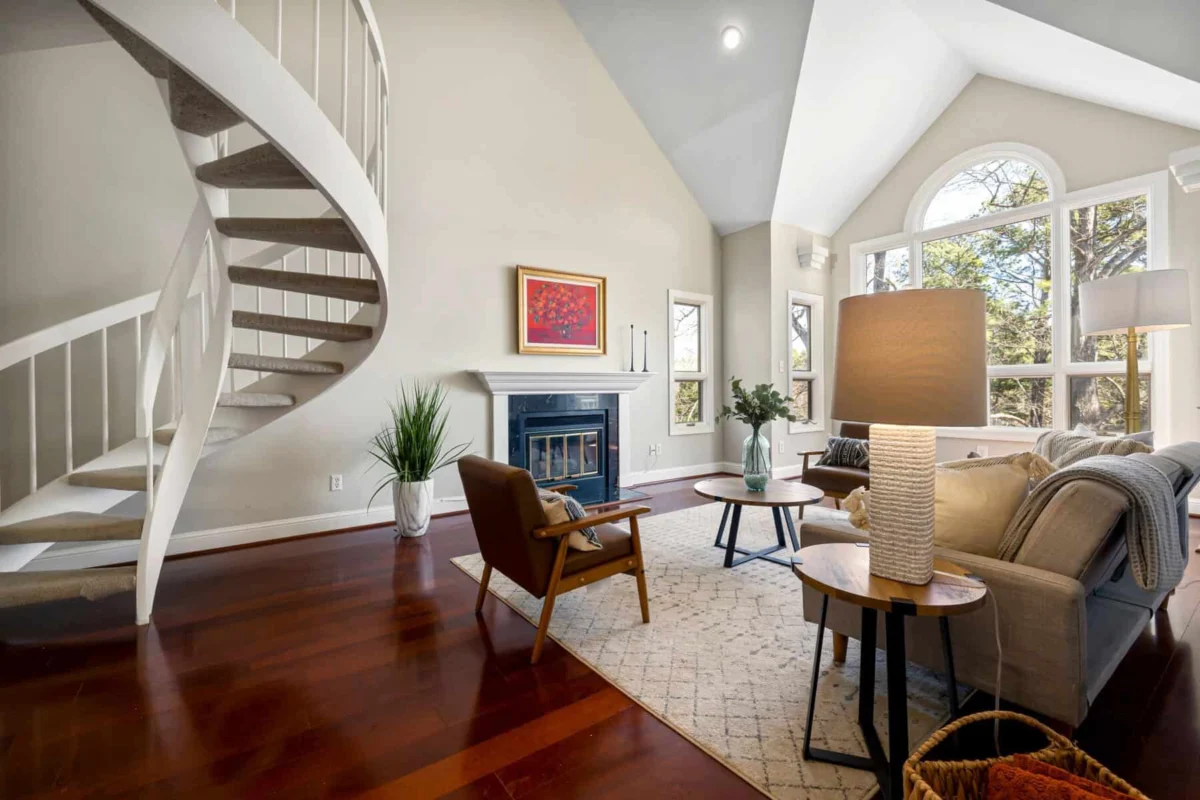
Selling a home is as much a psychological endeavor as it is a financial one. While many sellers believe that staging is exclusively for vacant properties requiring a blank-slate transformation, the reality is that "occupied home staging"—the process of preparing a residence for sale while the homeowner’s existing furniture and belongings remain in place—is a nuanced, strategic tool that can significantly influence a property’s market performance.
For sellers, the prospect of listing a home while living in it can be daunting. The goal is to transform a personal, lived-in space into a neutral, aspirational product that appeals to a broad range of prospective buyers. Whether you are navigating a fast-paced market in a city like Phoenix or listing a refined townhouse in Seattle, understanding the logistics and benefits of occupied staging is essential to securing a competitive offer.
The Core Concept: What is Occupied Home Staging?
At its simplest, occupied home staging is the art of curating a seller’s existing lifestyle to meet the demands of the current real estate market. Unlike vacant staging, which relies on rented furniture and decor to fill an empty void, occupied staging is an act of editing. A professional stager evaluates the home’s current inventory, determining what should stay, what should be packed away, and what supplementary pieces (such as modern artwork, lighting, or accent chairs) are needed to elevate the property’s aesthetic.
This process is fundamentally about optimization. By rearranging existing layouts, decluttering high-traffic areas, and introducing strategic pops of style, a stager helps buyers visualize the full potential of a room. It is not about masking the home’s history; it is about highlighting its best architectural features to create an emotional connection with potential buyers.
Chronology of the Staging Process
For most homeowners, the staging process follows a structured timeline that begins long before the "For Sale" sign hits the lawn.
Phase 1: The Initial Consultation
The process begins with a walkthrough. During this phase, the stager assesses the property’s flow, natural light, and the overall "vibe." They are looking for ways to maximize the perception of space. This is when the stager will offer a candid assessment of what needs to be removed—often including family photos, overly personalized decor, or bulky, outdated furniture.
Phase 2: Decluttering and Editing
Before any new furniture is brought in, the home must be edited. This is arguably the most labor-intensive phase for the homeowner. It involves deep cleaning, organizing closets, and depersonalizing the space. Stagers often recommend that sellers rent a small storage unit to house items that are not essential for daily life but clutter the visual field.
Phase 3: The "Installation" (Redesign)
Once the excess is cleared, the stager begins the redesign. This may involve moving a sofa from the den to the living room or swapping a heavy dining table for something more sleek. If the budget allows, this is also when the stager brings in rental items to bridge the gaps between what the seller has and what the market expects.

Phase 4: Maintenance for Showings
The final phase is the most challenging: living in a staged home. Sellers must maintain the "staged" look, ensuring that beds are made, dishes are put away, and the home remains in a "show-ready" state throughout the duration of the listing period.
Supporting Data: Why Strategy Beats Spending
One of the most common misconceptions about home staging is that it is prohibitively expensive. However, industry experts point out that occupied staging can often be more cost-effective than full-scale vacant staging.
Louay Nouneh, Co-Founder and Managing Director of MES Décors Inc., notes, "A larger occupied home may sometimes cost less to stage than a smaller vacant property that requires complete furniture, artwork, accessories, delivery, installation, and rental."
The financial logic is clear: you are leveraging the assets you already own. When a stager identifies that you only need a few modern accent pieces to refresh a room, you save significantly on the logistics of transporting and renting dozens of large furniture items. The cost variability is driven by three main factors:
- The Scope of Furniture Needs: Does the home need a total refresh or just a minor accessory update?
- Room Prioritization: Staging the primary living areas (the "money rooms") usually yields a higher return on investment than staging guest rooms or utility spaces.
- Logistical Accessibility: The physical location of the home and its accessibility for delivery teams play a massive role in labor costs.
Official Perspectives: Expert Insights on Implementation
Professional stagers emphasize that there is no "one-size-fits-all" approach. Each home requires a tailored strategy based on its unique architecture and the target demographic of the neighborhood.
The Role of Furniture and Layout
Megan Morris, owner and founder of MHM Professional Staging, highlights the importance of functionality. "Does this living room need just a couch, coffee table, and accent chair, or two couches, two accent chairs? There are some rooms so big you need two complete sitting areas with two large rugs and possibly a table in between."
This highlights a key point: in large or open-concept spaces, "less is more" is not always the correct advice. Sometimes, a room needs more furniture to define its purpose. A large, empty loft can feel intimidating to a buyer who doesn’t know how to place their own furniture; a well-staged room provides a blueprint for comfortable living.
Property Access and Labor
Logistics are often the "hidden" cost of staging. As Morris points out, "Going up stairs and loading into an elevator can double the amount of time needed." For sellers in high-rise condos or townhouses with tight stairwells, these factors must be accounted for in the initial quote. Building rules, service elevator reservations, and loading dock restrictions can turn a simple afternoon job into a complex logistical operation.

Implications for the Seller
Managing Expectations
Occupied staging is a partnership. The stager brings the vision, but the seller provides the canvas. Sellers must be prepared for the reality that their favorite pieces might not fit the aesthetic of the staging plan. It is crucial to view the stager’s advice as a business decision rather than a personal critique of one’s taste.
The Power of "Key Spaces"
If a seller is working with a tight budget, it is not necessary to stage every square inch of the home. Professional stagers generally agree that the priority should be on the "Big Three": the living room, the primary bedroom, and the kitchen/dining area. These are the rooms where buyers spend the most time during a tour and the areas that look best in high-definition listing photos.
Defining the Target Buyer
Nouneh stresses that the approach "should be guided by the property’s target buyer, price point, and local housing market." A luxury property in a metropolitan hub requires a different staging strategy than a family home in the suburbs. A good stager will perform a demographic analysis of your neighborhood to ensure the staging reflects the lifestyle your potential buyers are looking for.
How to Prepare: A Checklist for Sellers
Before you sign a contract with a staging company, ensure you have clarity on the following:
- Scope of Service: Ask for a detailed proposal. Does it include the rental of furniture, the delivery, the installation, and the final pickup? Are there separate fees for labor?
- Inventory Usage: How much of your existing furniture will be used? Be clear about what pieces you are emotionally attached to and which ones you are willing to move to storage.
- Timeline: How long will the rented items remain in the home? Ensure the contract aligns with your estimated time on the market.
- Accessibility Surcharges: Explicitly ask about potential fees related to building access, such as stairs, elevators, or limited parking for delivery trucks.
- Prioritization: Ask the stager for their professional opinion on which rooms will provide the highest ROI. If they suggest skipping a room, ask why—their reasoning can provide valuable insight into how buyers move through your home.
Conclusion: An Investment in Potential
Ultimately, the objective of occupied home staging is to remove the "friction" that prevents a buyer from saying "yes." When a potential buyer walks into a home that is cluttered or poorly arranged, they spend their time focusing on the homeowner’s belongings rather than the home itself.
By investing in professional guidance, sellers can reframe their property, allowing the architecture, light, and potential of the space to take center stage. While it requires time, organization, and a bit of a budget, the result is often a faster sale and a more competitive bidding process—a return that makes the effort of living in a "staged" home well worth the temporary inconvenience.
As you prepare to list, remember that you are not just selling a house; you are selling a vision of a future home. A professional stager is the partner who helps you paint that picture in the most compelling light possible.