The long-awaited evolution of the Kingdom Hearts franchise has finally broken its silence. During a high-profile panel at D23, Square Enix provided the most substantial look yet at Kingdom Hearts IV, confirming a trajectory that promises to redefine the series’ gameplay, narrative scope, and technical ambition. With series architect Tetsuya Nomura and co-director Tai Yasue taking the stage, the event served as a definitive declaration that the franchise is entering its most daring chapter to date.
The Main Facts: A Bold Vision for the Future
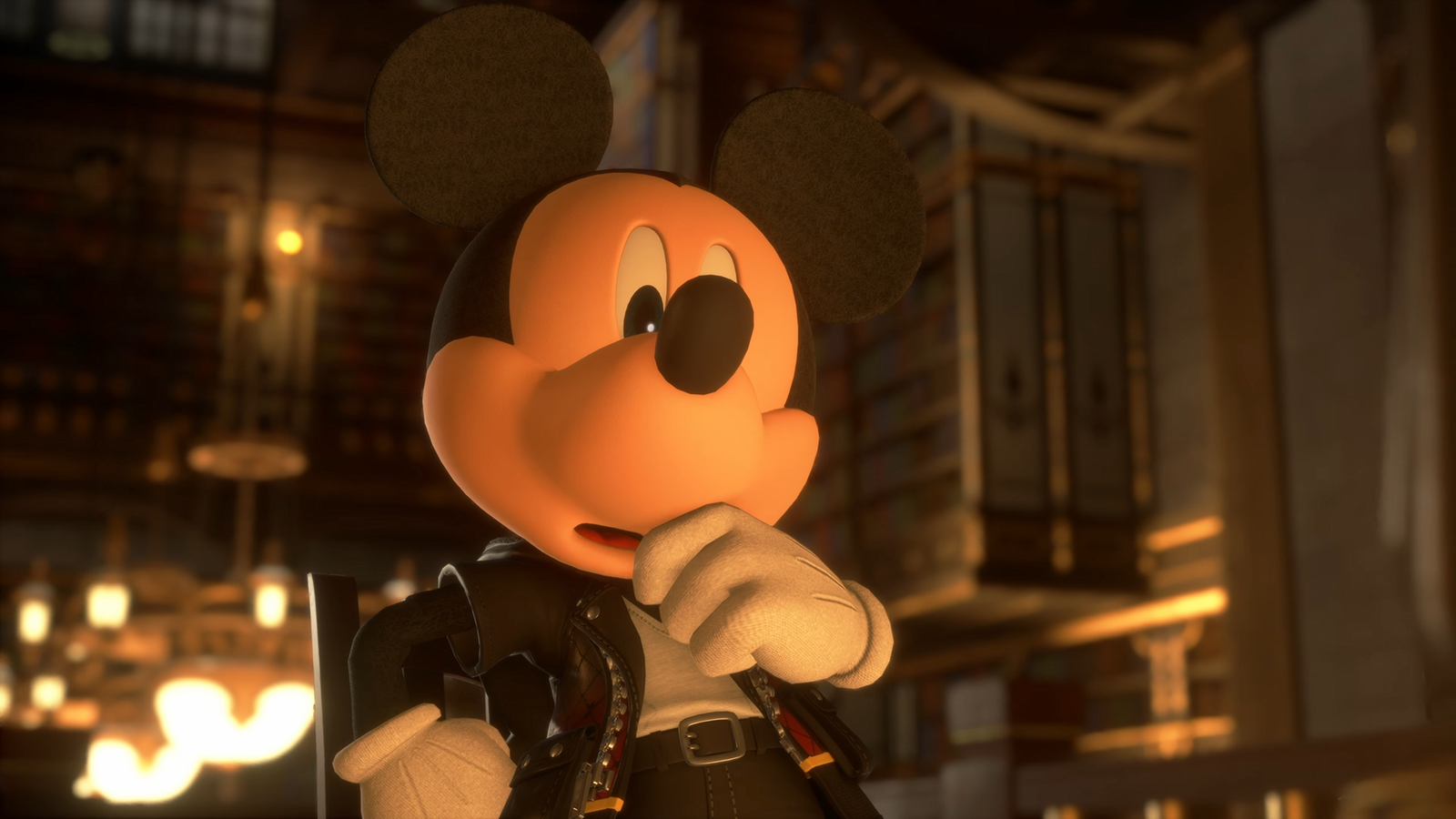
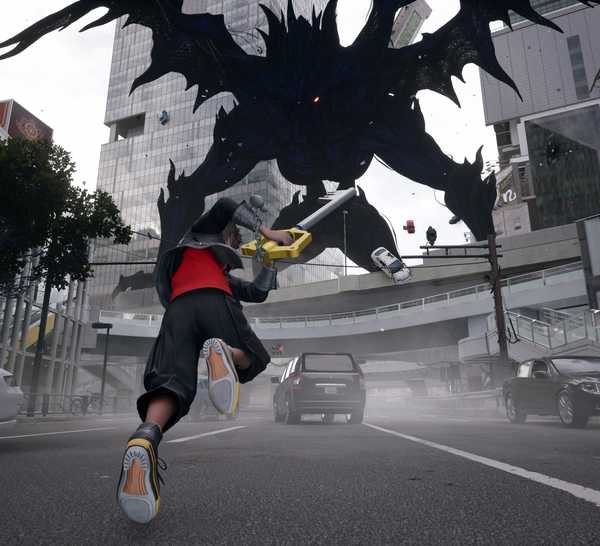
The centerpiece of the presentation was an extended, four-minute gameplay trailer that expanded significantly upon the footage debuted just a day prior. Attendees were treated to a deeper look at the transition into the mysterious, reality-bending world of Quadratum, where Sora continues his battle against a new, evolved breed of Heartless.
Beyond the visuals, the panel confirmed the most critical logistical details for the fan base: Kingdom Hearts IV is currently slated for a late 2027 release. The game is confirmed to arrive on PlayStation 5, Xbox Series X, Windows PC, and the Nintendo Switch 2. Nomura and Yasue expressed a high level of confidence in this release window, signaling that the development team is well-aligned with their production milestones.
Furthermore, the franchise is expanding beyond interactive media. The panel officially acknowledged that a Kingdom Hearts animated series is currently in development for Disney Plus, though executives stopped short of providing a release date for the project, noting that it remains a long-term endeavor.
Chronology: From Silent Teasers to D23 Spotlight
To understand the significance of this moment, one must look at the arduous path the game has traveled. The project was first teased in 2022, but for years, it existed primarily as a concept in the minds of developers and a source of speculation for fans. Following that initial announcement, the game effectively went dark, with only sparse, breadcrumb-like updates appearing in the interim.
The narrative momentum shifted significantly earlier this year. The game made a triumphant return as the grand finale of June’s Nintendo Direct, successfully refocusing the gaming world’s attention on Sora’s next journey. This momentum reached its zenith at the D23 showcase on Friday, where the integration of Pixar’s Coco was formally unveiled. The extended trailer presented at the panel showcased not just the aesthetic fidelity of the Coco world, but the mechanical diversity that players can expect when they finally step into the game.
Supporting Data: Gameplay Innovations and Mechanical Depth
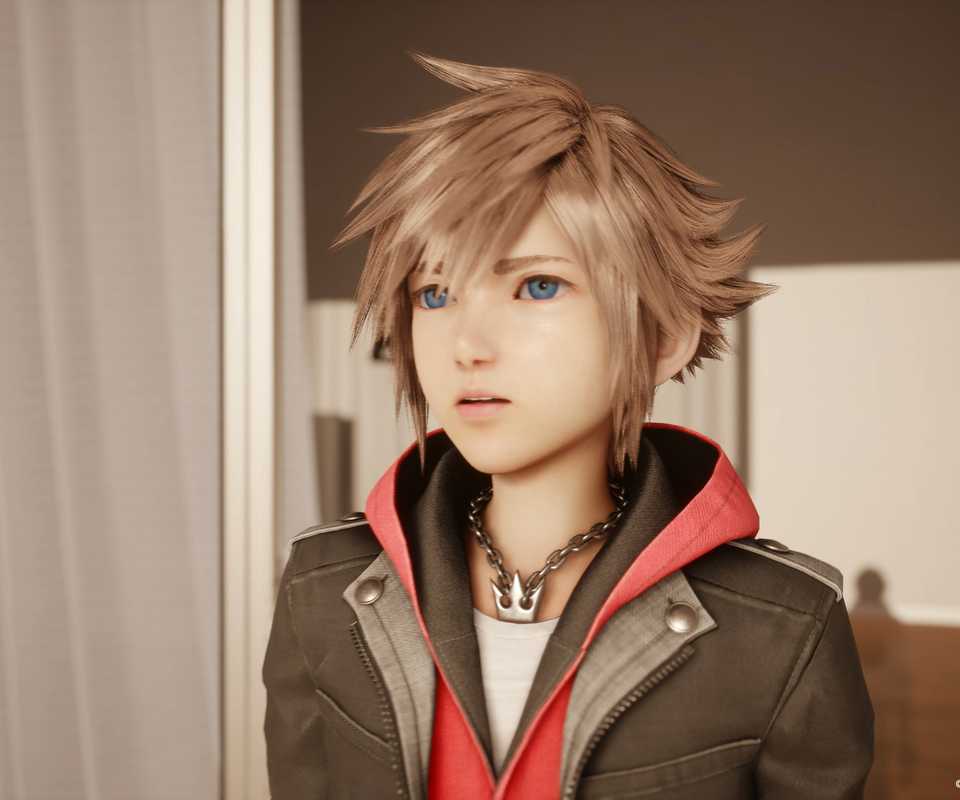
Perhaps the most striking takeaway from the D23 presentation is the departure from traditional, Sora-centric gameplay. The extended trailer confirmed that Kingdom Hearts IV will feature segments where players take control of characters other than the iconic Keyblade wielder.
The Shift in Perspective
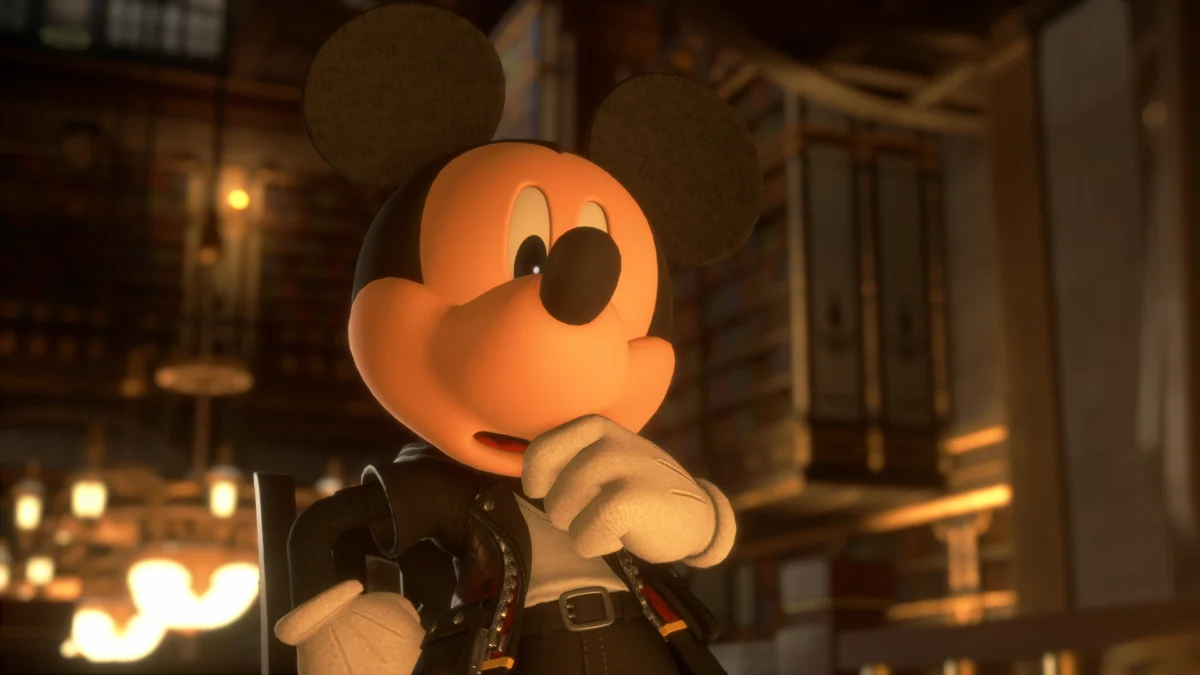
The inclusion of Donald and Goofy in standalone combat segments—particularly within the Coco world—suggests a desire to deepen the party’s tactical utility. Even more intriguing is the reveal of Mickey Mouse’s independent gameplay segments. According to Tai Yasue, these sections are being designed with a distinct "puzzle-based" philosophy. Players will control Mickey as he navigates unique environments, utilizing a transformation mechanic that allows him to shift between large, small, and paper-thin, origami-like forms. The comparison to the exploratory, platforming-heavy nature of the Paper Mario series indicates that the developers are looking to diversify the gameplay loop, moving beyond pure action-RPG combat to offer more environmental variety.
Combat and Traversal
While the focus on side characters is notable, Sora remains the heart of the experience. His combat retains the fluid, high-octane action-RPG foundation that fans expect, but with a refined sense of scale. The trailer teased new traversal actions that grant Sora unprecedented mobility, and fans were treated to a glimpse of combat featuring unexpected allies: Hector and Miguel from Coco. This suggests that the game will lean heavily into guest party members, further integrating Disney and Pixar characters into the core gameplay loop rather than keeping them as narrative window dressing.
Official Responses: Insights from the Creators
The presence of Tetsuya Nomura was a highlight of the panel, especially as his appearance had not been confirmed prior to the event. His insights provided a rare window into the design philosophy driving the project. Nomura alluded to a "still-unrevealed idea" that the development team has been cultivating since the final stages of Kingdom Hearts III. While he remained tight-lipped regarding the specifics, he framed this concept as the "realization" of a long-standing creative ambition that the hardware limitations or scope of previous titles couldn’t fully accommodate.
Joining the directors were the voices behind the franchise: Haley Joel Osment (Sora) and David Gallagher (Riku). Their appearance added a layer of emotional weight to the proceedings, as they recounted their long-standing history with the characters. In a move that brought the audience to its feet, the two performed the final scene from Kingdom Hearts II live—a historical moment for the franchise, as it marked the first time they had performed that specific, iconic scene together in person. Miyu Irino, the voice of Sora in the Japanese version, joined the festivities via a pre-recorded message, echoing the sentiments of his English-speaking counterparts.
Implications: What This Means for the Franchise
The implications of the D23 showcase are profound for both the longevity of the series and its technical future. By committing to a 2027 release, Square Enix is signaling a long-term investment in the "Lost Master Arc." The move to incorporate varied, puzzle-centric gameplay suggests that the series is attempting to modernize its approach, acknowledging that a twenty-year-old formula needs structural evolution to maintain relevance in a crowded market.
Narrative and World Selection
One of the persistent questions regarding the series is how developers select which Disney properties to adapt. During the panel, the team discussed the iterative process of world-building, emphasizing that the selection is driven by how well a film’s thematic core aligns with the emotional arc of the Kingdom Hearts narrative. The choice of Coco—a film centered on the bridge between the living and the dead, family, and the power of memory—is a thematic mirror to the existential themes Sora has faced since the series’ inception.
Technical Ambition
The visual fidelity displayed in the Quadratum segments, coupled with the complex traversal mechanics shown, points to a game built with the next generation of hardware in mind. By targeting the Nintendo Switch 2, PS5, and Xbox Series X, Square Enix is aiming for a unified, high-fidelity experience that minimizes the performance gaps that have historically plagued cross-platform titles in the series.
Conclusion: A Long Road Ahead
The path to 2027 is still lengthy, but the anxiety surrounding the future of Kingdom Hearts has been replaced by a focused, tangible excitement. By blending the classic action-RPG sensibilities that defined the franchise with new, innovative gameplay designs, and by grounding the narrative in both established legacy and fresh, experimental concepts, Square Enix has set the stage for what could be the most significant entry in the series’ history.
As fans digest the details from the extended trailer and look forward to the eventual release of the animated series, the message from the panel is clear: Kingdom Hearts is not merely returning; it is transforming. For a series that has always been about the strength of the heart and the connections we forge, this next chapter appears to be the most ambitious attempt yet to bring those themes to life.