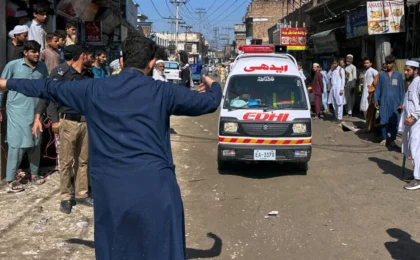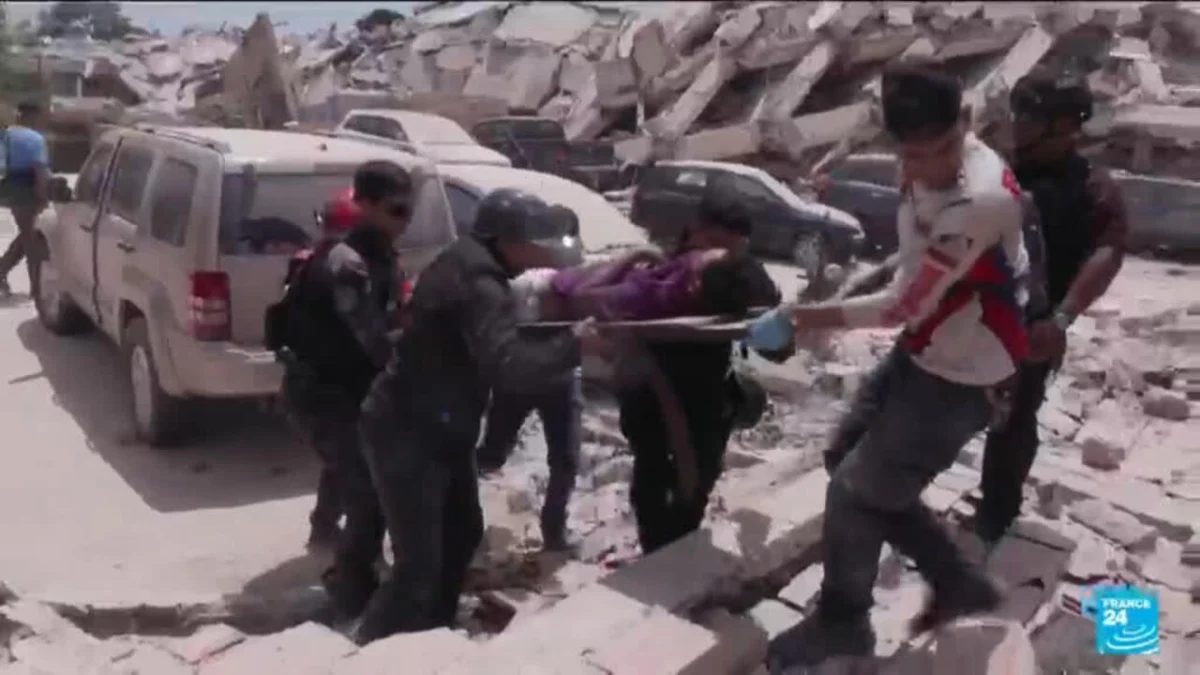
CARACAS – A state of national emergency has been declared across Venezuela following a series of catastrophic seismic events that have devastated the Andean region. In what geologists are calling an unprecedented tectonic anomaly, two massive earthquakes struck within hours of each other on June 27, 2026, leaving a trail of destruction that spans hundreds of kilometers and rendering the fate of tens of thousands of citizens unknown.
As of the latest reports, rescue teams are struggling to penetrate the debris-choked infrastructure of affected provinces. The situation remains fluid, with communication networks largely severed and primary transit arteries rendered impassable by landslides and structural collapses.
The Main Facts: A Dual Seismic Shock
The disaster began at 04:12 local time on June 27, when an initial magnitude 7.4 earthquake struck the western Andean foothills. While the region is known for moderate seismic activity, the sheer intensity of the quake—occurring at a relatively shallow depth—caused immediate, widespread failure of residential and commercial infrastructure.
Before emergency services could even begin to organize, a second, even more powerful earthquake—registered at magnitude 7.9—struck the same epicenter at 08:45. The "twin" nature of the event effectively leveled buildings that had been weakened by the first tremor, trapping thousands under piles of reinforced concrete and debris.
Preliminary estimates from the Venezuelan Civil Protection agency suggest that the affected area encompasses four major provinces. Search and rescue operations are currently hindered by aftershocks, which continue to collapse unstable structures and threaten the safety of first responders.
Chronology of the Disaster
The timeline of the tragedy reflects the rapid descent of a functional society into a humanitarian crisis:
- 04:12 (June 27): First major seismic event, magnitude 7.4. Initial reports suggest widespread damage in residential sectors.
- 05:30: Power grids across the Andean region begin to fail, leading to total blackout conditions.
- 08:45: The second, more intense earthquake (7.9 magnitude) hits. This event triggers massive landslides in the mountainous regions, cutting off road access to the hardest-hit towns.
- 10:00: The Venezuelan government formally requests international humanitarian assistance, declaring a State of Exception.
- 12:30: Communication hubs in the capital, Caracas, receive sporadic, desperate satellite updates from local mayors describing "total devastation" in their municipalities.
- 14:00 (Present): Heavy equipment and medical airlifts are deployed, though adverse weather conditions in the Andes are hampering aerial visibility.
Supporting Data and Geological Context
Seismologists at the National Institute of Seismological Research have characterized the event as a "double-rupture" phenomenon. Unlike a typical foreshock-mainshock sequence, these two events appear to have triggered independent segments of a previously dormant fault line.
- Geographic Scope: The impact zone covers approximately 12,000 square kilometers.
- Displacement: Satellite imagery indicates that the surface of the earth in the primary impact zone has shifted by nearly two meters, complicating the identification of roads and property boundaries.
- Casualty Projections: While confirmed fatalities are currently in the hundreds, the "missing" count has surpassed 30,000. These are individuals who were in residential or public buildings at the time of the collapse and have not yet been located by search teams.
- Logistical Challenges: At least 40% of the regional power grid is completely offline. Furthermore, primary bridge crossings in the Andean corridor have sustained structural fatigue, making the transport of heavy rescue machinery nearly impossible.
Official Responses and International Aid
The Venezuelan administration has mobilized the National Armed Forces to lead the rescue effort, prioritizing the extraction of survivors from "pockets" of air within collapsed buildings.
"We are facing the greatest challenge in our modern history," the President stated in a brief, televised address from the Miraflores Palace. "Our priority is the preservation of life. We are coordinating with regional neighbors and international humanitarian organizations to ensure that medical supplies, food, and specialized rescue teams reach the affected areas immediately."

International responses have been swift. Brazil, Colombia, and the European Union have pledged specialized search-and-rescue teams, including canine units and thermal imaging experts. The United Nations has also activated its Disaster Assessment and Coordination (UNDAC) team, which is expected to arrive in Caracas within the next 24 hours to assist in local logistics.
However, the scale of the destruction is overwhelming local hospital capacities. Medical facilities in the region are operating on emergency generators, and there is a critical shortage of trauma surgeons and basic surgical supplies.
Implications: A Long Road to Recovery
The aftermath of this twin-earthquake disaster will be felt for years, if not decades. Beyond the immediate loss of life and the physical destruction of cities, the socio-economic implications are profound.
Economic Impact
The affected provinces are primary contributors to the nation’s agricultural output, particularly in coffee and cocoa production. The destruction of irrigation systems, warehouses, and transport networks will likely result in severe food shortages and a significant inflationary spike in the national economy. The cost of reconstruction is currently estimated to be in the billions of dollars, a figure that poses a major challenge to the national budget.
Infrastructure and Urban Planning
The disaster has reignited debates regarding building codes and urban planning in seismic zones. Experts have noted that many of the collapsed structures were older buildings that had not been retrofitted to withstand high-magnitude tremors. Moving forward, the government will likely face pressure to implement rigorous, modern building standards, a project that will require significant investment and strict oversight.
Psychological and Social Displacement
With tens of thousands still missing, the psychological toll on the population is immeasurable. The displacement of families and the destruction of community anchors—schools, town halls, and places of worship—will necessitate a massive, long-term psychosocial support program. The government must prepare for a prolonged period of internal migration, as families displaced from destroyed towns look to re-establish their lives in larger urban centers.
The Role of International Relations
The crisis serves as a litmus test for international solidarity. By welcoming aid from diverse global partners, Venezuela has the opportunity to facilitate a shift in its diplomatic trajectory. Conversely, the success of the recovery will depend heavily on the efficiency of the aid distribution network, which must overcome existing bureaucratic hurdles to reach the rural, isolated communities that were hit the hardest.
Conclusion
As night falls on the Andean region, the situation remains dire. Search teams are working under the glow of portable lights, their efforts intensified by the knowledge that the "golden window" for finding survivors is rapidly closing. The silence in the mountains is punctuated only by the sound of heavy machinery and the urgent calls of rescue workers.
The people of Venezuela now face a grueling period of mourning and rebuilding. While the twin earthquakes have brought the nation to its knees, the massive outpouring of international support and the resilience of local communities offer a glimmer of hope. For the families of the tens of thousands still missing, however, the hours ahead represent a harrowing test of endurance and faith. The recovery will be long, but the world remains watching as the nation begins the monumental task of rising from the rubble.