For the uninitiated, Seattle’s culinary identity is often painted with broad strokes: the metallic sheen of a salmon fillet at Pike Place Market, the steaming bowls of ramen in the International District, or the ubiquitous teriyaki counters that anchor every neighborhood. Yet, to look only at these staples is to miss the city’s most sophisticated secret. Beneath the radar of national critics, Seattle has quietly cultivated one of the most vibrant, sustainable, and technically proficient Italian dining scenes in the United States.
As a local, it has been fascinating to watch this evolution. The city’s Italian foodway is not merely a collection of red-sauce joints; it is an environmentally conscious, ingredient-driven movement that bridges the gap between the rugged Pacific Northwest landscape and the refined techniques of Tuscany, Piedmont, and beyond.
The Nordic-Italian Connection: A Historical Synthesis
The irony of Seattle’s Italian excellence lies in its Nordic roots. In the late 19th century, waves of Scandinavian immigrants flocked to the Evergreen State, drawn by the dense timber and the promise of the sea. By the turn of the 20th century, these communities had established a formidable dairy infrastructure and a culture of rigorous, high-quality baking.
This infrastructure provided the perfect foundation for Italian cuisine. When later generations of chefs began applying Italian techniques to the local bounty—Puget Sound geoduck, Skagit Valley produce, and grass-fed dairy—the results were transcendent. The region’s locavore ethos, combined with a deep-seated respect for seasonal sourcing, created a "Washingtonian" touch that remains unique in the culinary world.
The Vanguard: A Survey of Seattle’s Top Italian Tables
Mioposto: More Than Just a Pizzeria
While Mioposto is frequently cited in "best pizza" roundups, labeling it merely a pizzeria is a disservice. It functions as a community hub where the atmosphere is as warm as the wood-fired ovens. For those dining in groups, the menu is a masterclass in variety.
- Signature Highlights: The Hood Canal clams, roasted in white wine, butter, and garlic, serve as a testament to the quality of local bivalves.
- Vegetarian Appeal: Their Mushroom Hunter pizza—featuring a trifecta of portobello, cremini, and oyster mushrooms—is a masterclass in earthy, umami-rich flavors.
Spinasse: The Piedmontese Gold Standard
Since 2008, Spinasse has remained the high-water mark for handmade pasta in Seattle. Focusing on the culinary traditions of Piedmont, the kitchen utilizes local Pacific Northwest ingredients to execute dishes that feel lifted from the hills of Northern Italy. The reservation list here is notoriously difficult, but the reward—velvety hand-cut egg yolk pasta—is well worth the planning.
The Pink Door: A Mythic Institution
Located behind an unassuming, vibrant door in Post Alley, The Pink Door is the city’s most theatrical dining destination. With trapeze artists often performing overhead and a deck overlooking Elliott Bay, the ambiance is unparalleled.
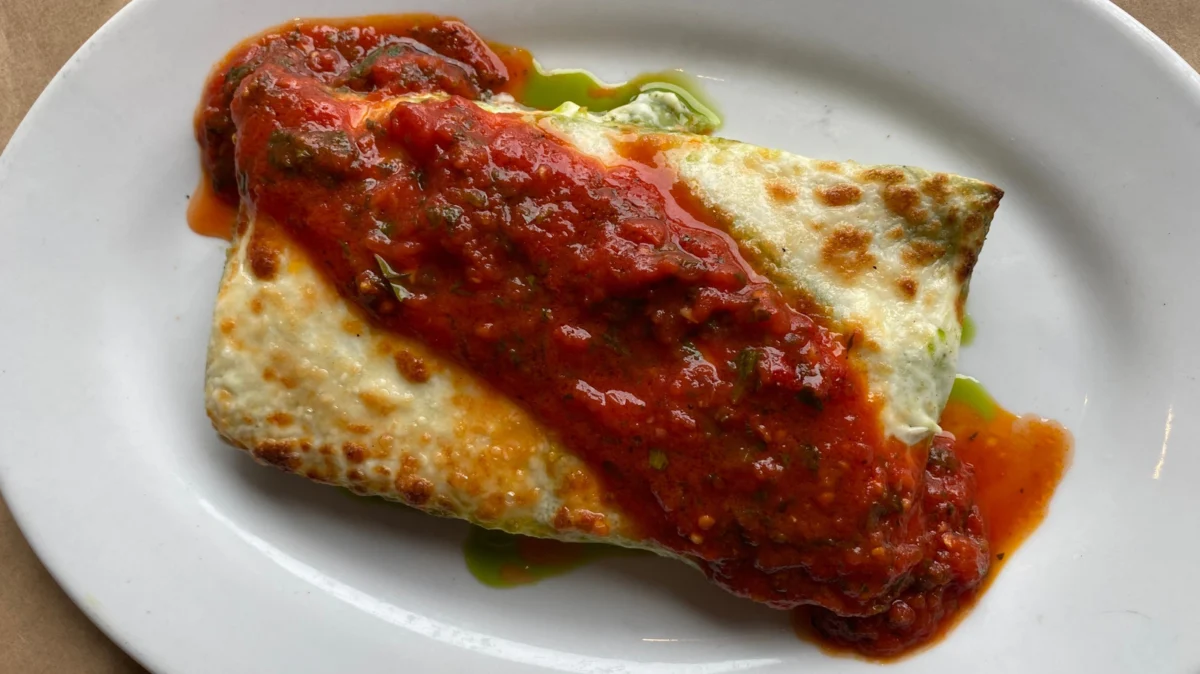
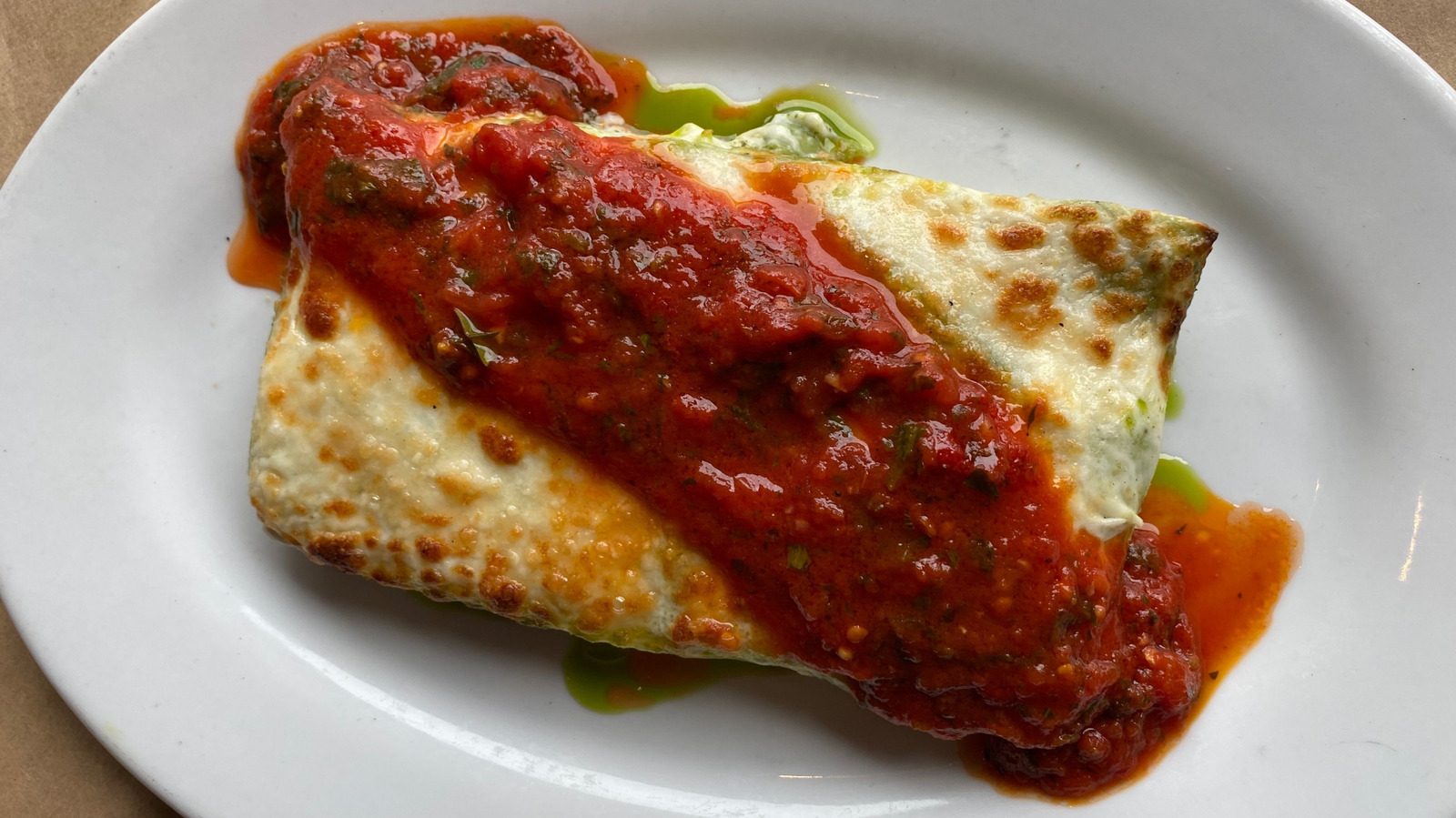
- The Lasagna: This dish is a regional icon, layered with spinach pasta, Béchamel, and a vibrant pesto that highlights local herbs. It is a mandatory order for any first-time visitor.
Cafe Juanita: Elegance in the Eastside
Located in Kirkland, Cafe Juanita represents the pinnacle of refined Northern Italian dining in the Seattle metro area. The restaurant’s commitment to customization is its hallmark; the kitchen is famously flexible, offering prix-fixe menus that can be tailored to the diner’s specific cravings. The garden-to-table approach here isn’t just a marketing slogan—it’s a philosophy that results in dishes like scallops with seasonal produce and olive oil chiffon cake.
San Fermo: Pioneer Spirit in Ballard
San Fermo occupies a historic 1850s house that was moved to Ballard in the 1970s. The restaurant’s connection to the land is tangible, largely due to its management of a 34-acre farm near La Connor. Dining here on the porch, accompanied by pan-seared British Columbia halibut and handmade paccheri, offers an experience that feels deeply rooted in Pacific Northwest history.
Chronology of the Scene: From Traditionalism to Modern Innovation
- Late 19th – Early 20th Century: Scandinavian immigration establishes the regional dairy and baking infrastructure.
- 2008: The opening of Spinasse shifts the narrative, emphasizing regional Piedmontese technique and communal dining.
- 2010–2015: A surge in neighborhood-centric Italian spots (Bar Del Corso, Cafe Lago) brings high-quality, wood-fired cooking to residential areas outside the city core.
- 2015–Present: A focus on "foraged and local" becomes the standard, with restaurants like Altura and Il Nido prioritizing tasting menus that change based on what is available in the Puget Sound basin.
Supporting Data: The Ingredients of Success
What makes these establishments successful? Analysis of local dining trends and peer reviews points to four consistent pillars:
- Supply Chain Transparency: Every restaurant on the upper tier of the Seattle Italian scene relies on direct relationships with local foragers, farmers, and the Pacific fishing industry.
- The "Third Space" Ambiance: Seattleites value comfort. Whether it is the log-cabin warmth of Il Nido or the light-drenched windows of Cafe Lago, these spaces are designed to encourage long, lingering meals.
- Technical Rigor: There is a distinct absence of "Americanized" filler. From the house-made noodles to the proper preparation of risotto, the focus is on technique over quantity.
- Wine Programs: Many of these restaurants maintain dual-focused wine lists, juxtaposing classic Italian vintages with the best of the Washington State wine industry, particularly the robust reds from the Yakima and Walla Walla valleys.
Official Responses and Industry Sentiment
In discussions with local restaurateurs, the consensus is clear: Seattle’s Italian scene is successful because it refuses to be a museum. "We aren’t trying to replicate Rome or Milan," says one local chef. "We are trying to translate the spirit of Italian hospitality into the language of the Pacific Northwest."
This sentiment is echoed by regional publications and food critics who have noted a shift away from the "fine dining" pretension of the 90s toward a more honest, ingredient-forward approach. The rise of social media and platforms like Reddit has only accelerated this, as locals share "hidden gem" discoveries, forcing even the most established trattorias to maintain a high level of consistency.
Implications for the Future
The evolution of Seattle’s Italian dining scene carries significant implications for the city’s broader culinary identity. As the cost of living in Seattle continues to rise, the demand for "approachable but excellent" dining has increased. Restaurants that can deliver high-quality handmade pasta and local produce in an environment that feels like a neighborhood living room are the ones that survive and thrive.
Furthermore, the emphasis on sustainability—reducing the carbon footprint by sourcing ingredients within the state—is likely to become the standard for all new restaurant openings in the city. As we look toward the future, it is clear that the fusion of Italian heritage and Northwest agriculture is not a trend; it is the bedrock of the region’s culinary future.
Methodology: How the List Was Assembled
This analysis was compiled through a multi-faceted approach, balancing critical consensus with the "vox populi."
- Primary Data: Personal dining experiences across Seattle’s diverse neighborhoods.
- Community Sentiment: Aggregated data from Reddit’s r/SeattleFood, local culinary publications, and long-standing trends on Yelp and Google Reviews.
- Selection Criteria: The featured restaurants were chosen based on their commitment to house-made noodles, the presence of strong tomato-based foundations, a robust wine program, and the seamless integration of local, seasonal produce.
Ultimately, these thirteen establishments represent the best of what Seattle has to offer: a city that respects tradition but is never afraid to let the Pacific Northwest landscape define the plate. Whether you are a local looking for your next date night or a visitor hoping to find the soul of the city, these Italian kitchens provide an essential window into the Seattle experience.