At BlizzCon 2026, Blizzard Entertainment finally pulled back the curtain on its next flagship title, Diablo 5. While the announcement of a new entry in the legendary action RPG franchise was expected, the technical direction of the game has sparked intense debate among the community. During a high-profile developer panel and subsequent Q&A sessions, it was revealed that Diablo 5 is abandoning the static, open-world design of its predecessor in favor of a return to the series’ roots: procedural generation for the game’s overworld.
This shift marks a significant pivot in strategy, signaling that Blizzard is listening closely to the criticisms surrounding Diablo 4 and is willing to overhaul its core architecture to recapture the "constant discovery" that defined the franchise’s earlier success.
The Core Problem: The Stagnation of Static Worlds
The release of Diablo 4 was a milestone for the series, offering a massive, seamless map that felt like a true MMORPG. However, as the months turned into years, a vocal segment of the player base began to voice their dissatisfaction. The "static" nature of the world—where every landmark, quest giver, and dungeon entrance remained exactly where it was upon the player’s first login—meant that the mystery of exploration was inherently finite.
Executive producer Matt Zitterman addressed this directly during the BlizzCon press junket. "Players had so much fun in Diablo 4 unfurling the fog of war," Zitterman noted. "That was an experience that was kind of one and done, right? But players want that. They want that sense of constant discovery."
For Blizzard, the realization was stark: while a static world is excellent for narrative consistency and world-building, it fails to provide the infinite replayability that defines the "hack-and-slash" genre. In Diablo 5, the developers aim to solve this by ensuring that the world map itself evolves with every play session, forcing players to adapt rather than memorize.
A Chronology of Design Philosophy
To understand why this change is so significant, one must look at the evolution of the Diablo franchise through the lens of its map design:
- Diablo (1996): Introduced the world to the "randomized dungeon," where every level was generated procedurally, creating a sense of dread because players never knew what lay behind the next corner.
- Diablo 2 (2000): Refined this concept by applying procedural generation to outdoor environments, setting a gold standard for the genre that remained iconic for decades.
- Diablo 3 (2012): Continued the tradition of procedural tilesets, ensuring that even after hundreds of hours, the path to the next act felt fresh.
- Diablo 4 (2023): Experimented with a persistent, static open world to facilitate a shared, massively multiplayer experience. While visually stunning, it removed the "unknown" factor of the journey.
- Diablo 5 (2026): A synthesis of the two philosophies. The developers are using modern technology to create a world that feels as vast and detailed as Diablo 4 but as unpredictable as Diablo 2.
The Technical Shift: Tiles and Terror
The procedural generation in Diablo 5 is not merely a randomized scattering of assets. Game Director Joe Shely emphasized that the system relies on sophisticated "tile" generation. In this model, the world is constructed of massive, detailed chunks—or tiles—that are intelligently stitched together based on the player’s quest objectives and the current influence of "Dread Commanders."
The narrative context justifies this technical shift: in Diablo 5, the western continent has fallen under the absolute dominion of the Lord of Terror. There are no safe, permanent hubs where players can watch the world rebuild. Instead, the player operates from a mobile caravan—a literal base on wheels. This allows the game to logically justify why the geography changes: the world is in a constant state of flux, being warped by demonic energy.
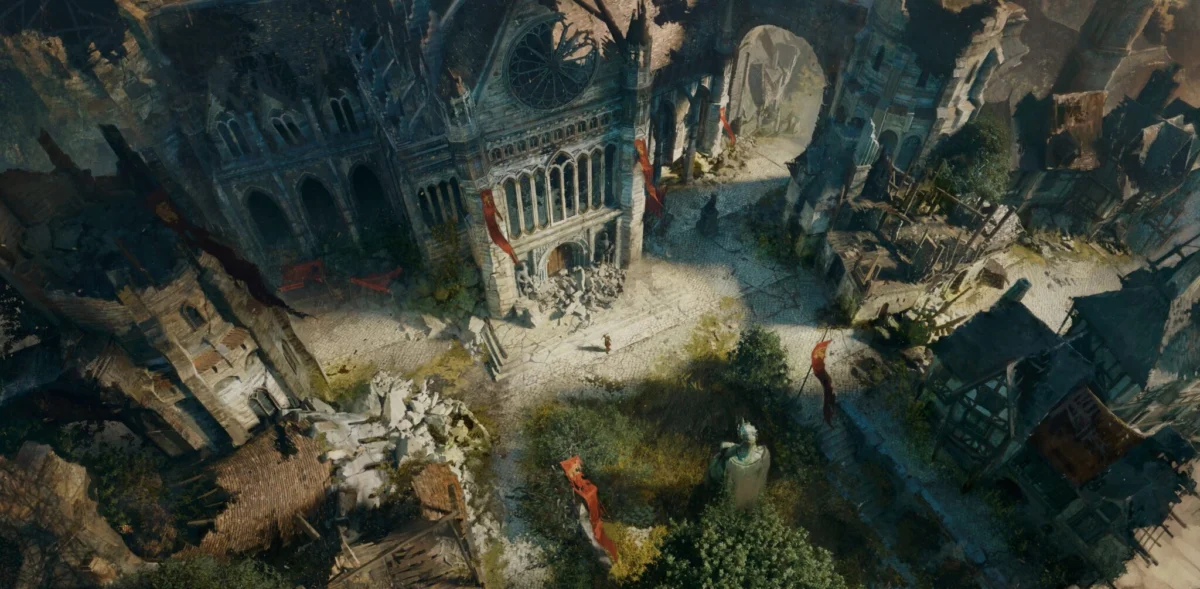
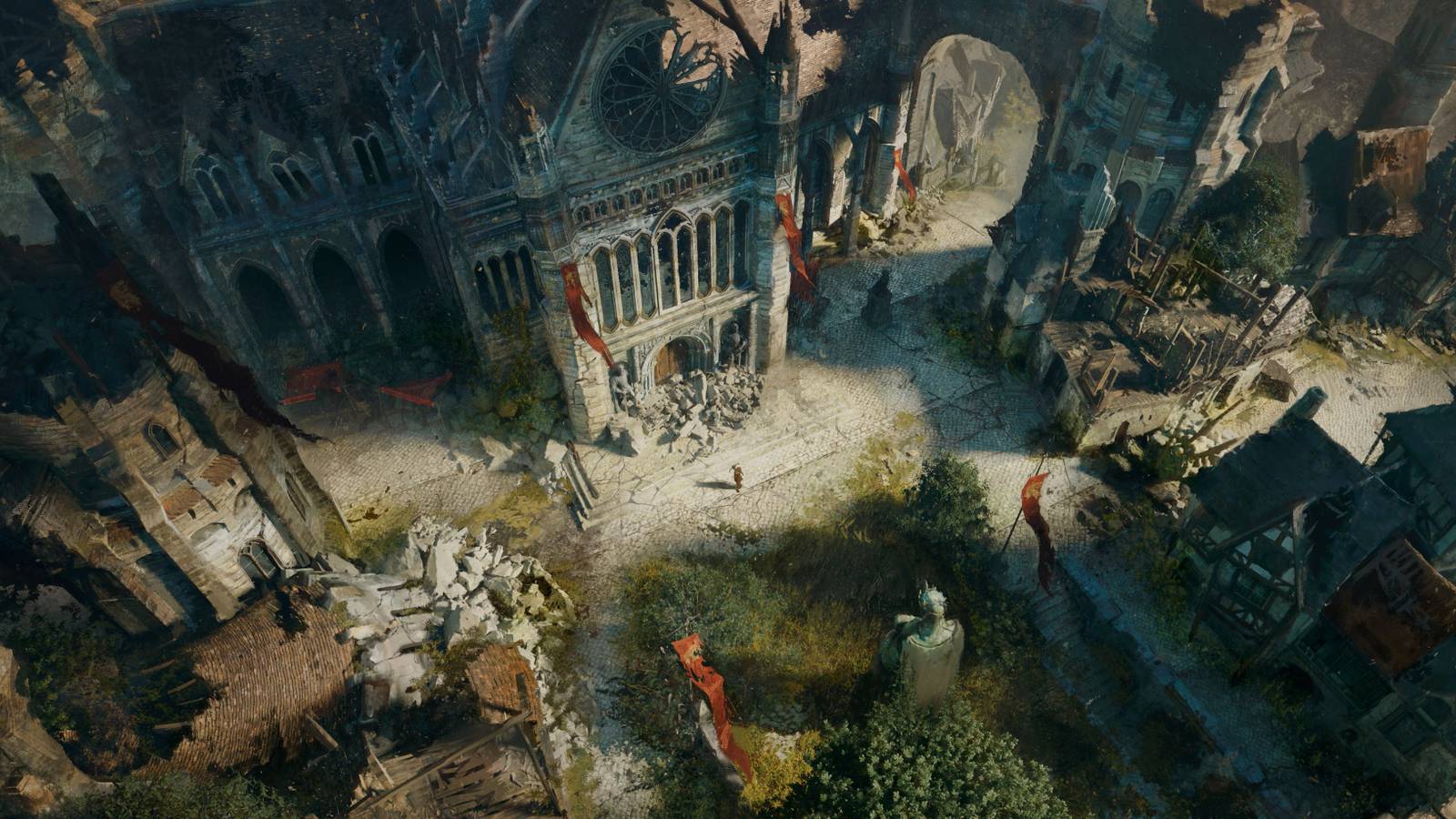
"You might encounter a ruined church, and that ruined church can be represented in different ways depending on the state of the region when you’re there," Shely explained. This ensures that the environment is not just random, but reactive. If a region is under the control of a specific boss, the tileset will reflect the corruption, altering the topography, enemy types, and loot tables accordingly.
The Return of the Overlay Map
Perhaps the most celebrated, albeit small, piece of news from the announcement was the return of the overlay map. In Diablo 4, the absence of an overlay map was a point of contention for months, with players forcing the developers to implement it via post-launch updates.

In Diablo 5, the overlay map is a day-one feature. Given the nature of a procedurally generated world, a mini-map would be insufficient for navigating complex, shifting labyrinths. By allowing players to toggle a transparent map over their gameplay, Blizzard is signaling a return to the high-intensity, "speed-running" style of play that long-term fans have been craving.
Addressing the "Repetition" Fear
With procedural generation comes the inevitable risk of repetition. Critics of titles like Starfield have often pointed to the "copy-paste" feeling of procedurally generated planets, where landmarks begin to look identical after a few hours of play.
When pressed on how Diablo 5 avoids this "pile of blocks" syndrome, Shely was adamant about the intentionality of the design. "There’s a balance between those two things that creates that sense [that] it’s not just like we grabbed a pile of blocks and dumped them out on the floor," he stated.
The strategy relies on three pillars:
- High-Fidelity Assets: Using modern rendering techniques to ensure that even shared structural tiles have unique decorative and lighting variations.
- Contextual Logic: Tiles don’t just spawn; they are placed based on the "Dread Commander" influence, meaning the world state dictates the visual theme.
- Density Over Breadth: Rather than infinite, empty space, the team is focusing on smaller, hyper-dense regions where the procedural variance is more impactful.
Implications for the Future of the Genre
The decision to embrace procedural generation again is a tacit admission that the "MMO-lite" approach of Diablo 4 may have strayed too far from the series’ core identity. By prioritizing the experience of exploration over the persistence of the map, Blizzard is betting that players want to feel lost again.

The implications for the genre are massive. If Diablo 5 succeeds, it will prove that modern, high-budget RPGs can combine the graphical fidelity of contemporary open-world titles with the infinite replayability of old-school procedural design.
As the industry watches, the pressure is on for Blizzard to deliver. With a release date slated for 2029, the studio has ample time to refine these systems. However, the mission is clear: the developers are trying to build a world that is not only worth saving but worth discovering—over and over again. The ghosts of the original Diablo are clearly guiding the design of the fifth, and if the early word from BlizzCon is any indication, the fans are more than ready to step back into the shifting shadows of Sanctuary.