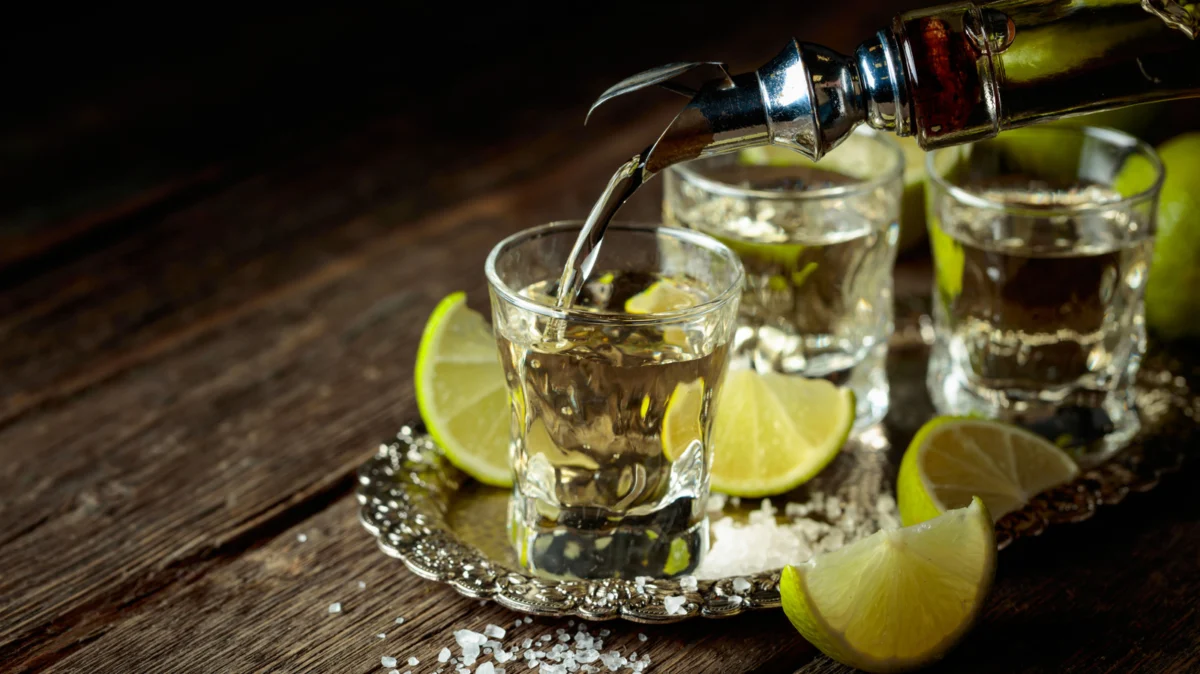
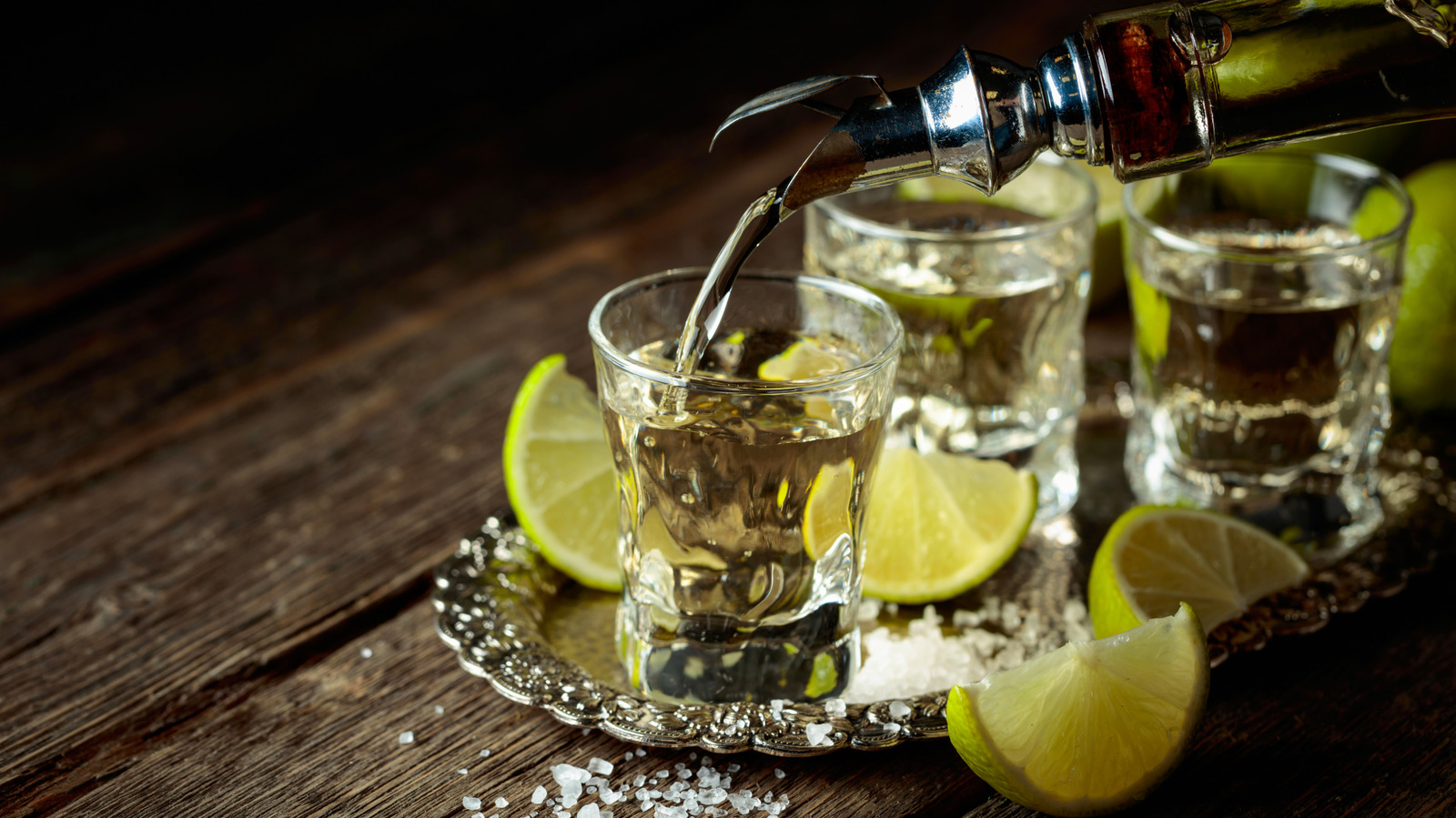
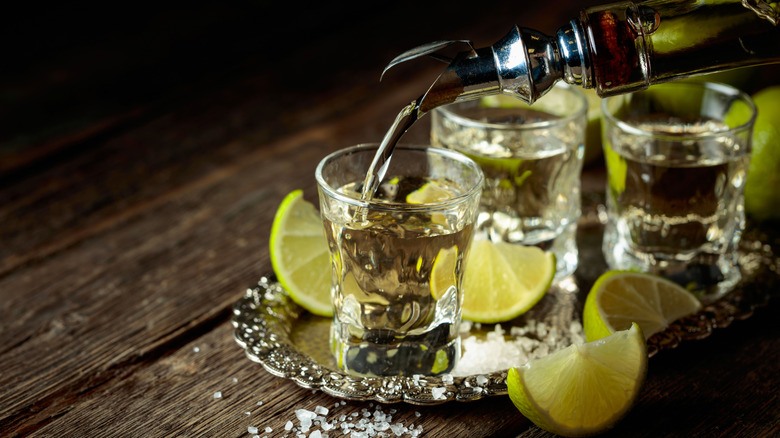
For decades, the cultural perception of tequila was hindered by a "shoot-and-shudder" reputation. It was a spirit relegated to frantic Saturday nights, often accompanied by the aggressive sting of cheap salt and the puckering bitterness of a lime wedge—a ritual designed less for appreciation and more for distraction. Today, however, that narrative has shifted entirely. As the global palate for agave spirits matures, the industry is witnessing a renaissance of craftsmanship, terroir-focused production, and artisanal heritage.
The modern tequila drinker is no longer looking for a quick, harsh burn; they are seeking nuance, minerality, and the complex, cooked-agave sweetness that defines a truly world-class spirit. We spoke with industry experts, bar managers, and consultants to identify the brands that aren’t just occupying shelf space, but are actively defining the new "top shelf."
The Shift in Philosophy: From Commodity to Craft
The evolution of tequila can be traced through the industry’s departure from mass-produced, industrial-grade spirits toward "additive-free" and traditional production methods. While the legal definition of tequila allows for certain additives to mask imperfections, the brands favored by today’s bartenders prioritize transparency.
"When we talk about upgrading, we aren’t just talking about a higher price tag," says Mike Lopez, Director of Food and Beverage at Luna Roja. "We are talking about a return to the roots—deep well water, tahona-crushed agave, and long, slow fermentation processes. These are spirits that respect the land they come from."
The Bartender’s Curated Selection: Premium Brands to Know
1. Lalo: The Purist’s Benchmark
Lalo Tequila has rapidly become a ubiquitous presence in top-tier bars. Known for its stark, clean, and minimalist aesthetic, the brand distinguishes itself by producing only one expression: a blanco. By eschewing the complex barrel-aging processes of its peers, Lalo focuses on the purity of its ingredients—Highland agaves, Champagne yeast, and deep well water.
"Lalo is clean, agave-forward, and honest," explains Lopez. "It doesn’t hide what tequila is supposed to taste like. You get the cooked agave, the bright citrus, and the subtle minerality without any artificial sweetness."
2. Komos: Luxury as a Statement
For those who view their spirits as both a drink and an aesthetic experience, Komos Tequila is the definitive choice. "Run, don’t walk," says Mia Mastroianni, a renowned consultant for "Bar Rescue." Komos utilizes French Oak wine barrels to finish its expressions, resulting in a nuanced, silken texture that challenges the traditional flavor profiles of tequila.
Beyond the liquid, the brand’s ceramic decanters are designed to be reused, acting as a functional piece of art for the home bar. Mastroianni notes that while the brand is luxurious enough to sip neat, it elevates any cocktail it touches.
3. Cazcanes: A Commitment to Terroir
Cazcanes has earned a reputation for "authentic craftsmanship" due to its rigorous control over its water source—volcanic spring water from the Navichi Springs. According to Dylan Harris, bar manager at The Blackdoor Steakhouse, the brand represents a "dedication to origin." Whether it is their Rosa Reposado, aged in French Cabernet barrels, or their high-proof expressions, Cazcanes maintains a bold, vibrant profile that appeals to those who demand complexity in every pour.
4. Tequila Ocho: The Vineyard Approach
Tequila Ocho is a masterclass in the concept of terroir. By treating agave like wine grapes, the brand produces "vintages" that are specific to the field where the agaves were harvested. "Each batch tells a story of its geography," says Lopez. "One year, you might get heavy herbal notes; the next, it’s all spice and citrus. It changes the way you think about what’s in your glass."
5. Volcán de Mi Tierra: Bridging Heritage and Innovation
Volcán de Mi Tierra stands out for its diverse portfolio, ranging from approachable blancos to the ultra-luxury Hacienda La Gavilana First Edition. Their commitment to tradition—using both tahona-crushed and roller-mill agave—results in a balanced, sophisticated spirit. As noted by Gustavo Rojas of The Pony Room, "Presentation and partnerships (such as their link to Moët Hennessy) are great, but the liquid itself has to support the image. Volcán delivers that in spades."
Chronology of Quality: The Evolution of Production
To understand why these brands are "worth the upgrade," one must look at the timeline of production evolution:
- 1900s–1950s: The era of traditional, artisanal production. Small family distilleries use brick ovens and stone tahonas.
- 1960s–1990s: Industrialization takes over. The rise of diffusers, chemical additives, and high-speed production leads to a homogenization of tequila flavor.
- 2000s–2015: The "Craft Agave" movement begins. Small-batch producers like Fortaleza and the revitalized Cascahuín start to gain traction among industry professionals.
- 2016–Present: The "Transparency Age." Consumers and bartenders demand additive-free labels, sustainable farming, and clear disclosure of distillation methods. Brands like Lalo and The Lost Explorer emerge to satisfy this demand.
Supporting Data: Why Price Correlates with Process
The price disparity between a bottom-shelf bottle and a premium "upgraded" bottle is rarely just marketing. It is rooted in labor and time:
- Agave Maturity: Premium brands typically wait 6–9 years for an agave to reach peak maturity, whereas industrial producers may harvest younger, lower-sugar plants.
- Cooking Time: Traditional brick ovens take 48–72 hours to cook agave, compared to the 8–12 hours of high-pressure autoclaves.
- Distillation: Copper pot stills require human intuition and monitoring, whereas continuous column stills are automated for volume rather than flavor.
Official Responses and Industry Outlook
The consensus among the experts consulted is clear: the market is trending toward "less is more." When asked about the future of the category, bartenders emphasize the importance of education.
"We want our guests to ask where the agave is from," says Lucas Assis, an agave educator. "Brands like Cascahuín and Don Fulano are successful because they don’t treat their product as a commodity. They treat it as a craft, and the consumer is finally beginning to recognize that difference."
Implications for the Modern Consumer
What does this mean for the person standing in the liquor aisle? It means the era of the "blind buy" is ending. Consumers are encouraged to look for "100% Blue Weber Agave" labels, investigate whether a brand uses a tahona, and prioritize smaller, family-owned distilleries.
Whether you are mixing a sophisticated ranch water or pouring a dram of aged añejo to celebrate a milestone, the choice of brand dictates the quality of the memory. The brands mentioned—from the art-forward Komos to the terroir-driven Tequila Ocho—are not just selling a spirit; they are preserving a history of agriculture and distillation that was nearly lost to the convenience of mass production.
As you upgrade your bar, remember the advice of those who spend their lives behind the stick: "Don’t just look at the label. Look at the process. Great tequila isn’t made in a laboratory; it’s made in the field and the oven. Sip slowly, savor the complexity, and respect the agave."