For the modern kitchen enthusiast, Pyrex is synonymous with vibrant, patterned mixing bowls and the sturdy, heat-resistant storage containers that occupy nearly every household refrigerator. However, buried deep within the annals of 20th-century industrial design lies a more utilitarian, yet equally iconic, relic: the Pyrex stovetop percolator. While it lacks the iconic "Butterprint" or "Friendship" patterns that define the brand’s collectible dinnerware, the Pyrex percolator represents the pinnacle of mid-century functionalism—a marriage of chemistry-grade glass and brewing science that continues to captivate both coffee purists and vintage design collectors today.
The Anatomy of an Icon: Main Facts and Design Philosophy
The Pyrex percolator is a study in minimalist engineering. Produced primarily between the 1930s and the late 1940s, these units were crafted from borosilicate glass—a material famously resistant to thermal shock, which allowed it to withstand the direct heat of a stovetop burner.
Unlike the complex, pressure-driven mechanisms of modern espresso machines or the delicate paper filters of a pour-over setup, the Pyrex percolator operates on the simple, reliable physics of gravity and heat. The unit consists of five distinct components: the main carafe, a matching lid, a glass stem, and two metal straining pieces.
Collectors generally identify two primary variations: the "Flameware" line, which features a straight handle, and the later iterations, which boast a curved, contoured handle designed for ergonomic pouring. These designs were intentionally devoid of the colorful flourishes that would later define the Pyrex aesthetic, favoring instead the purity of transparent glass. This aesthetic choice was not merely a stylistic preference; it was a deliberate nod to the "form follows function" ethos that dominated industrial design in the post-Depression era.
A Chronology of the Percolator Era
The history of Pyrex is intrinsically linked to Corning Glass Works, the company that developed the borosilicate technology. In the 1930s, as the United States navigated the economic hardships of the Great Depression, the domestic kitchen became a place where efficiency and durability were paramount.
- 1930s: The introduction of the straight-handled Pyrex percolator provided a cost-effective, high-quality solution for the American household. At a retail price of just $1.79, it was an accessible luxury.
- 1940s: As the mid-century modern aesthetic began to solidify, Pyrex refined its design language. The introduction of the contoured handle marked a shift toward sleeker, more organic lines, mirroring the design trends popularized by figures like Charles and Ray Eames.
- Late 1940s–1950s: The percolator line saw various iterations, including limited runs of the Platinum Banded Corning coffee makers, which attempted to elevate the utilitarian glass into a more "formal" dining accessory.
- The Transition: By the 1960s, the rise of the electric drip coffee maker began to erode the market share of the stovetop percolator. Convenience began to trump the ritual of the stove, and production of these glass masterpieces gradually slowed, cementing their status as historical artifacts.
The Brewing Ritual: Why It Still Matters
The enduring appeal of the Pyrex percolator is not solely based on nostalgia; it is based on the quality of the coffee it produces. In an age of convenience-driven coffee, many enthusiasts have returned to the percolator for its unique flavor profile.
"It really does make the best (and hottest!) cup of coffee," says one dedicated collector on Reddit. The sentiment is echoed by a growing community of "Buy It For Life" advocates. The secret lies in the lack of synthetic materials. Because the brewing process happens almost entirely within glass—with only minimal, non-reactive metal parts—the coffee is not tainted by the plastics or bleached paper filters found in modern machines.
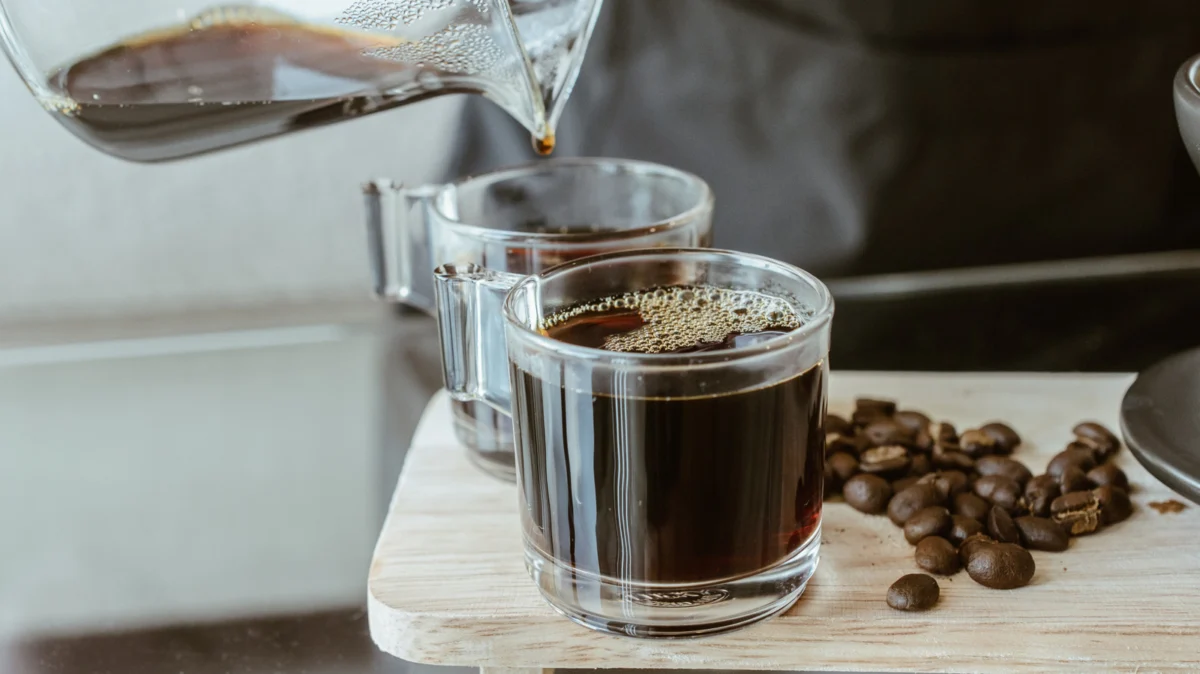
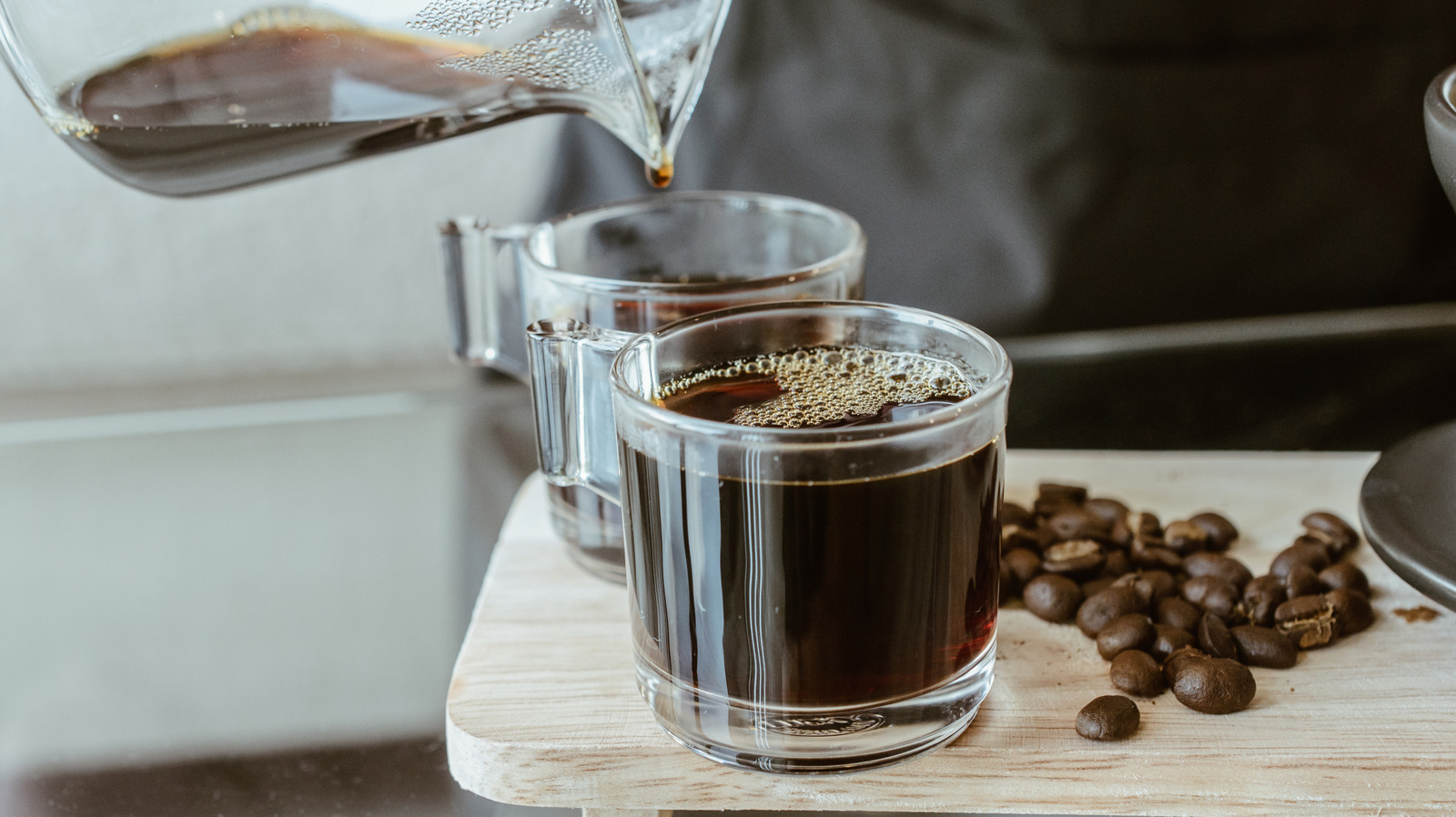
When used with freshly roasted, coarsely ground beans, the Pyrex percolator allows for a robust, full-bodied extraction. The process is a tactile one: the rhythmic "perking" sound, the visual transition of the water from clear to a rich mahogany, and the physical act of lifting the pot from the burner create a sensory experience that modern, automated machines simply cannot replicate. Furthermore, the versatility of the glass unit extends beyond coffee; it was marketed and remains capable of brewing tea, boiling water, and even distilling liquids, making it a "multi-tool" of the kitchen.
Market Valuation and Collectibility
The transition of the Pyrex percolator from a household appliance to a high-value collectible is a testament to the surging interest in mid-century artifacts. While these units originally sold for less than two dollars, their value in the current secondary market has skyrocketed.
Depending on the rarity of the handle style, the condition of the glass (checking for "flea bites" or micro-cracks is essential), and the presence of the original metal hardware, prices now range from $50 for standard, well-loved pieces to over $200 for pristine, large-capacity units.
For the prospective buyer, distinguishing between a vintage piece and a modern reproduction is critical. Experts recommend checking the "backstamp"—the small, etched logo on the base of the glass. Authentic vintage Pyrex will feature specific typeface variations and patent numbers that correlate with the mid-century manufacturing window. Those looking to invest should also be wary of "franken-pots"—units assembled from mismatched parts from different production years.
Implications: The Sustainability of Vintage Design
The fascination with the Pyrex percolator is part of a larger, systemic shift in consumer behavior. As modern society becomes increasingly aware of the environmental toll of "fast fashion" and disposable kitchen gadgets, there is a renewed appreciation for items that are designed to last a lifetime.
The Pyrex percolator is the antithesis of the modern "planned obsolescence" model. It does not have a circuit board to fry, a heating element that fails after two years, or plastic components that degrade in the dishwasher. It is, at its core, a simple, repairable, and durable tool.
When a user invests in a 70-year-old Pyrex percolator, they are participating in a circular economy. They are keeping a functional object out of a landfill and engaging with a piece of history that continues to perform its primary function with the same efficacy as the day it left the factory floor.
Final Thoughts: A Legacy in Glass
The Pyrex stovetop percolator serves as a bridge between two worlds: the laboratory precision of mid-century industrial science and the warmth of the home hearth. It reminds us that coffee is not just a caffeine delivery system, but a ritual—one that benefits from the transparency and purity of glass.
Whether you are a seasoned collector scouring estate sales or a coffee enthusiast looking to improve your morning brew, the Pyrex percolator offers a unique opportunity to own a piece of functional art. It is a humble reminder that sometimes, the most sophisticated design is the simplest one. As we continue to navigate a world of digital complexity, perhaps the most forward-thinking thing we can do is reach for a classic, glass percolator, turn up the flame, and listen for that familiar, rhythmic sound of a brew well made.