
Selling a home is one of the most significant financial transactions a person will undertake in their lifetime. Whether you are scaling down for retirement, relocating for a new career opportunity, or simply seeking a fresh start, the process requires more than just a "For Sale" sign in the yard. In the current economic climate of 2026, the housing market has shifted into a complex, buyer-friendly environment that demands a sophisticated, strategic approach.
As the market continues to recalibrate following the post-pandemic "freeze," homeowners must move past the expectations of the 2021-2022 frenzy. Today’s sellers face high interest rates, cautious buyers, and a volatile economic backdrop. However, for those willing to adapt, success remains well within reach.
The 2026 Market Reality: An Expert Perspective
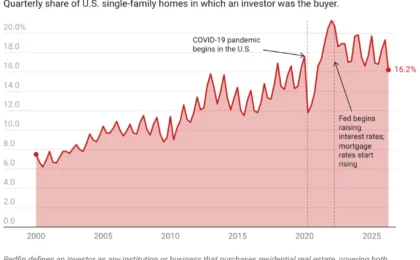
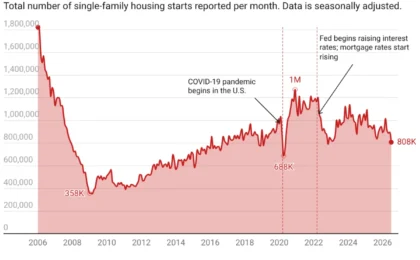
The housing market of 2026 is defined by a standoff between stubborn inflation, high mortgage rates, and a lingering sense of economic uncertainty. Daryl Fairweather, Chief Economist at Redfin, notes that the market has struggled to regain its pre-pandemic momentum.
"If you want to sell your house in 2026, you need a clear strategy," Fairweather explains. "The housing market has been effectively frozen, with both buyers and sellers deterred by high prices and volatile interest rates. This has resulted in sluggish sales and unusually slow spring and summer seasons. Most cities are firmly in buyer’s market territory, which grants house hunters significant leverage."
Fairweather’s advice to sellers is direct: "The right buyer is still out there, but they are discerning. To succeed, you must price your home accurately, remain flexible during negotiations, and invest in making your property stand out in a crowded, competitive pool of listings."
A Step-by-Step Chronology for the Modern Seller
Successfully offloading a property in this climate requires a disciplined, multi-stage process. Skipping steps or underestimating the preparation required can lead to a listing languishing on the market for months.
Phase 1: Preparation and Assessment
Before listing, you must view your home through the eyes of a critical buyer.

- The Pre-Listing Inspection: While traditional wisdom suggests the buyer handles the inspection, obtaining a pre-listing inspection is a strategic move in 2026. By uncovering hidden defects—such as foundation issues, aging HVAC systems, or roof damage—you regain control. Addressing these items upfront prevents the buyer from using inspection reports to demand significant price cuts or concessions later in the escrow process.
- Strategic Upgrades: Focus on high-impact, low-cost improvements. Kitchen and bathroom refreshes, fresh interior paint, and enhanced curb appeal remain the best return on investment. If liquidity is an issue, consider partnerships with firms like Notable, which offer financing for renovations and staging to help sellers increase their home’s market appeal.
Phase 2: Professional Representation
The "For Sale By Owner" (FSBO) route may seem tempting to save on commissions, but the data suggests it is often a false economy. Statistics from 2025 reveal that 91% of sellers chose to work with a professional agent.
A skilled agent provides more than just a listing on the Multiple Listing Service (MLS). They act as a buffer, a negotiator, and a market analyst. "Selling without an agent may sound like a cost-saving measure, but it often does you a disservice," says Fairweather. "Agents understand the local nuances of supply and demand, know how to handle the emotional toll of negotiations, and can navigate the complexities of today’s picky buyer pool."
Phase 3: Staging and Presentation
In the age of Zillow and Redfin, your home’s "first showing" happens online.
- Professional Photography: High-definition photography, complemented by drone shots and 3D virtual walkthroughs, is no longer a luxury—it is a requirement.
- Physical Staging: The objective is to create a "blank slate" that allows potential buyers to envision their own lives in the space. De-cluttering, depersonalizing family photos, and rearranging furniture to optimize flow can make a home feel larger and more inviting.
Phase 4: Pricing and Strategy
Pricing is a science, not an opinion. Listing too high in hopes of finding a "perfect buyer" often results in the property going stale.
- The Comparative Market Analysis (CMA): Work with your agent to analyze recent sales of "comps" (comparable homes) within a half-mile radius.
- Market Data: Use platforms like Redfin’s data center to track local inventory levels. If supply is high and demand is low, your pricing must be aggressive to capture attention immediately upon listing.
Supporting Data: The Cost of Waiting
The data for 2026 paints a clear picture of the current pace. As of September 2026, the typical home spends 51 days on the market before going under contract. When you factor in the closing process, the journey from "Listed" to "Sold" often stretches to 79 days or more.
Furthermore, over 35% of sellers in early 2026 were forced to execute price cuts. This statistic highlights a fundamental mismatch between seller expectations and buyer affordability. Many sellers are still anchored to the 2022 pricing model, failing to realize that the combination of elevated mortgage rates and cooling demand has fundamentally altered the value proposition.
Navigating Challenges and Negotiating the Deal
Even with perfect preparation, obstacles are common. Financing can fall through, appraisal gaps can emerge, and inspection results can threaten a deal.

Common Hurdles
- Inspection Surprises: Even minor issues can cause a buyer to walk away if they are already feeling "buyer’s remorse."
- Appraisal Gaps: In a cooling market, homes may not appraise for the agreed-upon contract price. Sellers must be prepared to negotiate the difference or risk the deal failing.
- Financing Hurdles: With fluctuating interest rates, a buyer’s mortgage pre-approval can be jeopardized by changes in their personal financial status or broader market shifts.
The Art of Negotiation
Negotiation is where a top-tier agent earns their keep. In the current market, buyers are often asking for "concessions," such as mortgage rate buydowns or assistance with closing costs.
For example, a seller might agree to pay for a "2-1 buydown" for the buyer, which lowers the buyer’s interest rate for the first two years. While this costs the seller money upfront, it often keeps the sale price higher and moves the house faster than a direct price reduction would.
Note on Commissions: As of August 2024, industry standards for real estate commissions have shifted. Commissions are now agreed upon separately by the buyer and seller, and listing agents are prohibited from advertising these on the MLS. While this has caused some industry concern, early data suggests that the fundamental structure of buyer-agent compensation has remained largely stable.
Implications: A Call for Flexibility
The implications of the 2026 market are clear: the era of "easy money" and passive selling is over. To successfully sell a home today, one must be a proactive participant in the process.
If your home remains on the market for 60+ days without an offer, it is a signal that your strategy needs adjustment. Options include:
- Relisting: Sometimes, removing a property from the market for two weeks and re-introducing it at a corrected price can refresh the listing’s appeal.
- The Rental Option: If you are not in a position to lower your price, consider renting the property to build equity while you wait for market conditions to improve.
Final Thoughts: The Path Forward
Selling a home in 2026 is undoubtedly a challenge, but it is far from impossible. The process rewards those who are patient, realistic, and well-informed. By focusing on what you can control—the presentation of your home, the accuracy of your pricing, and the quality of your representation—you can navigate the turbulence of the current market.
The housing market will always be cyclical. While the current conditions favor the buyer, every home is unique, and every local market behaves differently. Engage with a local professional, conduct your due diligence using reliable real-time data, and keep your expectations aligned with the current economic reality. With the right strategy, your transition to your next home can be a success.