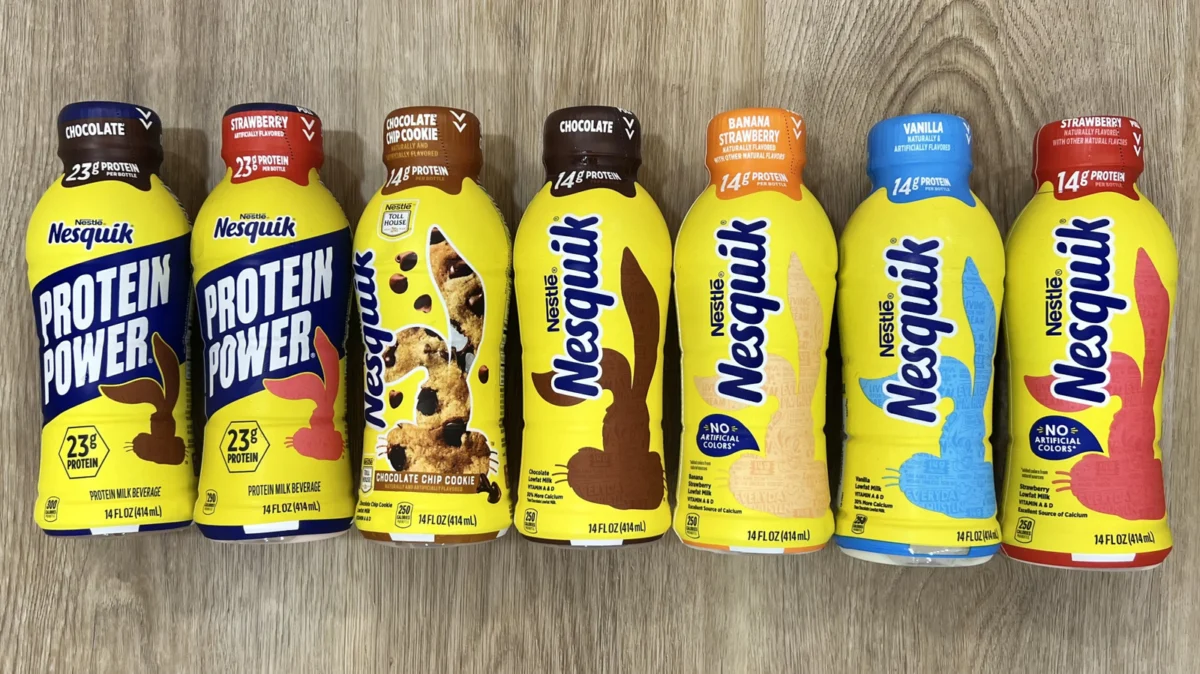
For generations, the iconic floppy-eared rabbit known as Quicky has been a fixture of the dairy aisle. Since the debut of the Nestle Quik powder in 1948, the brand has evolved from a simple kitchen pantry staple into a global powerhouse of ready-to-drink (RTD) flavored milks. Launched in 1983, the bottled version of Nesquik became a cultural touchstone for children of the ’80s and ’90s, cementing a legacy that persists in modern lunchboxes and gym bags alike.
Today, the landscape of flavored milk has shifted significantly. Driven by a consumer demand for both convenience and functional nutrition, the Nesquik portfolio has expanded well beyond the classic chocolate and strawberry offerings. But does the modern lineup live up to the nostalgic expectations of its base, or has the brand stretched itself too thin in pursuit of the "protein craze"? To find out, we conducted a rigorous sensory analysis of seven readily available Nesquik flavors, evaluating them on the critical metrics of flavor profile, consistency, and overall drinkability.
The Evolution of a Dairy Icon: A Brief Chronology
The history of Nesquik is a study in brand endurance. While the chocolate powder—originally branded as "Nestle Quik"—was the primary vehicle for the brand’s success for over three decades, the 1980s marked a pivot toward portability.
- 1948: Nestle introduces the Quik chocolate powder, revolutionizing the way households consumed milk.
- 1983: The company launches the first line of ready-to-drink (RTD) bottled milks, tapping into the convenience-first market of the decade.
- 1999: The brand officially adopts the global name "Nesquik" to align its identity across international markets.
- 2010s–Present: The "Protein Power" line is introduced to compete with specialized recovery drinks, utilizing the brand’s established trust in the dairy category to capture a fitness-conscious demographic.
Methodology: The Science of the Sip
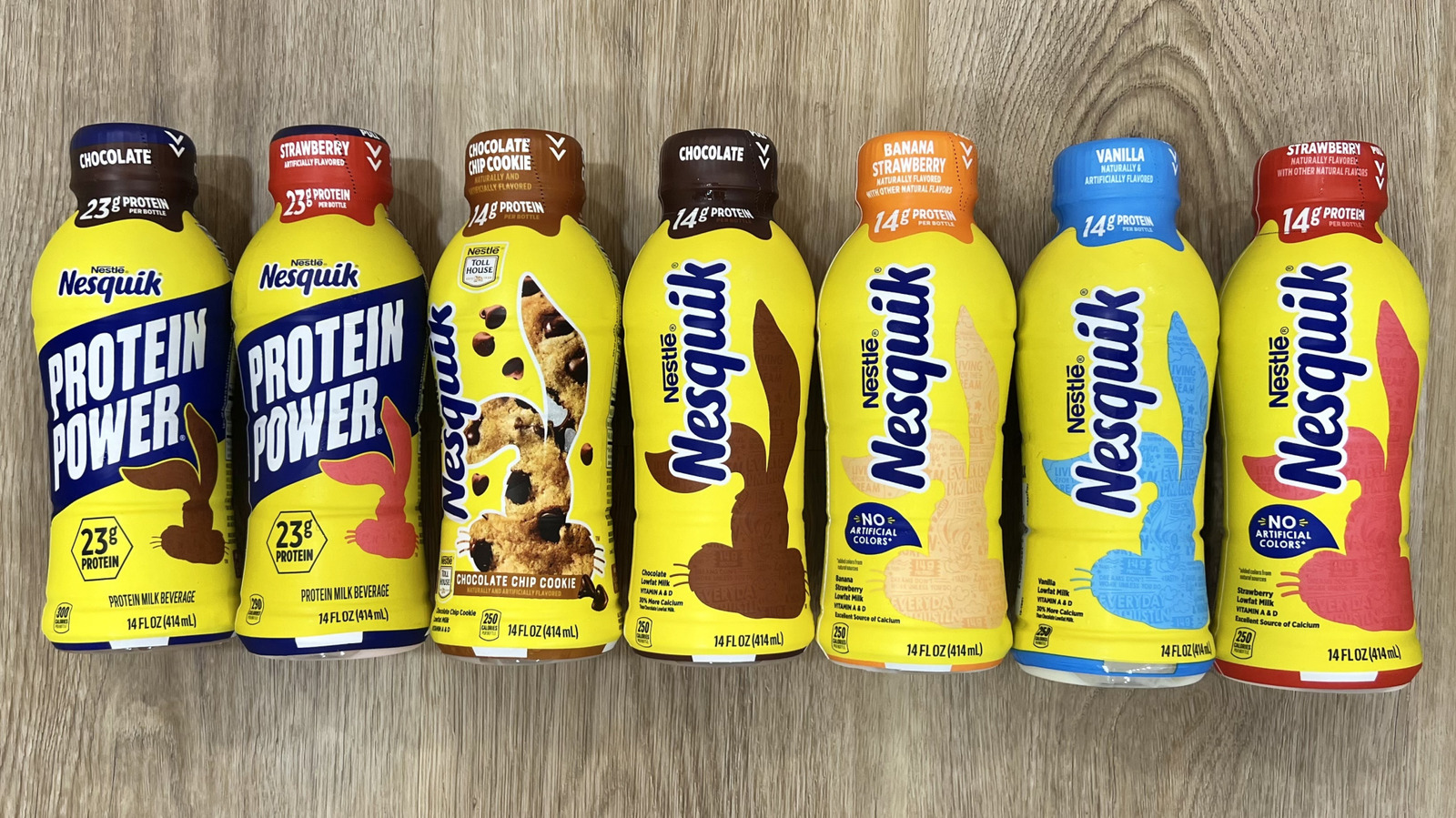
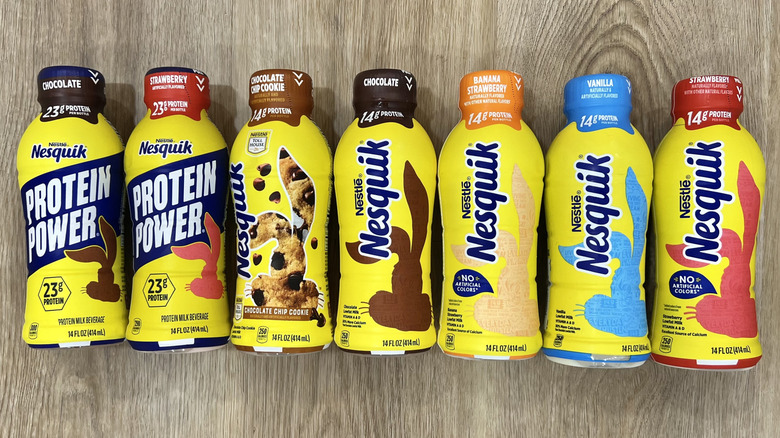
To provide a comprehensive assessment, our testing team sourced seven distinct 14-ounce bottles of Nesquik from various retail outlets, including supermarkets and convenience stores. The price point for these units ranged from $2.29 to $2.69.
The ranking criteria were centered on two primary variables: viscosity (consistency) and flavor balance. In the dairy world, the mouthfeel is as critical as the taste; a product that is too thin feels watered down, while excessive thickness can mimic the texture of heavy yogurt, which is often unappealing in a beverage intended for quick consumption. Furthermore, we assessed the sweetness levels, looking for profiles that provided a nostalgic hit without descending into the territory of cloying artificiality.
The Ranking: From Least to Most Impressive
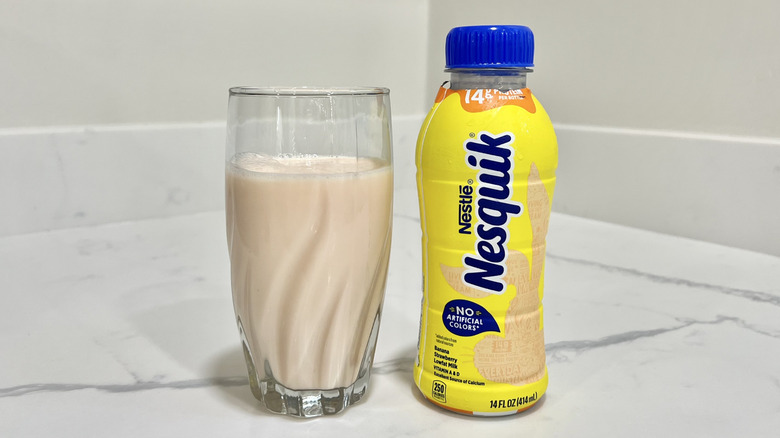
7. Strawberry Protein Power
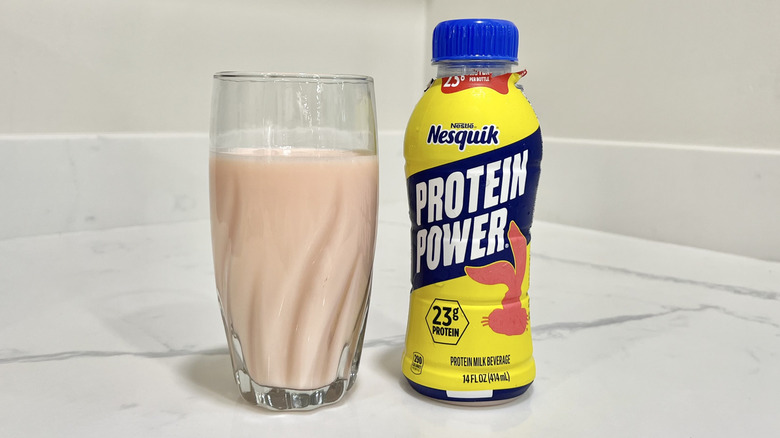
While the protein trend is undeniable, it is not always a seamless fit for every flavor profile. The Strawberry Protein Power bottle contains 23 grams of protein compared to the 14 grams found in standard versions. However, the trade-off is significant. The consistency is overly thick, bordering on a drinkable yogurt, and the added sugar (19 grams) creates an overwhelming sweetness. Lacking any real fruit notes, this version fails to justify its existence as a refreshing beverage.
6. Banana Strawberry
A polarizing entry in the lineup, the Banana Strawberry blend is difficult to find and perhaps even more difficult to categorize. It avoids the "fake fruit" chemical taste often found in lower-tier flavored milks, yet it lacks a cohesive identity. It mimics the flavor of a smoothie without the satisfying density of one, landing in a middle ground that feels like a novelty rather than a staple.
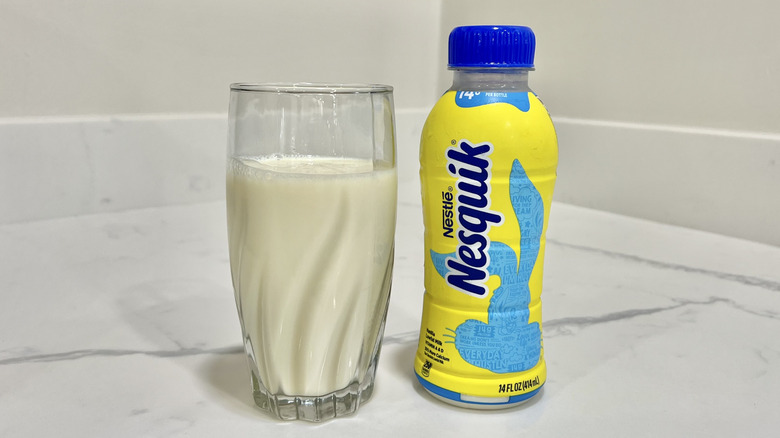
5. Vanilla
Vanilla is the "plain Jane" of the flavored milk world, but in the case of Nesquik, it performs admirably. It tastes strikingly similar to melted vanilla ice cream or a classic diner shake. It avoids the chalky aftertaste common in synthetic vanilla products. While it lacks the complexity of the brand’s cocoa-based offerings, it serves as a clean, sweet, and effective palate-cleanser.
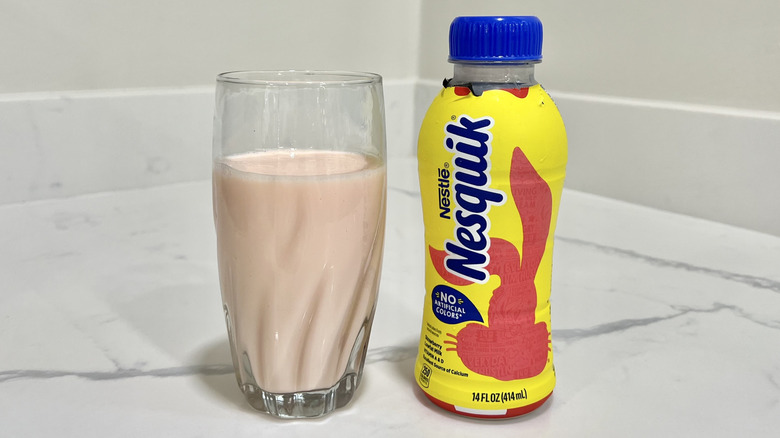
4. Strawberry
The standard Strawberry Nesquik remains a nostalgic triumph. It features a recognizable, soft pink hue—achieved via beta-carotene rather than artificial dyes—and a flavor profile that evokes childhood memories without being overly aggressive. While it is undeniably sweet, it remains the gold standard for fruit-flavored dairy.
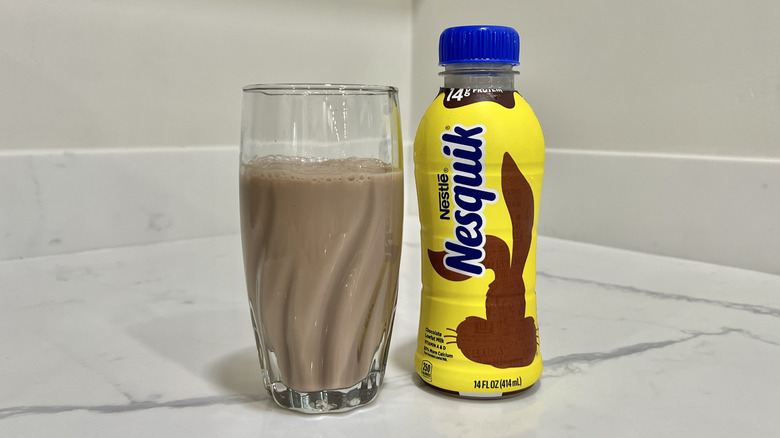
3. Chocolate
The original champion, the standard Chocolate Nesquik, holds the third spot for its consistency and reliability. It is remarkably "chuggable," with a velvety texture that defines the category. While it does not boast the highest cocoa content on the market, it balances its sweetness with a nostalgic cocoa profile that is difficult to replicate. It is a classic for a reason.
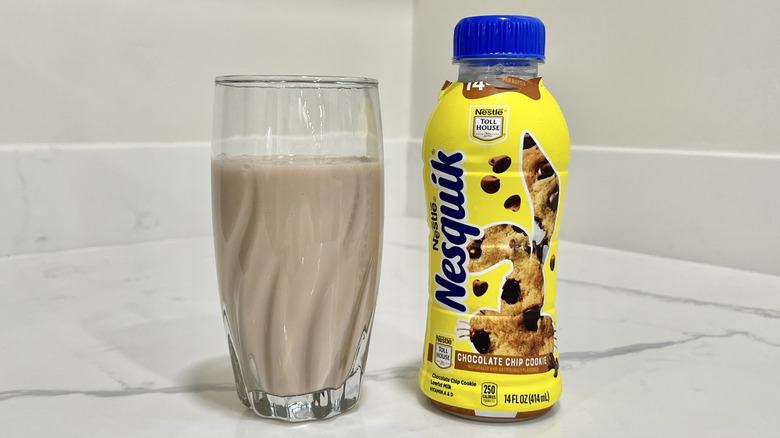
2. Chocolate Chip Cookie
A surprising runner-up, this flavor highlights the success of the brand’s partnership with Nestle Toll House. It successfully captures the essence of brown sugar and baked goods, reminiscent of the milk left over after a bowl of cookie-themed cereal. It is sophisticated, satisfying, and offers a more complex flavor experience than the original chocolate.
1. Chocolate Protein Power
The winner of our ranking is a testament to the brand’s ability to innovate without losing its roots. Unlike its strawberry counterpart, the Chocolate Protein Power is exceptionally balanced. The extra protein seems to enhance the texture, providing a richness akin to European-style hot chocolate. It is indulgent, devoid of any "protein powder" grit, and provides a significant nutritional boost without sacrificing the classic flavor profile that made the brand a household name.
Supporting Data and Nutritional Implications
The modern consumer is increasingly focused on the "macro" breakdown of their snacks. As noted, the Protein Power line provides a significant leap in protein content (23g vs 14g per serving). However, this comes with a caveat: the added sugar content remains relatively high across the board.
For the average consumer, these drinks serve as a "treat" rather than a daily health supplement. The use of real milk as a base ensures a steady supply of calcium and Vitamin D, but the inclusion of various stabilizers and sweeteners positions these products firmly in the "dessert-adjacent" category of the beverage market.
Official Responses and Industry Context
Nestle has faced scrutiny over the years regarding the sugar content in its flavored milks. In response to global health initiatives, the company has periodically reformulated its recipes to reduce sugar and remove artificial colors in specific markets. Despite these changes, the brand remains committed to its core identity: providing comfort and nostalgia.
In recent industry reports, the "RTD Dairy" segment has shown resilience, largely due to the demand for "on-the-go" protein. By positioning its Chocolate Protein Power as both a recovery drink and a nostalgic indulgence, Nesquik has successfully bridged the gap between the gym and the school lunchroom.
Future Implications for the Dairy Market
The success of the "Chocolate Chip Cookie" and "Chocolate Protein Power" variants suggests that the future of flavored milk lies in two directions: experiential flavors and functional fortification. Consumers are no longer satisfied with the basic "chocolate or strawberry" binary. They want beverages that offer a unique sensory experience (like the cookie-infused milk) or a specific physiological benefit (like high-protein recovery).
As Nesquik continues to navigate the shifting preferences of Gen Z and Alpha, it must maintain the delicate balance between the "childhood nostalgia" that built its empire and the "functional nutrition" that will secure its future. For now, the bunny is still hopping, and as our ranking shows, when it comes to the chocolate-based varieties, the brand is still very much at the top of its game.