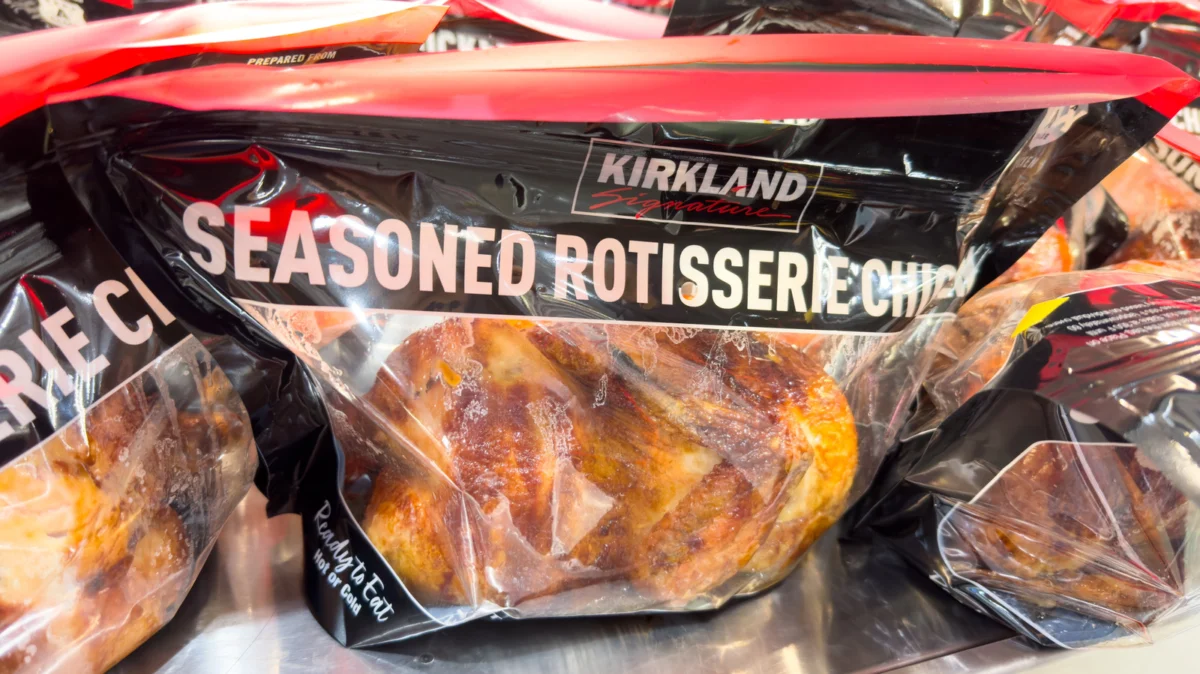
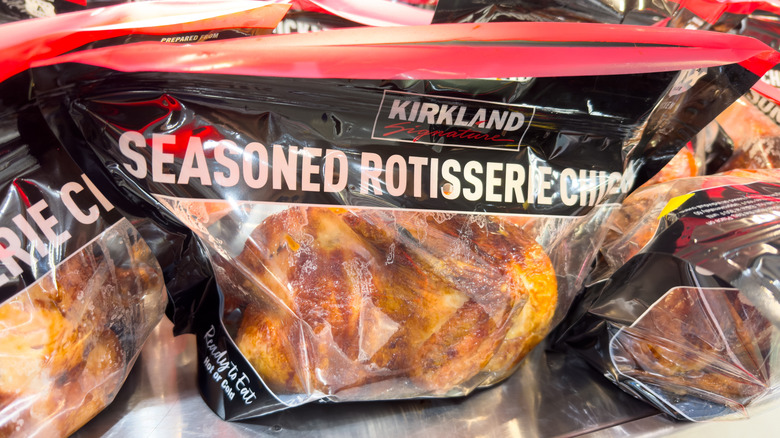
For millions of Costco members, the scent of seasoned, slow-roasted poultry serves as an unofficial compass, guiding shoppers through the labyrinthine aisles of the wholesale giant. The Kirkland Signature rotisserie chicken has long transcended its status as a mere grocery item; it is a cultural icon, a loss leader of legendary proportions, and a staple of the modern household budget. According to the company’s 2025 fiscal year shareholders report, this commitment to the humble bird reached unprecedented heights, cementing its role as the undisputed king of the Costco deli.
The Staggering Scope: A Year in Numbers
The scale of Costco’s rotisserie chicken operation is difficult to comprehend until the data is laid bare. In 2025, the wholesale retailer sold a staggering 157.4 million rotisserie chickens globally. To put this in perspective, with approximately 81 million households enrolled in Costco memberships worldwide, this equates to an average of nearly two chickens per household annually.
The operational logistics required to sustain this demand are immense. On any given day, Costco stores collectively produce and sell over 431,000 birds. Given that each chicken averages three pounds, the company moved roughly 472.2 million pounds of product in 2025. If one were to calculate the revenue generated at the standard United States price point of $4.99 per unit, the total sales figure for these chickens alone would exceed $785.4 million—a figure that represents only a fraction of the company’s gargantuan $269.9 billion in total fiscal year sales.
A Chronology of the "Loss Leader" Strategy
The history of the Kirkland Signature rotisserie chicken is one of strategic patience. Costco began its aggressive push into hot prepared foods decades ago, realizing that the key to membership retention was providing high-value items that couldn’t be easily replicated at the same price point by local competitors.
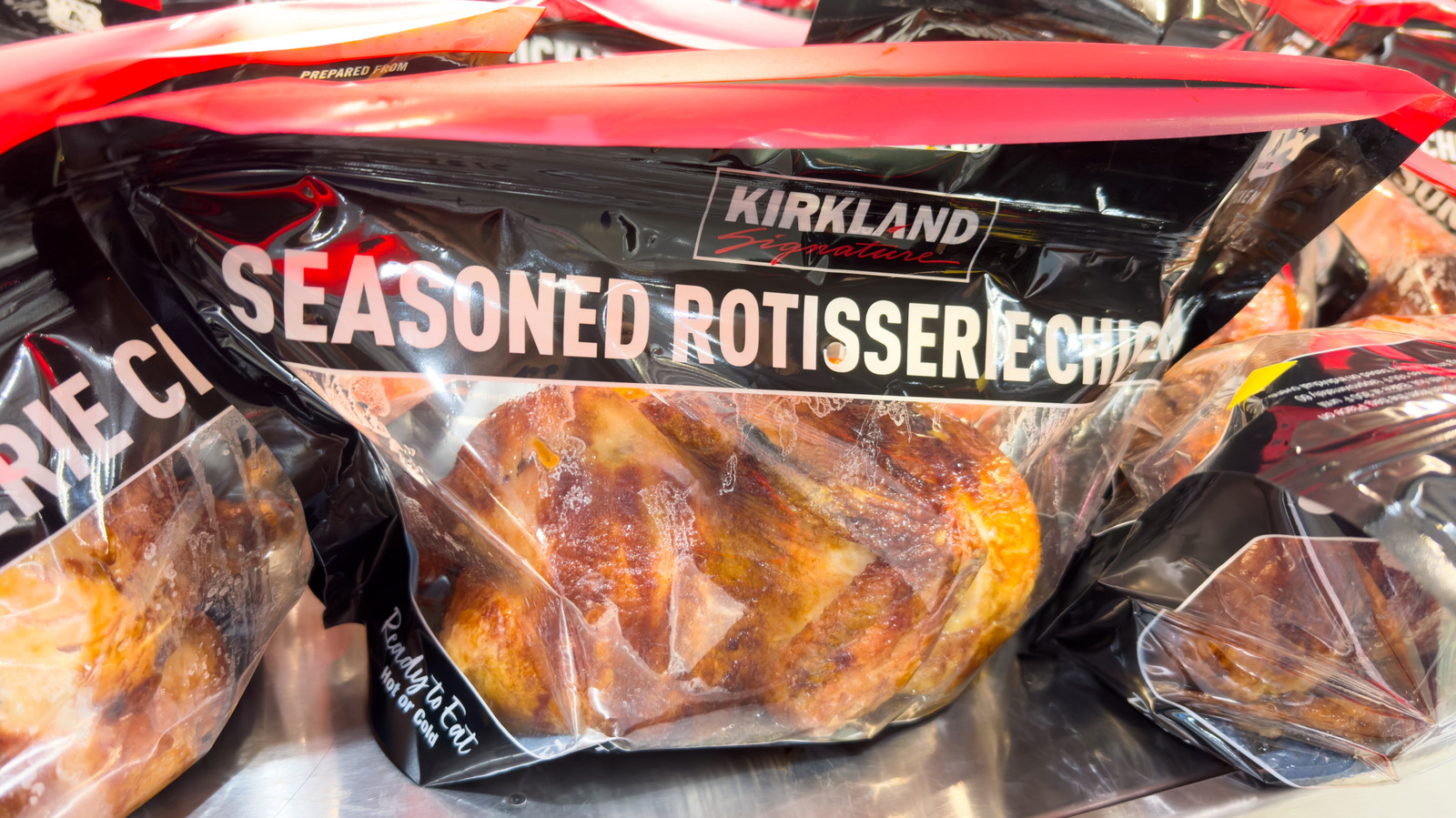
- The Early Years: Costco established the $4.99 price point early in its expansion, resisting the temptation to raise prices despite fluctuating poultry costs and inflation. This decision was largely driven by the philosophy of "loss leadership"—the idea that keeping a popular item artificially cheap drives foot traffic into the store, where members inevitably spend money on higher-margin goods.
- Expansion (2010–2020): As Costco expanded its international footprint, the rotisserie chicken became a symbol of the brand’s global consistency. In 2020, the company moved to fully verticalize its supply chain, opening its own massive poultry processing facility in Nebraska. This move was designed to ensure quality control and protect the $4.99 price point from the volatility of the wholesale chicken market.
- The 2025 Milestone: In 2025, the data confirmed that the strategy remains as effective as ever. While the company faces pressure to adjust pricing due to labor costs and energy expenses, the executive team has famously held the line on the chicken price, viewing it as a core "value proposition" that keeps members renewing their subscriptions year after year.
Supporting Data: Chicken vs. The Hot Dog
While the rotisserie chicken is the heavyweight champion of the deli, it occupies an interesting position in the broader Costco ecosystem. It is frequently compared to the other titan of the Costco food court: the $1.50 hot dog and soda combo.
In 2025, the hot dog combo was sold 245.1 million times, eclipsing the rotisserie chicken in sheer unit volume. However, the chicken represents a more significant investment in labor and food safety infrastructure. While the hot dog is a pre-manufactured commodity, the rotisserie chicken requires on-site seasoning, monitored cooking cycles, and strict adherence to strict shelf-life standards. The two items combined form the "Costco Value Floor," ensuring that regardless of economic conditions, the average member feels their membership fee is justified by the savings on these two specific items.
Official Stances and Operational Rigor
Costco maintains a rigorous standard for its rotisserie chickens. A key tenet of their food safety policy is the "two-hour rule." Any chicken that has been sitting under the heat lamps for more than two hours is pulled from the floor.
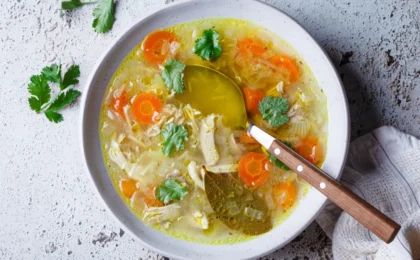
However, this does not mean the product goes to waste. Costco has optimized its internal supply chain to ensure that every bird is utilized. Once a bird surpasses the two-hour window, it is transferred to the deli’s secondary production line. This is where the magic of the "hidden menu" occurs: the meat is deboned, shredded, and repurposed for Costco’s high-velocity prepared food items, such as chicken salad, pot pies, and chicken noodle soup. By integrating these leftovers into other revenue streams, Costco mitigates the potential loss of the unsold birds, proving that their logistical efficiency is just as impressive as their price point.
Implications for the Consumer
For the average shopper, the rotisserie chicken is a tool for household management. Beyond the convenience of a ready-to-eat dinner, it serves as a base for multiple meals throughout the week. Culinary experts often point to the "three-meal strategy" as the best way to leverage a single $4.99 purchase:
- The Primary Meal: Served traditionally with roasted vegetables or potatoes.
- The "Work-Week" Pivot: Using the remaining breast meat for salads, tacos, or sliders.
- The Zero-Waste Finish: Boiling the carcass to create a nutrient-dense homemade stock, which can then be used for rice or soup.
This versatility is exactly why the product remains a "treasure hunt" item. It encourages the consumer to interact with the brand, walk past the electronics and clothing departments to reach the back of the store, and ultimately leave with a cart full of goods they hadn’t planned on purchasing.
The Future of the Costco Bird
As we look beyond 2025, the rotisserie chicken stands as a testament to the power of a singular, well-executed business strategy. Critics often wonder how long the $4.99 price can last, but Costco’s commitment to its own supply chain suggests that the company is willing to absorb thin margins to maintain its reputation as the king of value.
In an era of rising food prices and economic uncertainty, the 157.4 million chickens sold in 2025 demonstrate that consumers are more loyal than ever to brands that prioritize them. The chicken is no longer just a meal; it is a signal of the brand’s reliability. Whether it’s being shredded into a taco or simmered into a stock, the Costco rotisserie chicken remains a cornerstone of the modern American kitchen, proving that even in a digital age, there is still immense value in a hot, reliable, and affordable meal.