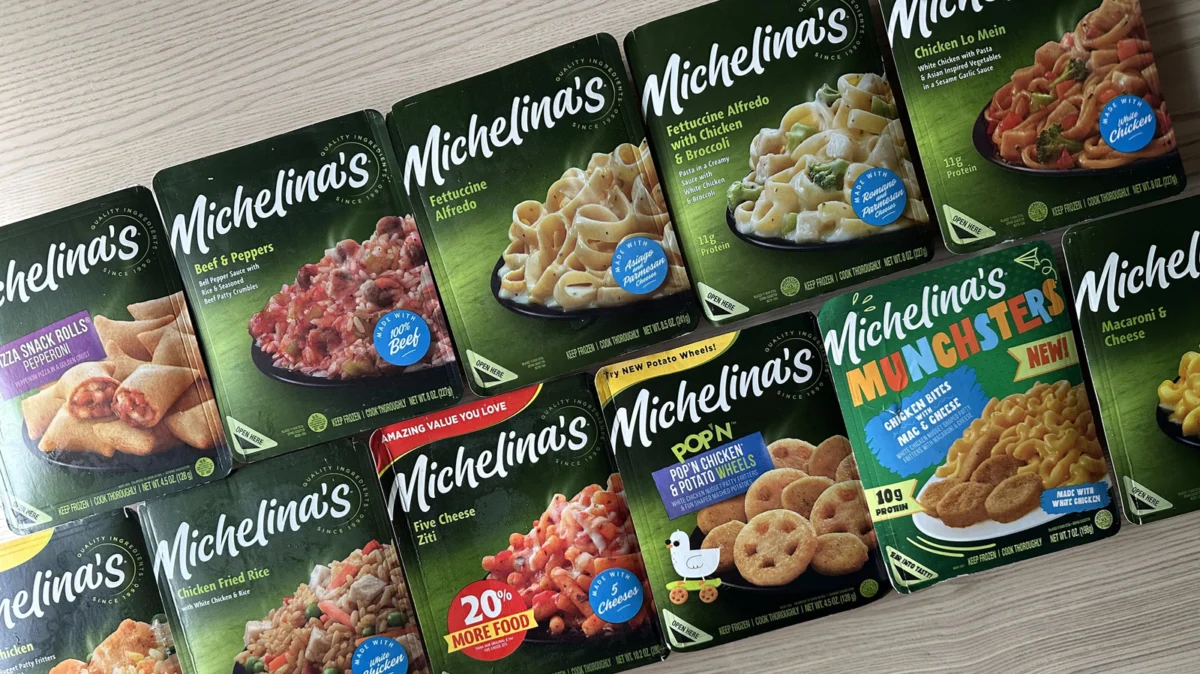
In the high-velocity world of modern convenience, the freezer aisle has evolved from a graveyard of lackluster TV dinners into a sophisticated landscape of culinary shortcuts. Among the myriad brands vying for space in the consumer’s freezer, Michelina’s has carved out a distinct niche. While industry giants like Stouffer’s and Hungry Man have long dominated the market through sheer brand recognition and portion size, a recent internal analysis suggests that Michelina’s—a brand often categorized by its ultra-budget price point—consistently outperforms its competitors in the critical metrics of flavor profile and ingredient balance.
Specifically, the Michelina’s Beef and Peppers frozen meal has emerged as an unlikely champion. Standing out in a sea of bland, monochromatic pasta dishes, this particular offering provides a compelling case study on how budget-friendly ingredients, when seasoned correctly, can yield a satisfying, if modest, dining experience.
The Anatomy of the Meal: A Culinary Breakdown
The Michelina’s Beef and Peppers meal is conceptually straightforward: beef patty crumbles and bell peppers are suspended in a savory, vegetable-forward sauce, served over a foundation of white rice. On paper, it is the quintessential "busy night" solution. However, in practice, it achieves a level of complexity rarely found at its price point.
The sauce acts as the backbone of the dish, providing a nuanced acidity and salinity that cuts through the starch of the rice. The bell peppers, often a point of failure in frozen entrées due to their tendency to become mushy, retain a surprising degree of tenderness and aromatic quality. The star of the dish, however, remains the seasoned beef patty crumbles. These crumbles provide the essential umami-richness necessary to elevate the meal from a simple carbohydrate dish to a more substantial, protein-forward experience.
While critics note that the rice can occasionally reach a "soggy" consistency—a common byproduct of microwave-based rehydration—the synergy between the sauce, the aromatics, and the beef effectively masks these texture deficits, making it a competitive option for the budget-conscious consumer.
Chronology of a Cult Favorite: From Freezer Aisle to Viral Status
The rise of the Beef and Peppers meal did not happen overnight. Its trajectory reflects the changing habits of the modern consumer, who is increasingly turning to social media to vet food purchases before committing to a grocery store run.
- Pre-2020 Era: Michelina’s was largely viewed as a tertiary brand, relegated to the bottom shelves of supermarkets and prioritized primarily by college students and those on strict budgets.
- 2023: The meal began to gain traction on short-form video platforms like TikTok. A notable review by user @shadyx109 awarded the dish an eight out of 10, highlighting that "it looks good, it smells good," and identifying a solid flavor-to-texture ratio. This served as a catalyst for a broader online discourse.
- 2025–2026: Online communities, particularly subreddits dedicated to frozen dinner reviews, began conducting granular analyses of the meal. Discussions moved beyond "is it edible?" to "how can it be improved?" These communities normalized the practice of "hacking" the meal—adding salt, extra vegetables, or even doubling the portion size—to turn a cheap snack into a legitimate dinner.
Supporting Data: What the Consumer Verdict Reveals
The consumer experience surrounding Michelina’s Beef and Peppers is characterized by a "price-to-value" consensus. According to aggregated customer reviews from major retailers like Walmart, the meal is consistently praised for its accessibility and non-aggressive spice profile, making it a "safe" choice for a wide demographic.
However, the data is not universally positive. A significant contingent of reviewers points toward the "rice-to-protein ratio" as a primary frustration.
The Ratio Controversy
Critics frequently argue that the manufacturer leans heavily on rice as a filler to keep production costs low. This leads to complaints that the meal is "all rice" with only token amounts of beef and peppers. This sentiment is echoed across Google reviews, where disappointed customers have expressed that the sparse beef portions often lack the depth of flavor present in the sauce.
The "Pro-Tip" Economy
To mitigate these concerns, the consumer base has developed a set of informal recommendations. The most popular strategies include:
- The Double-Up: As noted by a prominent Redditor, because of the low price point, purchasing two meals is often still more cost-effective than a premium "healthy" frozen brand, effectively solving the portion size issue.
- The Enhancement Strategy: Adding fresh or frozen vegetables or serving the dish alongside a pre-made salad kit (such as Target’s Good & Gather line) provides the fiber and volume that the base meal lacks.
- The Seasoning Adjustment: A simple pinch of sea salt or a dash of crushed red pepper flakes has been cited as a primary way to "awaken" the underlying notes of the beef and celery.
Official Manufacturer Stance and Industry Positioning
While Bellisio Foods (the parent company of Michelina’s) maintains a relatively quiet public relations presence, their strategy is clear: they are not attempting to compete with artisanal or "gourmet" frozen food brands. Instead, they operate on a volume-driven model that prioritizes the "evergreen" nature of their products.
By maintaining a vast and diverse lineup of dinners, the brand ensures it remains a staple in the lower-middle-class grocery budget. The "Beef and Peppers" meal is a microcosm of their broader business strategy: provide a functional, palatable, and chemically stable product that performs consistently under the standard conditions of a microwave. They have effectively ignored the trend toward "clean-label" or "organic" branding, choosing instead to lean into their identity as a reliable, ultra-affordable convenience food.
Implications: The Future of the Budget Frozen Meal
The success of Michelina’s Beef and Peppers offers a fascinating look at the future of the frozen food industry. As inflation continues to impact grocery store prices, the "value" category is seeing a resurgence in popularity.
The Shift toward "Hackable" Foods
Consumers are becoming increasingly comfortable with the idea that a frozen meal does not have to be a finished product. The rise of the "hackable" dinner—where a base component is provided at a low cost, and the consumer adds their own flourishes—suggests that brands may start designing their products with this in mind.
The Sustainability of Low-Cost Protein
However, the company faces a looming challenge: the cost of animal protein. As the price of beef fluctuates, the temptation for manufacturers to further reduce meat content in favor of fillers like rice will grow. If Michelina’s continues to skew too heavily toward rice, they risk alienating the very customer base that has championed them. The balance between "affordable" and "nutritionally sparse" is precarious; if the ratio of beef-to-rice tips too far, even the most loyal budget shoppers may look elsewhere.
Conclusion
Michelina’s Beef and Peppers is a testament to the fact that culinary satisfaction is not always tied to a premium price tag. While it is certainly not a replacement for home-cooked meals, its ability to deliver consistent, aromatic, and savory flavors has earned it a permanent place in the pantheon of frozen convenience.
For the time-strapped individual, the meal provides a reliable canvas. By acknowledging its limitations—the soggy rice, the sparse protein, the reliance on filler—and supplementing it with simple, fresh additions, the savvy shopper can create a meal that is, in every sense of the word, surprisingly functional. As long as the brand continues to offer this balance of flavor and affordability, it is likely to remain a stalwart of the freezer aisle for years to come.