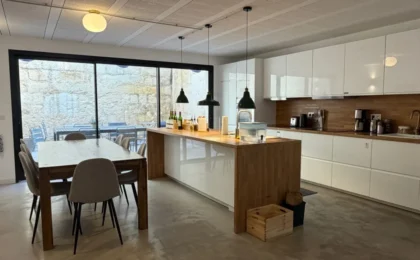
For the modern digital nomad, the dream of "working from anywhere" often collides with the harsh reality of "working from nowhere." The romanticized image of typing on a laptop from a beach chair has long been debunked by the reality of glare, sand-filled keyboards, and unreliable hotel Wi-Fi. As the global workforce continues its shift toward location-independent models, the challenge of maintaining professional productivity while satisfying a wanderlust-driven lifestyle has become a primary pain point for millions.
Enter the coliving movement—a sophisticated hybrid of boutique hospitality and high-end coworking that aims to bridge the gap between the solitary struggle of a hostel and the isolation of a short-term apartment rental. At the forefront of this shift is Outsite, a platform that has transformed the way nomadic professionals inhabit the globe.
The Core Facts: Redefining the Workspace
Founded in 2015, Outsite began as a singular vision in Santa Cruz, California: to create a habitat for surfers who needed to remain tethered to their professional obligations. Over the last decade, it has evolved into a global network of over 50 properties, serving a community of more than 5,000 members.
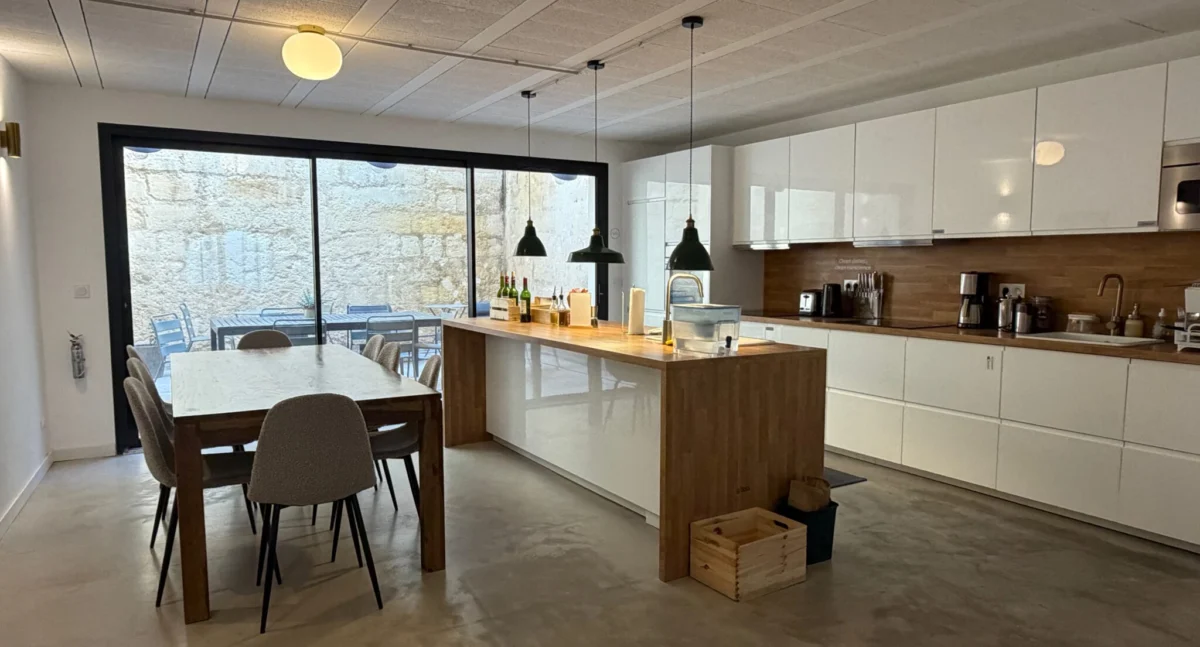
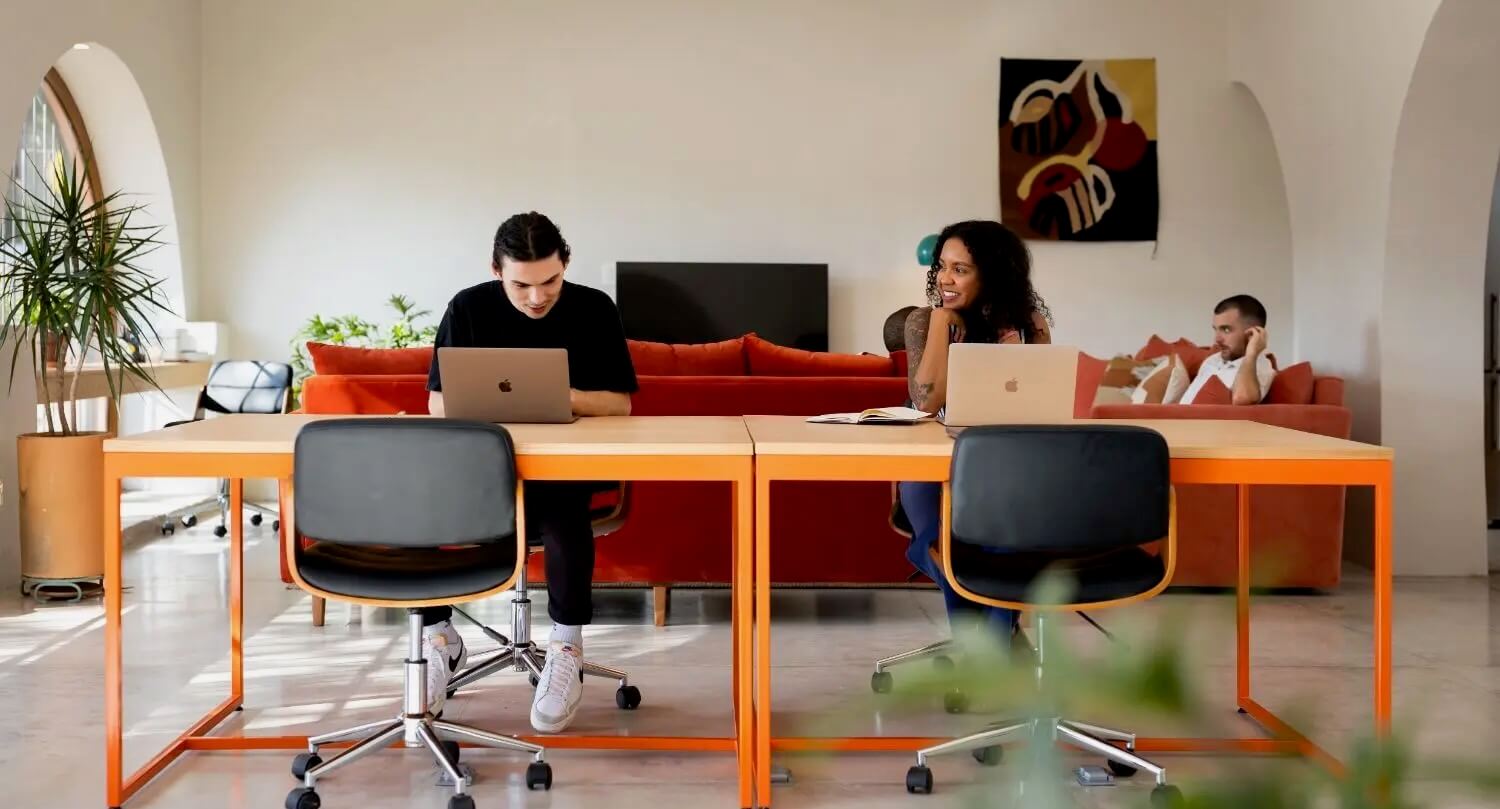
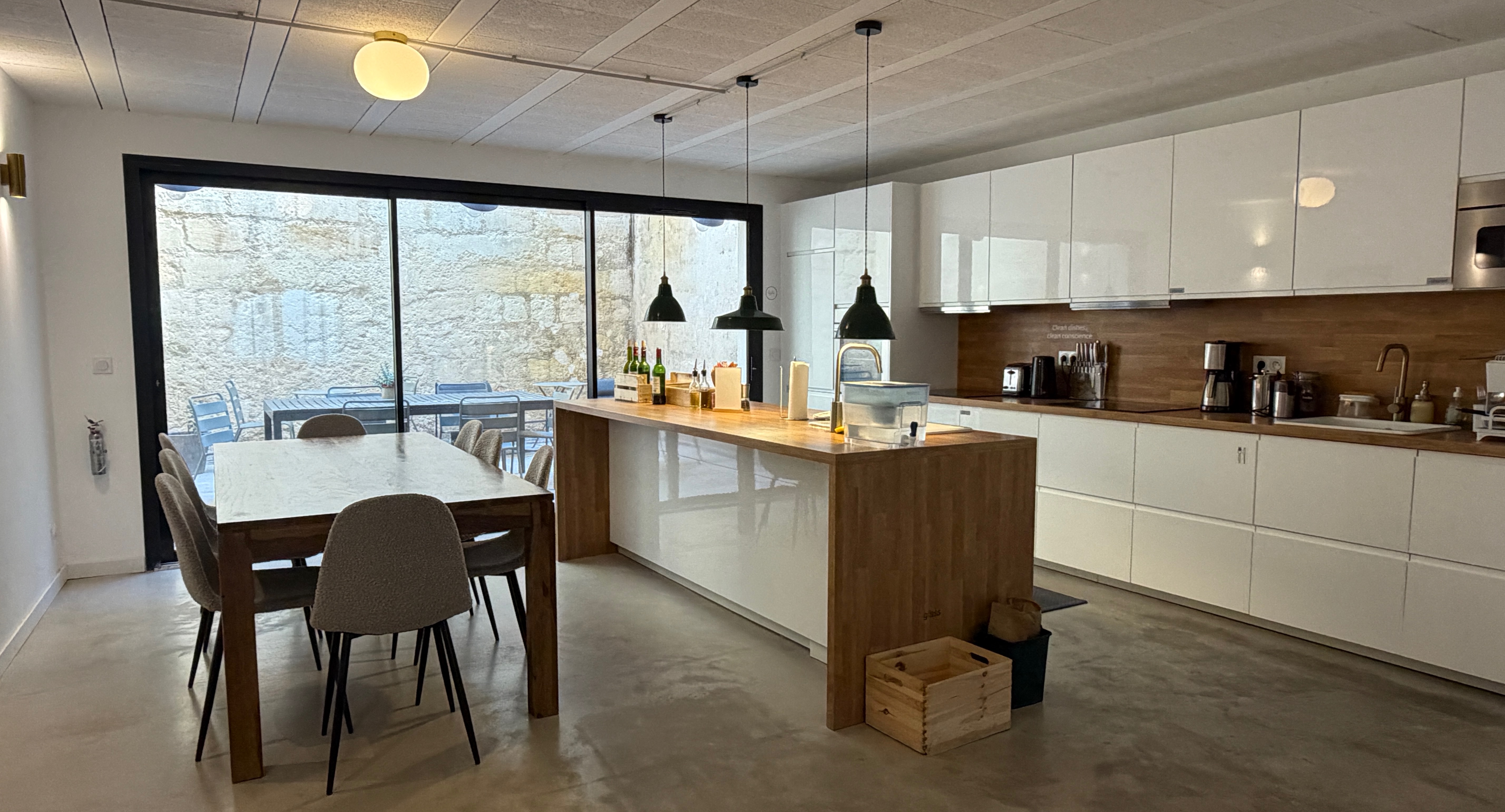
Unlike traditional accommodation platforms, Outsite is built with the "deep work" mandate in mind. Every property is outfitted with enterprise-grade internet, ergonomic furniture, and communal zones designed to facilitate professional networking. It is not merely a place to sleep; it is a decentralized office infrastructure that spans continents, from the historic streets of Bordeaux to the lush landscapes of Costa Rica.
Chronology of a Movement: From Hostels to Hubs
The history of nomadic living can be divided into two distinct eras: Pre- and Post-Pandemic.
- The Early Days (Pre-2020): Digital nomadism was a niche pursuit. Remote workers typically relied on Airbnb, often finding themselves trapped in the "Internet Lottery"—the frustration of checking into an apartment only to find that the Wi-Fi speed was insufficient for video conferencing. Alternatively, travelers frequented hostels, which offered community but lacked the quiet, professional environment required for full-time employment.
- The Paradigm Shift (2020–2022): The global shift to remote work forced a re-evaluation of living spaces. Companies that previously demanded office presence were suddenly forced to accommodate distributed teams. This created a surge in demand for "work-from-anywhere" infrastructure.
- The Consolidation (2023–Present): The current era is defined by professionalization. Platforms like Outsite have matured into full-service ecosystems. With the introduction of membership tiers, curated events, and standardized office amenities, the industry has moved from being a travel trend to a legitimate corporate lifestyle category.
Supporting Data: The Economics of the Coliving Model
Critics often point to the price tag of a coliving space, which typically exceeds that of a budget hostel or a local sublet. However, a deeper analysis reveals a different economic reality.
The Hidden Costs of the "DIY" Nomad
When a remote worker rents an independent apartment, they are often forced to supplement their housing with:
- Coworking Membership: A daily or monthly pass at a local hub, costing anywhere from $150 to $400 per month.
- Office Setup: Purchasing portable monitors, reliable cables, or noise-canceling accessories to mitigate inadequate housing setups.
- Social Overhead: The cost of seeking out networking events, which are often expensive or difficult to find as an outsider.
The Outsite Advantage
By bundling these costs into a single fee, Outsite effectively streamlines the budget. For the frequent traveler, the $199 annual membership (or $499 lifetime fee) grants access to significant discounts—often 40% off extended stays—and priority booking. When factoring in the efficiency of having an office, a kitchen, and a community pre-installed upon arrival, the "premium" price point frequently functions as a cost-saving measure for the professional nomad.
The Human Element: Official Perspectives on Community
The most profound, yet intangible, benefit of the coliving model is the mitigation of "nomadic loneliness."
"Working alone in a hotel room or a coffee shop is inherently isolating," notes one frequent Outsite user who recently spent a month in the company’s Bordeaux location. "You are surrounded by people who are on vacation, and they don’t understand the pressure of a deadline or a Zoom call at 3:00 AM. When you enter a coliving space, you are surrounded by people who are living the exact same life."
Each Outsite location employs a dedicated Community Manager. This role is crucial to the platform’s success. These managers are not just property caretakers; they are social engineers. They curate WhatsApp groups for incoming residents, organize family-style dinners, and facilitate "tapas crawls" or group excursions. By providing a structured social environment, the platform ensures that its members—many of whom are entrepreneurs or remote tech workers—find a support system that mirrors the culture of an office without the corporate rigidity.
Implications: The Future of the "Third Place"
The emergence of platforms like Outsite suggests that the traditional office is no longer a physical building in a city center, but a network of distributed hubs. This has significant implications for both urban planning and the future of work:
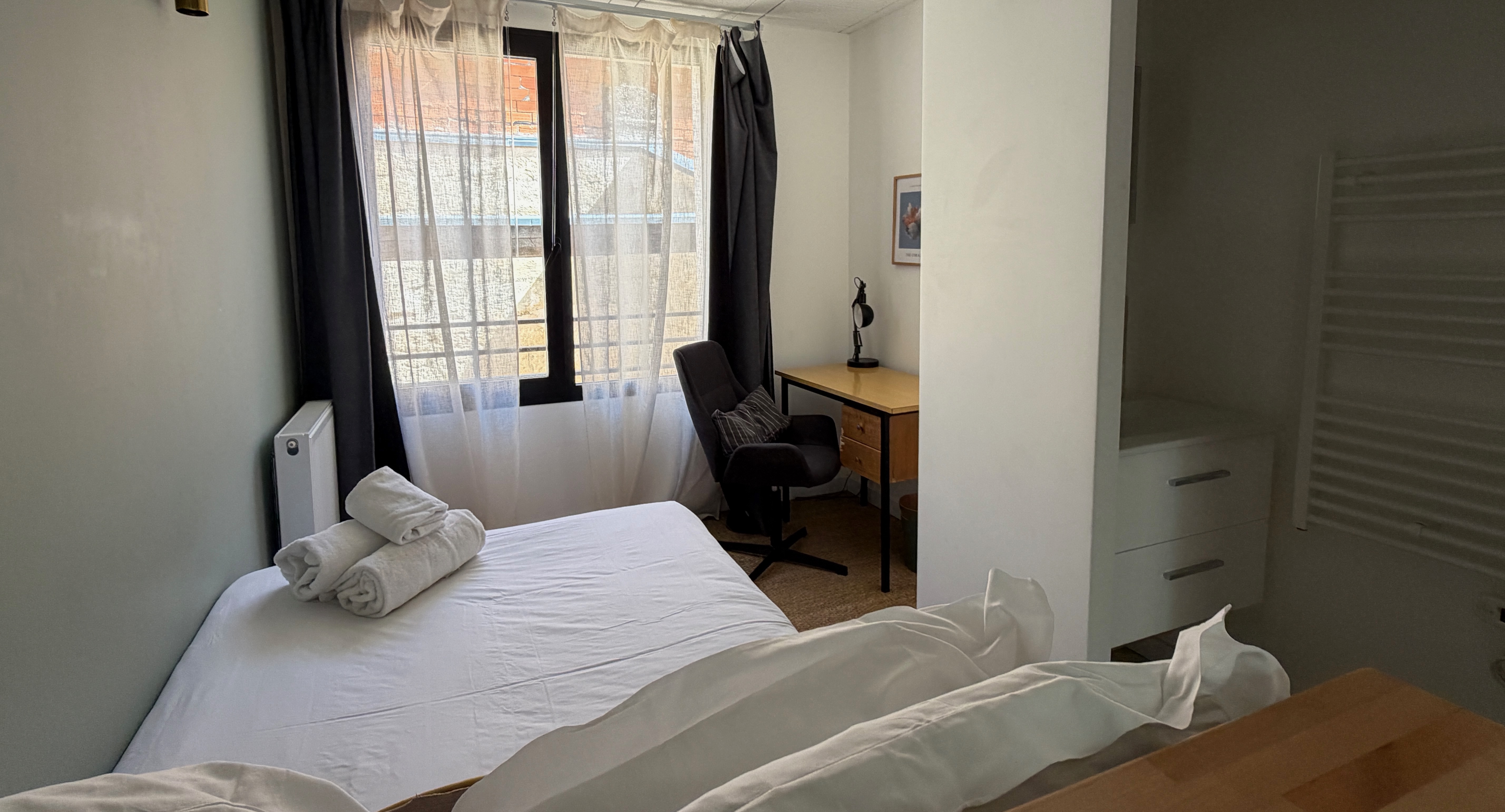
- The Rise of the "Second City": By placing workspaces in locations like Bordeaux or smaller towns in Portugal and Mexico, companies like Outsite are shifting economic activity away from overcrowded metropolises.
- Corporate Integration: We are likely to see more companies subsidizing stays at coliving spaces as part of their "Work from Anywhere" policies, recognizing that a stable, productive environment reduces employee burnout and turnover.
- The End of the "Vacation vs. Work" Binary: The traditional two-week annual holiday is being replaced by the "work-cation." By integrating professional-grade equipment into leisure destinations, workers are finding ways to extend their travel without compromising their career trajectory.
Critical Considerations: Is Coliving for Everyone?
Despite the clear advantages, potential users should approach the transition to coliving with clear expectations:
- The Booking Lead Time: The most desirable locations—such as Lisbon or coastal Costa Rica—often require booking months in advance. The spontaneity of a "backpacking" lifestyle is replaced by the necessity of logistical planning.
- The Demographic Filter: While there is no age limit, the environment is distinctly professional. It is not designed for the gap-year student seeking a party scene. It is a space for individuals in their late 20s to 50s who are balancing active careers with a desire for exploration.
- Policy Constraints: Because these are shared living environments, there are strict rules regarding noise, communal space cleanliness, and pet policies. For those who thrive on absolute solitude or have specific lifestyle requirements, the communal aspect can occasionally feel intrusive.
Conclusion: Finding Your Tribe
The digital nomad lifestyle has undergone a necessary maturation. We have moved past the era of hunching over hostel tables with a flickering Wi-Fi connection and entered an age of curated, high-performance travel.
Outsite, and the growing coliving sector, offers a blueprint for how to live as a global citizen without abandoning the professional rigor that sustains that life. Whether you are a software developer, a creative freelancer, or a location-independent entrepreneur, the ability to walk into a new country and have a high-speed, ergonomic, and socially vibrant office waiting for you is a transformative development.
As the lines between work and life continue to blur, the value of a "third place"—a home that is also an office, a place that is also a community—will only increase. For those ready to step away from the solitude of the laptop, the answer may not be to work less, but to change where you work. Your next office might just be a villa in France, a surf shack in California, or a townhouse in Lisbon. The tribe is waiting.