For nearly a century, the kitchen tables of Oklahoma have been graced by a confection that defies the simplicity of its ingredients: the Oklahoma Nut Candy. Often affectionately referred to as "Aunt Bill’s Brown Candy," this rich, fudgy, and praline-adjacent treat serves as a cultural touchstone for holiday gatherings across the American South. Combining the deep, caramelized notes of slow-cooked sugar with the earthy crunch of premium nuts, the candy represents a bygone era of domestic craftsmanship that continues to resonate with modern home cooks and professional pastry chefs alike.
The Main Facts: Defining the Oklahoma Classic
At its core, Oklahoma Nut Candy is a study in controlled caramelization. Unlike high-heat candies that result in glass-like brittles or hard toffees, this recipe is designed to produce a soft, malleable texture that melts on the tongue. The primary components are deceptively simple: heavy cream, granulated sugar, a precise measure of baking soda, butter, and a robust blend of nuts—traditionally walnuts and pecans.
The magic of the recipe lies in the "browning" phase. By caramelizing a portion of the sugar slowly before incorporating the liquid elements, the candy develops a depth of flavor that is often described as "nutty" or "toasty," even before the actual nuts are added. The final product is not merely a sugary treat; it is a sophisticated balance of fats and sugars, emulsified into a fudge-like consistency that has become a staple of Southern hospitality.
A Chronological History: From 1936 to Today
The origin of Aunt Bill’s Brown Candy is steeped in the folklore of Oklahoma’s newspaper culture. First documented in a local Oklahoma periodical in 1936, the recipe emerged during a time when home candy-making was a primary form of entertainment and gift-giving.
- 1936: The recipe is formally published, cementing its place in Oklahoma’s culinary identity. It was marketed as an affordable, pantry-friendly luxury during a period when families relied on staple goods like heavy cream and sugar to create festive desserts.
- Mid-20th Century: The candy moves from the pages of newspapers into community cookbooks and church bulletins across the state. It becomes a standard fixture at holiday markets and family reunions.
- The Modern Era: As culinary information migrated online, the recipe found a second life. Blogs and digital culinary platforms, such as Tasting Table, began reviving the classic, standardizing the technique for a new generation of cooks who might otherwise be intimidated by the precise science of sugar work.
The Science and Technique: Achieving Perfection
Creating the perfect batch of Oklahoma Nut Candy is as much about patience as it is about the ingredients. Professional recipe developers emphasize that the process must be handled with deliberate care.
The Thermal Threshold
The most critical aspect of the preparation is temperature management. Because the candy relies on the specific crystallization of sugar, exceeding the ideal temperature range can quickly transform a smooth, fudgy confection into a hard, brittle mess. When the mixture is heated too rapidly, the sugar molecules form a crystalline structure that is too rigid. The goal is to keep the heat low during the caramelization of the initial sugar, allowing for a deep, amber color without reaching the "hard crack" stage.
The Role of Toasting
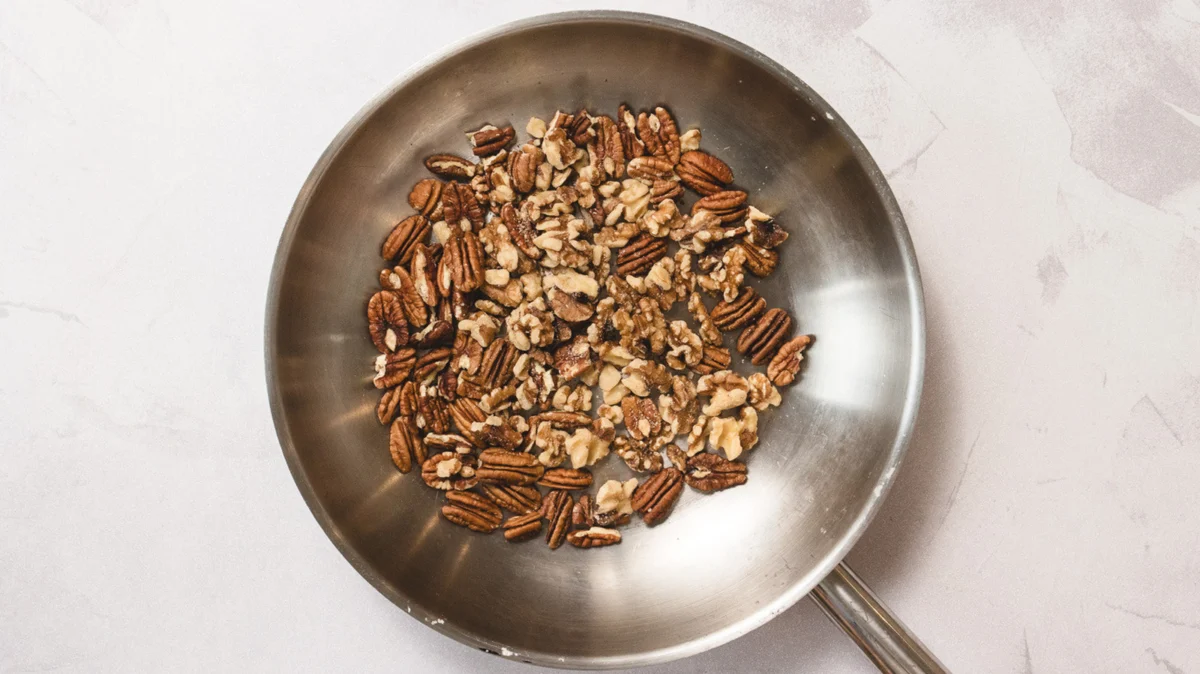
The inclusion of nuts is not merely for texture; it is a flavor imperative. Culinary experts advise that raw nuts lack the aromatic compounds necessary to complement the intense sweetness of the candy. By toasting walnuts and pecans in a dry skillet over medium heat for approximately five to seven minutes, the natural oils are released. This process creates a Maillard reaction that results in a golden-brown hue and a significantly crunchier bite, providing the necessary contrast to the soft candy base.
The Rest Period
Perhaps the most counterintuitive instruction in the traditional recipe is the requirement to let the mixture rest for approximately 20 minutes after cooking. This period allows the internal temperature to stabilize and the fats to begin setting. Stirring in the nuts while the mixture is too hot can cause them to soften prematurely or cause the emulsion of the butter and cream to break. Waiting ensures that every bite is consistent, with the nuts suspended evenly throughout the block.
Supporting Data: Variations and Customization
While the 1936 original remains the gold standard, the culinary landscape has allowed for significant innovation. Modern variations have proven that the base recipe is remarkably versatile.
Nut Substitutions and Pairings
While walnuts and pecans are the historical preference, the structure of the candy allows for creative experimentation.
- Macadamia Nuts: Provide a buttery, tropical richness that contrasts well with the deep caramel flavor.
- Almonds: Offer a sharper, more distinct crunch.
- Peanuts: Lean into the traditional "Southern" profile, creating a flavor reminiscent of classic peanut brittle but with a much softer mouthfeel.
Enhancing the Flavor Profile
For those seeking to elevate the experience, several "pro-tips" have surfaced in professional kitchens:
- The Salty Edge: A touch of sea salt—specifically flaky Maldon or fleur de sel—sprinkled on top before the candy sets provides a sophisticated counterpoint to the high sugar content.
- Chocolate Integration: Drizzling a layer of tempered dark or milk chocolate over the set candy mimics the profile of a "caramel turtle," adding a layer of complexity.
- Aromatic Additions: A subtle dusting of cinnamon or nutmeg within the nut mixture can provide a seasonal, warming sensation suitable for Thanksgiving or Christmas gatherings.
Implications for Modern Candy Makers
The persistence of the Oklahoma Nut Candy in the digital age carries significant implications for the craft of baking. In an era where processed, mass-produced sweets are available at every corner store, there remains a tangible demand for "old-fashioned" techniques.
The "Rustic" Appeal
There is a growing movement toward the "rustic" aesthetic in confectionery. Unlike the perfectly molded, airbrushed chocolates of modern commercial candy, Oklahoma Nut Candy is meant to be sliced into irregular, honest pieces. This aesthetic imperfection is considered part of its charm. It signals to the consumer that the item was crafted by hand, reinforcing the value of the labor-intensive process.
Storage and Shelf Life
From a practical standpoint, the candy is highly efficient for holiday planning. Because of its high sugar and fat content, the finished product is remarkably stable. When kept in an airtight container in the refrigerator, it can remain fresh for up to two weeks. For those planning well in advance, the candy freezes exceptionally well for up to two months. This durability makes it a favorite for home cooks who must manage multiple food preparations during the busy holiday season.
Conclusion: A Legacy Worth Preserving
The Oklahoma Nut Candy is more than just a recipe; it is a legacy of the Southern kitchen. It serves as a reminder that the most enduring culinary traditions are often those that require the least equipment but the most attention. Whether one adheres strictly to the 1936 newspaper guidelines or decides to experiment with sea salt and chocolate drizzles, the process of making this candy remains a meditative, rewarding experience.
As the culinary world continues to lean toward convenience and rapid preparation, the deliberate, slow-cooked nature of Aunt Bill’s Brown Candy remains a defiant, delicious act of tradition. It encourages us to slow down, toast our nuts with care, and appreciate the chemistry of sugar—ensuring that this Oklahoma staple will likely be enjoyed for another hundred years.