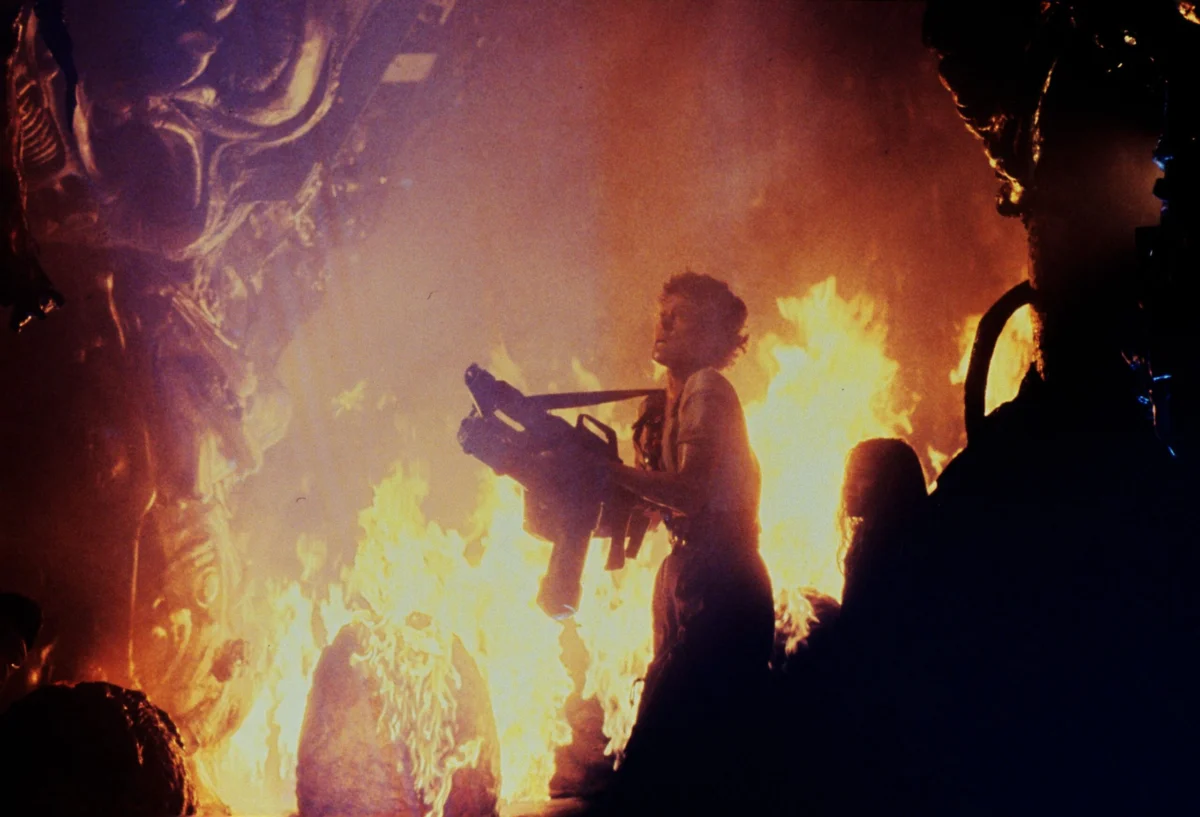
Forty years have passed since James Cameron’s Aliens (1986) first tore through the silver screen, fundamentally altering the trajectory of blockbuster filmmaking. In an era where the “sequel” is often synonymous with a safe, iterative retread of its predecessor, Aliens stands as a monumental anomaly. It is not merely a successful follow-up; it is a masterclass in creative expansion, serving as a blueprint for how a franchise can evolve without losing the soul that made it iconic in the first place.
The Impossible Balancing Act: The Sequel Dilemma
Every major motion picture franchise eventually faces an existential crossroads: how to satisfy the audience’s hunger for the familiar while avoiding the stagnation of repetition. If a sequel leans too heavily on the iconography of the original, it risks feeling like a redundant remake. Conversely, if it pivots too sharply, it risks alienating the fanbase that built the intellectual property’s value.
Most studios today attempt to solve this by "going bigger"—inflating budgets, multiplying the number of antagonists, and drowning the narrative in "fan service." James Cameron, however, approached the sequel problem in 1986 by refusing to be intimidated by the shadow of Ridley Scott’s 1979 masterpiece, Alien. Rather than attempting to replicate the claustrophobic, haunted-house horror of the original, Cameron pivoted. He transformed the franchise into a high-octane, desperate military action thriller, all while meticulously preserving the thematic pillars of corporate malfeasance, technological hubris, and the existential dread of encountering an unknowable, apex predator.
Chronology of a Masterpiece: From Nostromo to Hadley’s Hope
To understand the genius of Aliens, one must examine the narrative shift. In the 1979 original, the crew of the Nostromo were blue-collar workers, ill-equipped and unprepared, dealing with a singular, mysterious threat. In Aliens, Cameron returns the audience to the scene of the crime—the desolate, windswept moon of LV-426—but shifts the perspective entirely.
- 1979: Alien introduces the xenomorph as a silent, singular stalker, a Lovecraftian nightmare in the dark.
- 1986: Aliens introduces the Colonial Marines, a squad of cocky, well-armed, and seemingly prepared soldiers.
- The Subversion: Cameron spends the first act building the confidence of the Marines, equipping them with pulse rifles, motion trackers, and armored personnel carriers. Then, he systematically dismantles that confidence. By providing the characters with the tools to fight, he actually raises the stakes—when the Marines are slaughtered, the audience realizes that even "preparedness" is an illusion in the face of the xenomorph.
This transition from survival horror to tactical action serves as a narrative evolution. It expanded the scope of the universe from a single ship to an entire colonial settlement, Hadley’s Hope, without ever feeling like the world was becoming "small" or over-explained.
Supporting Data: The Anatomy of Success
The success of Aliens is not merely anecdotal; it is reflected in its lasting cultural and financial footprint. Upon its release, Aliens grossed over $180 million globally, a massive haul for the mid-80s, but its true value lies in its critical longevity.

The Power of Show, Don’t Tell
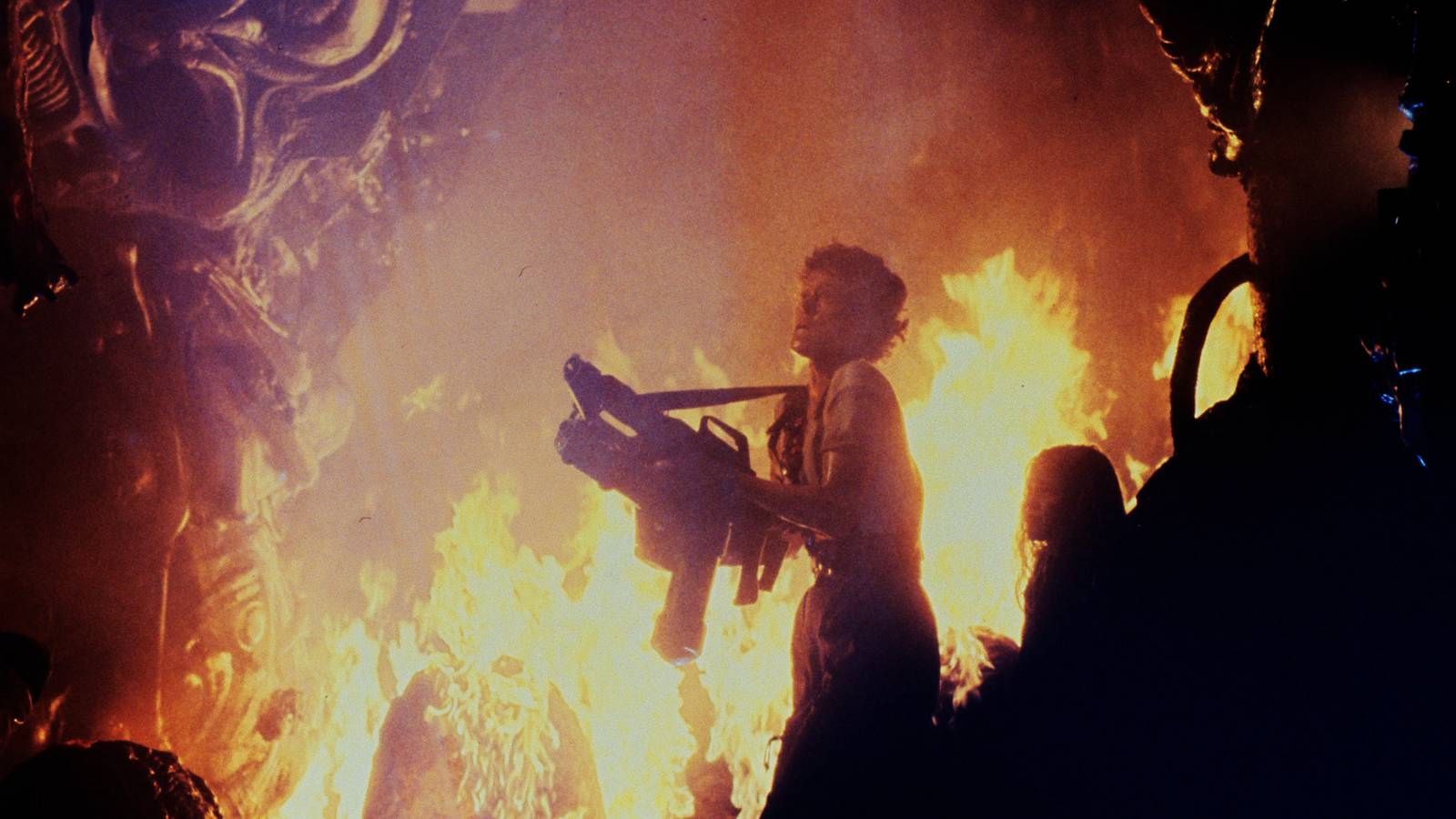
One of the most critical elements of Cameron’s direction was the introduction of the Alien Queen. Rather than stopping the film for a tedious exposition dump about xenomorph biology, Cameron allowed the environment to tell the story. When Ripley (Sigourney Weaver) descends into the hive, the audience sees the Queen—towering, biomechanical, and monstrous—surrounded by eggs. In one silent, terrifying image, the entire biological hierarchy of the species is established.
Emotional Continuity
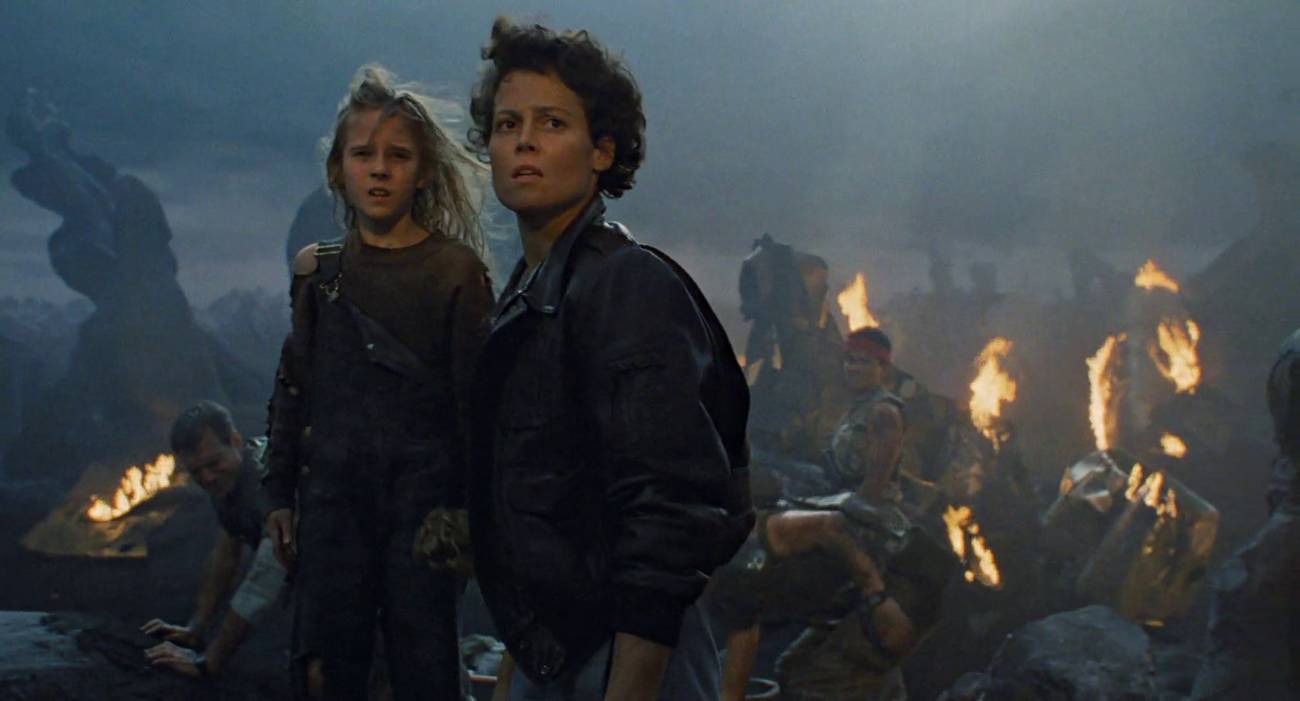
While the genre shifted, the emotional core remained firmly tethered to Ellen Ripley. Sigourney Weaver’s performance in the sequel is a masterclass in character progression. She isn’t just a survivor anymore; she is a woman defined by trauma. Her motivation to return to LV-426 isn’t just about finishing the job; it is a desperate, maternal drive to protect Newt, a child who represents everything Ripley lost. This human element grounds the pyrotechnics, ensuring that the audience remains invested in the characters, not just the carnage.
Official Responses and Industry Legacy
In the decades since, filmmakers and critics have cited Aliens as the gold standard for how to construct a franchise sequel. Ridley Scott, the director of the original, famously noted that while his film was a "haunted house" piece, Cameron’s vision was a "war film," and that this clear distinction was the only way to successfully follow up such a distinct stylistic work.
The industry has largely adopted this "reinvention" model, though few have mastered it with the same precision as Cameron. When asked about the process in later interviews, Cameron noted that his approach to sequels—most notably seen in Terminator 2: Judgment Day—is to change the context while maintaining the emotional stakes. In T2, he did the inverse of Aliens; where Aliens changed the genre, T2 kept the genre but reversed the roles, turning the terrifying antagonist of the first film into the protector.
Implications for Modern Blockbusters
The primary implication of the Aliens legacy is a challenge to the modern studio system. Today, sequels often struggle with "explanation fatigue"—the need to over-analyze every aspect of a creature or a setting, which inevitably drains the mystery from the world.
Aliens succeeded because it didn’t feel the need to explain the "why" of the Xenomorphs. It simply accepted them as a fact of the universe and focused on the conflict at hand. The movie proved that an audience doesn’t need "more of the same"; they need a fresh perspective on a familiar landscape.

Furthermore, the film highlights the importance of stakes. Many modern franchises struggle to make their heroes feel vulnerable. Aliens masterfully manipulated the audience’s perception of power; by giving the heroes big guns, Cameron made the eventual defeat of those heroes feel all the more crushing. The lesson is clear: if you want to make a sequel feel bigger, don’t just add more explosions; add more emotional weight and narrative risk.
Conclusion: The Gold Standard
Forty years later, Aliens remains the undisputed champion of the sequel format. It is a rare film that manages to be both a perfect continuation of its predecessor’s story and a completely distinct cinematic experience. It taught Hollywood that a franchise is not a static object to be polished, but a living, breathing world that can be explored from different angles.
As studios continue to navigate the precarious waters of long-running IP and expanded universes, they would do well to revisit the corridors of Hadley’s Hope. Aliens stands as a reminder that the best way to honor a legacy is not to replicate the past, but to have the courage to take the franchise into uncharted territory. In the cold, dark vacuum of space, James Cameron proved that the only way to survive a sequel is to evolve.