The dream of homeownership is often painted in broad, aspirational strokes: a shimmering backyard pool, a state-of-the-art kitchen, and a home so "smart" it practically runs itself. However, as the real estate market shifts toward pragmatism, a growing number of homeowners are discovering that some of the most expensive "upgrades" are, in fact, liabilities in disguise.
Whether you are navigating the competitive landscape of a Los Angeles estate or settling into a historic property in Duluth, the temptation to pay a premium for high-end amenities is powerful. Yet, industry experts suggest that many of these features lose their luster once the reality of maintenance, utility costs, and long-term resale value sets in. To make a wise investment, it is essential to look past the staging and consider the true cost of ownership.
The Evolution of the "Dream Home"
Historically, luxury real estate was defined by excess—more square footage, more specialized rooms, and more elaborate finishes. Over the last few decades, the definition of a "dream home" has fluctuated with economic trends. During the housing booms of the early 2000s, homeowners poured capital into "trophy" features, assuming these would guarantee a massive return on investment.
However, the post-pandemic housing market has prioritized functionality and efficiency over pure grandeur. With the rise of remote work and a heightened awareness of maintenance costs, buyers are now scrutinizing properties through a different lens. The question is no longer "Does this home look impressive?" but rather "Does this home serve my daily life without becoming a financial anchor?"
1. The Swimming Pool Paradox
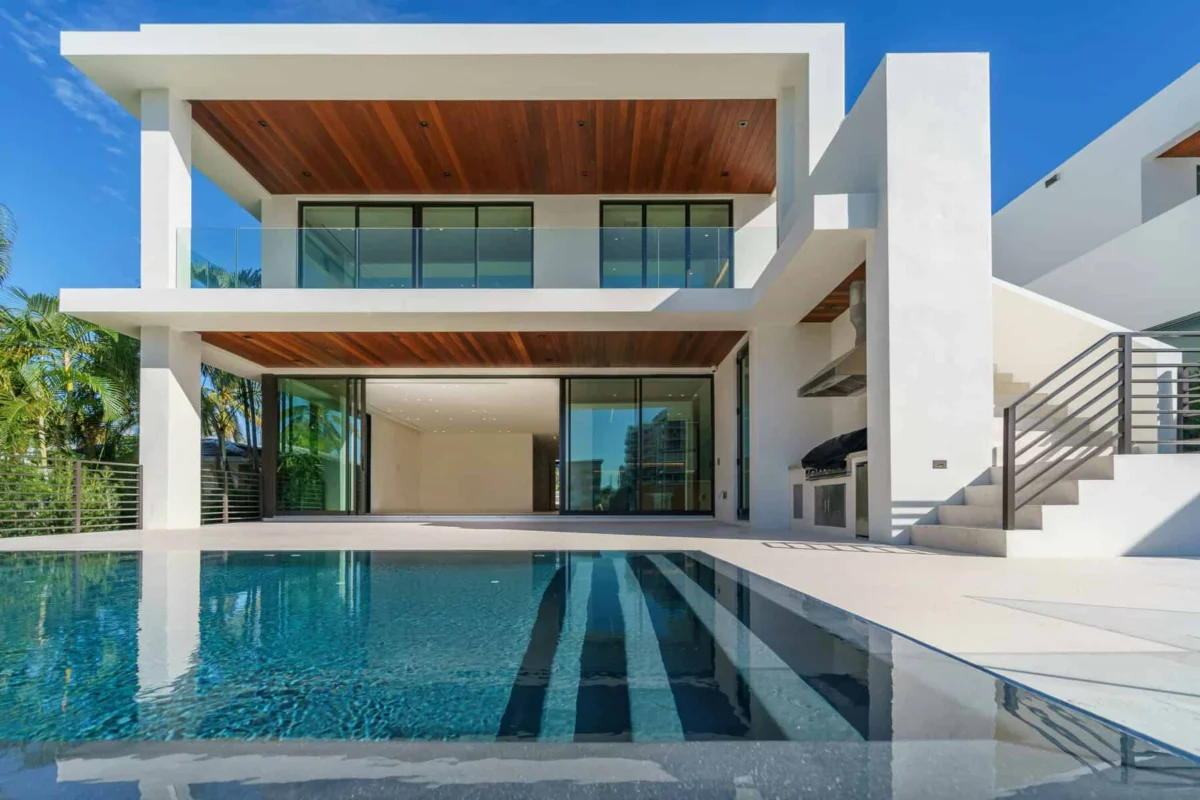
For many, the backyard pool is the quintessential symbol of the "good life." Yet, real estate professionals frequently cite pools as the feature most likely to be regretted by new homeowners.
"The feature buyers most often regret paying extra for is a pool," says Hunter Lipski, owner of Pro Homebuyer Solutions. "I routinely see owners who invest tens of thousands into a pool to recover only a fraction of it at resale. It splits the buyer pool, because for every buyer who wants one, another sees the maintenance, insurance, and liability and walks."
The hidden costs are staggering: recurring chemical treatments, pump replacements, professional cleaning services, and increased liability insurance premiums. Furthermore, a pool can effectively neutralize a portion of a yard that might otherwise be used for a garden, a play area, or a patio, limiting the home’s utility for families who do not prioritize swimming.
2. The Smart Home Trap
Automation promises convenience, but it often delivers complexity. Modern smart home systems—ranging from integrated lighting and security to complex climate and entertainment control—are notorious for becoming obsolete quickly.
According to the team at Virtual Tour Easy, "One premium feature buyers often reconsider is complex smart home systems. While they can look impressive initially, they often come with maintenance requirements and specific lifestyle demands that may not appeal to future buyers."
When a home is built around a proprietary, interconnected ecosystem, the hardware often ages faster than the house itself. If a system requires a specific app that is no longer supported or hardware that is discontinued, the homeowner is left with an expensive, non-functional wall fixture. Buyers today are increasingly opting for "smart-ready" homes that allow them to integrate their own, off-the-shelf devices rather than inheriting a complicated, rigid system.
3. The Myth of the Oversized Kitchen
The "chef’s kitchen" has long been a staple of luxury listings, but the trend is moving away from sheer size. Bigger is not always better when it comes to the heart of the home.
"We’ve seen a shift away from the idea that bigger automatically means better," says Adam Milestone of Milestone Custom Homes. "Today, buyers are more focused on intentional design and functionality rather than simply adding square footage for the sake of size."
An oversized kitchen creates more surfaces to clean, more cabinets to organize, and more appliances that require repair. For many households, an efficient "work triangle" and smart storage solutions are far more valuable than a cavernous room that requires excessive walking between the stove, the sink, and the pantry.
4. The Decline of the Formal Dining Room
As lifestyle habits evolve, the "formal" space is becoming a relic of the past. The dedicated dining room, often reserved for holidays and special occasions, is frequently cited as dead space by modern buyers.
"We’re seeing buyers prioritize flexible spaces over specialized rooms," explains Katie Muegge, design manager at Onyx+East. "Formal dining areas are becoming less popular in favor of spaces that can serve multiple purposes, such as dining or a home office."
In an era of hybrid work, a room that sits empty for 350 days a year is a wasted asset. Buyers are now looking for "flex-rooms" that can transition from a workspace during the week to an entertaining area on the weekends.
5. High-Maintenance Landscaping
Curb appeal is vital, but there is a fine line between an attractive landscape and a high-maintenance burden. Elaborate topiary, exotic plant species that require specific soil conditions, and sprawling lawns demand significant time and financial investment.
"One feature buyers often rethink later is a large, high-maintenance yard or elaborate outdoor setup," notes Tony Morelli, owner of Tony Buys Homes. "Many homeowners later realize the upkeep, landscaping costs, and time commitment are more than they expected."
For busy professionals, a yard that requires weekly professional intervention is a chore, not a feature. The current market trend favors low-maintenance, drought-resistant, and native landscaping that provides beauty without the constant need for pruning, watering, and fertilization.
6. The Danger of Highly Customized Finishes
Personalization is a joy for the current homeowner, but it can be a nightmare for the future seller. Bold statement kitchens with neon-colored cabinetry, high-end niche upgrades like integrated espresso stations, or hyper-specific flooring choices can narrow the buyer pool significantly.
Alan Loughlin, president of Fair Offer NY, warns: "Highly customized finishes like bold statement kitchens or niche smart home systems can actually narrow your buyer pool when it’s time to sell."
When it comes to resale, neutral, high-quality finishes are king. They allow a prospective buyer to envision their own life in the space, rather than feeling as though they are buying someone else’s specific aesthetic choices.
7. The Hidden Risks of Skipping Inspections
While many buyers overpay for features they don’t need, they often underpay for the one thing that provides the most value: information. A standard home inspection is a baseline, not a comprehensive health check for a property.
"One thing we see buyers reconsidering is skipping specialty inspections," says Frank Anarumo of Anarumo Inspection Inc. "While a standard home inspection covers a lot, the three add-on services buyers most commonly request are pool and spa inspections, sewer line inspections, and mold inspections."
These specialized check-ups can uncover thousands of dollars in potential future repairs. A sewer line inspection, for instance, can identify tree root intrusion or pipe collapse—issues that are invisible during a standard walkthrough but can result in catastrophic costs shortly after moving in.
Implications for the Future Buyer
The overarching lesson for today’s real estate market is one of intentionality. Before committing to a property with premium upgrades, or deciding to install them yourself, consider these three pillars:
- Utilization: How many hours per week will you actually use this feature?
- Maintenance: What is the annual cost of upkeep, both in time and money?
- Longevity: Will this feature still be relevant and functional in five or ten years?
By using tools like a home affordability calculator, buyers can better understand their financial capacity and determine if the "premium" they are paying for a specific feature aligns with their long-term lifestyle goals.
Ultimately, a home is more than just a collection of amenities. It is a functional space that should adapt to the rhythms of your life. By prioritizing practical, durable, and flexible features over fleeting trends or status-driven upgrades, you ensure that your home remains a source of comfort rather than a source of regret. When you strip away the unnecessary extras, you are left with the foundation of a truly successful investment: a home that works as hard as you do.