Home to approximately 3.5 million residents, Madrid is not merely the political capital of Spain; it is the nation’s cultural heartbeat. While its sprawling layout can initially feel daunting, the city rewards those who trade haste for the rhythmic, deliberate pace of Spanish life. From the masterworks housed in its "Golden Triangle of Art" to the sun-drenched terraces of its historic plazas, Madrid offers a sensory experience that defines modern European urbanism. With over 10 million annual visitors, the city has solidified its status as a top-tier destination, blending imperial grandeur with an avant-garde spirit.
The Rhythm of the Capital: A Sociological Snapshot
To understand Madrid is to understand its clock. Much like its coastal cousin, Barcelona, Madrid operates on a schedule that defies the traditional "nine-to-five." It is a city of night owls, where the culinary day extends well past midnight and the nightlife thrives in the early hours of the morning.
Travelers who attempt to impose a frantic, early-morning schedule on Madrid often miss the city’s true essence. The authentic Madrileño experience is found in the sobremesa—the long, post-meal conversation—and the unhurried walk through the city’s winding medieval corridors. Embracing this "slow" lifestyle is not just a cultural suggestion; it is the primary method for uncovering the city’s hidden layers.
Day 1: The Art Walk and the Renaissance of Culture
The journey begins in the UNESCO-designated "Landscape of Light," a site recognized in 2021 for its profound concentration of history and art.
The Golden Triangle
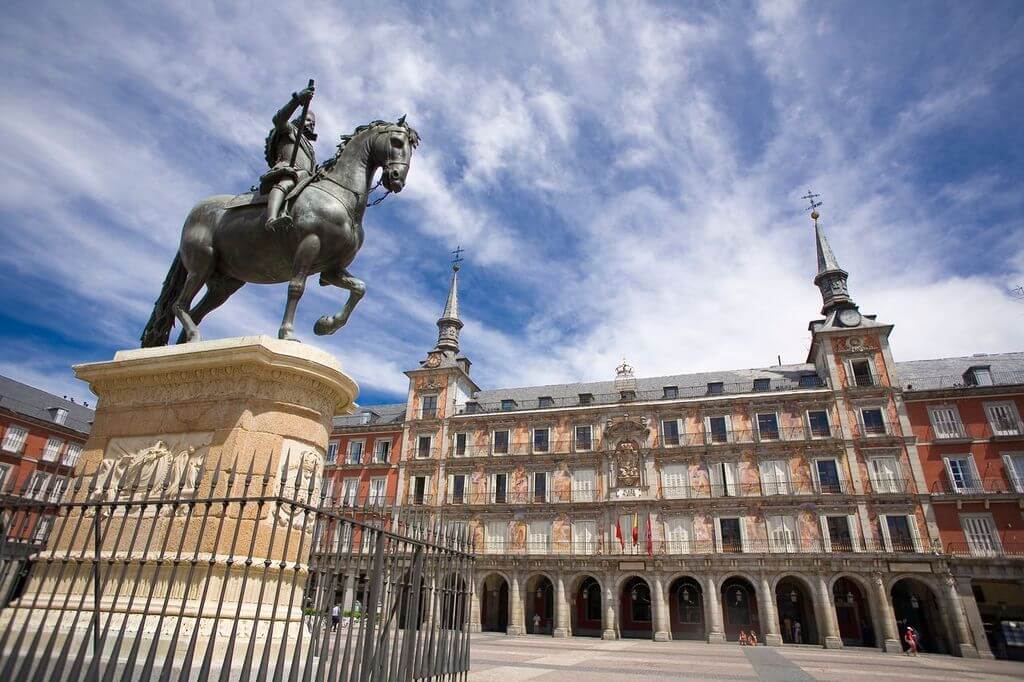
- The Prado Museum: Widely considered one of the world’s most significant art institutions, the Prado houses the definitive collections of El Greco, Velázquez, and Goya. A visit here is a masterclass in European history.
- Thyssen-Bornemisza Museum: A private collection that bridges the gap between the Renaissance and the modern era, offering a curated look at centuries of aesthetic evolution.
- Reina Sofía Museum: The home of Picasso’s Guernica. This institution tracks the trajectory of modern art, featuring heavyweights like Dalí and Miró. The sheer emotional weight of Guernica serves as the centerpiece of the modern art experience in Spain.
The "House Museums"
Beyond the grand institutions, one finds the intimacy of Madrid in its house museums. The Sorolla Museum, the former residence of the "painter of light," offers a serene look into a private Spanish palace. With its 2026 renovation, the museum’s gardens are poised to become the city’s most tranquil sanctuary.
Day 2: The Habsburg Legacy and Royal Grandeur
The central hub of the city is the Puerta del Sol. Here, visitors can stand at "Kilometer Zero," the geographic heart from which all Spanish highways radiate.
The Historic Core
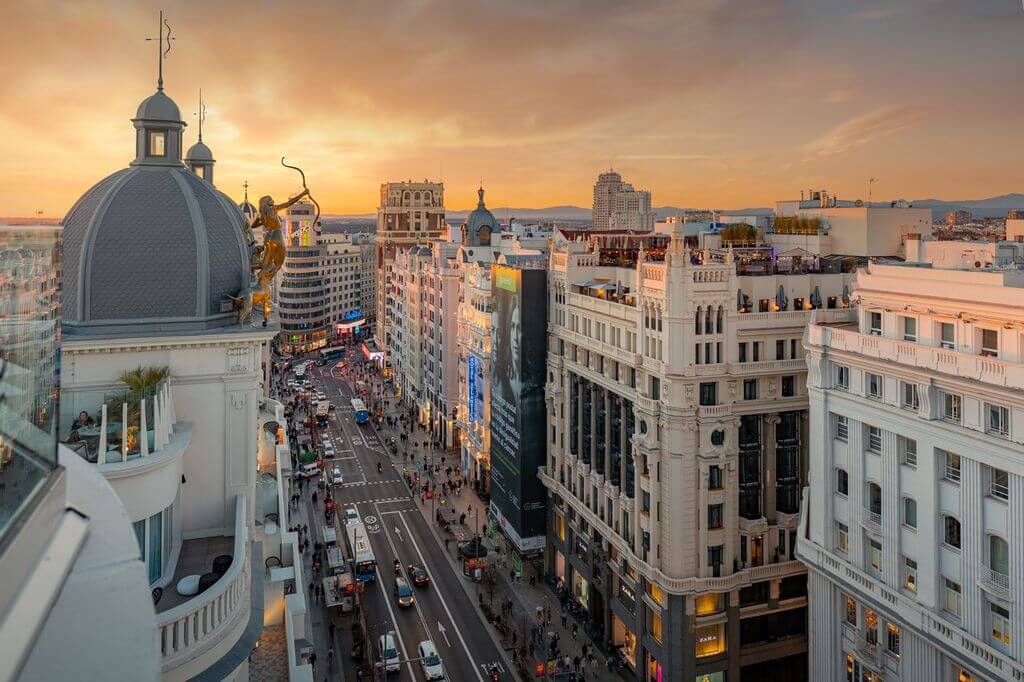
A short walk leads to the Plaza Mayor, a porticoed square that has served as the stage for royal weddings, inquisitions, and bullfights. Today, it remains a bustling theater of human activity. For the quintessential "local" experience, one must seek out a traditional calamari sandwich in the surrounding alleys—a culinary staple that reflects the city’s blue-collar roots.
The Royal Seat
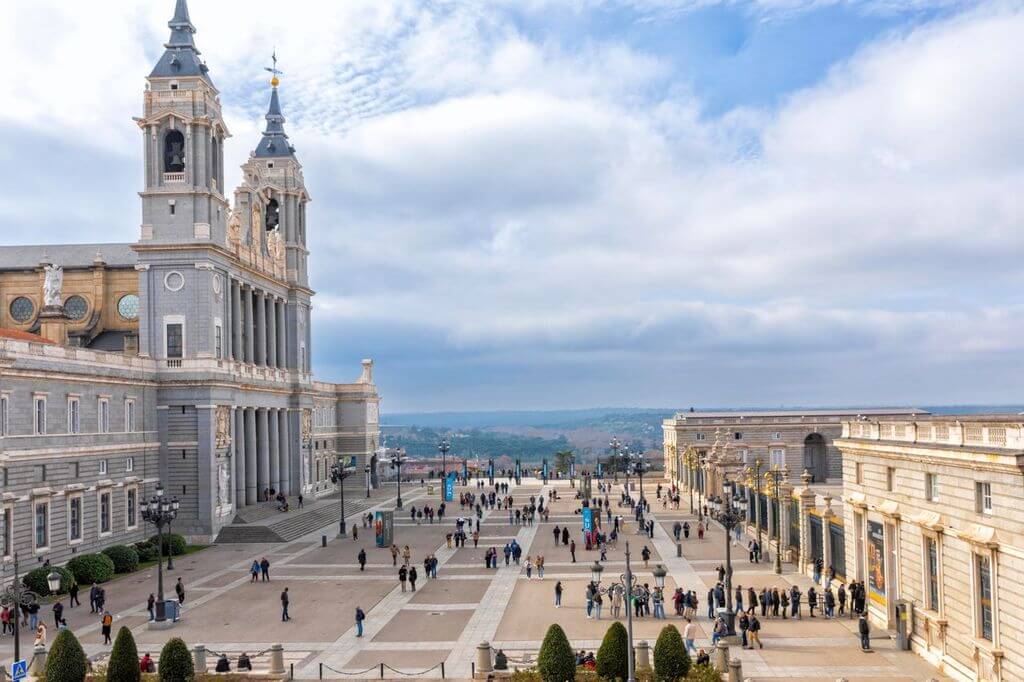
The Royal Palace of Madrid, the largest of its kind in Western Europe, offers a window into the 18th century. Though no longer a residential palace, its 3,400 rooms function as a living museum of Baroque excess. The adjacent Almudena Cathedral, completed as recently as 1993, provides a Neo-Classical counterpoint to the palace, with a dome that offers one of the most commanding views of the city skyline.
Day 3: A Culinary Odyssey
Madrid’s food scene is its most accessible attraction. Rather than relying on tourist-heavy hotspots, the savvy traveler navigates the city’s sprawling network of markets.
The Market Culture
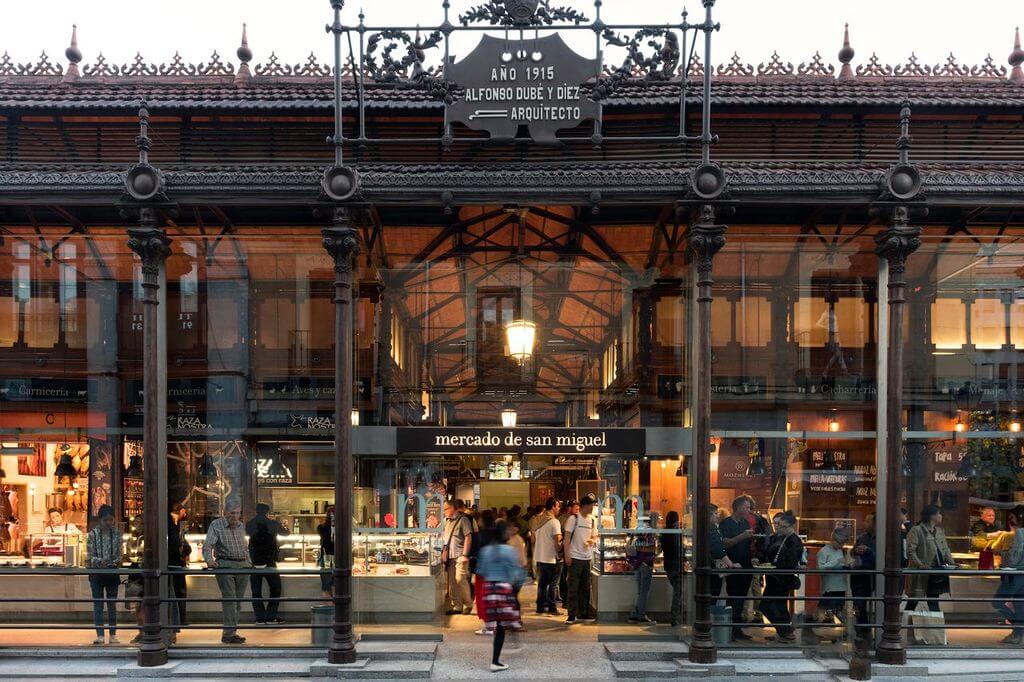
- Mercado de San Miguel: A glass-walled temple to gastronomy, perfect for afternoon tapas.
- Mercado de San Antón & Vallehermoso: These locations provide a more authentic look at the regional ingredients that drive Madrid’s kitchen.
The World’s Oldest Restaurant
For dinner, a reservation at Sobrino de Botín is a historical necessity. Recognized by the Guinness World Records as the oldest restaurant in the world, its 17th-century ovens have served everyone from local laborers to Ernest Hemingway.
Day 4: UNESCO Wonders and Imperial Echoes
While Madrid is a metropolis, it acts as a gateway to Spain’s broader heritage. A short commute via car or train reveals the depth of the Spanish monarchy’s influence.
- San Lorenzo de El Escorial: A massive, austere complex of granite that served as the royal tomb and monastery for Philip II. It stands as a testament to the solemnity of the Spanish Golden Age.
- Aranjuez: The Royal Palace and its expansive gardens, often compared to Versailles, provide a look at the "springtime" life of the Spanish kings.
- Alcalá de Henares: The birthplace of Miguel de Cervantes. This university town is a living museum of the Spanish Renaissance, perfectly preserved for modern observation.
Day 5: Off the Beaten Path
On the final day, the focus shifts to the monastic and the natural.
The Cloistered Treasures
The Monastery of Las Descalzas Reales and the Royal Monastery of La Encarnación offer a glimpse into the cloistered lives of the aristocracy. These sites, filled with religious relics and priceless art, maintain an active, somber atmosphere that contrasts sharply with the frantic energy of the city center.
The Green Lung: Casa de Campo
To conclude the trip, head to Casa de Campo. Once a royal hunting ground, this 17-square-kilometer park is now the city’s largest public space. A meal on one of the lakeside terraces, with the Royal Palace silhouetted against the sunset, provides the perfect closure to a five-day immersion.
Implications for the Modern Traveler
Madrid’s transformation over the last two decades has been remarkable. It has successfully balanced the preservation of its imperial history with a progressive, inclusive culture—as evidenced by its thriving vegetarian scene in neighborhoods like Malasaña.
For the budget-conscious traveler, Madrid remains highly accessible. By utilizing public transport, dining in traditional markets, and prioritizing free access to the city’s many public squares and park systems, one can experience the best of the capital without the prohibitive costs associated with other European capitals.
Logistical Considerations:
- Flights: Utilize search engines like Skyscanner to monitor fluctuating airfares.
- Accommodation: While hostels remain a popular choice, Booking.com continues to offer competitive rates for local guesthouses.
- Safety & Insurance: Regardless of the destination, comprehensive travel insurance is non-negotiable. It provides a safety net against the unpredictable nature of international transit.
Madrid is not a city to be "checked off" a list; it is a city to be experienced. It is a place of contradictions—where the ancient and the avant-garde coexist—and it remains, unequivocally, one of the most vibrant urban centers in the world.