In the vast, silent vacuum of space, humanity’s greatest ambition often becomes its most profound undoing. While traditional horror leans on the tangible—a slasher’s blade, a malevolent spirit, or a creature in the shadows—cosmic horror operates on a more existential frequency. It is the terror of realizing that the universe is not only indifferent to our survival but that there are dimensions of reality so alien, so antithetical to human biology and sanity, that merely glimpsing them constitutes a death sentence.
Paul W.S. Anderson’s 1997 cult classic Event Horizon remains the definitive cinematic bridge between the cold, sterile aesthetic of hard science fiction and the visceral, blasphemous gore of gothic horror. Following years of mixed critical reception and its status as a notorious box-office underperformer, the film has undergone a massive cultural reassessment. As audiences continue to seek out the disorienting, reality-bending dread that only true cosmic horror can provide, Event Horizon has found new life. For those looking to confront the void, the film is now available to stream for free on Pluto TV.
The Premise: A Rescue Mission Into Hell
Set in the year 2047, Event Horizon begins with a classic sci-fi setup that quickly devolves into a descent into madness. A distress signal is intercepted from the Event Horizon, a revolutionary starship that vanished seven years prior during its maiden voyage. The vessel, equipped with an experimental "gravity drive" capable of folding space-time, was presumed lost.
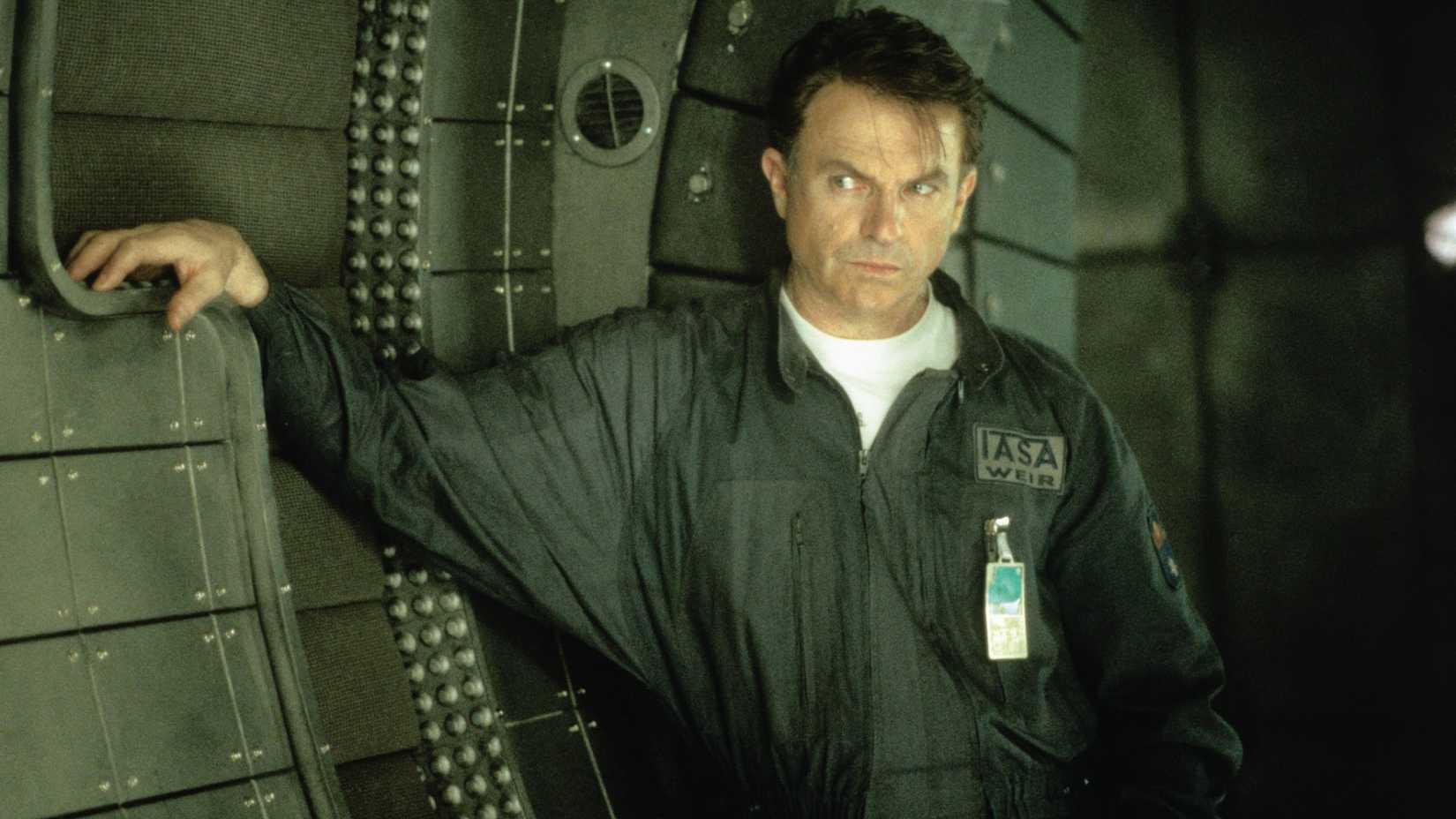
A rescue crew, led by the pragmatic and battle-hardened Captain Miller (played with gravitas by Laurence Fishburne), is dispatched to locate the ship. They are accompanied by Dr. William Weir (Sam Neill), the brilliant yet haunted architect of the gravity drive. What the team expects is a salvage operation; what they find is a vessel that has seemingly returned from a place that should not exist. The ship is not just a wreck—it is a monument to human hubris, an entity that has been "changed" by its journey into the unknown.
Chronology of a Nightmare
To understand the impact of Event Horizon, one must look at the progression of the narrative’s encroaching dread:
- The Disappearance (2040): The Event Horizon launches with the mission to test a gravity drive. It vanishes instantly, leaving no trace.
- The Distress Signal (2047): Seven years later, the signal is received. It is cryptic, haunting, and seemingly contains a plea in Latin: Liberate me (Save me/Free me).
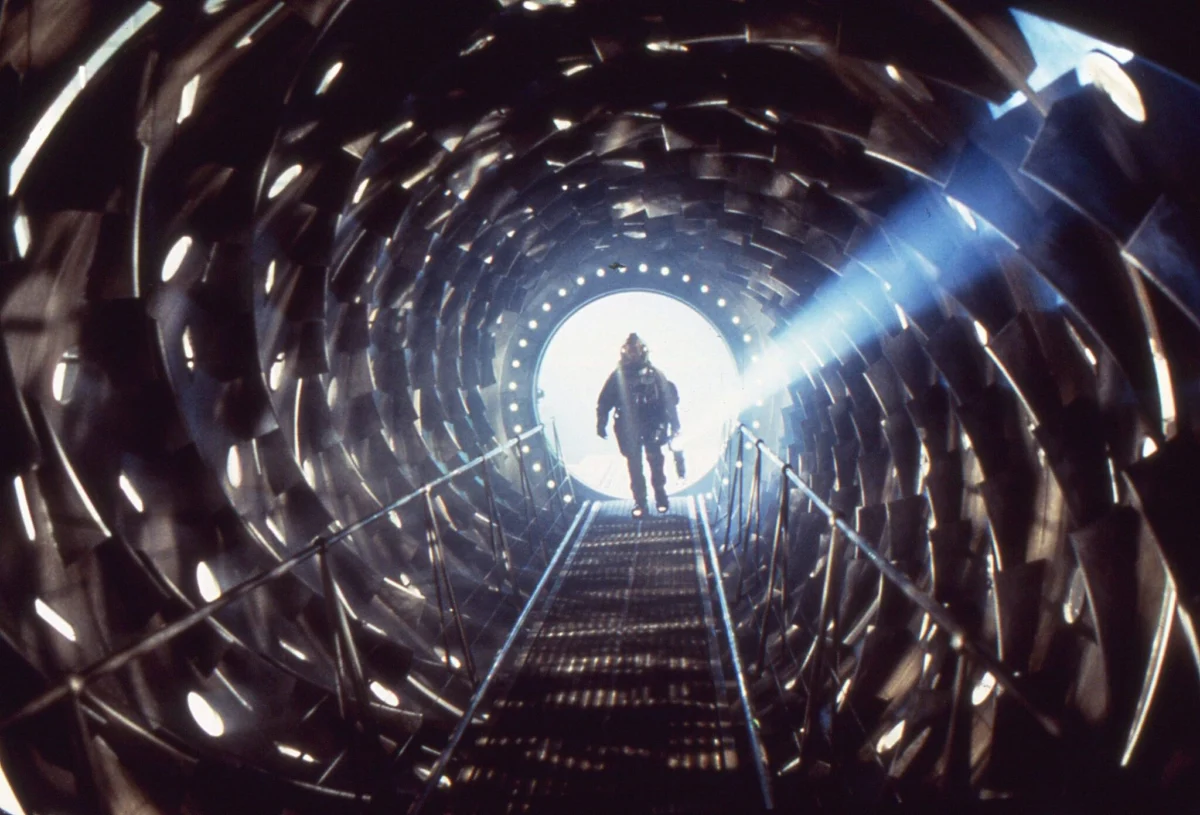
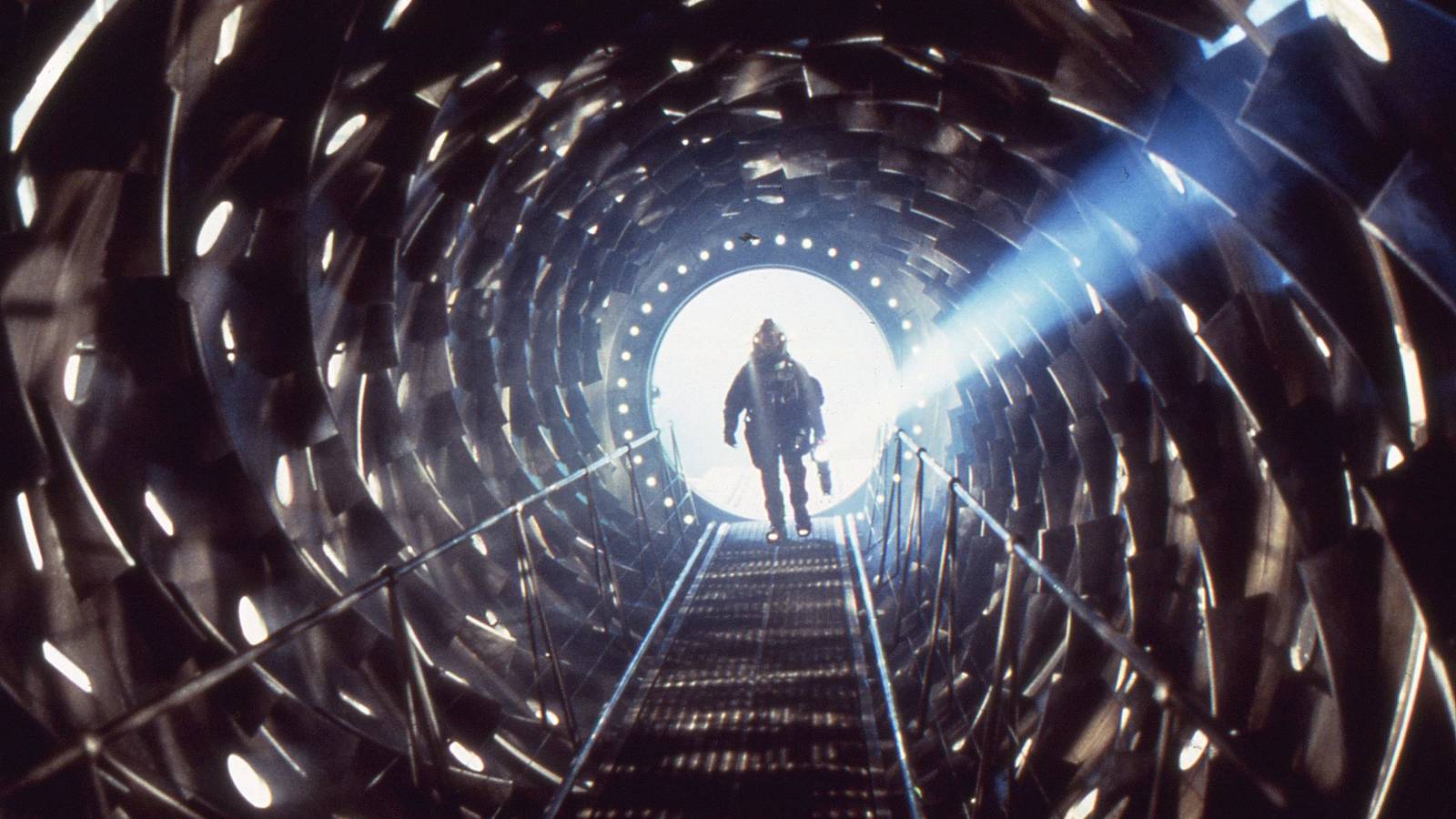
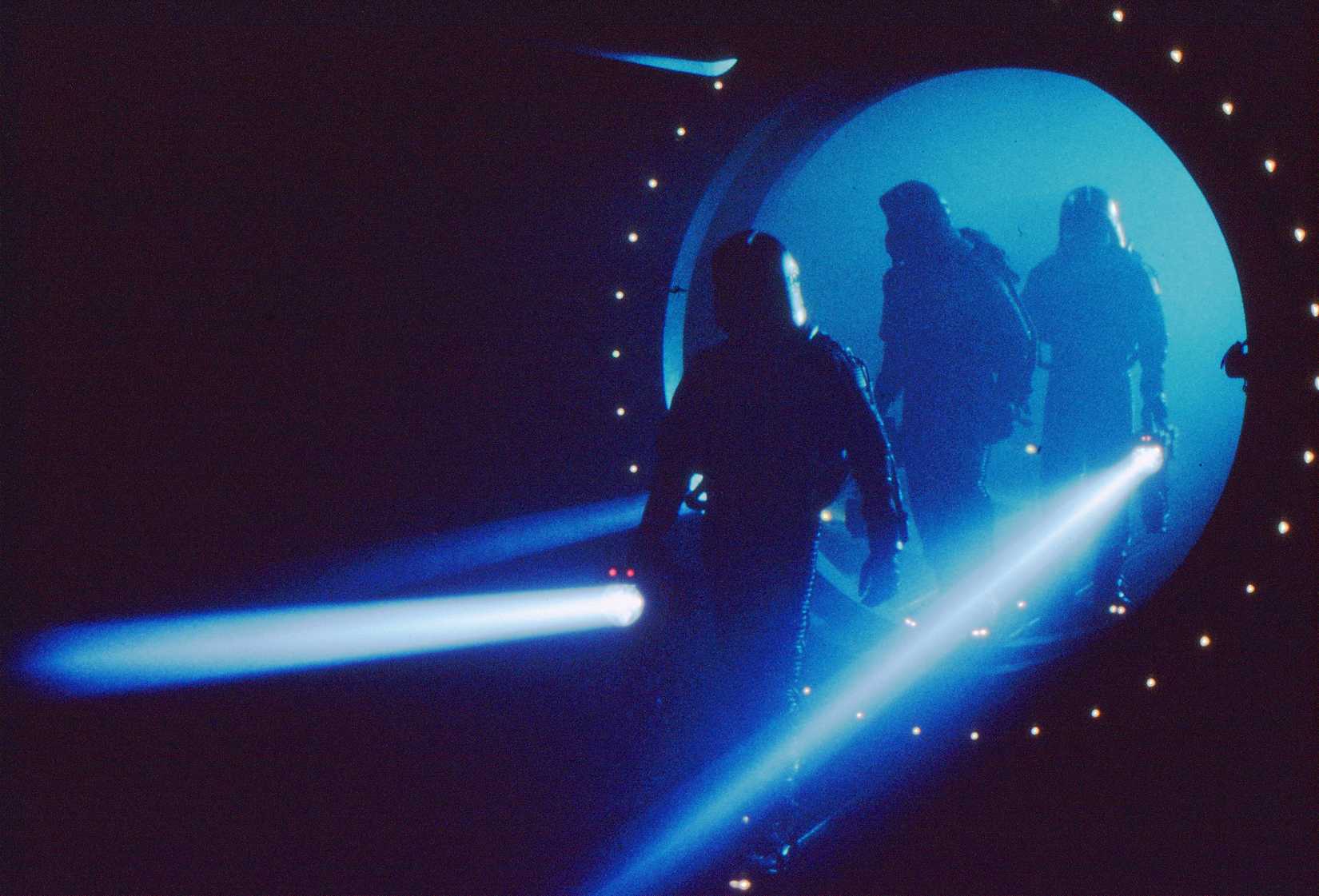
- The Arrival: The rescue ship, the Lewis and Clark, docks with the Event Horizon. The environment is immediately off-putting; the ship’s interior feels less like a vessel of exploration and more like a floating, industrial cathedral.
- The Revelation: As the crew begins their investigation, they discover the tragic fate of the original passengers. The gravity drive did not simply move the ship through space; it punched a hole into a dimension of pure, unadulterated chaos—a "dimension of pure chaos" that some interpret as a literal, physical manifestation of Hell.
- The Escalation: The ship begins to exert a psychic influence on the crew, weaponizing their personal traumas and deepest guilts. The lines between reality and hallucination dissolve, leading to a series of gruesome, surreal sequences that push the boundaries of 90s visual effects.
Supporting Data: Aesthetic and Thematic Innovation
The longevity of Event Horizon is largely due to the singular vision of director Paul W.S. Anderson, who chose to break away from the "lived-in" industrial aesthetic popularized by Ridley Scott’s Alien.

In an interview with The Ringer, Anderson noted, "I wanted to do something different that hadn’t been done in spaceships before, and because we were telling a gothic horror story, I reached back in time." By incorporating the architectural sensibilities of the Notre Dame Cathedral into the ship’s design, Anderson created a setting that felt oppressive, ancient, and inherently evil.
This thematic choice separates the film from contemporaries like Solaris (1972) or The Thing (1982). While those films focus on psychological isolation or biological mimicry, Event Horizon posits that the universe contains "forbidden knowledge." When the human mind is exposed to this information, it is stripped of its ability to perceive reality correctly—a concept echoed in the film’s chilling line: "Where we’re going, we won’t need eyes to see."
The Legacy of Cosmic Dread
Event Horizon sits comfortably alongside other pillars of the genre, such as the Lovecraftian insanity of John Carpenter’s In the Mouth of Madness or the reality-defying puzzles of The Endless and Coherence. Like Clive Barker’s Hellraiser, the horror here is not just physical; it is spiritual and existential. It suggests that there is a threshold to human discovery, and once crossed, there is no returning to the status quo.
The film’s willingness to lean into "gnarly" practical effects and psychological torture makes it a standout. The characters are not merely victims of a monster; they are victims of their own pasts, forced to confront the manifestations of their guilt in a environment where the laws of physics—and morality—have been suspended.
Implications for Modern Science Fiction
The enduring fascination with Event Horizon points to a larger trend in modern genre media: a hunger for "high-concept" horror that challenges the audience. We are no longer satisfied with simple scares; we are drawn to the idea that the universe is vast, dangerous, and utterly indifferent to our existence.
The rumors of potential sequels or adaptations in the comic book medium suggest that the Event Horizon mythos still has more to offer. The concept of a ship that serves as a gateway to an extradimensional hell is a narrative goldmine. It serves as a warning against the dangers of scientific hubris, a trope as old as Frankenstein but uniquely terrifying when transposed to the deep, dark, and silent reaches of the cosmos.
Why You Should Watch It Now
Despite its initial reception in 1997, Event Horizon has aged remarkably well. Its practical sets, disturbing atmosphere, and commitment to a bleak, uncompromising narrative make it a quintessential viewing experience for fans of horror.
In an era where we are constantly searching for the next big sci-fi hit, it is worth returning to this foundational work of cosmic dread. Whether it is your first time witnessing the horrors of the gravity drive or your tenth, the film’s ability to disturb remains undiminished.
Streaming Availability: You can experience the descent into the void for free on Pluto TV. Be warned: once you see what lies on the other side of the Event Horizon, you may never look at the stars the same way again.