Nineteen years ago, the island of Ko Lipe was a whisper in the backpacker circuit—a remote, jagged emerald set in the Andaman Sea. For those who found it in 2006, it was the pinnacle of the "off-the-beaten-path" experience. Electricity was a luxury provided only for a few hours each evening; basic, sand-dusted bungalows could be secured for $2 USD a night; and the rhythm of life was dictated not by schedules, but by the tides and the arrival of the final boat for the season.
Today, that version of Ko Lipe exists only in the memories of those who were there. Following a return visit nearly two decades later, the reality of the island’s transformation serves as a sobering case study in the dangers of unchecked tourism.
A Chronology of Transformation
The metamorphosis of Ko Lipe did not happen overnight, but rather through a slow, steady encroachment of concrete and capital.
2006: The Golden Era of Isolation
In the mid-2000s, Ko Lipe was defined by its limitations. The island was a sanctuary for the intrepid. Visitors spent their days snorkeling in pristine waters, reading on quiet stretches of sand, and rotating between a handful of local eateries. There was a palpable sense of community—a mix of locals and travelers forging genuine connections. It was, by all accounts, the quintessential backpacker dream.
2010s: The Rise of Infrastructure
As word spread, the island’s accessibility improved, and with it, the pressure to accommodate mass tourism. Dirt paths were widened and eventually paved over with concrete to support the influx of vehicles and heavy construction machinery. Palm groves were cleared to make room for high-end, air-conditioned resorts.
2024–2025: The Current Reality
Returning to the island during the recent New Year’s holiday, the landscape is unrecognizable. The "last boat" sentiment has been replaced by a constant hum of engines. The island is no longer a quiet retreat; it is a hub of frenetic construction, with new, modern resorts appearing at a pace that far exceeds the island’s natural infrastructure capabilities.
The Physical and Ecological Toll
The cost of this development is not merely aesthetic; it is environmental. Ko Lipe is a small island with no natural water supply, yet it now supports a high-density tourist population. The demand for water, electricity, and waste management has strained the island’s resources to a breaking point.
The Ecological Footprint
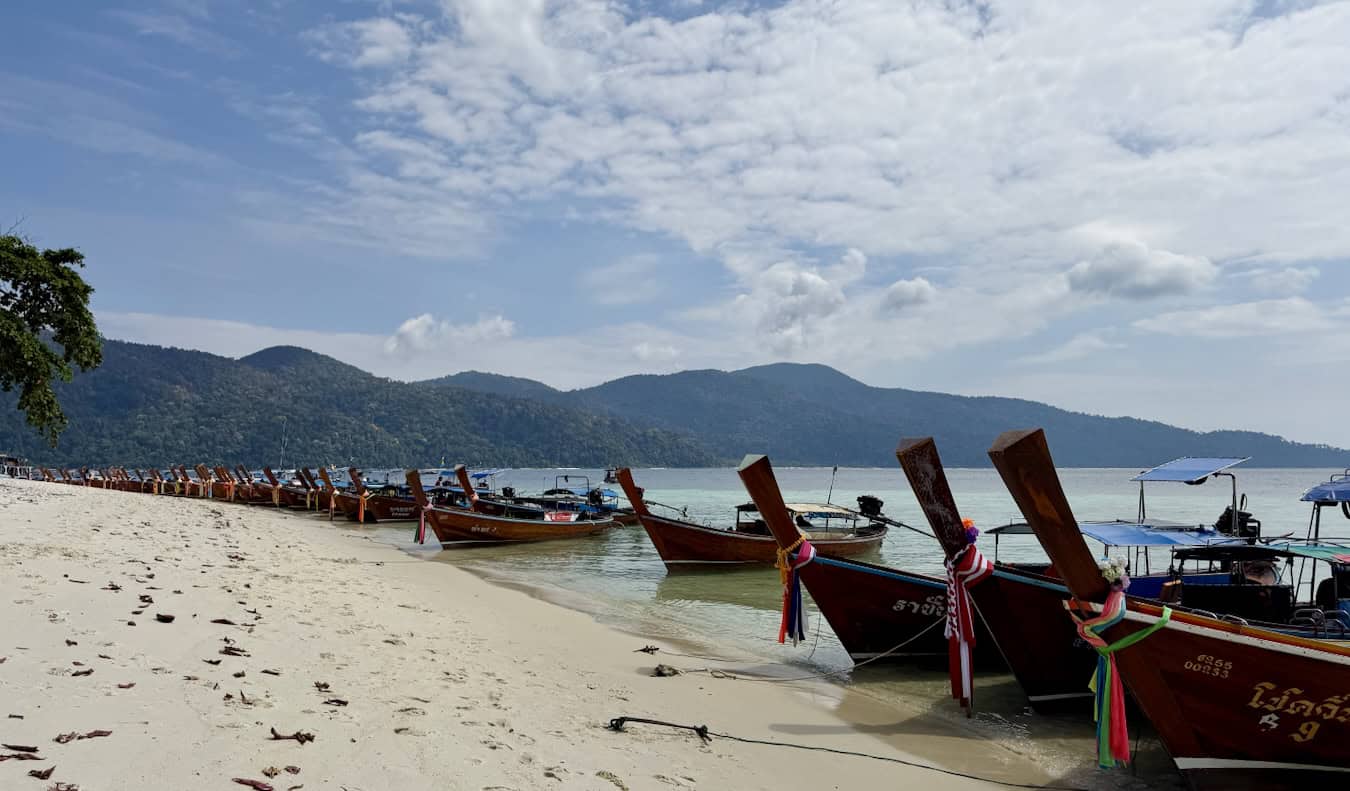
- Coral Degradation: The once-vibrant reefs surrounding the island are in visible decline. The dual threats of anchor damage and chemical pollution from the dense flotilla of longtail boats have smothered the coral.
- Water Pollution: Swimmers often report a faint, oily sheen on the surface of the water near the shore—a direct consequence of the constant traffic of engines and the lack of advanced filtration systems.
- Waste Management: The sheer volume of waste generated by thousands of visitors—coupled with the displacement of natural habitats for high-end developments—has left the island’s ecosystem gasping for air.
The Human Cost
The socioeconomic impact on the local community has been equally profound. Many indigenous residents have been priced out, forced to sell their land to mainland developers. Consequently, the local labor market is now dominated by migrant workers from the mainland who see little of the economic windfall generated by the tourism boom. The island has effectively been hollowed out, losing the very cultural fabric that once made it a compelling destination.
The Illusion of the "Postcard" Experience
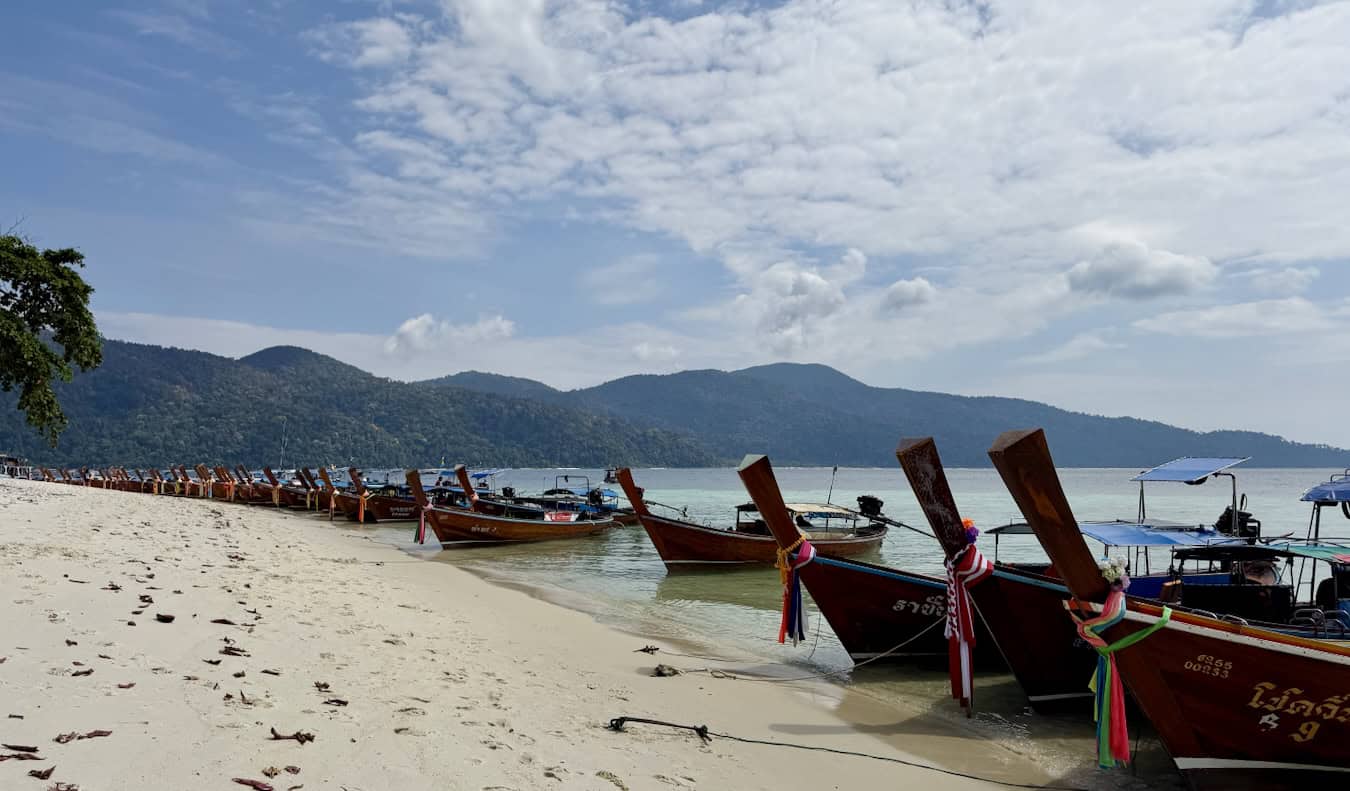
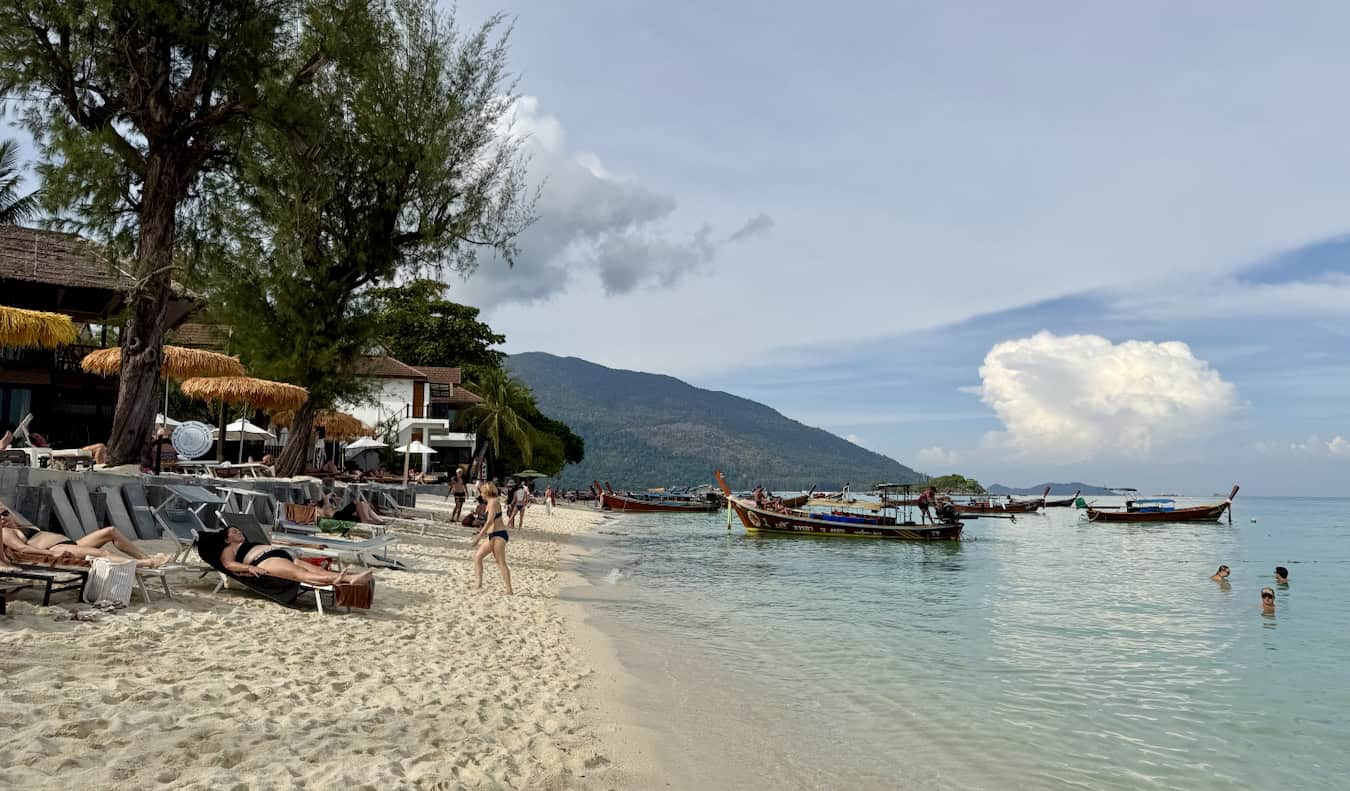
Despite the systemic issues, Ko Lipe remains undeniably beautiful. For a first-time visitor, the azure waters and white sand beaches are still striking. Many tourists arrive and immediately marvel at the scenery, largely unaware of the environmental degradation occurring beneath the surface.
However, this "postcard-perfect" facade is deceptive. When compared to the rapid, uncontrolled development seen in places like Ko Phi Phi, Krabi, or Phuket, Ko Lipe is often perceived as "less developed." This comparative illusion keeps the cycle of tourism alive, as travelers justify their presence by noting that the island is "not as bad" as its neighbors.
The Ethical Dilemma: Is Change Possible?
The question of whether Ko Lipe can be saved is complex. "You can’t put the genie back in the bottle," as the saying goes. The current economic model relies on continuous expansion to pay for the initial investments made by developers. No local business owner is likely to halt their operations to preserve an "idealized vision" of the past if it means financial ruin.
However, the power of consumer choice remains the most potent tool in the traveler’s arsenal.
The Shift in Consumer Consciousness
We have seen this change before. The shift away from elephant riding in Thailand, for instance, was driven entirely by a more conscious, educated consumer base. Similarly, the rise of eco-lodges and sustainable tourism certifications has forced the industry to adapt to demand. If enough travelers begin to pivot toward better-managed, sustainable destinations, the market forces governing Ko Lipe might eventually shift.
Recommendations for the Conscious Traveler
If you are currently planning a trip to Thailand, the most impactful decision you can make is to vote with your feet. While the desire to see "paradise" is strong, the preservation of these ecosystems requires sacrifice.
Consider Alternatives
Instead of adding to the burden of overtaxed destinations like Ko Lipe, consider visiting islands where development is more carefully managed and the local community retains greater control over their environment:
- Ko Lanta: Known for its commitment to slower, more sustainable tourism and its diverse, welcoming community.
- Ko Jum: Offers a quiet, low-impact experience that feels like a throwback to the quieter days of Thai tourism.
- Ko Mook: A smaller, more manageable island that has avoided the rampant over-construction of its larger neighbors.
Final Implications: The Power of Refusal
It is painful to acknowledge that a place which once shaped one’s love for travel has become a cautionary tale. However, the role of a responsible traveler is not to blindly follow the trail of those who came before, but to critically assess the impact of one’s footprint.
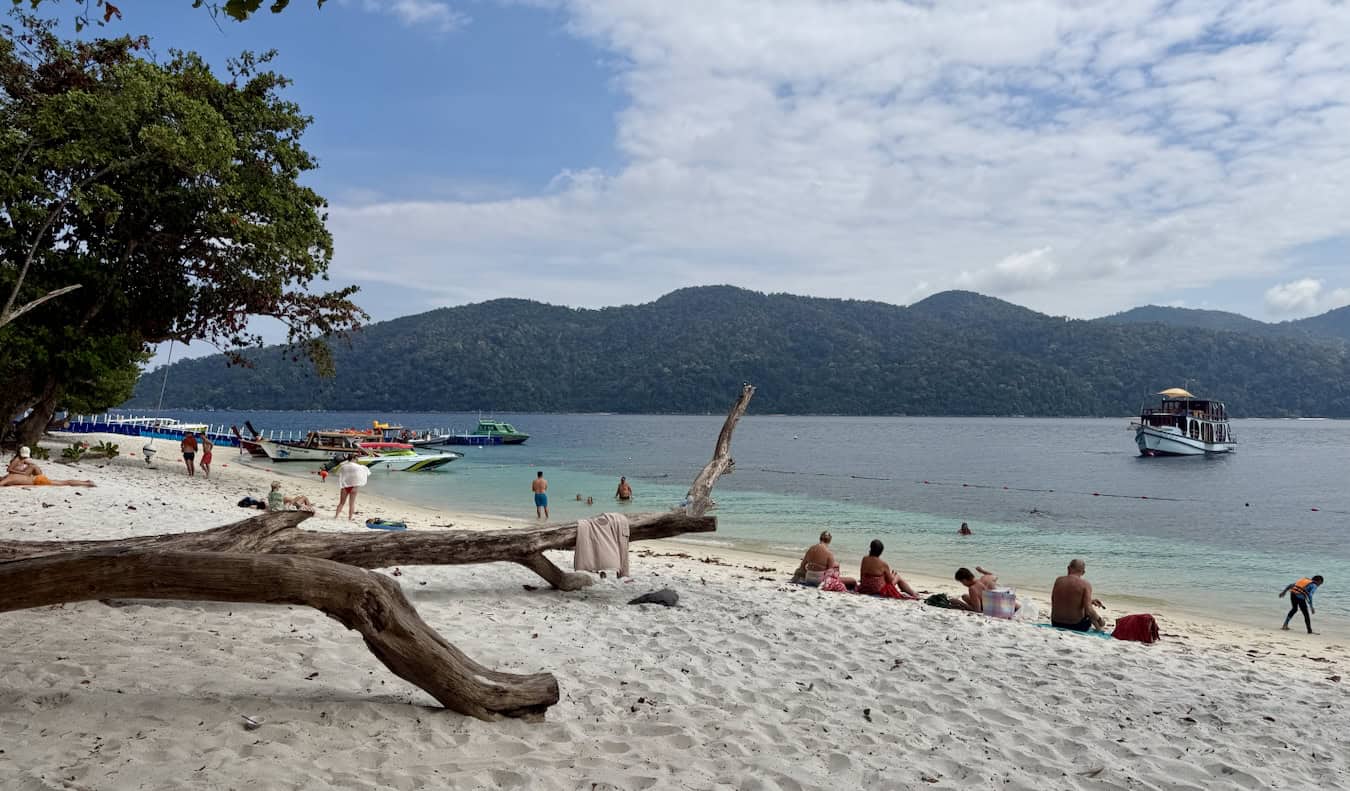
By choosing not to visit Ko Lipe, you are not merely "missing out"; you are actively refusing to contribute to a cycle of exploitation. If the goal is to be a good steward of the world’s remaining natural wonders, sometimes the most profound thing you can do is stay away.
The future of Southeast Asia’s islands depends on the collective refusal to accept the "Ko Phi Phi model" of development as the standard. Change is unlikely to happen overnight, and it may not happen at all, but by opting for better-managed alternatives, you ensure that you are not part of the problem. Your choices matter—perhaps now more than ever.
Logistical Tips for Sustainable Travel in Thailand
For those still intent on exploring the beauty of Thailand, ensure your journey is as low-impact as possible:
- Research Before You Book: Use platforms that prioritize sustainable accommodations and operators.
- Support Local: When you do travel, prioritize locally-owned businesses, markets, and restaurants that source from the community.
- Travel Insurance: Never skip this. Unexpected illnesses or travel issues are more common than you think. Use reputable providers to ensure you are covered without adding unnecessary complexity to your trip.
- Stay Informed: Keep up to date with environmental reports on the regions you plan to visit. Resources like the Tourism Authority of Thailand’s sustainable initiatives pages can provide insight into which areas are prioritizing conservation.