For the modern digital nomad, the dream of "working from anywhere" is frequently interrupted by the stark reality of poor infrastructure. The romanticized image of a laptop on a beach is often replaced by the frustrating experience of hunching over a cramped hostel desk or battling unreliable Wi-Fi in an Airbnb that promised high-speed connectivity but delivered a dial-up experience.
As remote work has transitioned from a temporary pandemic measure to a permanent fixture of the global labor market, the demand for dedicated, professional-grade infrastructure has surged. Enter the era of coliving—a hybrid model that blends the productivity of a high-end office with the social connectivity of a boutique hostel. At the forefront of this movement is Outsite, a platform that is fundamentally altering how location-independent professionals navigate their dual lives as employees and travelers.
The Genesis of the Coliving Movement: Main Facts
Founded in 2015, Outsite began with a singular, modest vision: to provide a sanctuary in Santa Cruz, California, for surfers who needed to remain tethered to their professional responsibilities. What started as a niche experiment has blossomed into a global network of over 50 locations, serving a community of more than 5,000 members.
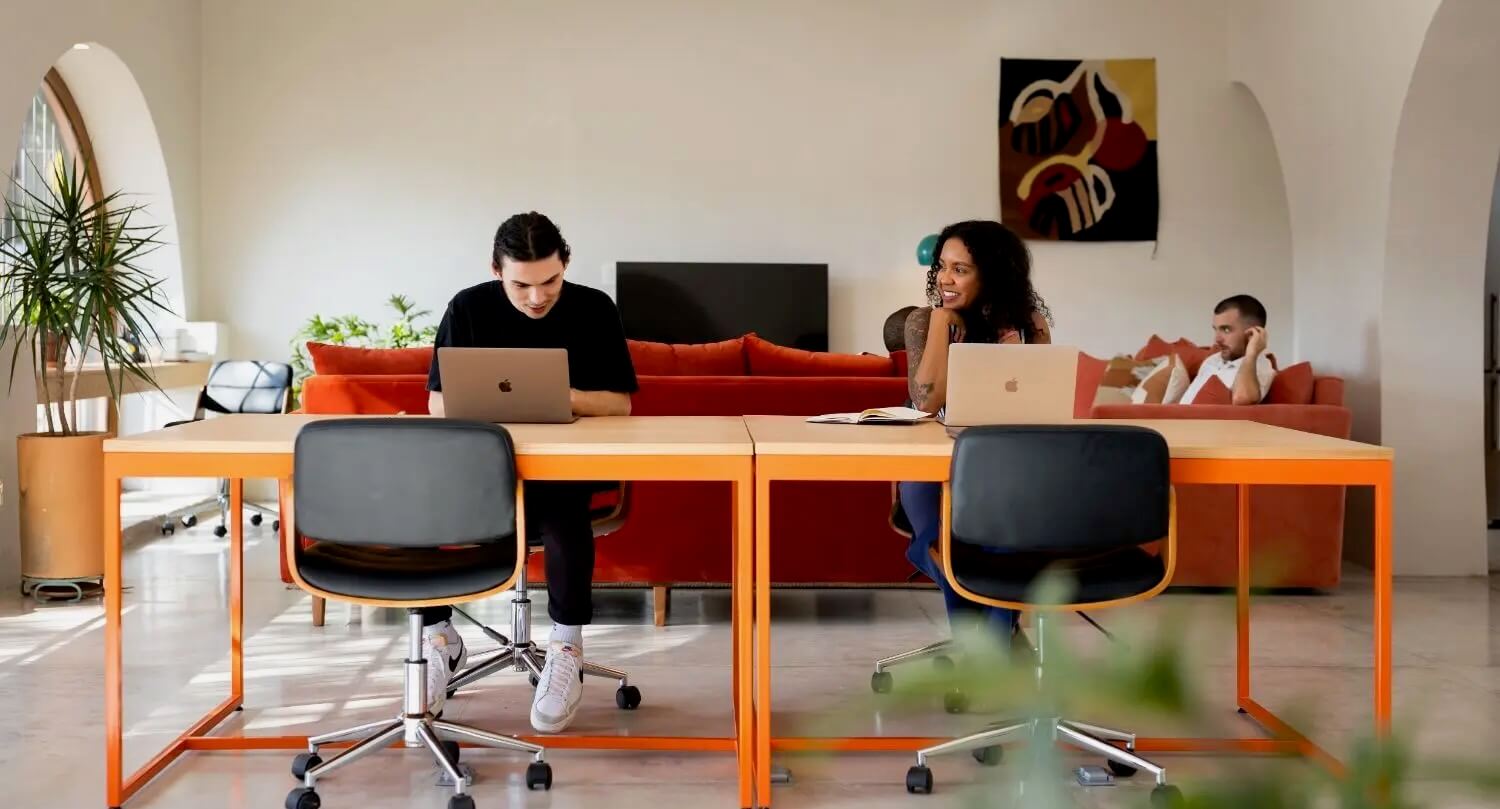
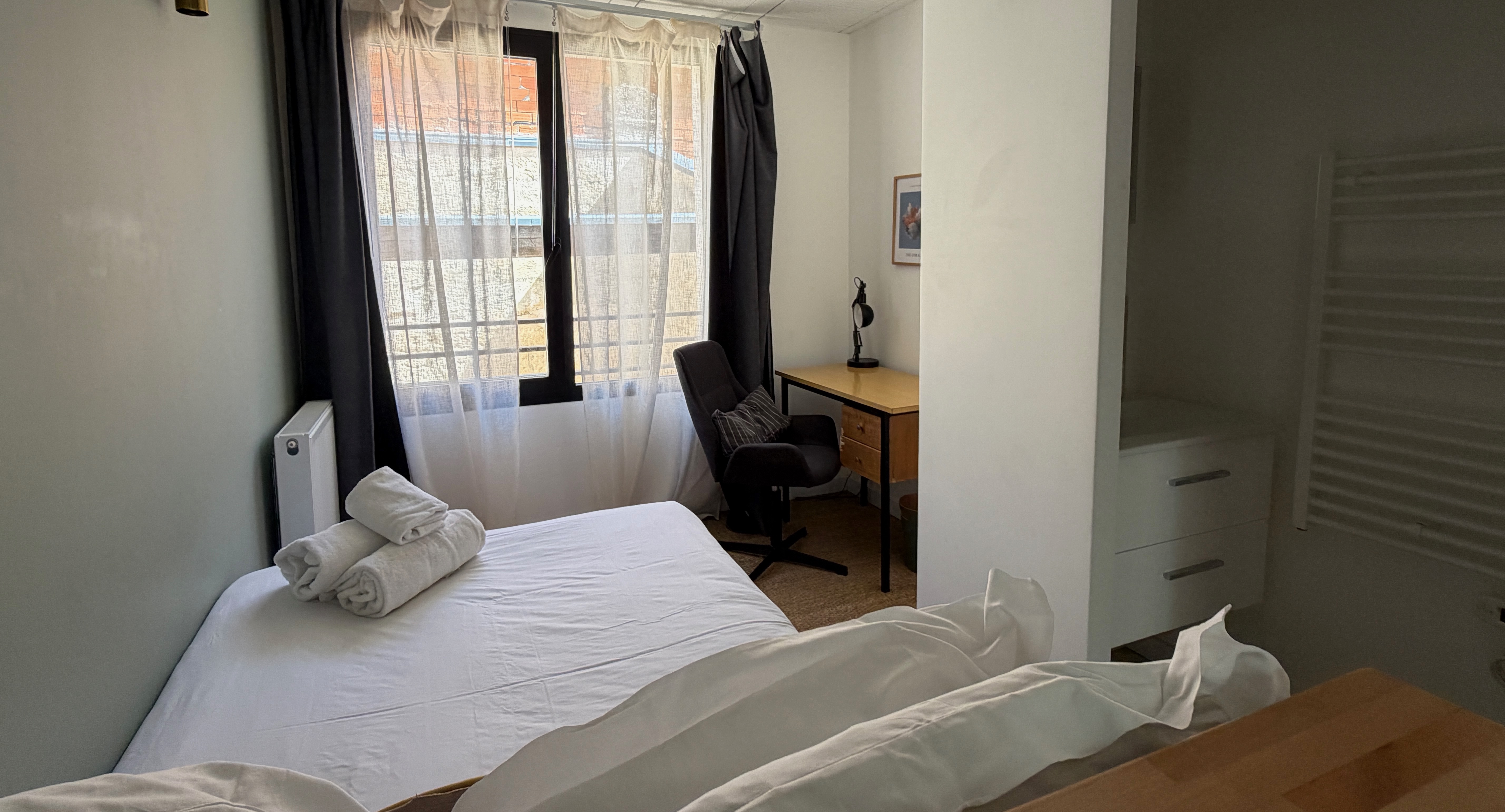
The core premise of Outsite is the elimination of "nomad friction." By providing turnkey, professionally managed environments, the platform solves the three biggest pain points for remote workers: inconsistent internet, lack of ergonomic workspaces, and the profound social isolation that often accompanies solo travel. Unlike traditional rentals, Outsite properties are specifically curated for the "work-play" lifestyle, featuring enterprise-grade Wi-Fi, ergonomic workstations, and communal living spaces designed to foster networking.
Chronology of a Digital Transformation
The rise of the coliving industry is a direct response to the democratization of remote work.
- 2015: Outsite is established to bridge the gap between outdoor recreation and professional necessity.
- 2019: The "Work from Anywhere" movement gains mainstream traction, prompting Outsite to expand beyond the California coast into European and Latin American markets.
- 2020–2022: The COVID-19 pandemic accelerates the adoption of remote work, leading to a surge in demand for long-term, stable accommodation that offers a community-centric environment.
- 2023–Present: The industry matures, shifting toward a membership-based model that offers tiered benefits, including flash sales, access to exclusive locations, and specialized career-focused resources.
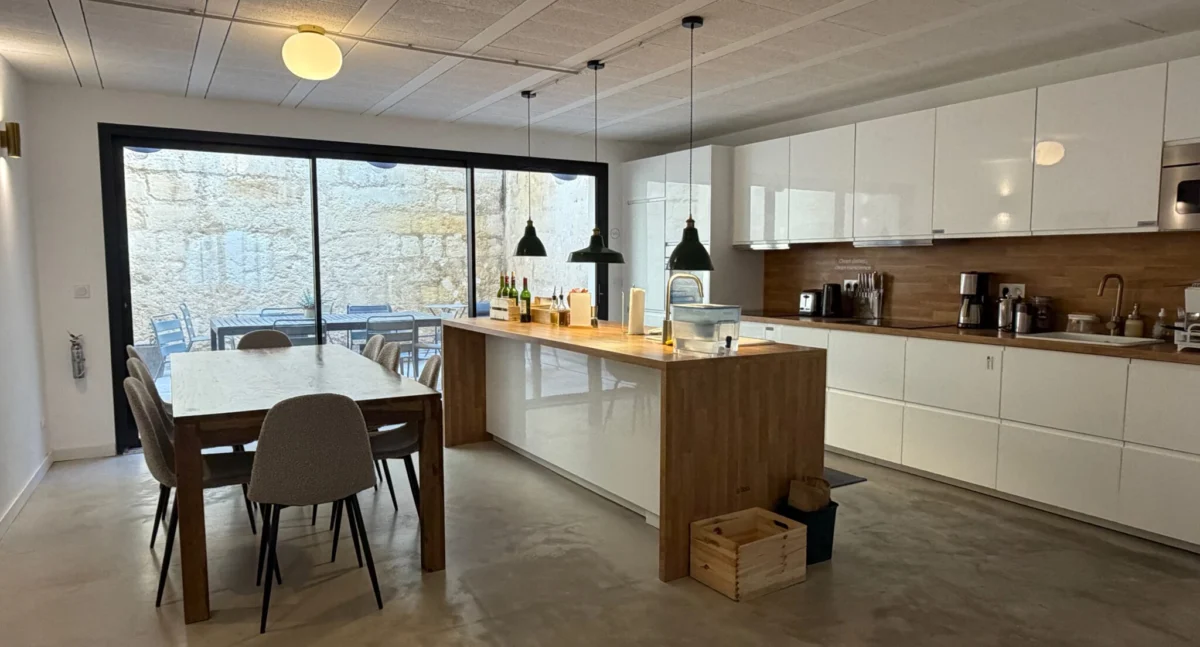
During a recent stay at the Outsite location in Bordeaux, France, the efficiency of this model became clear. The transition from travel to deep-focus work took less than five minutes—a stark contrast to the hours typically wasted searching for suitable coffee shops or troubleshooting unstable residential internet.
Supporting Data: The Economics of the Coliving Model
Critics often point to the price point of coliving spaces as a deterrent, but a granular analysis of the costs reveals a different story. While Outsite is not designed for the budget backpacker accustomed to $15-a-night dorms, it offers significant value when the hidden costs of remote work are factored in.
When a digital nomad rents a standard apartment, they often face:
- High upfront costs: Security deposits and short-term lease premiums.
- Productivity loss: The recurring expense of a monthly coworking space pass, which can range from $150 to $400 USD per month.
- Utility and amenity gaps: The cost of upgrading local internet or purchasing ergonomic equipment.
By bundling high-speed fiber internet, professional furniture, cleaning services, and community events into a single price, Outsite creates a cost-effective ecosystem. Members who pay the $199 annual fee (or $499 for lifetime access) unlock discounted rates and, more importantly, a "professional network effect." For the professional who bills by the hour, the ability to maintain consistent productivity from the moment they arrive in a new city represents a significant return on investment.
Professional Perspectives and Community Dynamics
The "Community Manager" role is arguably the most critical component of the Outsite infrastructure. This person is not merely a concierge; they are a social architect. In Bordeaux, the community manager acted as a bridge between the residents and the local culture, facilitating everything from tapas crawls to professional networking dinners.
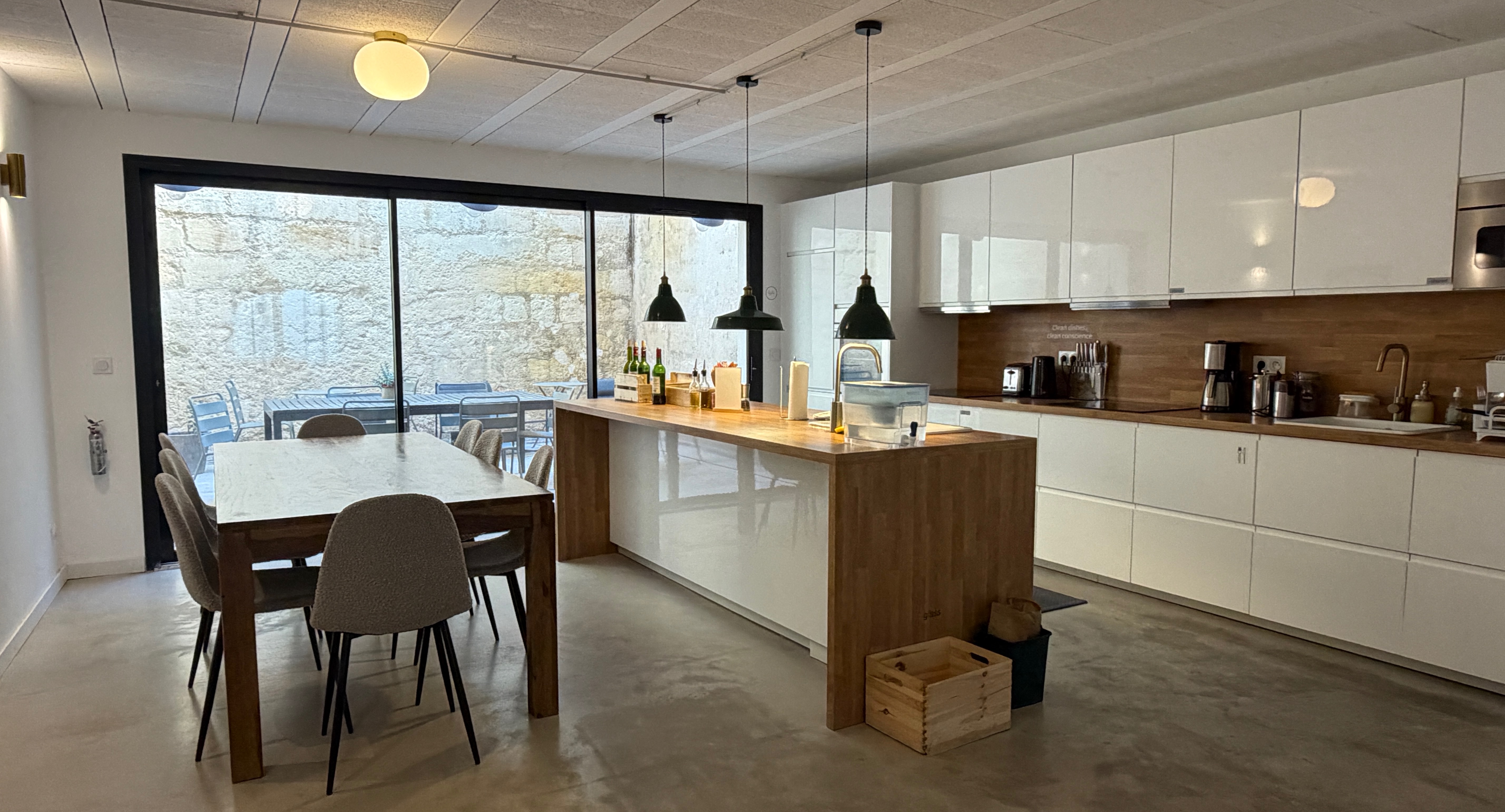
This focus on human connection addresses the "loneliness epidemic" often cited by long-term remote workers. Because the demographic skew is toward professionals in their late 20s, 30s, and 40s, the environment is conducive to both deep work and high-level networking. Unlike a social hostel, where the primary objective is tourism, an Outsite property functions as an incubator. Conversations in the communal kitchen often drift from local sightseeing to software architecture, marketing strategies, or business pivots. This shared professional bond creates a sense of belonging that is rarely found in the transient nature of traditional travel.
The Implications for Global Work Culture
The rise of platforms like Outsite signals a fundamental shift in how corporations and individuals view the workplace.
1. The Death of the Sterile Office
The design language of these spaces—which prioritizes natural light, biophilic elements (plants), and local art—offers a stark rejection of the sterile, fluorescent-lit corporate cubicle. It demonstrates that when employees are given autonomy over their environment, their output and job satisfaction increase.
2. The Professionalization of Nomadic Life
As more companies move to "remote-first" policies, the standard of living for digital nomads is being elevated. We are moving away from the "hacker in a hostel" stereotype toward a future where professional-grade living is a mobile commodity.
3. Regulatory and Logistical Challenges
Despite the growth, the model faces hurdles. In cities with restrictive housing laws, such as New York or Paris, coliving platforms often struggle to maintain short-term availability, sometimes requiring minimum stays of 30 days. This creates a regulatory divide where the digital nomad lifestyle is easier to sustain in some jurisdictions than others, potentially dictating the next major "nomad hubs" of the world.
Conclusion: Finding Your Tribe
The challenges of the digital nomad lifestyle are real, but they are no longer insurmountable. The evolution of platforms like Outsite demonstrates that we have reached a stage where travel and career progression are no longer mutually exclusive.
For the professional who refuses to sacrifice the comfort of a high-quality desk chair or the stimulation of a consistent social circle, the coliving movement provides a viable, sustainable, and highly productive path forward. As we look to the future of work, the most successful professionals will be those who curate their environment as carefully as they curate their skills. Whether you are seeking a quiet mountain retreat or a bustling urban center, the modern coliving space offers more than just a room—it offers a community that understands the unique, often lonely, and highly rewarding journey of the digital nomad.
Strategic Travel Resources: A Summary for the Modern Nomad
For those looking to transition into this lifestyle, preparation is key. Regardless of your chosen accommodation, ensure your logistical foundation is sound:
- Flight Logistics: Utilize platforms like Skyscanner to ensure total market coverage when hunting for airfare.
- Insurance: Never bypass travel insurance. For the digital nomad, comprehensive coverage for equipment theft and health emergencies is non-negotiable.
- Financial Tools: Leverage travel credit cards to maximize points, effectively subsidizing your future flights and accommodations through your necessary day-to-day spending.
- Local Immersion: Use services like Get Your Guide to find curated experiences that allow you to engage with a city beyond the walls of your workspace.
By combining the structural integrity of platforms like Outsite with smart financial planning, the world truly becomes an office without walls. It is time to stop searching for a quiet corner in a loud coffee shop and start building a life that supports both your ambition and your sense of wonder.