September 30, 2026
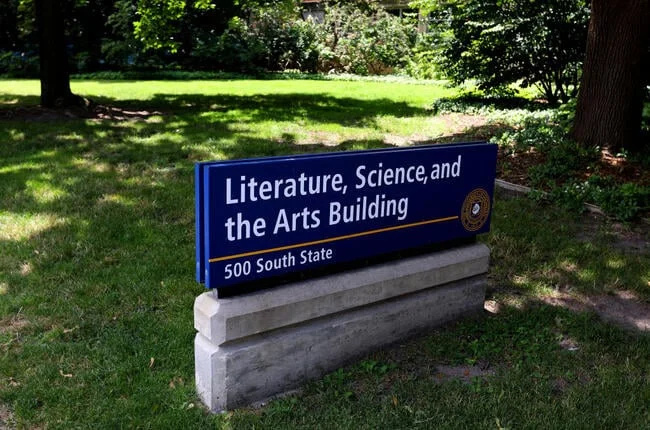
In a sudden reversal of policy, the University of Michigan’s College of Literature, Science, and the Arts (LSA) has officially paused its controversial “pass-no credit” (PNC) grading pilot. The initiative, which was intended to reshape the academic experience for incoming first-year students, had garnered significant national attention since its announcement in August. The suspension, confirmed by university leadership on Tuesday, marks a retreat in the face of mounting public scrutiny and concerns that the program was being misinterpreted by stakeholders and the media.
The pilot, scheduled for a fall 2027 debut, would have fundamentally altered the first-semester experience for thousands of students by removing traditional letter grades from their official transcripts and GPAs. While the intention was to prioritize mental health and academic exploration, the university has now concluded that the “distorted narratives” surrounding the program could do more harm than good.
The Chronology: A Rapid Rise and Abrupt Halt
The trajectory of the LSA grading pilot was marked by ambitious pedagogical goals followed by a swift collision with external public opinion.
- August 2026: The University of Michigan announces a bold experiment: all first-year students within the College of LSA would transition to a mandatory pass-no credit grading system for their first semester. The stated goal was to alleviate the intense pressures of the transition to university life and address the burgeoning mental health crisis among college-aged students.
- Late August – September 2026: As details of the plan spread beyond the Ann Arbor campus, the program becomes a lightning rod for national debate. Critics in the media and academic blogosphere characterized the move as an erosion of academic rigor, suggesting that the university was “coddling” students or creating a bubble that failed to prepare them for the real world.
- September 29, 2026: The Michigan Daily breaks the news that the college is hitting the brakes on the project.
- September 30, 2026: University President Domenico Grasso issues a formal letter to LSA leadership, confirming that the pilot is paused indefinitely to allow for further analysis, stakeholder input, and a cooling-off period.
The Mechanics of the Proposed Pilot
To understand why the university felt compelled to pause, one must examine the specific mechanics of the proposed system. Under the LSA pilot, the first-year experience would have been decoupled from the high-stakes pressure of GPA calculation.
Students would have continued to receive traditional, rigorous feedback and letter grades from their professors throughout their initial semester. However, these grades would serve only as internal performance markers. They would not be recorded on the official transcript, nor would they contribute to a student’s cumulative grade point average.

The philosophical underpinnings of the plan were rooted in "student success" research. Proponents argued that by removing the "GPA anxiety" associated with the first three months of college, students would be more likely to explore challenging, unfamiliar subjects, engage in deeper critical thinking, and manage the psychological strain of moving away from home. The university’s initial framing of the pilot emphasized that this was not a removal of rigor, but a structural shift intended to provide a "soft landing" for students acclimating to the intellectual rigors of a top-tier research institution.
Official Responses: Navigating the Backlash
The decision to pause was not framed as an admission of a flawed policy, but rather as a strategic withdrawal to protect the institution’s reputation and, more importantly, its students.
In his letter to LSA leadership, President Domenico Grasso was explicit about the driving forces behind the decision. “It has become clear that the misconceptions and questions raised about the program put the pilot’s success at risk,” Grasso wrote. “I worry further that our students could bear the consequence of those misconceptions, including being unfairly portrayed as coddled or unprepared for the demands of a rigorous Michigan education.”
The university’s official update, published on the LSA website, mirrors this sentiment, framing the pause as a necessary step for "further input, analysis, and discussion." While the university has not provided a timeline for when the program might be revisited—or if it will be permanently scrapped—the rhetoric from the administration suggests that they were caught off guard by the intensity of the external blowback.
Critics, however, suggest that the pause is a tacit acknowledgement that the university failed to effectively communicate the program’s value to parents, alumni, and employers, who often view GPAs as a primary indicator of student effort and competence.
The Broader Implications: Higher Education at a Crossroads
The controversy at the University of Michigan is a microcosm of a larger, systemic debate occurring within American higher education. As colleges grapple with record-high levels of student burnout and mental health challenges, institutions are increasingly experimenting with nontraditional grading models.

1. The Rigor vs. Wellness Debate
The central tension is whether academic rigor and mental wellness are mutually exclusive. Traditionalists argue that the "sink-or-swim" nature of freshman year is a necessary rite of passage that builds resilience. Conversely, many pedagogical experts argue that the current system encourages "grade grubbing"—where students prioritize safe, high-GPA courses over intellectual growth—and exacerbates anxiety, which ultimately hinders deep learning.
2. The Credentialing Dilemma
A significant concern for the university was how external parties, such as graduate schools and future employers, would interpret a "Pass" on a transcript. Despite the university’s assurances that the system was designed for student benefit, there was a widespread perception that a lack of grades would make Michigan students less competitive in the job market or when applying to medical, law, or graduate schools.
3. The Power of Public Narrative
The Michigan case demonstrates how quickly institutional policy can be derailed by external narrative. By framing the policy as "coddling," critics forced the university into a defensive position where any defense of the program was perceived as a denial of reality. This highlights the growing challenge for university administrators who must navigate internal academic reform while being subjected to the immediate, often reactionary, pressures of social media and national news cycles.
What Comes Next?
As the University of Michigan enters this period of reflection, the academic community will be watching closely. The "pause" leaves several key questions unanswered:
- Stakeholder Consultation: Who will be included in the "further input" phase? Will parents, industry recruiters, and high school counselors have a seat at the table?
- Data vs. Perception: Can the university re-introduce the program with better data, or has the "coddled" label permanently damaged the proposal’s viability?
- Alternative Models: Will the university pivot to other, less controversial ways of supporting student mental health, such as increased mental health resources or early-semester interventions that do not involve changing the transcript?
For now, the LSA grading pilot serves as a cautionary tale for any institution seeking to implement radical change. Innovation in higher education is not merely an academic or administrative challenge; it is a communications challenge. Without a robust public-facing strategy that addresses the concerns of external stakeholders—from worried parents to potential employers—even the most well-intentioned, research-backed initiatives may find themselves sidelined by the court of public opinion.
As the semester continues, the silence from the university on the specific duration of this pause speaks volumes. It suggests that the College of LSA is taking a long-term view, recognizing that in the current climate, rushing ahead would only deepen the divide between the university’s vision for the future and the public’s expectations of what a Michigan degree represents. Whether the pilot is resurrected in a modified form or quietly retired, the debate it sparked has firmly cemented its place in the history of 21st-century pedagogical reform.