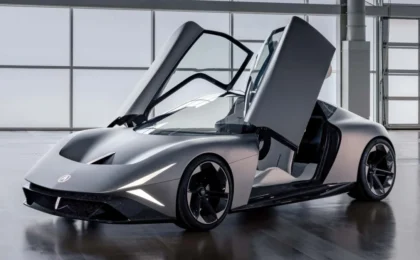
The automotive world is defined by few names as evocative as the Lexus LFA. When the original V10-powered supercar debuted, it redefined what a Japanese manufacturer could achieve in the high-performance theater, blending F1-inspired engineering with an exhaust note that remains the gold standard for internal combustion. Today, Lexus is attempting to capture that same lightning in a bottle—but this time, the electricity flows through high-capacity batteries rather than high-octane fuel.
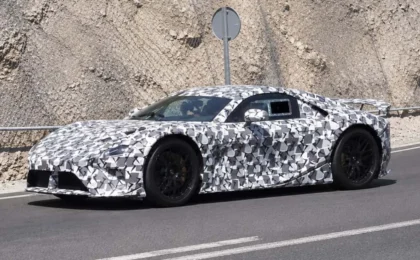
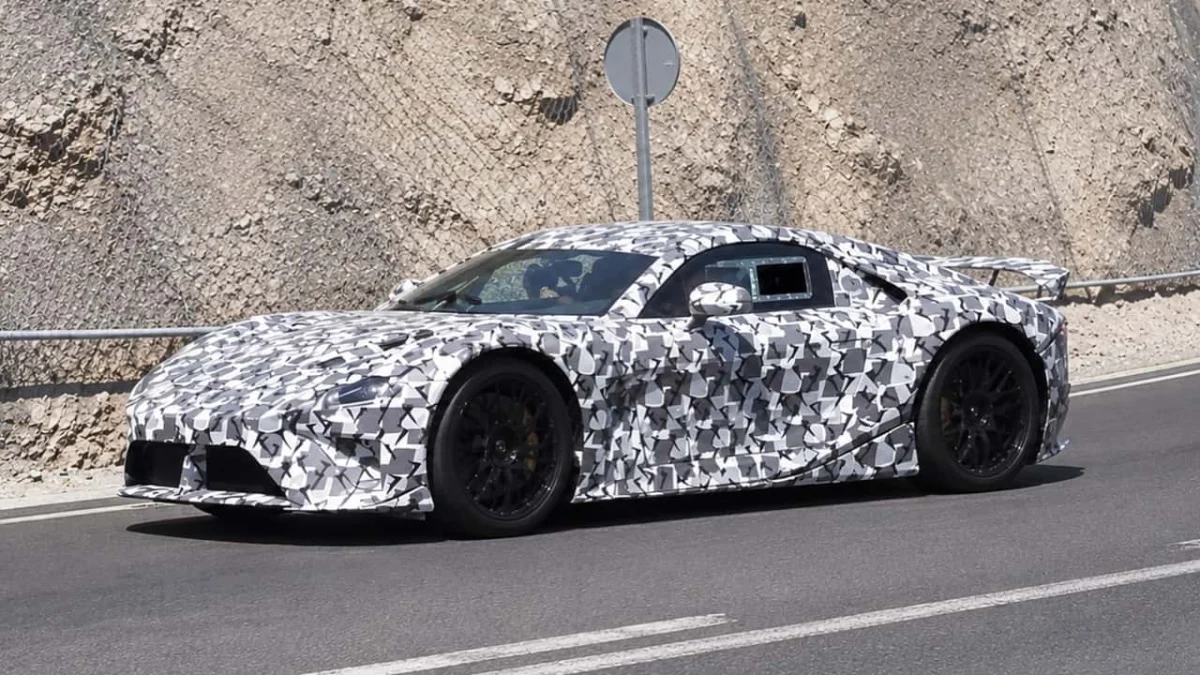
Less than a year after the unveiling of the LFA Concept, fresh intelligence captured by the mr.grey_4k Instagram account reveals that development of the production-ready model is accelerating. Clad in a form-fitting camouflage wrap that barely conceals its aggressive proportions, the new LFA is no longer just a digital dream; it is a tangible engineering project currently undergoing rigorous real-world testing.
The Evolution of a Concept: From Static Showpiece to Dynamic Prototype
The transition from the initial reveal to the current mule marks a critical juncture for the Toyota-owned luxury brand. While the original LFA was defined by its atmospheric V10, the spiritual successor leans into the burgeoning era of battery-electric vehicles (BEVs). However, Lexus is acutely aware of the "soul" problem—the fear that electrification will sanitize the driving experience.
The latest spy photography reveals a vehicle that is unmistakably a successor to the LFA lineage. It shares the fundamental architecture of the Toyota GR GT and GT3 race programs, though it strips away the twin-turbocharged hybrid V8 that powers those track-only monsters in favor of an all-electric powertrain. The mule displays a striking, low-slung silhouette, characterized by a stretched hood and a deployed rear wing that suggests a deep focus on aerodynamic efficiency and high-speed stability.
Technically, the vehicle is substantial. Based on dimensions gleaned from the concept phase, the new LFA measures roughly 10 inches longer and 6 inches wider than the original, standing at 185.6 inches in length, 80.3 inches in width, and a mere 47.0 inches in height. These dimensions suggest a platform designed not just for straight-line speed, but for planted, corner-carving performance.
Chronology: A Timeline of the LFA’s Electrified Resurrection
The journey toward the new LFA has been a calculated, multi-year process of signaling intent and testing technology.
- Late 2023 – Early 2024: Lexus introduces the LFA Concept, serving as the primary design study for the company’s "Lexus Electrified" vision. At this stage, the vehicle was primarily a visual statement.
- Mid-2024: Reports emerge regarding the integration of a simulated manual transmission, signaling that Lexus engineers were prioritizing "driver engagement" as a primary pillar of the vehicle’s identity.
- Late 2024: Patent filings surface detailing a software-based system designed to mimic the physical sensation of a sequential gearbox, proving the project was moving beyond mere aesthetics.
- Early 2025: Spy photography captures the first camouflaged test mules on public roads, confirming that the vehicle had transitioned from design studios to active, real-world development testing.
- 2026 (Projected): Final validation and pre-production tuning.
- 2027 (Projected): Anticipated market launch, marking the return of the LFA badge to the global automotive stage.
Engineering the "Fake" Feel: The Art of Digital Engagement
Perhaps the most controversial and innovative aspect of the new LFA is its approach to the "driving experience." Recognizing that modern enthusiasts are hesitant to abandon the mechanical interaction of a traditional drivetrain, Lexus has filed patents for a sophisticated "fake" sequential gearbox system.
The logic behind this is simple but technically complex: an EV provides instant, linear torque, which can often feel disconnected from the driver’s input. To remedy this, Lexus is developing a software-controlled system that can simulate the "snap" of a gear shift. By momentarily dropping motor torque to zero and then instantly restoring it, the car replicates the sensation of a physical clutch re-engaging under load.
This is not merely a gimmick; it is an attempt to map the chaotic, visceral feedback of a mechanical car onto an electric platform. Much like the system employed in the Hyundai Ioniq 5 N, this technology allows for adjustable shift aggression. Drivers will likely be able to toggle between modes, selecting how "violent" or "smooth" the simulated shifts feel. Combined with the paddle shifters seen in early concepts, this creates a hybrid experience: the instant power of an EV with the rhythmic, engaging cadence of a high-performance combustion sports car.
Supporting Data: The Hurdles of the Battery-Electric Supercar
While the excitement surrounding the LFA’s return is palpable, the production team faces significant structural and market headwinds.
Weight and Performance
Battery density remains the greatest enemy of the sports car. Unlike the lightweight, carbon-fiber-intensive original LFA, the new model must contend with heavy battery packs. To mitigate this, Lexus is reportedly focusing on advanced solid-state battery research and lightweight chassis materials to keep the vehicle’s center of gravity as low as possible. The goal is to ensure the car handles with the agility of its predecessor despite the increased curb weight.
The Market Gap
Demand for high-end electric sports cars remains a niche segment. While luxury SUVs and sedans are thriving, the pure-performance EV market is crowded with hyper-expensive, low-volume vehicles. Lexus must position the new LFA not just as a "green" car, but as a technological flagship that justifies its inevitable premium price tag through exclusivity, performance, and the brand’s legendary build quality.
Official Stances and Corporate Strategy
Lexus has remained notoriously tight-lipped regarding specific performance metrics—such as 0-60 times, range, or total horsepower. However, the company’s leadership has consistently framed the LFA successor as the "North Star" for the entire brand. It is intended to prove that Lexus can lead in the EV era just as effectively as it led with the hybrid movement two decades ago.
In official statements, executives have emphasized that the car is not intended to be a mass-market vehicle, but a "halo" product. By pushing the boundaries of what is possible with electric motors and software, Lexus is effectively conducting R&D that will trickle down into their more mainstream offerings. The LFA is, in essence, a rolling laboratory for the future of the brand.
Implications: A New Era for the Supercar
The return of the LFA as a battery-electric vehicle is a litmus test for the industry. If Lexus succeeds in creating a car that is as engaging to drive as its predecessor, it could rewrite the rulebook for electric performance.
If the vehicle delivers on its promise of a "manual-feel" EV, it might bridge the generational divide between traditional gearheads who worship the internal combustion engine and the younger demographic that has grown up with digital, electrified tech. The success of this project would suggest that the soul of a car is not found in the fuel it burns, but in the precision with which it communicates with the driver.
As we move closer to the 2027 launch window, the industry watches with bated breath. The LFA was once the pinnacle of the analog supercar era; its successor aims to be the standard-bearer for the digital one. Whether it can overcome the weight of its own history—and the physical weight of its batteries—remains the defining question of the next two years.
For now, the camouflage on the test mules hides the final design, but it cannot hide the intent. Lexus is not just building a car; they are building a bridge to a future where performance is redefined, not lost.