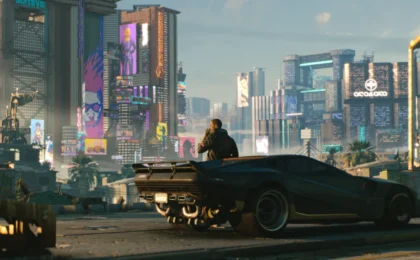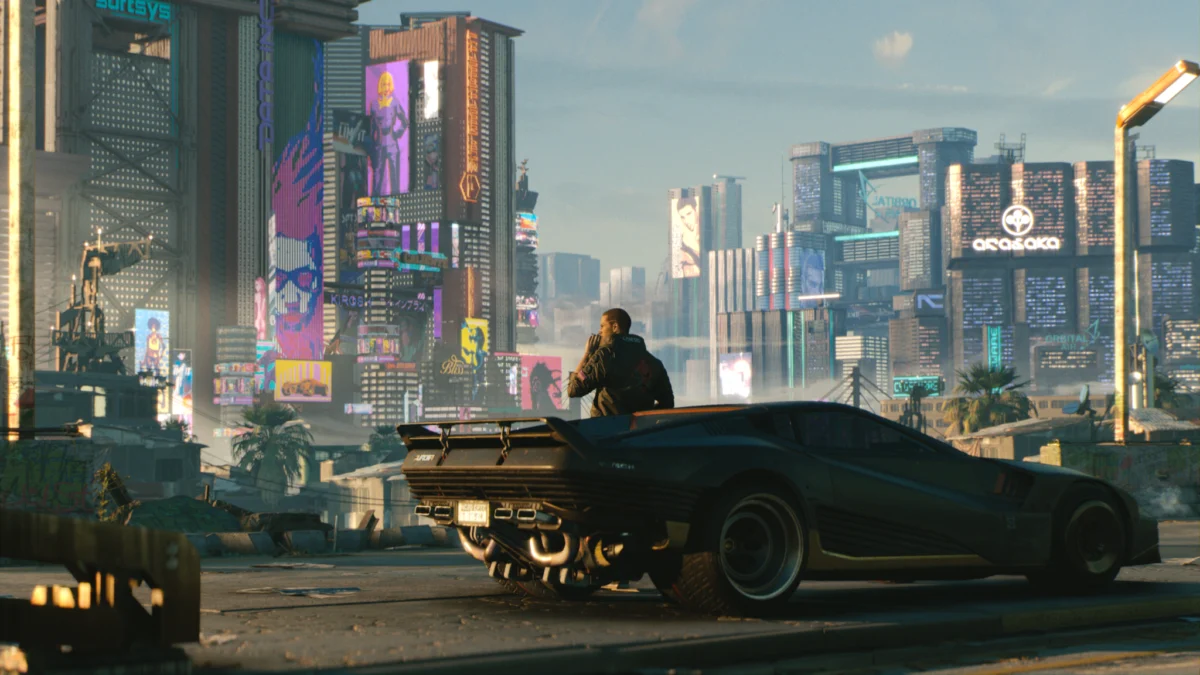
V’s clock is ticking. That is the fundamental, suffocating premise of Cyberpunk 2077: a stolen biochip is slowly overwriting the protagonist’s consciousness, turning a mercenary’s life into a race against an inevitable digital death. This narrative urgency naturally drives players through a whirlwind of fixers, rock stars, and ruthless corporate killers. Yet, despite the high-stakes drama of the main quest, most players eventually find themselves drawn to the quieter, darker corners of Night City—clearing NCPD crime scenes, scanning alleyways, and getting lost in the neon-drenched sprawl.
Once the credits roll, the cycle often resets, and players find themselves back at the character creator, ready to dive in once more. If you are preparing for a return trip to Night City, you are in good company. Whether you are driven by the allure of the new Edgerunners 2 update—which introduces the highly requested dual-wielding perk—or simply looking for a way to break the monotony of a standard playthrough, there are myriad ways to redefine your experience. By shifting your perspective, your moral compass, and your combat philosophy, you can make a familiar game feel like a entirely new, dangerous frontier.
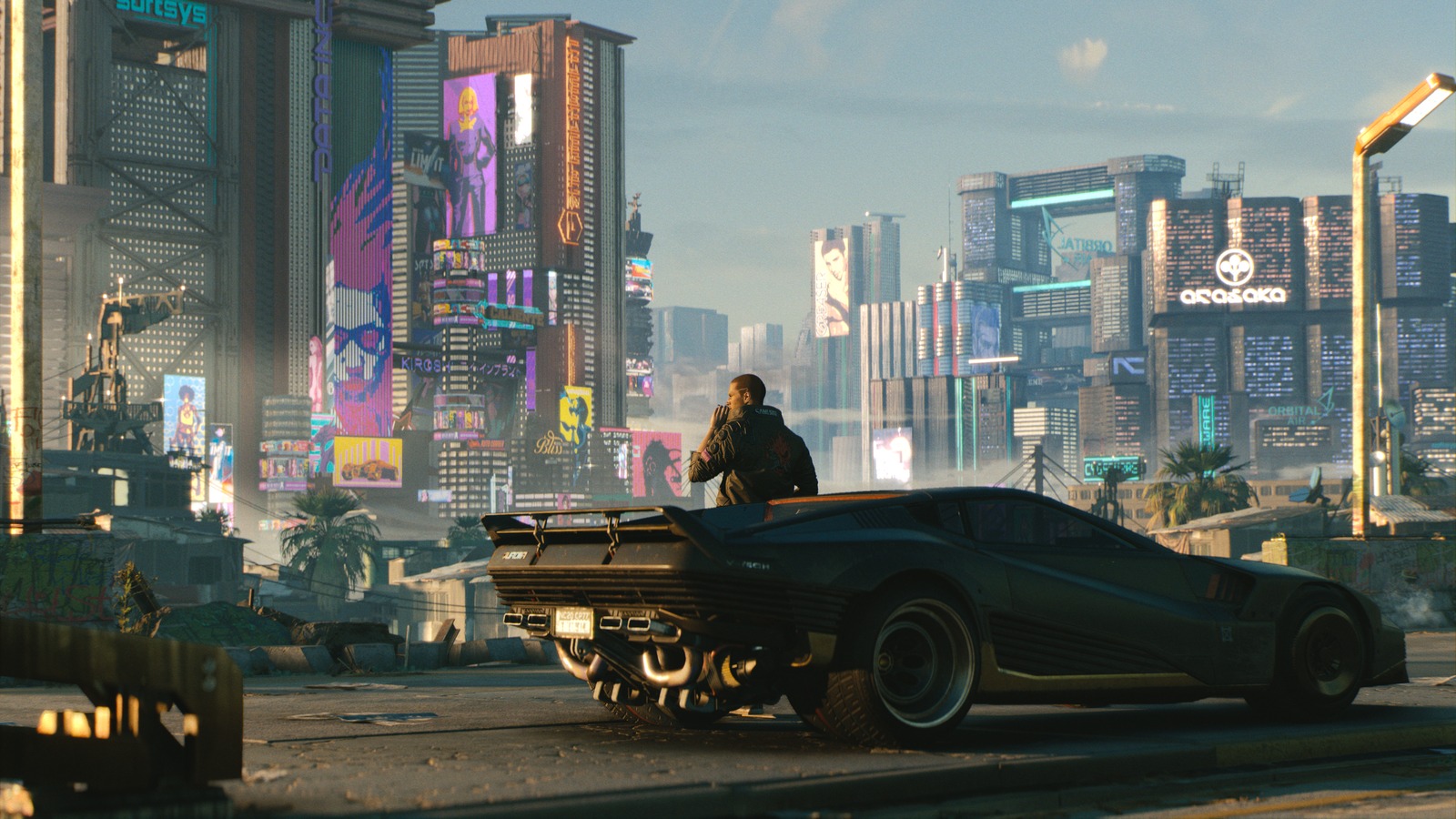
The Chronology of Change: When and Why to Replay
To understand the longevity of Cyberpunk 2077, one must look at how the game’s structure supports iterative storytelling. Unlike linear narrative titles, the game functions as a sandbox of overlapping systems.
Historically, players often fell into a "completionist trap," attempting to do everything in a single run. However, the most rewarding experiences come from self-imposed constraints. A chronological shift in how you tackle the game’s opening hours, for instance, can drastically alter your immersion. By delaying the inciting incident—the Konpeki Plaza heist—players can ground their character in the local struggle of the Watson district, transforming the early game from a sprint to a slow-burn RPG experience.

Strategic Replays: Eight Ways to Experience Night City
To truly freshen up your time in Night City, you must move beyond the path of least resistance. Here are eight strategic frameworks to guide your next journey.
1. The Dual-Revolver Cowboy
For those who appreciate the aesthetic of the "outsider," the Nomad path is the perfect origin. By leaning into the nomadic culture of the Badlands, you can roleplay a drifter who values clan loyalty above corporate greed. Equip your V with worn-in denim and a classic hat, and commit to the road. With the Edgerunners 2 update, the "Double Trouble" perk in the Cool tree allows for the dual-wielding of Power-category revolvers. By making your motorcycle your primary mode of transport and your iron your primary tool of diplomacy, you create a distinct, western-noir atmosphere that contrasts sharply with the high-tech sterility of Arasaka.
2. The Watson Lockdown
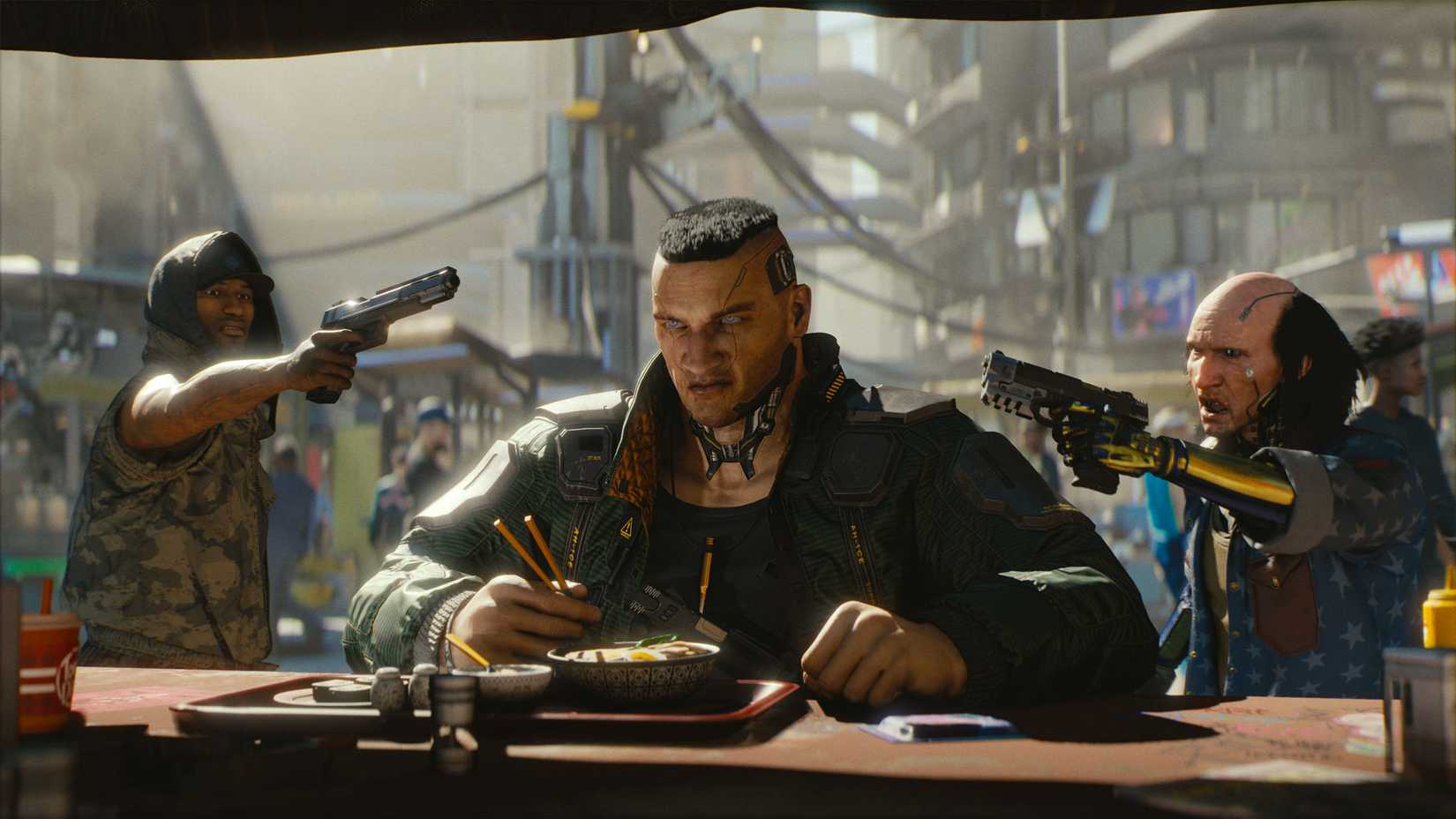
In the game’s first act, the narrative pushes you toward the heist at Konpeki Plaza. Ignore the pressure. Challenge yourself to finish every single gig, cyberpsycho hunt, and NCPD scanner hustle within the Watson district before even speaking to Dex. This approach acts as a "shopping spree" or a "character-building" phase. By the time you finally step into the Plaza, you won’t be an underpowered mercenary—you’ll be a local legend, heavily augmented with Mantis Blades or Gorilla Arms, walking into the biggest job of your life with the confidence of someone who has already conquered the city’s toughest streets.
3. The Minimalist Approach
Modern gaming is defined by clutter: minimaps, objective markers, and endless checklists. For your next run, commit to the "Less is More" philosophy. Pick one specific lifepath, one or two core companions, and a single fixer. Ignore the rest of the city’s noise. If you are a Voodoo Boys netrunner, stay in Pacifica. If you are a Valentinos loyalist, never leave Heywood. By ignoring the broader map, you force yourself to engage deeply with the narrative beats of specific factions, leaving the rest of the world as a mystery to be explored in a future, different life.
4. The "All-Natural" Run
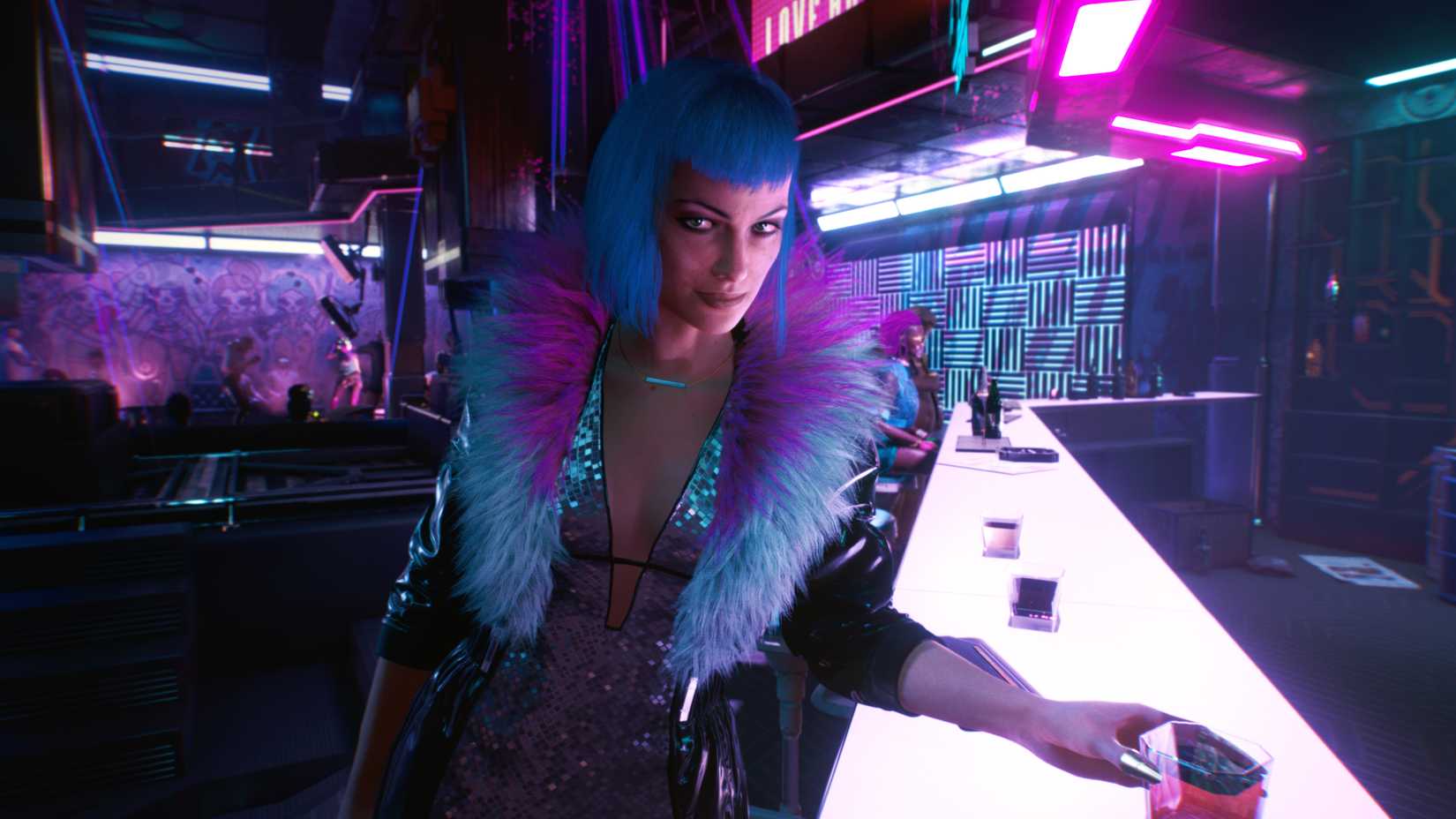
Since the 2.0 update, the game has tied armor statistics directly to cyberware, making the "no-chrome" run a grueling test of skill. By refusing to install any non-story-mandated cyberware, you effectively strip away the game’s safety net. You lose your armor bonuses and your advanced mobility, forcing you to rely on katanas, stealth, and tactical positioning. It turns every encounter into a high-stakes duel. It also liberates your fashion sense, as you can now focus entirely on cosmetics without worrying about stat-padding, allowing you to traverse Night City in the style of a classic street samurai.
5. The Pure Netrunner
If you want to play the game as a ghost in the machine, commit to a build where you never fire a physical bullet. By focusing exclusively on a high-tier cyberdeck and RAM-boosting perks, you can clear entire buildings using only quickhacks. The early game will be a struggle, but as your skills evolve, you will reach a state of god-like power where you can dismantle corporate security from behind a dumpster. It is a puzzle-heavy playstyle that emphasizes environmental manipulation over twitch reflexes.
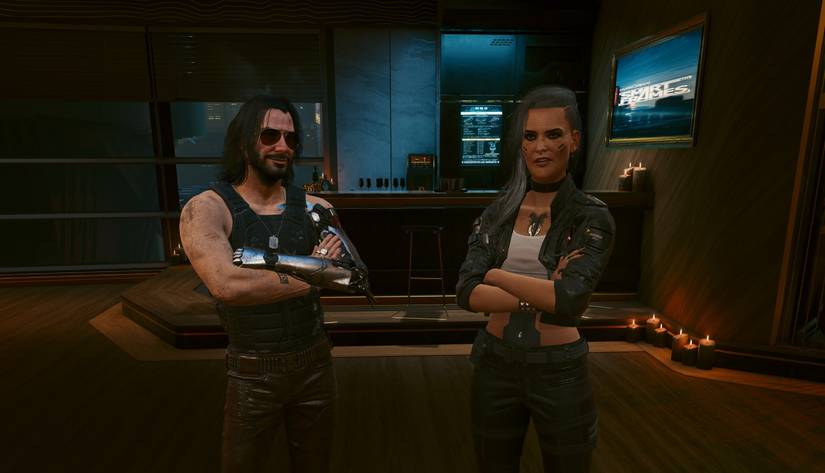
6. The Brawler’s Path
Conversely, if you want to get your hands dirty, look no further than the Gorilla Arms. This is the ultimate "up-close and personal" build. By maxing out your Body attribute and focusing on blunt weapon perks, you turn V into a living wrecking ball. With the new customization options at local ripperdocs, you can even style your chrome to match your outfit. In this run, there are no guns, no hacking—just the raw, visceral impact of steel against flesh.
7. Abandon the Minimap
This is perhaps the most transformative change you can make. By turning off the minimap, you stop looking at the corner of your screen and start looking at the architecture of the city. You will learn to navigate by the silhouette of Arasaka Tower, the neon signs of Japantown, and the industrial sprawl of the docks. It turns a 30-hour playthrough into a 100-hour odyssey. When you drive slowly and listen to the radio, navigating by sight rather than GPS, the city begins to feel like a real, living, breathing place.

8. The "Sellout" Corpo
Roleplay is the soul of an RPG. As a Corpo, your dialogue options are colored by corporate cynicism. Make the "self-interested" choice in every single conversation. Side with the winning team, betray your friends if it serves your bottom line, and prioritize your own survival over the well-being of Night City. It is a darker, more uncomfortable way to play, but it provides a fascinating insight into the world’s power structures and the harsh reality of life in a late-stage capitalist dystopia.
Supporting Data: Why Players Keep Returning
The data surrounding Cyberpunk 2077’s player retention indicates that the "replayability" of the title is driven by the density of its world-building. According to recent player surveys on community platforms, over 60% of returning players cite "roleplaying specific character archetypes" as their primary motivation for a second playthrough. The Edgerunners 2 update has only solidified this trend, providing the necessary mechanical depth—such as the new dual-wielding perks—to support these specialized playstyles.
Official Responses and Developer Intent
CD Projekt Red has consistently emphasized that Cyberpunk 2077 was designed to be a "living playground." In various developer interviews, the team has highlighted that the inclusion of multiple lifepaths and branching narrative choices was intended to make each player’s V unique. By constantly updating the game with features like the Edgerunners 2 update, the studio has demonstrated a commitment to rewarding players who choose to experiment with the game’s systems, rather than simply rushing to the endgame.
Implications for the Future of RPGs
The enduring popularity of Cyberpunk 2077 offers a significant lesson for the RPG genre: players value agency over quantity. By offering tools that allow for extreme specialization—whether through netrunning, brawling, or minimalist exploration—the game allows players to project their own desires onto the narrative.
As we look toward the future of the franchise, the implications are clear: the next generation of open-world games must provide not just a large map, but a deep, reactive sandbox that encourages the player to "break" the game in their own, personalized way. Night City is more than a map; it is a canvas, and the rules of the game are merely suggestions waiting to be bent by a player with enough imagination. Whether you are a lone cowboy in the Badlands or a corporate sellout in the boardroom, the city remains ready to rewrite your story.