The landscape of American higher education is undergoing a seismic shift as the U.S. Department of Education prepares to implement the “Do No Harm” test—a rigorous new accountability framework designed to strip federal financial aid eligibility from degree programs that consistently fail to provide graduates with a living wage. However, a last-minute regulatory carve-out for programs reliant on tipped income has ignited a firestorm of criticism, pitting industry advocates against policy analysts who warn that the delay may effectively neuter the government’s efforts to protect students from predatory, low-value programs.
While the broader accountability rules are set to move forward, the Department has officially granted a reprieve to roughly 20 “tip-reliant” fields, including cosmetology, culinary arts, and massage therapy. For these programs, the clock toward potential sanctions has been reset, pushing the possibility of federal intervention into 2029.
The Mechanics of the “Do No Harm” Test
The "Do No Harm" test, established under the One Big Beautiful Bill Act of 2025, represents a landmark attempt to link federal student loan access directly to labor market outcomes. The metric functions as a comparative benchmark: the Department of Education, in conjunction with Internal Revenue Service (IRS) data, measures the median earnings of students four years post-graduation.
For undergraduate programs, this figure is measured against the earnings of an average adult possessing only a high school diploma. For graduate-level programs, the benchmark is raised to the earnings of an individual with a bachelor’s degree. If a program’s graduates fail to exceed these thresholds, the program is flagged.
Crucially, the legislation requires that a program fail this test in at least two out of three consecutive years before federal sanctions—specifically the loss of Title IV federal loan access—can be triggered. This buffer was intentionally designed to protect institutions from temporary market volatility or anomalous economic years. However, the recent decision to grant an exemption to tip-heavy industries has transformed what was intended as a grace period into a multi-year shield.
A Chronology of Implementation
The rollout of these regulations is a slow-motion process defined by data collection and federal review.
- 2025: The One Big Beautiful Bill Act codifies the "Do No Harm" metric, setting the stage for federal oversight of program earnings.
- 2026 (July): The Department of Education finalizes the rule, incorporating the controversial delay for tipped professions.
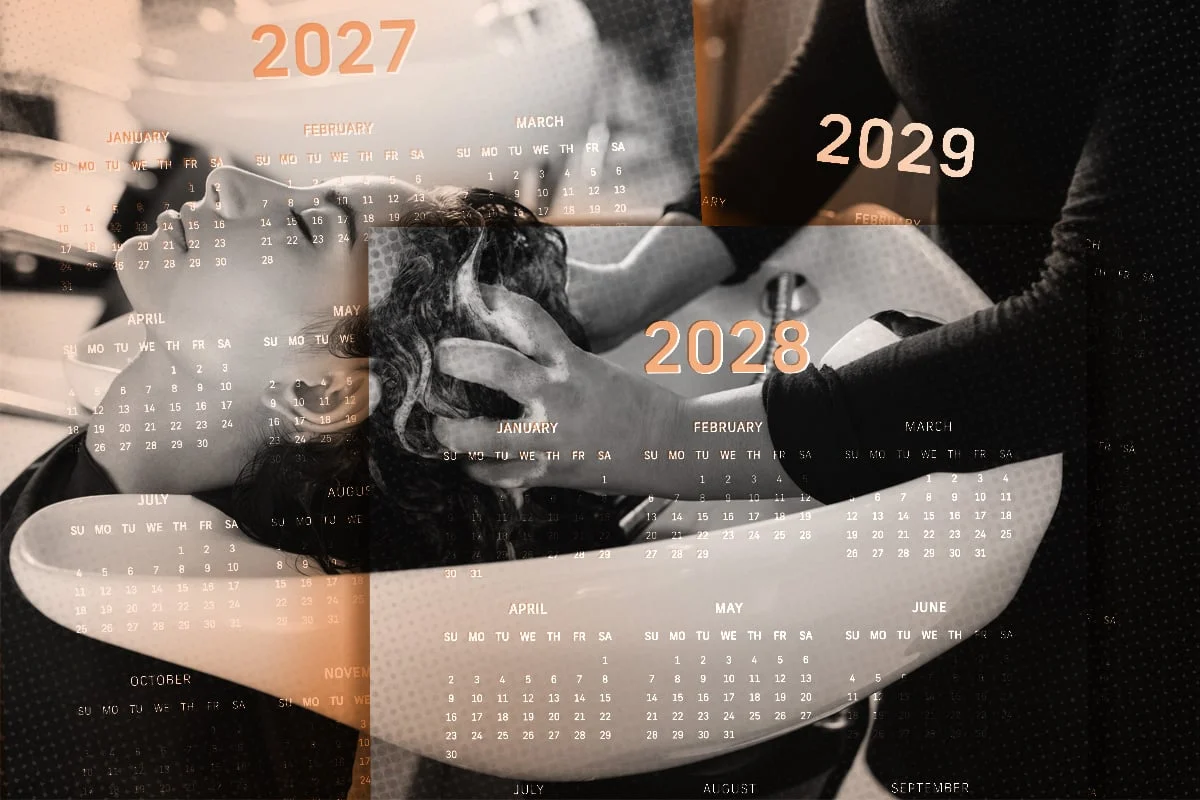
- 2027: The first round of earnings data will be published. While this data will be public for all programs, it will not count toward the "two-out-of-three" failure tally for the exempted 20 tip-reliant fields.
- 2028: The first round of programmatic penalties will begin for non-exempt programs. For tipped fields, this remains a monitoring year rather than a sanctioning year.
- 2029: The earliest date at which tip-reliant programs could face federal loan termination, provided they continue to underperform against the earnings benchmarks.
The Case for the Carve-Out: The "Fairness" Argument
The push for this delay originated from lobbyists representing private career colleges and vocational schools. Their primary contention is that the current IRS tax-reporting system creates an artificially low picture of earnings for professionals who rely on tips.
Industry advocates argue that the existing tax system operates on an honor code, one that is frequently compromised by underreporting. Because the “Do No Harm” test relies on self-reported IRS data, these lobbyists argue that the test is inherently biased against their graduates. They contend that if a cosmetologist or server fails to report a significant portion of their cash tips, their "official" income appears lower than it truly is, unfairly penalizing the educational institution that trained them.
John Russell, executive director of the American Association of Career Schools, has been a vocal proponent of the delay. "We think it’s a significant amount—between 20 and 30 percent—of total income that gets underreported in the current system," Russell stated. "The hope is that by seeing the ‘no-tax-on-tips’ policy come into play, we will see more accurate reporting and a better reflection of the true earning potential of individuals who complete our programs."
For these industry leaders, the delay is not an attempt to dodge accountability, but a necessary step to ensure that the data used to judge these programs is accurate, fair, and representative of real-world conditions.

Supporting Data and the Research Counter-Argument
Critics of the delay, particularly researchers and student advocacy groups, argue that the industry’s focus on "unreported tips" is a red herring designed to protect schools that have historically profited from high tuition and low student outcomes.
A recent analysis by the Postsecondary Education and Economics Research (PEER) Center at American University suggests that the scale of the problem is vastly overstated by lobbyists. Their research indicates that programs within the 20 exempted categories enroll approximately 39 percent of all students currently enrolled in programs that would fail the earnings test. More damningly, a separate study by PEER found that even if underreporting were a factor, it likely only accounts for roughly 8 percent of total earnings in personal service fields—a far cry from the 20 to 30 percent figure cited by industry representatives.
Clare McCann, managing director of policy at PEER, minced no words regarding the administration’s decision. "The administration is showing its true colors with this delay," she noted. "Adding a year—or more—before these favored programs see any consequence for leaving their graduates with extremely low earnings does nothing more than punt on the goals of accountability and waste taxpayer dollars and students’ time and money."
Implications for Students and Taxpayers
The delay carries significant long-term implications for the federal student aid system. By pushing the accountability threshold into 2029, the Department has essentially granted a multi-year window for programs that may be fundamentally predatory to continue operating with the backing of federal dollars.
The "Sunk Cost" of Inaction
For the student, the implications are tangible. A student enrolling in a cosmetology program in 2026 may graduate, accrue significant debt, and enter a workforce where they struggle to pay off that debt, all while the federal government is effectively "blind" to the program’s poor performance. By the time the first penalties are assessed in 2029, thousands of additional students may have been cycled through programs that would have been identified as failing years earlier.
The Legislative Response
The backlash has already moved into the halls of Congress. Senator Jeff Merkley (D-OR) and Representative Raja Krishnamoorthi (D-IL) have introduced legislation aimed at stripping away this exemption. Their bill, which seeks to hold all programs to the same timeline, argues that students in vocational and service-based fields deserve the same consumer protections as those in traditional four-year universities.
"We are seeing a trend where predatory, for-profit colleges are using the ‘tipped income’ argument to scam students with worthless degrees," the lawmakers stated in a joint press release. The bill, if passed, would represent a significant legislative override of the Department’s current regulatory stance.
Official Silence and the Future of Accountability
Despite the mounting pressure, the Department of Education has remained largely tight-lipped. When pressed for comment on why the exemption was deemed necessary despite their own internal findings that underreported income was likely a minor issue, spokespeople declined to offer further justification, referring reporters to the existing regulatory text and previous statements acknowledging the complexity of tax-based data.
As it stands, the "Do No Harm" test remains a work in progress. While it marks a historic shift in federal oversight, the cracks in its implementation—specifically the carve-outs for specific sectors—have turned it into a focal point of the ongoing debate over the purpose of higher education.
The core question remains: Is the federal government’s role to protect the integrity of the student loan system and the financial future of the borrower, or is it to act as a partner to industries that argue their unique economic realities necessitate special treatment? As 2027 approaches, the data will finally be released, and the nation will get its first look at exactly which programs are providing value, and which are simply profiting from the vulnerability of their students. Until then, the debate will continue, and the timeline for accountability will remain in a state of suspended animation.