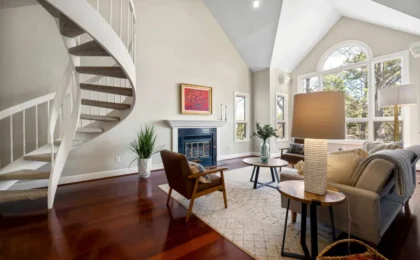
The landscape of the American rental market has undergone a fundamental transformation. For years, developers competed in an "amenity arms race," luring prospective tenants with flashy rooftop lounges, resort-style pools, and elaborate co-working spaces. However, as of 2026, the pendulum has swung decisively toward functional living. Today’s renters—whether navigating the competitive markets of Anaheim, California, or the growing urban centers of Wilmington, North Carolina—are eschewing surface-level perks in favor of grounded, practical, and budget-conscious housing solutions.
This shift represents a maturation of the tenant demographic. Modern renters are approaching their lease agreements with a heightened sense of intentionality, prioritizing features that simplify their daily routines and protect their long-term financial health.
The Core Pillars of the 2026 Rental Experience
The contemporary rental search is no longer defined by the “wow factor” of a building’s lobby. Instead, it is governed by a rigorous evaluation process. When signing a lease, tenants are now asking: Does this space provide genuine value, or am I paying for a social amenity I will never use?
According to industry experts, the 2026 renter is characterized by a "utility-first" mindset. They are looking for housing that acts as a stable platform for their lives rather than a luxury destination. This change is driven by a combination of economic pressures, the normalization of hybrid work models, and a broader societal shift toward minimalist, high-utility living.
Chronology of a Shift: How We Arrived Here
To understand the current rental climate, one must look at the trajectory of the housing market over the last five years.
- 2020–2022: The pandemic era created an immediate demand for home offices and outdoor spaces. Builders responded by emphasizing "stay-at-home" luxuries, assuming that residents would spend the vast majority of their time within the building footprint.
- 2023–2024: As inflation took hold and interest rates climbed, the cost of living surged. Renters began to feel the pinch, leading to a critical re-evaluation of household budgets. The "hidden costs" of luxury living—such as high service fees and amenity premiums—became targets for elimination.
- 2025–2026: We have reached the current equilibrium. Tenants are now hyper-mobile, often moving to follow job opportunities or personal milestones. This has birthed a market that demands flexibility, transparency, and high-functioning, low-maintenance living spaces.
Supporting Data: What the Numbers Say
The data behind these trends is stark. A recent survey conducted by Outpost Group and June Homes, analyzing thousands of tenant interactions in major hubs like New York, provides a clear roadmap of current priorities.
The Breakdown of Renter Priorities:
- Price as the North Star: 97% of respondents categorized "price" as a "very important" factor in their decision-making process.
- The Power of Location: 93% identified location as a critical requirement, suggesting that while renters are cost-conscious, they are unwilling to compromise on proximity to employment and transit.
- Budget Constraints: 72% of respondents reported a monthly rent budget between $1,000 and $2,000. This segment of the market is currently the most active and the most discerning.
- The Demand for Flexibility: 57% of tenants labeled a flexible lease as a "must-have." This is directly tied to the fact that 81% of those surveyed had moved in the past year for specific reasons, such as a new career path or educational opportunities.
These figures illustrate that the modern tenant is not merely a resident; they are an active, mobile participant in the economy who expects their living space to adapt to their trajectory, rather than the other way around.
Official Industry Perspectives
Industry leaders on the front lines of property management are confirming that the "luxury" era has hit a ceiling.
The Practicality Standard
Sergii Starostin, CEO of Outpost Group, notes that the current market is defined by a lack of patience for rigid systems. "Today’s renters are more mobile and intentional. They expect housing to adapt to their lives, not the other way around," Starostin explains. He notes that the era of the 12-month lock-in is being challenged by a generation that views housing as a service-based commodity.
The "Clean and Functional" Aesthetic
In the Pacific Northwest, the team at Pioneer Management in Roseburg, Oregon, observes that the most successful properties are those that focus on the basics done well. "What we’re seeing is that the practical things still matter most: in-unit laundry, outdoor space, and enough storage to actually live comfortably," they note.
Pioneer Management emphasizes that property owners do not need to invest in marble countertops to attract high-quality tenants. "Simple updates, such as newer, energy-efficient appliances and Luxury Vinyl Plank (LVP) flooring, can make a massive difference. Renters want a home that feels clean, well-cared-for, and easy to maintain."
The "Pet-First" Demographic
Perhaps the most significant shift in policy demand is the requirement for pet-friendly housing. Brianna, Sales Director for JMZ Management in Michigan, highlights that this is no longer a "nice-to-have" feature. "Companion animals are increasingly prevalent, and our pets are often viewed as beloved family members. Properties that restrict or disallow them entirely often wait significantly longer to find the right tenants." For owners, this translates to a clear fiscal imperative: pet-friendly policies reduce vacancy rates, which are the single largest drain on profitability.
The Relocation Factor
For those relocating for work, the stakes are even higher. Rob Carlson, SVP of Global Operations at Dwellworks in Cleveland, Ohio, manages the logistics for professionals moving across borders and states. "Their highest priorities are safety, security, convenience, and comfort," Carlson says. "While renters appreciate high-end features like coffee services or gyms, our customers’ priorities are firmly anchored in value. In-unit laundry and secure parking are far more important to them than a rooftop deck."
Implications for the Future of Housing
The shift toward pragmatic, value-driven renting has deep implications for the future of real estate development and management.
1. The Death of the "Hidden Fee" Model
Renters in 2026 have become adept at identifying "junk fees." Transparency in pricing is now a competitive advantage. Prospective tenants are actively avoiding properties that obscure utility costs or use complex concession structures to mask the true monthly expense. Landlords who provide clear, predictable, all-inclusive pricing are seeing lower turnover rates and higher applicant satisfaction.
2. Retrofitting over Rebuilding
Because the market is moving away from lavish, amenity-heavy new builds, there is a growing opportunity for the retrofitting of existing inventory. Property owners who focus on upgrading insulation, adding high-speed fiber internet, and installing reliable in-unit appliances are finding that their properties outperform "luxury" new builds in terms of sustained occupancy.
3. Community as a Flexible Service
The demand for flexibility implies a change in the landlord-tenant relationship. The rise of companies like June Homes suggests that the future of renting may look more like a subscription model. As mobility increases, the need for standardized, high-quality, and easy-to-lease-and-leave housing will only grow.
Conclusion: Finding Your Fit in 2026
Navigating the rental market today requires a different set of tools than it did five years ago. When touring potential homes, prospective renters should look past the marketing photos and the staging furniture.
Instead, ask the hard questions:
- What are the fixed costs, and are they transparent?
- Is the layout conducive to a modern, hybrid lifestyle?
- Are the policies—regarding pets, subletting, or lease breaks—flexible enough for your life plan?
By prioritizing functional, secure, and value-driven living spaces, you are not just signing a lease; you are securing a base of operations that respects your budget and supports your professional and personal growth. In 2026, the best home is not the one with the most bells and whistles, but the one that allows you to live with the greatest ease.