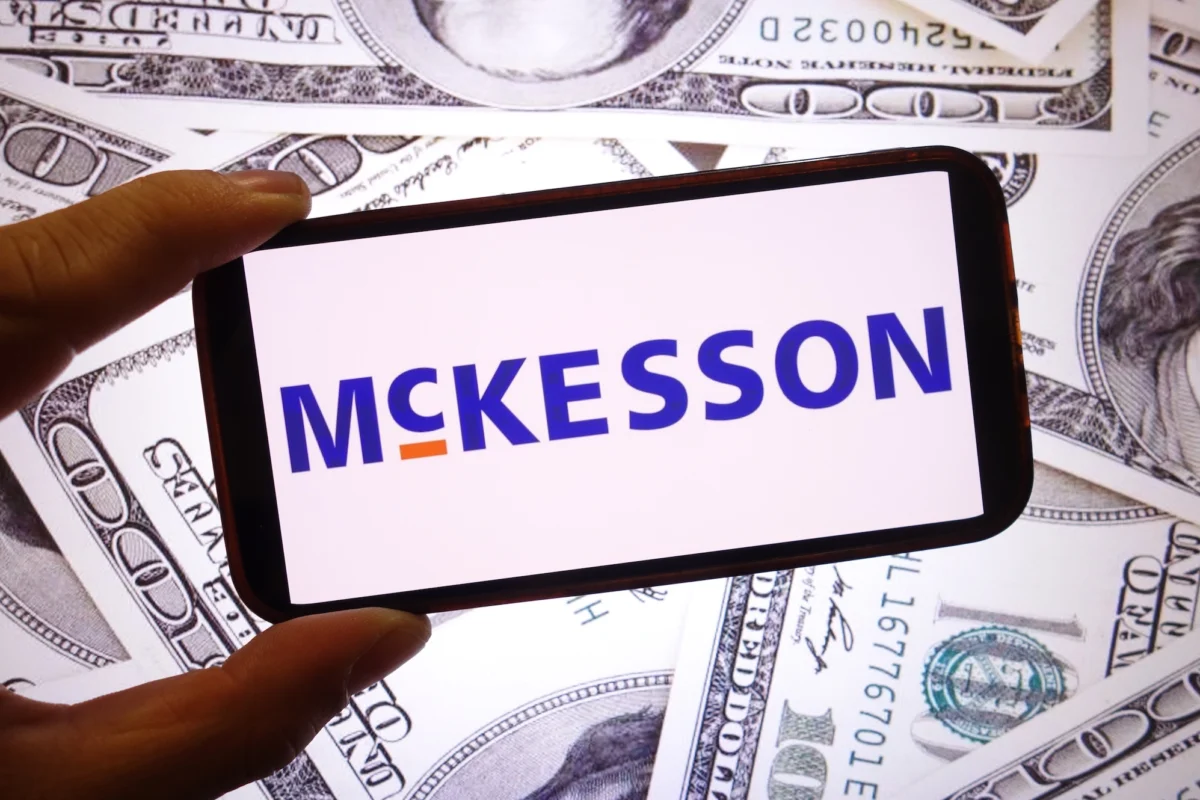
In an era where the digitization of medicine has revolutionized patient care, it has also created a lucrative and high-stakes playground for cyber-extortionists. The recent, massive data breach at McKesson, a titan of the U.S. pharmaceutical supply chain, serves as a sobering reminder of the fragility of medical infrastructure. Prolific hacking collective "ShinyHunters" has claimed responsibility for the incident, which has resulted in the exposure of highly sensitive personal and medical data for potentially millions of patients.
As the healthcare sector grapples with the aftermath, the incident highlights a disturbing trend: the systematic targeting of pharmaceutical and medical device manufacturers by sophisticated, profit-motivated threat actors.
The Breach: A Deep Dive into the McKesson Incident
The breach at McKesson, a Texas-based distribution giant that serves as a critical backbone for hospitals and medical providers across the United States, was confirmed by the company on Friday. In a statement posted to its official security portal, McKesson acknowledged that unauthorized actors had successfully gained access to several cloud-hosted accounts earlier in the week.
The company, which manages an immense volume of pharmaceutical products and medical technology, reported "intermittent service degradation" as a direct consequence of the unauthorized intrusion. While the full scope of the breach remains under investigation, Francisco Fraga, the company’s Chief Technology Officer, confirmed that the exfiltrated data primarily impacted the firm’s oncology and multispecialty units, as well as its medical-surgical division.
The Mechanism of Attack
According to statements provided to TechCrunch by the ShinyHunters group, the attack was not the result of a sophisticated zero-day exploit, but rather a masterclass in social engineering. The hackers utilized targeted phishing campaigns to deceive employees, ultimately tricking them into granting access to the company’s internal network.
Once inside, the threat actors navigated the cloud environment, specifically targeting data repositories within Snowflake and Salesforce. By exploiting these cloud-based integrations, the group managed to pull what they claim are "millions of rows" of data. The stolen information includes a harrowing collection of sensitive identifiers:
- Personal Identification: Full names, physical addresses, and Social Security numbers.
- Protected Health Information (PHI): Medical diagnoses, specific prescription medications, documented allergies, and private patient notes.
- Employee Records: Home addresses and personal information of McKesson staff.
The group provided samples of the data to researchers, who were able to verify a subset of the stolen information against public records, confirming the legitimacy of the breach.
Chronology of the Crisis
The unfolding of the McKesson event followed a familiar but alarming pattern for modern data breaches.
- Initial Intrusion: Earlier in the week, hackers leveraged social engineering to compromise employee credentials, bypassing initial security perimeters.
- Data Exfiltration: Over several days, the hackers moved laterally through the company’s cloud-hosted infrastructure, specifically targeting environments where patient records were consolidated.
- The Ultimatum: As the breach came to light, it was revealed that ShinyHunters had issued a $55 million ransom demand to the company, threatening to leak the stolen database to the public if the fee was not paid.
- Public Disclosure: Following media inquiries and the mounting evidence of the data theft, McKesson issued a formal notice to customers acknowledging the breach.
- Operational Disruption: In the days following the discovery, McKesson’s systems experienced intermittent service issues, complicating the delivery of critical supplies to healthcare providers.
The ShinyHunters Profile: A History of Extortion
The involvement of ShinyHunters brings a high level of notoriety to this incident. Widely regarded as one of the most prolific data-extortion crews of the last two years, the group has a long history of breaching high-profile entities.
Their strategy is consistent: target companies with high-value data, exfiltrate as much as possible, and leverage the threat of public disclosure to extort massive payouts. Their portfolio of victims includes notable entities like Amazon-owned OneMedical and the dental insurance provider DentaQuest. The McKesson breach represents a significant escalation in their ambitions, moving from consumer-facing health apps to the very heart of the pharmaceutical supply chain.
The Broader Landscape: A Sector Under Siege
The McKesson incident is not an isolated event; it is a symptom of a larger, systemic vulnerability within the healthcare industry. In recent months, a "string of cyberattacks" has targeted the medical ecosystem, demonstrating that hackers view healthcare providers and manufacturers as "soft targets" with high-pressure incentives to pay.
Recent Industry Precedents
- Boston Scientific: Just last week, the medical device manufacturer reported a major cyberattack that resulted in global operational disruptions, forcing the company to take significant parts of its network offline.
- Stryker: Earlier this year, this medical device manufacturer faced a devastating attack by pro-Iranian hackers who utilized internal tools to remotely wipe thousands of employee devices, effectively paralyzing internal communication and operations.
- CareCloud & TriZetto: These incidents highlight the danger of third-party vendors. CareCloud and TriZetto both suffered breaches affecting over 3 million patients each, demonstrating that even secondary providers are becoming primary targets for data harvesting.
- Abbott Laboratories and Medtronic: Both have faced similar intrusions, underscoring that no entity—regardless of size or market dominance—is immune to the current wave of extortion.
Implications for Patients and Providers
The implications of the McKesson breach extend far beyond the corporate balance sheet. When pharmaceutical distribution networks are compromised, the ripple effects are felt in the exam room.
1. The Threat of Identity and Medical Fraud
The exfiltration of Social Security numbers combined with detailed medical history creates a "gold mine" for identity thieves. Unlike credit card numbers, which can be canceled, medical records and Social Security numbers are permanent. Once stolen, this data can be used for fraudulent insurance claims, medical identity theft, and long-term financial exploitation of the victims.
2. Supply Chain Fragility
McKesson serves as the conduit for critical medicines to hospitals. If service degradation leads to delays in the delivery of life-saving oncology drugs or surgical supplies, the breach transcends "IT security" and enters the realm of "patient safety." Hospitals that rely on "just-in-time" delivery models are particularly vulnerable to the supply chain instability caused by these cyberattacks.
3. The Ransomware Economy
The $55 million demand reported by Bleeping Computer highlights the sheer scale of the extortion economy. By paying—or even by simply being forced to negotiate—companies inadvertently validate the business model of these criminal groups. However, the alternative—a public dump of millions of patient records—is a catastrophic outcome that companies are desperate to avoid.
Official Responses and The Road Ahead
As of Monday, McKesson spokespeople had not provided further comment regarding the status of the ransom negotiations or the company’s long-term containment strategy. However, the industry is bracing for increased regulatory scrutiny.
The U.S. Department of Health and Human Services (HHS) and the Cybersecurity and Infrastructure Security Agency (CISA) have been increasing their warnings regarding the security of third-party cloud environments. The fact that the hackers gained access through simple social engineering highlights a critical gap: despite multi-million dollar investments in firewalls and encryption, the human element remains the weakest link in the chain.
For healthcare providers and the companies that supply them, the path forward requires a fundamental shift in security posture. This includes:
- Stricter Identity Management: Moving beyond basic passwords to robust, phishing-resistant multi-factor authentication (MFA).
- Data Minimization: Ensuring that cloud environments do not house more sensitive data than is strictly necessary for current operations.
- Vendor Accountability: Strengthening security requirements for the software and cloud platforms (like Salesforce and Snowflake) that store sensitive patient data.
Conclusion
The attack on McKesson is a stark warning to the healthcare industry. As attackers become more specialized and the value of medical data continues to rise on the dark web, the defensive strategies of the past are no longer sufficient.
For the millions of patients whose records have been compromised, the damage is already done. For the industry, the challenge lies in rebuilding trust and hardening the digital infrastructure that modern medicine relies upon. The question remains: as these attacks become more frequent and more damaging, will the healthcare sector be able to evolve quickly enough to protect the patients it serves, or will the "new normal" be an endless cycle of extortion and data exposure? Only time, and a renewed commitment to cybersecurity, will tell.