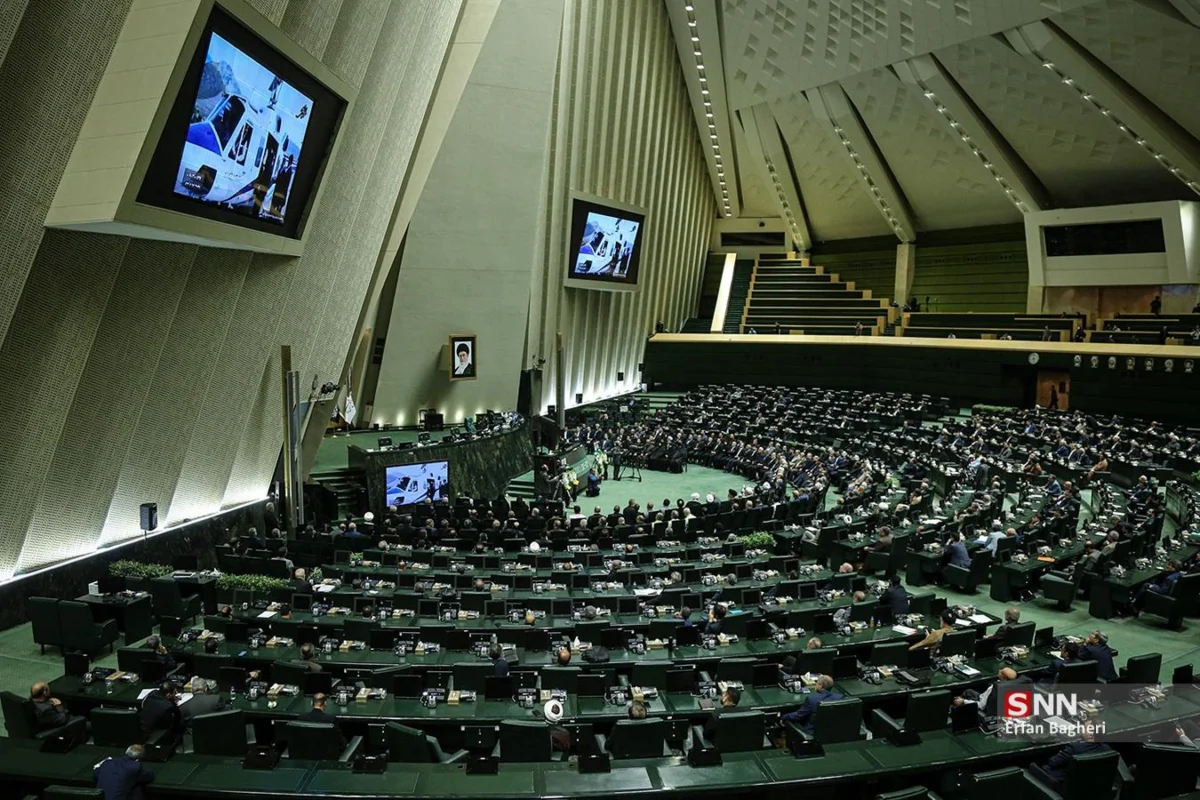
In a move that international observers fear will finalize the total isolation of Iranian civil society, the Islamic Republic of Iran is currently debating a draconian piece of legislation titled the "Countering Foreign Infiltration" bill. If passed by the Guardian Council, this proposed law would criminalize virtually any unauthorized communication with "foreign entities," carrying a maximum penalty of 30 years in prison. The United Nations Independent International Fact-Finding Mission on Iran has issued an urgent plea for the withdrawal of the bill, warning that it represents a perilous escalation in the state’s campaign to suppress fundamental freedoms and sever the last remaining lifelines between the Iranian people and the international community.
The Core Provisions: A Surveillance State Codified
At the heart of the proposed legislation lies a sweeping definition of "foreign entities" that effectively captures everything from international human rights organizations and foreign media outlets to UN investigators and academic researchers. The bill mandates that all Iranian citizens must disclose their activities with any such entity.
More alarmingly, the legislation requires citizens to obtain prior approval through a state-controlled online system managed by the Islamic Revolutionary Guard Corps (IRGC) and the Ministry of Intelligence. Should an individual fail to secure this "permission" before interacting with foreign journalists, NGOs, or international bodies, they risk being prosecuted for espionage or collaboration with hostile powers.
Sara Hossain, Chair of the UN Fact-Finding Mission, expressed profound concern over the implications of the bill. "We are appalled at the steps of the Government of Iran to subject everyday Iranians to blanket criminalisation for any contact with the outside world," Hossain stated. "This is occurring at a time when people are already suffering from extreme isolation due to long-standing international sanctions, the government’s systematic repression of protests, the longest internet shutdowns in the country’s history, and the devastating impact of recent U.S.-Israeli airstrikes."
Chronology: A Trajectory Toward Total Isolation
The proposed bill is not an isolated legislative act but rather the latest development in a long-standing pattern of state-sponsored suppression. To understand the gravity of the current situation, one must look at the timeline of Iran’s tightening grip on information and communication:
- September 2022: The death of Mahsa Amini in the custody of Iran’s "morality police" triggers widespread, nationwide protests. The Iranian government responds with lethal force and a massive, country-wide internet blackout to prevent the documentation of human rights abuses.
- March 2024: The UN Fact-Finding Mission concludes that the death of Mahsa Amini was unlawful, citing systematic violence against women and protesters.
- March 2026: Human Rights Watch issues a formal appeal to the Iranian regime, demanding the restoration of internet and communication services. The call follows reports that civilians are unable to access emergency information during the height of the escalating military conflict between Iran, the United States, and Israel.
- April 2026: The European Union extends its sanctions regime against Iran, specifically citing the deterioration of human rights and the continued suppression of independent voices.
- July 2026: UN experts denounce the ongoing U.S.-Iran military exchanges, warning that the resumed conflict is dismantling the rules-based international order and exacerbating the humanitarian crisis for the Iranian populace.
- September 2026: The UN Fact-Finding Mission issues its formal denunciation of the "Countering Foreign Infiltration" bill, calling it a "dangerous escalation" in the suppression of civil liberties.
Supporting Data: A Nation Behind a Digital Curtain
Iran’s standing in the international community regarding press freedom is already among the lowest in the world. According to the Reporters Without Borders (RSF) World Press Freedom Index, Iran currently ranks 177th out of 180 countries. This ranking reflects a climate where journalists are routinely arrested, harassed, or forced into exile.
The proposed bill threatens to worsen these statistics by effectively turning every citizen into a potential target for the intelligence apparatus. By requiring individuals to report their foreign contacts to the IRGC—a branch of the Iranian Armed Forces designated as a terrorist organization by several Western nations—the bill creates a "chilling effect." Even those who have no intention of engaging in dissent may refrain from speaking to family members abroad, researchers, or aid workers for fear of being flagged by the online monitoring system.
The UN has noted that this legislation directly contradicts several international human rights instruments, including the International Covenant on Civil and Political Rights, to which Iran is a party. The ability of civil society to communicate with the UN and other international oversight bodies is protected under various Human Rights Council resolutions, including 12/2, 24/24, and S-39/1. The bill, as written, would likely render these protections null and void within Iranian territory.
Official Responses and Expert Analysis
The international community has reacted with swift condemnation. Mai Sato, the UN Special Rapporteur on the situation of human rights in Iran, echoed the sentiments of the Fact-Finding Mission, stating clearly: "Intelligence services should not be the gatekeepers of the Iranian people’s contact with the world."
Human rights advocates argue that the bill is designed to eliminate "foreign influence"—a term the regime frequently uses to describe the reporting of domestic human rights violations. By criminalizing contact with UN investigators, the government effectively seeks to hide the truth about its internal crackdowns from the eyes of the global community.
While the Iranian government characterizes the bill as a necessary security measure to combat foreign "interference" and "infiltration" in the wake of the 2026 military conflicts, critics argue that the broad phrasing of the law is intentional. It provides a legal framework for the state to punish anyone who seeks to provide a narrative of events that contradicts official state propaganda.
Implications: The Death of Civil Society?
The implications of the "Countering Foreign Infiltration" bill are staggering. If implemented, it could:
- Silence Victims of Abuse: Victims of state violence, such as survivors of the 2022 protests or the 2026 conflict, will likely be too terrified to share their stories with international human rights monitors.
- End Academic and Cultural Exchange: Researchers, scientists, and students would be unable to collaborate with their international peers without fearing that their academic partnerships could be construed as "foreign contact."
- Complete the "Information Island": The bill would finalize the regime’s objective of creating a hermetically sealed information environment. By controlling all communication, the government can manipulate public perception without the threat of independent verification.
- Institutionalize Retaliation: The bill formalizes the role of the IRGC and the Ministry of Intelligence in everyday life, ensuring that the security apparatus is present in the private lives of all Iranians.
As the bill moves toward the Guardian Council—a body tasked with ensuring that legislation aligns with the Islamic constitution—the international community remains in a state of high alert. The potential for this law to take effect represents a turning point in Iran’s modern history. If the bill becomes law, it will not only isolate the nation from the world but will also systematically strip the Iranian people of their right to engage with the global human rights framework that is designed to protect them.
For now, the international community continues to lobby for the bill’s withdrawal, emphasizing that a government which fears the contact of its citizens with the outside world is a government that has lost its legitimacy in the eyes of its people and the global stage. Whether the Iranian leadership will heed these warnings or proceed with this unprecedented isolationist measure remains to be seen.