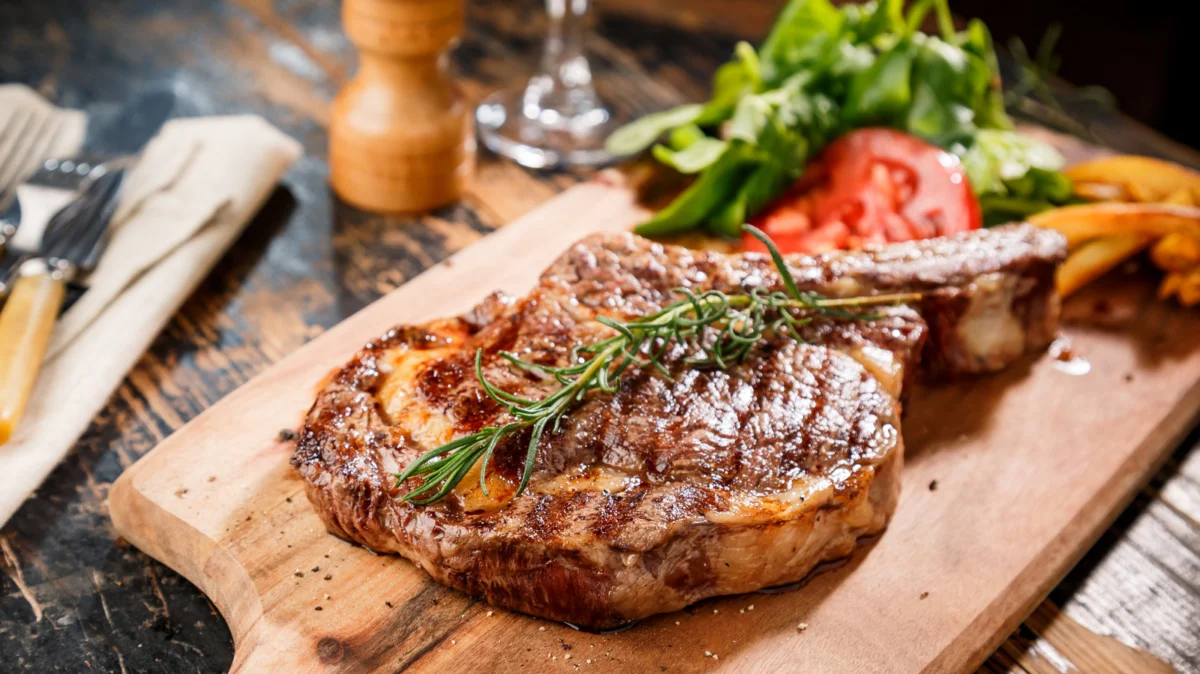
The world of steakhouse dining has long been defined by the quest for the "perfect bite." While purists often argue that a well-marbled, high-quality ribeye requires nothing more than a heavy-handed application of kosher salt and cracked black pepper, the modern culinary landscape is shifting. Today’s diners are increasingly looking for complexity, texture, and a balance of flavor profiles that elevate the inherent richness of beef. Enter the latest trend taking kitchens by storm: the integration of savory, sweet, and smoky bacon jam as a sophisticated steak topper.
Main Facts: The Rise of the Savory Spread
At its core, bacon jam—sometimes referred to as bacon marmalade or relish—is a culinary paradox. It bridges the gap between a condiment and a savory preserve. Popularized in the late 2000s by Chef Josh Henderson of Seattle’s renowned Skillet Street Foods, the dish was initially a response to the "bacon craze" that swept through North American gastronomy. However, while many trends from that era have faded into obscurity, bacon jam has cemented its place as a pantry staple.
The composition of a classic bacon jam is deceptively simple yet technically precise. It begins with high-quality, thick-cut bacon, which is rendered down to extract its fat. To this, chefs add finely diced onions—usually yellow or shallots—that are slow-caramelized to release their natural sugars. The mixture is then deglazed with vinegar (often cider or balsamic) and finished with brown sugar, maple syrup, or honey to achieve a deep, umami-rich sweetness. The result is a chunky, spreadable condiment that provides a sharp contrast to the fatty, buttery profile of a ribeye steak.
A Chronological Look at the Evolution of Steak Accompaniments
To understand why bacon jam has gained such traction, one must look at the historical trajectory of steak pairings:
- The Mid-20th Century (The Era of the Compound Butter): For decades, the gold standard for dressing a steak was a pat of maître d’hôtel butter—a simple mixture of salted butter, parsley, and lemon juice. The goal was to provide a cooling contrast to the searing heat of the meat.
- The Late 20th Century (The Rise of the Steak Sauce): As bottled condiments became more accessible, mass-market sauces like A.1. dominated. While convenient, these were often criticized for masking the flavor of high-quality beef rather than enhancing it.
- The 2000s (The Experimental Culinary Renaissance): This period saw the rise of the "gastropub" movement. Chefs began experimenting with fruit-based chutneys and savory preserves. This was the incubator for bacon jam, which moved from a niche restaurant side-item to a commercially available product.
- The Modern Era (The Texture-First Movement): Today’s diners prioritize "mouthfeel." Because bacon jam provides a distinct, caramelized crunch alongside the chew of the steak, it hits multiple sensory markers, making it the preferred choice for modern culinary experimentation.
Supporting Data: The Science of Flavor Pairing
Why does this combination work from a scientific perspective? The answer lies in the concept of "congruent and complementary flavors."
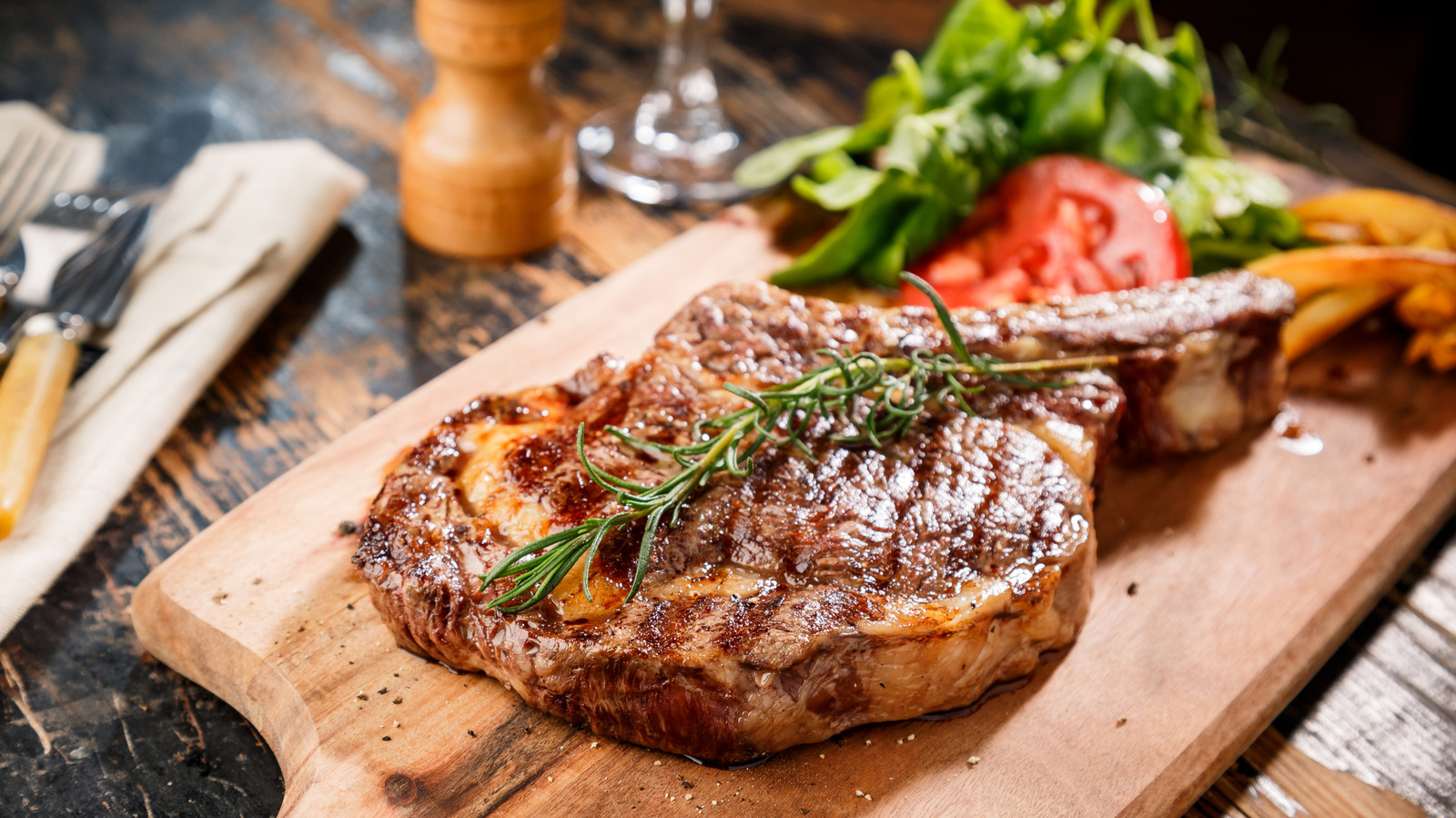
Ribeye is prized specifically for its intramuscular fat, or marbling. When rendered, this fat provides a "buttery" mouthfeel that coats the palate. A topping that is purely savory might feel monotonous; however, the inclusion of brown sugar and vinegar in bacon jam provides a dual-action effect: the sweetness cuts through the heaviness of the beef fat, while the acidity cleanses the palate, preparing it for the next bite.
Furthermore, the "smoky" element often found in artisanal bacon jams provides an aromatic bridge to the Maillard reaction—the chemical process that occurs when searing the exterior of a steak. By adding a smoky jam, the diner mimics the experience of cooking over an open hardwood fire, even if the steak was prepared in a cast-iron skillet at home.
Culinary Versatility: Beyond the Plate
The utility of bacon jam extends far beyond the traditional steak dinner. Its versatility makes it a "secret weapon" for home cooks looking to elevate simple meals:
- The Elevated Steak Sandwich: Replacing traditional mayo with a smear of bacon jam on a toasted sourdough steak sandwich adds a level of complexity that justifies the meal as a gourmet experience.
- The Breakfast Fusion: Because it contains cured meat and caramelized onions, bacon jam is an ideal partner for breakfast items. A dollop on a fried egg or a side of hash browns creates a cohesive breakfast-for-dinner profile.
- Customization: As the culinary community continues to explore, we are seeing variations of the jam incorporating bourbon, apple cider, chili peppers (such as habanero or chipotle), and even coffee. This allows for a "bespoke" dining experience where the jam can be tailored to the specific rub used on the ribeye.
Implications for the Home Chef
For the home cook, the move toward bacon jam signifies a departure from the "steak and potatoes" rigidity of the past. It encourages a more playful, experimental approach to seasoning.
If you are planning to pair a ribeye with bacon jam, consider the seasoning rub on the steak itself. If your jam is particularly sweet (perhaps infused with maple), a slightly spicy rub—such as a Cajun blend or one featuring candied jalapeños—will create a sophisticated balance. If you are using a smokier jam, keep the rub simple, focusing on black pepper and coarse salt to ensure the beef remains the star of the show.
Official Culinary Perspective: Is It Here to Stay?
While critics occasionally dismiss bacon-centric trends as "gimmicky," industry experts suggest that bacon jam has moved into the realm of the "modern classic." Unlike the bacon-in-everything era that saw chocolate-covered bacon and bacon-flavored gum, bacon jam functions as a legitimate culinary sauce.
In professional kitchens, it is frequently used to add "depth" to dishes that might otherwise be perceived as one-dimensional. As Chef Henderson’s original vision suggests, the jam is essentially a refined chutney. When viewed through this lens, it aligns with historical culinary traditions of serving meat with fruit or vegetable preserves—a practice that dates back to medieval Europe, where venison was served with currant jellies.
Conclusion: The Final Verdict
Whether you choose to craft your own batch from scratch—balancing the sugar, vinegar, and smoke to your exact preference—or opt for one of the high-quality artisanal versions available at specialty grocers, the inclusion of bacon jam on your next ribeye is a move toward a more dynamic dining experience.
It is a reminder that the best meals are not just about the quality of the ingredients, but about the interplay of flavors. By introducing sweetness, acidity, texture, and smoke to the rich, fatty profile of a perfectly cooked ribeye, you are not just eating a steak—you are engineering a multi-layered culinary event. The next time you fire up the grill, skip the bottled steak sauce and reach for the jar of bacon jam; your palate will thank you.