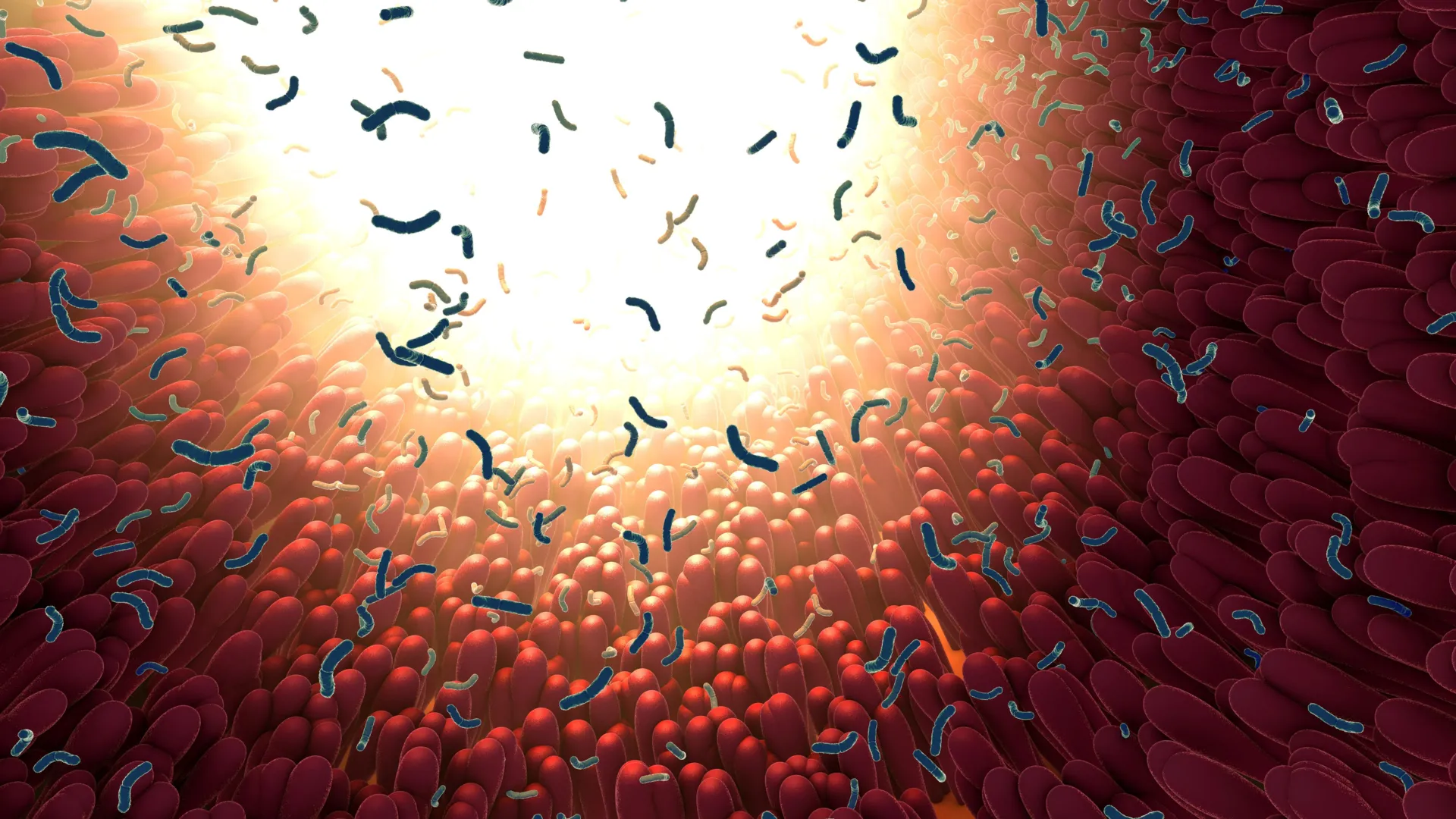
In the quiet, complex ecosystem of the human digestive tract, a revolution in longevity science is unfolding. Researchers at the University of Hawai‘i at Mānoa have uncovered a surprising and significant connection between the trillions of microorganisms residing in our gut and the internal pace at which our bodies age. This breakthrough, published in the journal Scientific Reports, suggests that the "microbiome clock" may be a critical, yet previously overlooked, factor in determining how we age at a molecular level.
While chronological age—the number of candles on a birthday cake—is immutable, biological age represents the functional status of our cells, tissues, and organ systems. The new study indicates that our gut bacteria may account for roughly 15% of the variation in these aging rates, offering a tantalizing glimpse into how we might one day influence our health span through targeted microbial intervention.
The Biological Clock vs. The Calendar
To understand the significance of this discovery, one must distinguish between the passage of time and the erosion of biological integrity. Chronological age is a simple tally of years, but biological aging is a dynamic process—a reflection of the "wear and tear" accumulated by the body.
In this study, researchers utilized the DunedinPACE (Pace of Aging Computed Epigenetics) biomarker. Unlike traditional markers that merely snapshot a person’s current state, DunedinPACE acts as a speedometer, measuring the rate at which an individual’s internal biological systems are deteriorating. By analyzing blood and stool samples from 123 adults of diverse ages, the research team was able to correlate specific bacterial signatures with the velocity of this aging process.
The findings were stark: the microbial composition of the gut was not merely a passive passenger; it was significantly associated with molecular measures of aging, regardless of the participants’ chronological age. This suggests that two people born in the same year could possess vastly different "biological ages" based, in part, on the microbial residents of their digestive systems.
Key Microbes: The Protagonists and Antagonists of Aging
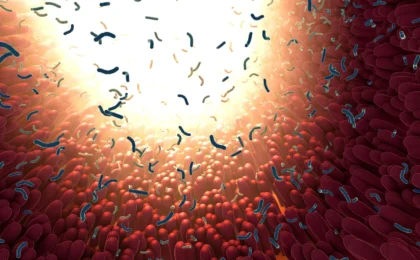
The study identified specific bacterial species that appear to either accelerate or decelerate the aging process. Among the most notable findings were:
- The Protectors: Bifidobacterium adolescentis emerged as a champion of longevity. Its presence was strongly associated with a slower pace of biological aging. Often found in healthy, fiber-rich diets, these bacteria are known for their role in gut barrier integrity and immune modulation.
- The Accelerators: Conversely, Succinivibrio dextrinosolvens was linked to a faster rate of biological aging. While the mechanisms are still being unraveled, the presence of these bacteria serves as a potential biomarker for accelerated systemic decline.
These distinct microbial patterns provide a foundation for what researchers call "precision health"—an approach that moves away from one-size-fits-all medical advice and toward personalized strategies based on an individual’s unique biological makeup.
A New Frontier in Precision Health
The implications for personalized medicine are profound. Unlike our genetics, which are largely fixed at birth, the gut microbiome is a highly plastic, responsive system. It is shaped by the "exposome"—the totality of our environmental exposures, dietary habits, stress levels, and lifestyle choices.
"The gut microbiome is highly responsive to lifestyle, diet, environment and other everyday exposures," explains lead author Braden P. Kunihiro. "Our findings suggest that the microbiome may reflect important aspects of biological resilience and aging in ways that could eventually help inform future wellness and healthy aging strategies."
This responsiveness makes the gut microbiome a "modifiable" target. If scientists can establish that specific dietary interventions, probiotics, or prebiotics can shift the microbiome from an "accelerated aging" profile to a "slow aging" profile, the potential for extending the healthy years of human life—the "health span"—becomes significantly more tangible.
Representing Diversity: Inclusion in Longevity Science
A vital aspect of the University of Hawai‘i study is its commitment to inclusivity. Historically, clinical research—particularly in the fields of genomics and microbiome science—has suffered from a lack of diversity, often over-representing populations of European descent.
This study deliberately included Native Hawaiian and Pacific Islander participants, groups that have frequently been marginalized in scientific literature. Co-author Ruben Juarez emphasizes that this inclusion is not just a matter of equity, but of scientific necessity.
"The microbiome exists at the intersection of behavior, environment and human biology," Juarez notes. By studying these populations, the researchers can better understand how social determinants of health—such as access to nutritious food, historical stressors, and environmental conditions—leave lasting biological signatures. This helps illuminate the pathways through which lived experiences manifest as molecular aging, providing a more holistic view of human health.
Official Perspectives and Scientific Caution
While the findings are groundbreaking, the research team remains professionally cautious. Senior author Alika K. Maunakea of the John A. Burns School of Medicine stresses that this study establishes an association, not necessarily causation.
"This study advances our understanding of the relationship between the gut microbiome and biological aging," Maunakea stated. "We found that microbial patterns in the gut were significantly associated with molecular measures of aging, even independent of chronological age. However, we must be careful: finding these microbes in slower-aging individuals does not automatically mean the bacteria are the cause of that slowness."
It is possible, for instance, that a generally healthy lifestyle creates an environment in the gut that favors the growth of Bifidobacterium adolescentis, rather than the bacteria themselves creating the health. To move from correlation to causation, future longitudinal studies will be required. Scientists must now determine if intentionally modifying the microbiome—through fecal microbiota transplants, targeted nutrition, or advanced pharmaceutical interventions—can actually reverse or slow the biological clock in living subjects.
The Road Ahead: From Correlation to Intervention
As the field of longevity research pivots toward the microbiome, several critical questions remain. What is the optimal "microbial signature" for a long life? How do these bacteria interact with the human immune system to dampen chronic inflammation, often referred to as "inflammaging"? And can we develop diagnostic tests that allow individuals to track their microbiome-driven aging rate as easily as they track their blood pressure?
The researchers at UH Mānoa view their current findings as a crucial "early step." The next phase of research will likely focus on:
- Mechanistic Mapping: Identifying the exact metabolic pathways through which these bacteria influence cellular senescence and epigenetic aging.
- Long-term Tracking: Monitoring whether changes in diet or environment can produce measurable, sustained improvements in an individual’s DunedinPACE score.
- Cross-Population Validation: Expanding the study to larger, global cohorts to see if these "microbial clocks" are universal or if they vary significantly across different cultures and environments.
Conclusion: A New Lens on Longevity
The discovery that our gut bacteria are linked to our biological aging rate adds a fascinating new layer to the science of longevity. It shifts the focus from purely genetic or external environmental factors to the internal, symbiotic relationship we maintain with the microscopic life within us.
If the gut microbiome truly acts as a biological mediator for aging, we may find ourselves at the dawn of a new era in medicine—one where the health of our gut is monitored as closely as our cardiovascular health. While the "elixir of life" remains a fantasy, the ability to potentially slow the molecular clock through the modulation of our gut flora is no longer the stuff of science fiction. It is, quite literally, the next frontier in understanding what it means to grow older, and more importantly, how to grow older with health, resilience, and vitality.
For now, the message to the public is one of cautious optimism. While we await further studies, the research reinforces a long-held piece of wisdom: the food we eat and the environment we cultivate do more than just sustain us—they build the internal landscape that determines our longevity.