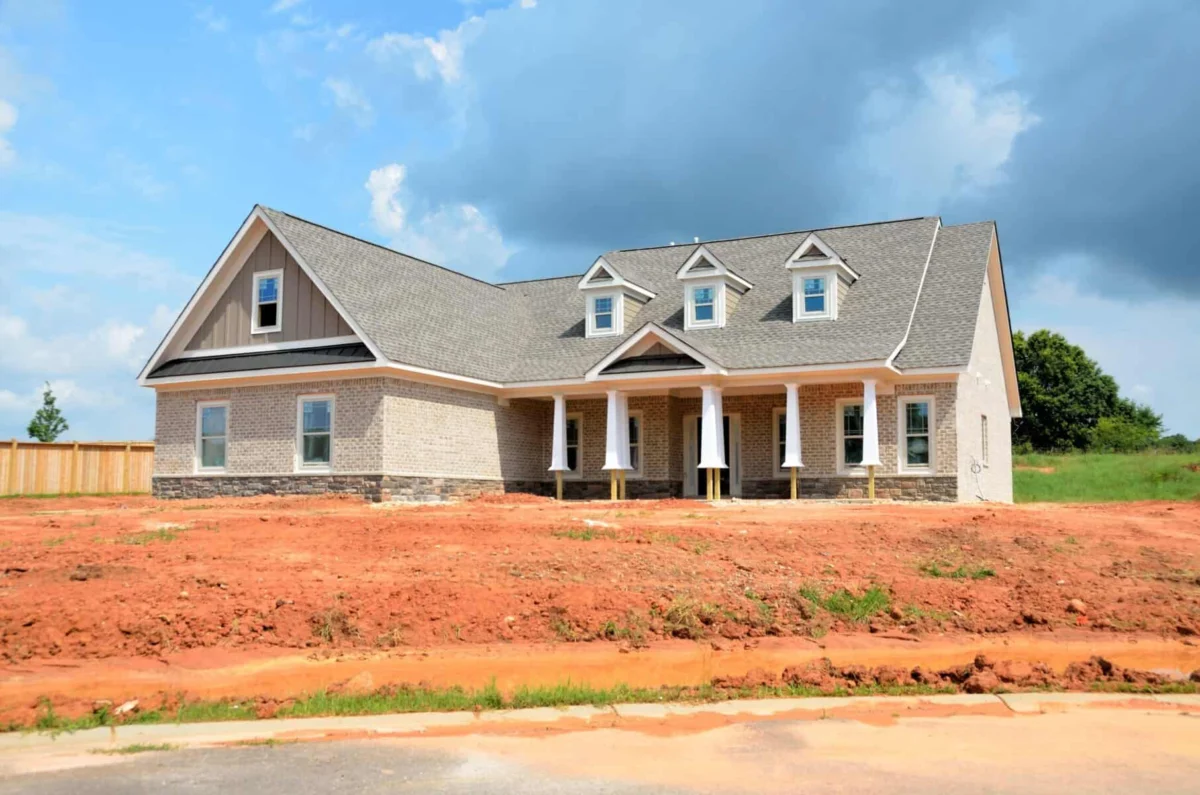
The allure of a foreclosure is undeniable. In a housing market where inventory is often tight and prices remain elevated, the prospect of securing a property at a significant discount feels like the ultimate real estate win. However, experienced investors and seasoned homeowners know that a low listing price often serves as a siren song, masking deep-seated issues that are invisible in high-definition listing photos.
When a home sits vacant for months—or even years—the lack of day-to-day maintenance allows small, manageable problems to metastasize into major structural and mechanical failures. From a burst pipe in a Cleveland winter to a musty, mold-infested crawlspace in a humid Tampa summer, the physical deterioration of an abandoned property is predictable. For the unwary buyer, the "discount" is quickly consumed by repair bills that can easily dwarf the initial savings.
The Reality of "As-Is" Sales: Why the Price Tag is Just the Beginning
Most foreclosures are sold on an "as-is" basis. This means the seller—typically a bank, a government entity, or a court-appointed trustee—disclaims all responsibility for the condition of the property. They will not fix a leaky roof, replace a dead furnace, or remediate black mold.
The team at Private Equity List emphasizes a cautious mindset for prospective buyers: "Treat every foreclosure as sold as-is and price in what you can’t see. Vacant homes often hide burst pipes, mold, and stripped fixtures. You must keep a robust repair reserve on top of your contractor’s initial estimate."
Think of this reserve not as an extra expense, but as a mandatory safety net. If you purchase a property and the mechanical systems are sound, the reserve remains your capital for future renovations. If, however, you discover the copper wiring has been stripped or the HVAC system has been compromised by moisture, that reserve prevents a catastrophic financial setback.
The Silent Decay: How Vacancy Damages a Home
A lived-in home benefits from constant, low-level care. A homeowner instinctively hears a drip under the kitchen sink, adjusts the thermostat during a cold snap, and opens windows to circulate air when humidity levels rise.
When a house is vacated, this "preventative pulse" stops. Without climate control, temperature fluctuations lead to condensation. Without someone to run the faucets, plumbing traps dry out, allowing sewer gases to enter the home. Without eyes on the property, minor roof leaks go unnoticed until the ceiling joists begin to rot.
The Chronology of Neglect
- Months 1–3: Pests move into undisturbed areas. Dust settles, and if the power is off, moisture begins to accumulate in stagnant air.
- Months 3–6: If the utilities are off during winter, pipes may freeze and burst. In summer, humidity causes drywall and organic materials to foster microbial growth.
- Months 6+: Structural integrity can be compromised. If water has been leaking, wood rot sets in. Appliances (refrigerators, washers) left with food or moisture develop severe odor and mold issues.
Beyond the Standard Inspection: A Full-Spectrum Approach
A standard home inspection is insufficient for a property that has been neglected. While a general inspector will check the foundation and roof, they may not have the equipment or the mandate to detect the hidden dangers inherent in a long-vacant home.
Brad Harwell of Advanced Inspections advocates for a "full-spectrum" inspection. "We always recommend a comprehensive approach," says Harwell. "This includes the standard inspection, but must be paired with Indoor Air Quality (IAQ) surveys, sewer scopes, infrared and chimney scans, and formal reports for mold, VOCs, and carbon dioxide."
For older homes, the checklist must expand further. Buyers should prioritize testing for:
- Radon: Essential for any home, but especially critical if the home has been sealed up for a long duration.
- Lead-based paint and asbestos: These are significant concerns in homes built before 1978, particularly where linoleum or CVT flooring is present.
- Sewer Scopes: A critical, often overlooked step. A broken or tree-root-invaded sewer line can cost thousands to repair and is entirely invisible from the outside.
Legal Safeguards: Protecting Your Investment
Because you are often dealing with institutional sellers, your contract is your only line of defense. The most common point of failure in foreclosures is moisture-related damage.
John M. Acaron of Indoor Microbial Specialist suggests building specific contingencies into your offer. "Purchase should be strictly contingent upon the Buyer receiving an acceptable written mold assessment," Acaron notes. This assessment should go beyond a visual check; it must evaluate air quality, identify moisture sources, and detect hidden fungal growth behind walls or under flooring.
Pro-tip: Never rely on generic language. Consult with a real estate attorney to draft contingencies that are legally binding in your specific jurisdiction. Ensure the professional performing the assessment is state-licensed, as this carries weight in potential disputes.
The Auction Dilemma: Buying Without Internal Access
In many foreclosure scenarios—particularly at auctions—you may not be granted access to the property before placing a bid. This is the highest-risk category of real estate investment.
If you are able to get inside, insist on having the utilities turned on for the inspection. Reliance Inspections notes, "Because these homes are sold as-is, buyers should get the utilities turned on before the inspection so we can actually test the plumbing, electrical, and HVAC. Otherwise, they’re buying blind on the most expensive systems in the house."
If you cannot gain entry, your strategy must shift from "investigative" to "risk-mitigation." Calculate your maximum bid by subtracting a conservative, worst-case scenario repair budget from the After Repair Value (ARV). If the numbers don’t work with that buffer, walk away.
Diversifying Acquisition Strategies
Not all distressed properties are bank-owned REOs (Real Estate Owned). Experienced investors often look toward pre-foreclosures to avoid the cutthroat nature of public auctions.
Wen Deguzman, co-founder of Nassau Investments Academy, explains: "I prefer buying pre-foreclosure properties instead of auction and REOs. The reason is you have no competition. You can even create equity by doing a short sale."
While short sales—where the bank agrees to accept less than the total mortgage balance—can be a viable path, they are notoriously slow. They require lender approval and can take months to finalize. Regardless of whether you buy via auction, REO, or short sale, the core principle remains: due diligence is non-negotiable.
The Paperwork Trap: Beyond the Physical Structure
A property’s physical state is only one half of the equation. Legal title is the other. Brian V. Lee of Lee Legal, PLLC, warns that the fall of the auctioneer’s hammer is not the final step.
"A foreclosure sale is not final when the auctioneer’s hammer falls," Lee explains. "Before you bid, find out exactly where the sale stands in the legal process. Order a full title search."
Buyers are often shocked to discover that while a foreclosure might wipe out junior liens, it does not necessarily clear unpaid property taxes or municipal liens. In some jurisdictions, the original homeowner may have a statutory "right of redemption," allowing them to reclaim the property within a specific timeframe even after the auction. Always engage a local real estate attorney to navigate the specific foreclosure statutes of the county where the home is located.
Strategic Implications: The Path Forward
Buying a foreclosure requires a shift in perspective. You are not just buying a house; you are buying a project.
- Financial Preparedness: Always have a cash reserve of at least 15–20% of the purchase price specifically for repairs.
- Professional Network: Establish relationships with contractors, mold remediators, and real estate attorneys before you start bidding.
- Emotional Detachment: The biggest mistake a buyer can make is falling in love with a property they haven’t thoroughly vetted.
A foreclosure can be a lucrative investment or a dream home at a fraction of the cost, provided you go in with your eyes wide open. By accounting for the damages of vacancy, conducting rigorous inspections, and securing your legal position, you can turn a "distressed" property into a stable, long-term asset. Remember: the best deal isn’t the one with the lowest price; it’s the one that doesn’t surprise you after the closing papers are signed.