For years, the dream of being a "digital nomad"—working from a laptop while traversing the globe—was often tempered by a harsh reality. The aesthetic of a sunset-lit beach office rarely survived the friction of reality: unstable Wi-Fi, the isolation of hotel rooms, and the physical discomfort of hunching over a tiny café table. As the post-pandemic workforce continues to decouple from the traditional office, a new sector of the hospitality industry has emerged to address these pain points.
Leading the charge is Outsite, a global network of coliving and coworking spaces designed to bridge the gap between a boutique hotel and a professional office environment. By providing dedicated workspaces, curated communities, and reliable infrastructure, platforms like Outsite are fundamentally changing how remote professionals view travel.
The Core Challenge: Why Digital Nomads Struggle
The modern digital nomad faces a "productivity-experience" paradox. To travel extensively, one must remain productive; however, the typical travel infrastructure is designed for leisure, not professional output.
Historically, the options were binary:
- Hostels: Great for social interaction but lacking in privacy, professional-grade Wi-Fi, and the quiet environments necessary for deep work.
- Short-term rentals (e.g., Airbnb): Offers privacy and a kitchen, but often suffers from unreliable internet, ergonomic pitfalls, and extreme isolation.
"I’ve spent years struggling to find that sweet spot," says Matt Kepnes, a long-term traveler and industry expert. "You end up spending more time scouting for a coffee shop with decent internet than actually exploring the city. You’re essentially paying to be lonely in a foreign country."
Chronology: From Surf Shack to Global Network
Outsite’s journey began in 2015 in Santa Cruz, California. The concept was simple: cater to a niche group of entrepreneurs and surf enthusiasts who needed a reliable base to work while pursuing their passion.
- 2015: Outsite launches with a single, tech-enabled property in California.
- 2018-2020: As remote work begins its slow transition into the mainstream, Outsite expands its footprint, focusing on "work-from-anywhere" hubs like Lisbon, Bali, and Costa Rica.
- 2021-Present: Post-pandemic, the platform scales rapidly. With over 5,000 members and 50 locations globally, Outsite transitions from a niche hobbyist project into a significant player in the commercial real estate and hospitality market.
The "Boutique-Office" Model: How It Works
Outsite functions as a hybrid model. When a member books a stay, they are not merely securing a bedroom; they are buying into an infrastructure.
Infrastructure and Design
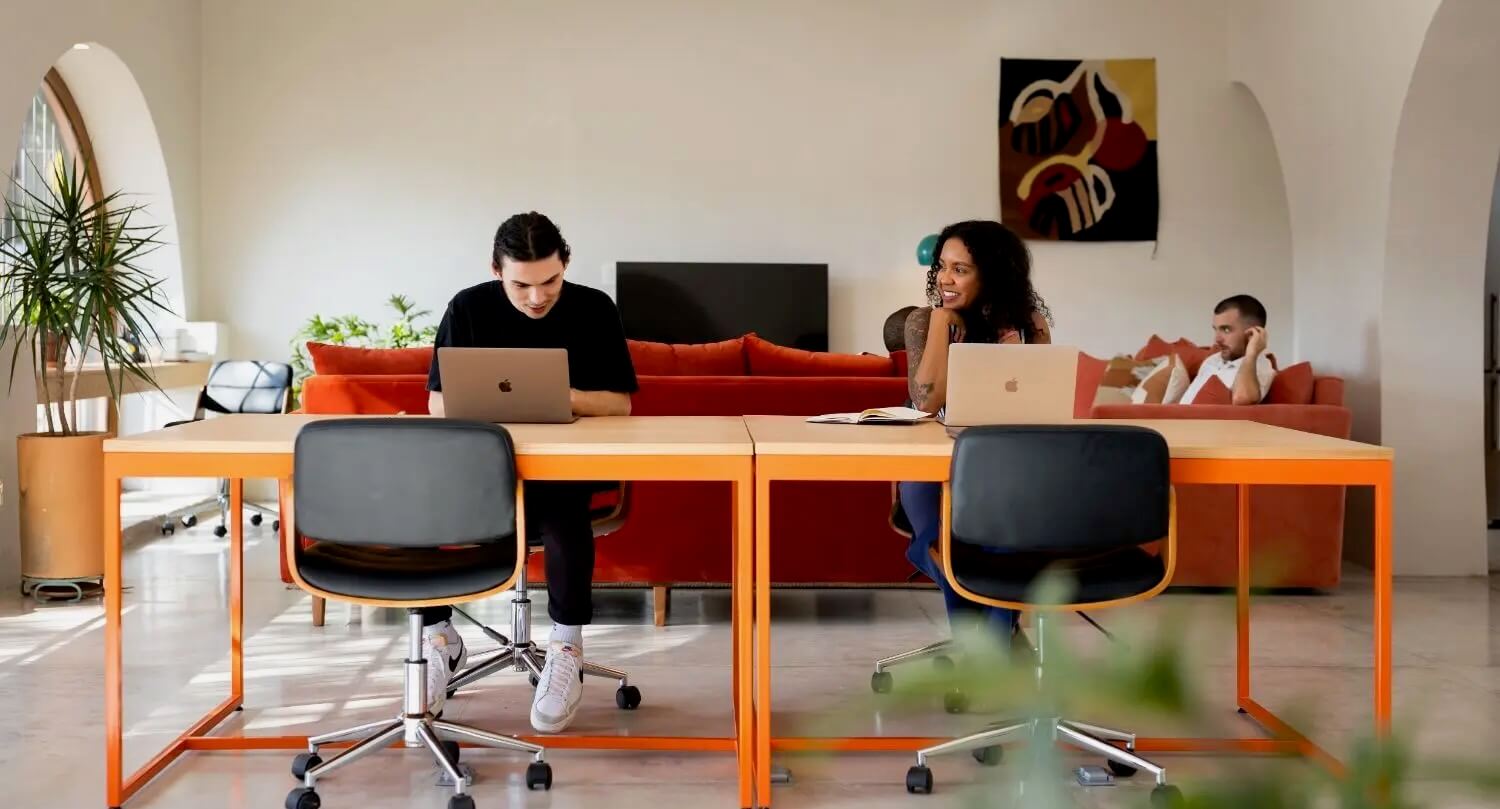
Every Outsite property is meticulously designed to mimic the efficiency of a high-end office while maintaining the warmth of a residence. Key features include:
- Ergonomics: Furniture specifically chosen to prevent the "laptop back" associated with travel.
- Enterprise-Grade Connectivity: Unlike standard hotel Wi-Fi, which is designed for checking emails and streaming Netflix, Outsite provides high-bandwidth, low-latency connections capable of handling complex cloud-based workflows and video conferencing.
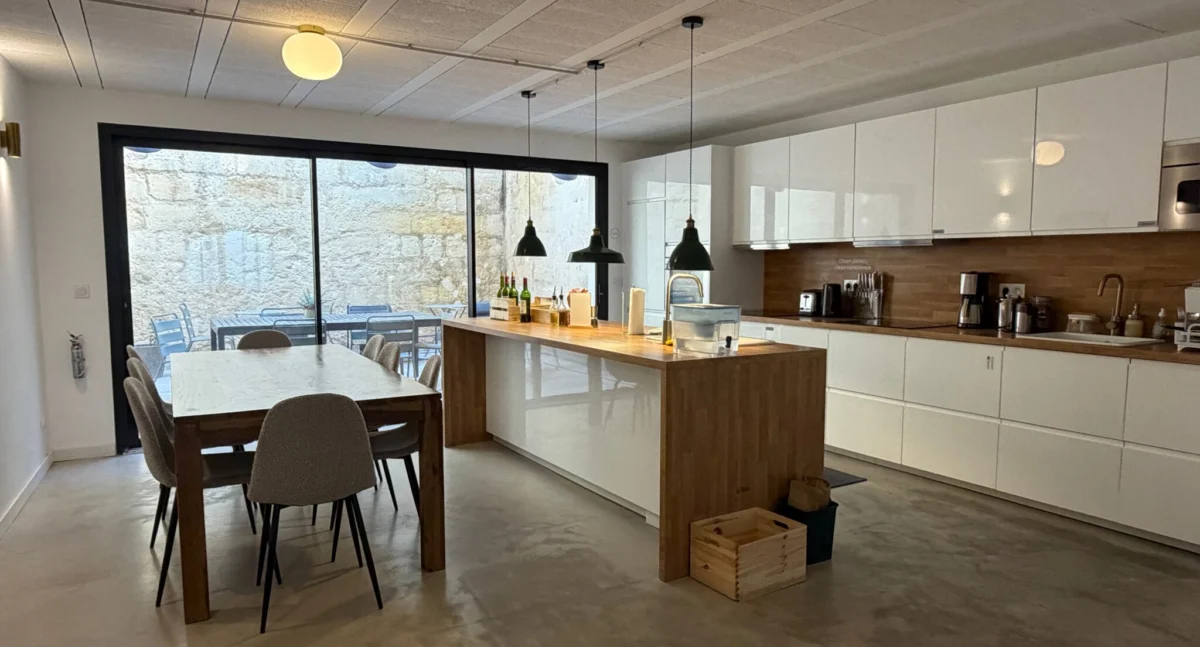
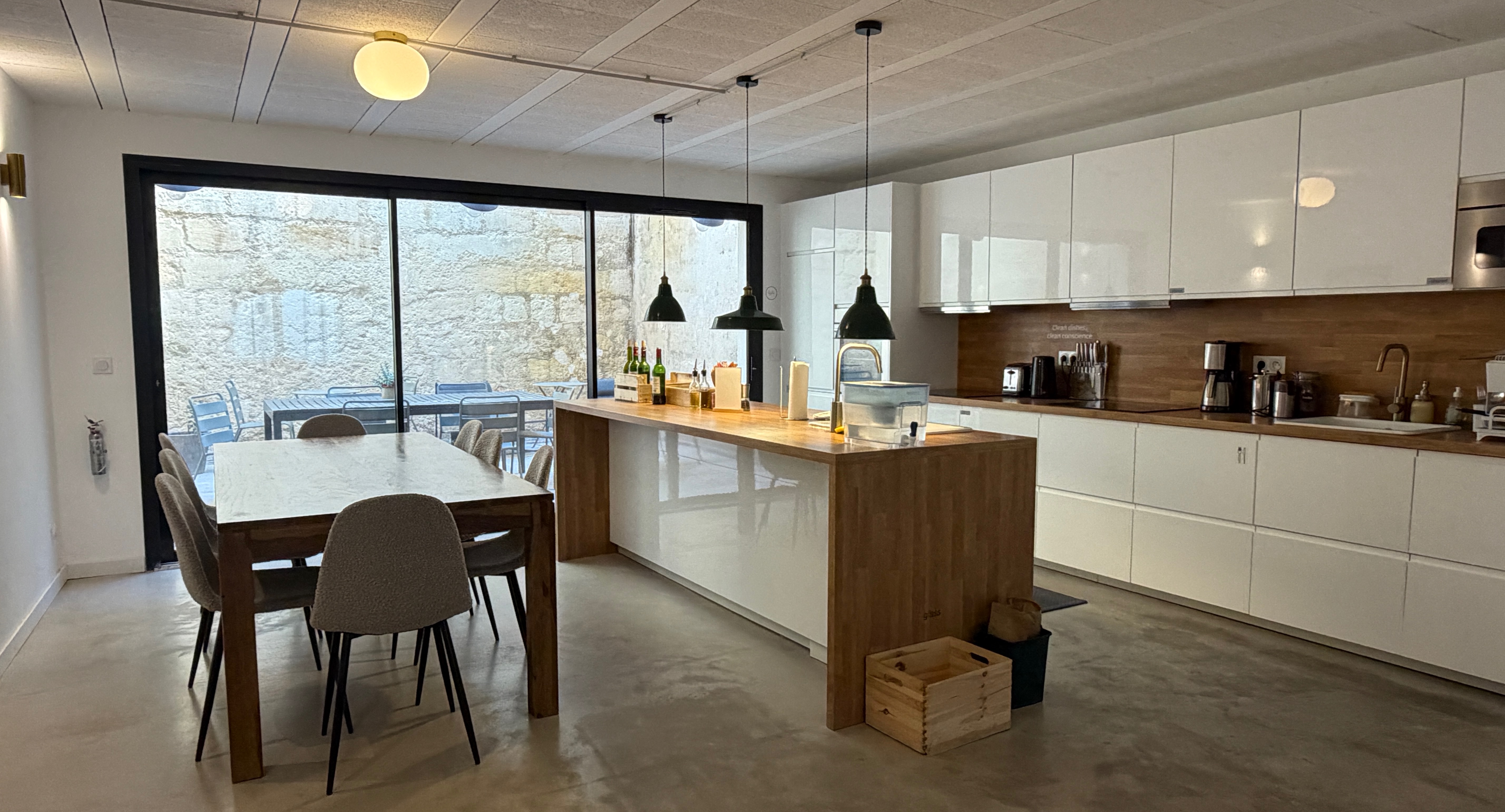
- Communal Logic: The properties feature professional-grade chef’s kitchens, encouraging residents to share meals and move away from the "eat-alone" cycle of traditional travel.
The Social Architecture
The "community" is the platform’s primary value proposition. Every location is staffed by a dedicated Community Manager whose role is to facilitate organic networking. Through mandatory onboarding into local WhatsApp groups and the organization of weekly events—ranging from tapas crawls in Bordeaux to morning yoga or group hikes—the isolation of the solo digital nomad is effectively dismantled.
Supporting Data: The Economics of Coliving
Critics often point to the premium price tag of coliving spaces compared to budget hostels. However, when analyzing the total cost of ownership for a month-long trip, the financial logic shifts.
| Expense Category | Typical Airbnb + Coworking | Outsite Coliving |
|---|---|---|
| Rent | $2,000 | $2,200 |
| Coworking Pass | $300 | Included |
| Networking/Events | $150 | Included |
| Utilities/Misc | $100 | Included |
| Total | $2,550 | $2,200 |
Note: Figures represent estimated averages for a standard 30-day stay in a major European hub.
For those who frequent these spaces, the $199 annual membership—which grants access to flash sales, 50% discounts on new locations, and member-only mixers—often pays for itself within the first week of use.
Official Responses and Industry Outlook
"The transition to remote work is not just a trend; it is a fundamental shift in the global labor market," says a representative from the Outsite leadership team. "Our goal is to ensure that geography is no longer a constraint on professional excellence or personal happiness."
Industry analysts observe that the success of Outsite and its competitors (such as Selina or Roam) has forced traditional hospitality providers to rethink their offerings. Hotels are increasingly retrofitting lobbies into "coworking lounges" to compete for the digital nomad demographic, yet they often lack the "residential intimacy" that makes coliving successful.
Implications for the Future of Work
The rise of platforms like Outsite carries profound implications for urban planning and corporate culture:
- The Death of the "Commuter" Class: As employees demand more flexibility, companies are increasingly comfortable with staff working from different time zones. Coliving networks provide the consistency required for corporations to trust that their employees will remain productive regardless of their physical coordinates.
- Urban Revitalization: Many Outsite locations are situated in "second-tier" cities—like Bordeaux or smaller coastal towns—that were previously overlooked by corporate tourism. This influx of high-earning, long-term professionals is injecting significant capital into local economies.
- Community-Driven Longevity: The "digital nomad" lifestyle has historically suffered from high burnout rates. By providing a built-in social support system, these platforms are making the nomadic lifestyle sustainable for years, rather than months.
Practical Considerations for Prospective Nomads
While the model is highly efficient, it is not a "one-size-fits-all" solution. Prospective users should consider the following:
- Lead Times: Due to the surge in demand, popular locations like Lisbon or Costa Rica require booking months in advance. Spontaneity, while a hallmark of travel, is difficult to maintain in peak seasons.
- Professional Profiles: The demographic at Outsite tends to skew toward late-20s to 40s professionals. It is not a party-centric environment; it is a workspace.
- The "No-Pet" Policy: Due to the communal nature of the kitchens and workspaces, the majority of properties strictly prohibit pets to maintain hygiene and comfort for all guests.
Conclusion
The evolution of the digital nomad has reached a point of maturity. We are moving away from the era of "struggle-travel"—where the traveler sacrificed comfort and productivity for the sake of adventure—and into an era of "integrated-travel."
Platforms like Outsite have proven that work and travel are not mutually exclusive. By curating the environment, they allow professionals to focus on the two things that matter most: their output and their human connections. For those looking to bridge the gap between a high-performance career and a life of exploration, the coliving model represents the most significant advancement in the travel industry of the last decade. As the lines between the office and the living room continue to blur, one thing is certain: the world is becoming a much smaller, and much more productive, place.