As the United States prepares to celebrate the Fourth of July weekend, municipalities and law enforcement agencies nationwide are on high alert. A growing domestic trend—the social media-fueled "teen takeover"—threatens to disrupt public safety, overwhelm local economies, and strain municipal resources during one of the busiest holiday weekends of the year.
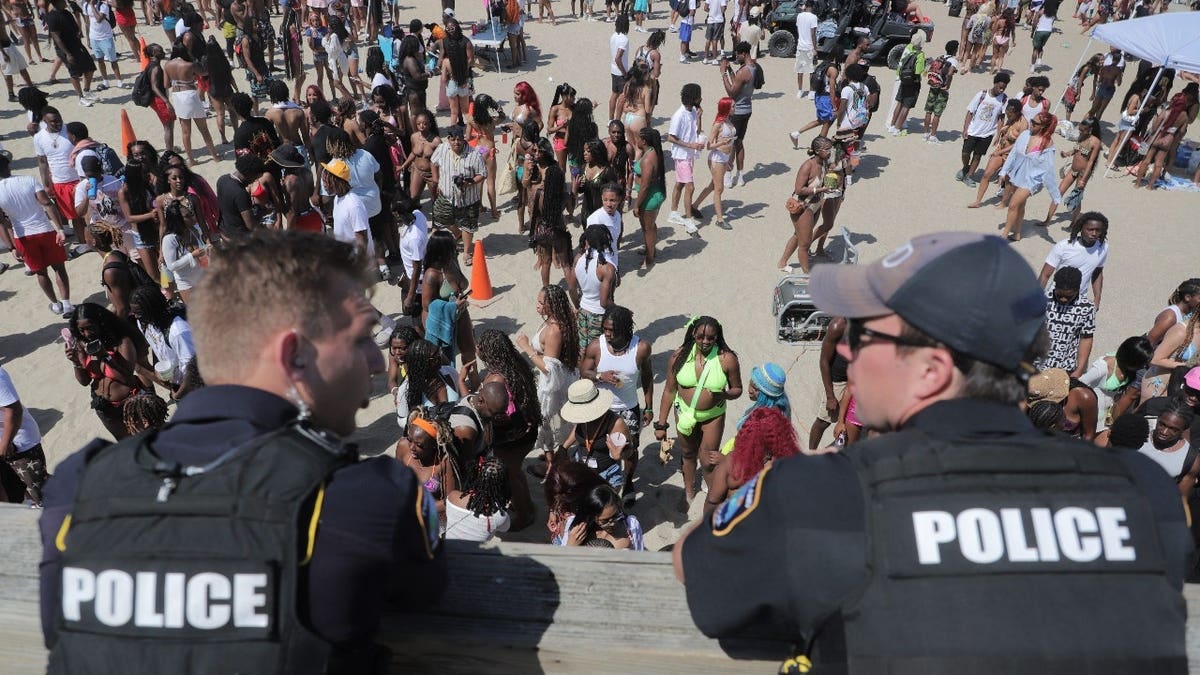
Once characterized by spontaneous local gatherings, these events have evolved into highly coordinated, digitally mobilized flash mobs that can bring hundreds, sometimes thousands, of adolescents to a single location within hours. In response, police departments are shifting from reactive crowd control to aggressive, intelligence-led preemptive strategies. From aerial drone surveillance on the beaches of New England to emergency juvenile curfews in the South, local governments are rewriting the playbook on public order to stop the chaos before it starts.
Main Facts: The Rise of the "Teen Takeover" Phenomenon
The term "teen takeover" refers to unpermitted, large-scale gatherings of juveniles and young adults who coordinate via platforms such as TikTok, Instagram, and Snapchat. These events, often promoted under euphemisms like "beach link-ups" or "pop-up parties," bypass traditional municipal permitting processes. They frequently target public spaces, including beaches, downtown commercial districts, and boardwalks.
The primary challenges associated with these takeovers include:
- Rapid Mobilization: Social media algorithms can amplify event flyers to tens of thousands of local and regional users within days, making crowd sizes highly unpredictable.
- Public Safety Risks: The absence of security checkpoints, medical personnel, and crowd-control barriers increases the risk of stampedes, physical altercations, and weapon violations.
- Jurisdictional Strain: Small coastal towns and mid-sized cities often lack the baseline law enforcement staffing required to manage sudden influxes of thousands of teenagers.
- Shift to Proactive Policing: Rather than waiting for crowds to gather and disperse them forcefully, police departments are now using digital intelligence, preemptive arrests of organizers, and strict curfew ordinances to deter attendance entirely.
Chronology: From Spring Chaos to Independence Day Preemption
The current wave of preemptive policing is the direct result of a escalating cycle of unpermitted youth gatherings that began in the spring and intensified throughout the early summer months.
[April: Tybee Island, GA] ──> [June 20: Greenville, NC] ──> [Mid-June: Ocean City, MD] ──> [Late June: Greenville Curfew] ──> [July 4th Weekend: Nationwide Preemption]
  Orange Crush event;           Mass gathering; fights       "Beach Party Link Up"        Second curfew enacted;      Drones in Falmouth; Curfews
  gunfire & 22 arrests          prompt municipal action      intercepted; organizers arrested  social media monitored      reinstated; high-alert status
April: The Tybee Island Catalyst
The dangers of unpermitted mass gatherings became starkly apparent on Tybee Island, Georgia, during the annual "Orange Crush" spring holiday weekend. A massive, unpermitted pop-up event quickly overwhelmed local infrastructure. The situation escalated dramatically when gunfire erupted along the island’s crowded pier, triggering widespread panic and sending hundreds of fleeing teenagers into the streets.
The joint response by the Tybee Island Police Department and the Georgia State Patrol resulted in 22 arrests and 22 traffic citations over a single weekend. The incident served as a wake-up call for municipal leaders across the country, demonstrating how quickly unpermitted youth gatherings can turn violent.
June 20: Escalation in Greenville, North Carolina
On June 20, the downtown commercial district of Greenville, North Carolina, experienced a sudden influx of juveniles. The gathering quickly deteriorated into chaos as multiple physical altercations broke out across the downtown area, damaging property and endangering bystanders.
Shortly after the incident, municipal intelligence officers detected social media posts actively organizing a follow-up takeover scheduled for June 27. In response, city officials realized that standard patrol deployments would be insufficient to protect the downtown corridor.
Mid-June: Preemptive Interception in Ocean City, Maryland
In mid-June, law enforcement agencies proved that digital intelligence could successfully neutralize a takeover before it began. Ocean City, Maryland, a popular summer resort town, became the target of a planned takeover advertised online as a "Late Night Beach Party Link Up."

Through inter-agency cooperation, the Baltimore Police Department flagged the social media flyers and shared the intelligence with the Ocean City Police Department. Armed with this information, detectives identified and arrested several of the primary organizers on charges related to inciting a public nuisance and conspiracy to riot before they could travel to the coast, effectively dismantling the event before a crowd could assemble.
Late June: Greenville’s Defensive Pivot
Following the violence of June 20 and the threats of a June 27 repeat, Greenville Mayor P.J. Connelly enacted an emergency temporary curfew for minors under the age of 18 in the downtown district. The measure successfully prevented a recurrence of the violence, establishing a legal precedent that the city would rely upon heading into the holiday weekend.
July 4th Weekend: Nationwide Defensive Posture
As the Independence Day weekend arrived, police departments across multiple states deployed their newly refined preventative strategies simultaneously, bracing for a projected summer surge in social media-driven disruptions.
Supporting Data: The Mechanics of Social Media-Driven Crowds
The rapid expansion of the "teen takeover" trend is closely tied to the mechanics of modern social media algorithms. Unlike traditional web forums, platforms like TikTok and Instagram Reels utilize interest-based algorithms that push localized content to users’ feeds even if they do not follow the event creators. A single video flyer featuring a high-energy beat and a beach location can gain viral traction within a specific geographic radius in less than 48 hours.
To counter this rapid digital mobilization, law enforcement agencies have integrated advanced technology into their operational plans:
| Location | Core Strategy | Technological & Tactical Assets |
|---|---|---|
| Falmouth, MA | Early detection & beach monitoring | Aerial surveillance drones, increased foot patrols, beach checkpoint deployments |
| Ocean City, MD | Inter-agency intelligence sharing | Multi-jurisdictional social media monitoring, preemptive arrests of out-of-town organizers |
| Greenville, NC | Area denial & curfew enforcement | Targeted juvenile curfews, increased downtown presence, parental notification protocols |
| Tybee Island, GA | High-visibility deterrence | Multi-agency task forces, state patrol integration, traffic checkpoints |
In Falmouth, Massachusetts, located on Cape Cod, local officials have significantly increased staffing levels and deployed aerial drones. According to Lt. Ryan Hergt, the department is using drones to monitor beach access points in real time. This allows officers to spot large, incoming groups of youth and intervene before the gatherings reach a critical mass that is difficult to police safely.
Official Responses and the Legal Framework for Preemption
The transition from reactive policing to proactive intervention has required close collaboration between municipal leaders, police chiefs, and prosecutors.
Municipal Mandates and Curfews
In North Carolina, Greenville Mayor P.J. Connelly has taken some of the most direct legislative action by establishing consecutive temporary curfews for juveniles under the age of 18.
"Greenville Mayor P.J. Connelly has established another temporary curfew for juveniles under the age of 18 in downtown Greenville to help ensure their safety," the city announced in an official statement ahead of the Fourth of July weekend.
The curfew restricts un-escorted minors from the downtown business district during late-night hours, giving officers the legal authority to disperse groups of minors immediately upon contact, rather than waiting for unlawful behavior to occur.
The Legal Basis for Preemptive Arrests
Some civil liberties advocates have raised questions about the legality of intercepting organizers before events occur. However, legal experts emphasize that law enforcement is operating within established constitutional boundaries when addressing public safety threats.
Margaret McLean, a former prosecutor, explained that proactive policing is a highly effective deterrent. "It’s a big preventative measure that police are using," McLean told Fox News Digital. "They’re monitoring the social media… arresting some people for rioting. If these organizers are worried that they may face criminal charges or they may get a criminal record or possibly even go to jail, they may step back and decide not to organize one of these events."
McLean stressed that the potential for rapid escalation justifies these early interventions. "What makes them so dangerous is fights can break out and somebody, some innocent bystander can get pushed down or hurt, or they can fall and hit their head and then die from a bad head wound," she noted, pointing out that crowd surges also carry a severe risk of trampling.
Implications: The Long-Term Impact on Communities and Policing
The rise of social media-fueled teen takeovers has broad implications that extend far beyond holiday weekend policing, affecting municipal policy, local economies, and the legal responsibilities of parents.
The Economic Toll on Coastal and Tourist Economies
For seasonal resort communities, holiday weekends represent a critical share of their annual revenue. The threat of violent or chaotic teen takeovers can deter families and tourists, leading to immediate economic losses for local hotels, restaurants, and retail shops. Furthermore, the cost of paying police overtime, deploying specialized equipment, and repairing property damage places a heavy burden on local taxpayers.
The Civil Liberties Debate
The use of preemptive arrests, social media monitoring, and juvenile curfews has sparked a national debate over the balance between public safety and civil liberties. Civil rights organizations argue that broad curfews may unfairly target minority youth and restrict constitutionally protected rights to free assembly. Conversely, municipal leaders argue that their primary obligation is to maintain public order and protect both visitors and the youth themselves from the inherent dangers of unpermitted, unmanaged crowds.
Parental Accountability and Legal Liability
As cities struggle to manage large groups of minors, there is a growing push to hold parents legally and financially accountable for their children’s actions. Several municipalities are exploring ordinances that fine parents if their underage children violate curfew orders or engage in acts of vandalism during coordinated takeovers. This shift aims to encourage families to play a more active role in monitoring their children’s social media activity and travel plans.
The Future of Crowd Control in the Digital Age
The battle over the Fourth of July weekend highlights a permanent shift in modern policing. The days of relying solely on physical barricades and reactive dispersal are giving way to a new era of cyber-intelligence, aerial surveillance, and preemptive legal measures. As social media platforms continue to evolve, the ability of law enforcement to monitor, predict, and neutralize digital flash mobs before they assemble will remain a key factor in maintaining public safety in cities across the United States.