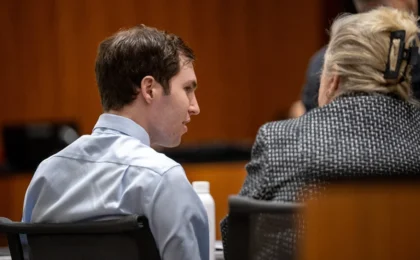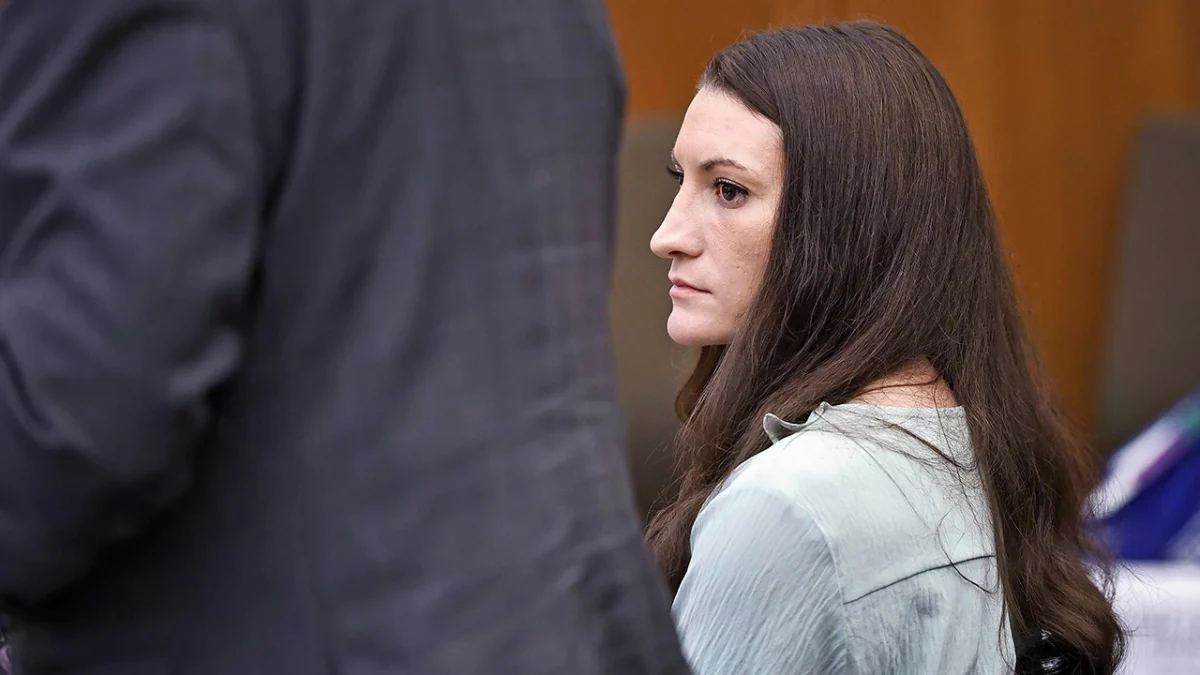
PLYMOUTH, Mass. — The high-profile murder trial of Lindsay Clancy, the Duxbury mother accused of strangling her three young children in January 2023, has reached a critical and tense juncture. As jurors reported for a second time that they remain hopelessly deadlocked, Plymouth Superior Court Judge William Sullivan delivered a rare and powerful instruction designed to break the impasse.
The defense now faces the distinct possibility of a mistrial. While historically a hung jury favored the prosecution in subsequent retrials, legal experts warn that the modern media landscape—specifically the viral nature of true-crime communities on social media—has completely upended traditional courtroom strategies.
Main Facts: The Commonwealth v. Lindsay Clancy
At the heart of this emotionally charged trial is Lindsay Clancy, 36, a former labor and delivery nurse who faces three counts of first-degree murder. The charges stem from the January 24, 2023, deaths of her children: five-year-old Cora, three-year-old Dawson, and eight-month-old Callan. The three children were found strangled in the basement of the family’s suburban home in Duxbury, Massachusetts. Callan initially survived the immediate trauma but succumbed to his injuries days later at a Boston hospital.
+-----------------------------------------------------------------------+
|                       JURY VERDICT OPTIONS                            |
+-----------------------------------------------------------------------+
| 1. First-Degree Murder                                                |
| 2. Second-Degree Murder                                               |
| 3. Voluntary Manslaughter                                             |
| 4. Involuntary Manslaughter                                           |
| 5. Not Guilty by Reason of Lack of Criminal Responsibility (Insanity) |
| 6. Not Guilty                                                         |
+-----------------------------------------------------------------------+
The prosecution contends that Clancy acted with deliberate premeditation, seizing a brief window of time when her husband, Patrick Clancy, left the home to pick up takeout food and medicine. The state argues that she calculated the time it would take him to complete the errands, using that window to systematically strangle her children with exercise bands.
The defense, led by prominent attorney Kevin J. Reddington, has mounted a vigorous insanity defense, legally categorized in Massachusetts as a "lack of criminal responsibility." Reddington argues that Clancy was suffering from severe postpartum depression and postpartum psychosis—a rare, acute mental health emergency characterized by delusions, hallucinations, and a break from reality. The defense maintains that Clancy was overmedicated with a revolving cocktail of psychiatric drugs, leaving her unable to appreciate the wrongfulness of her actions or control her behavior at the time of the tragedy.
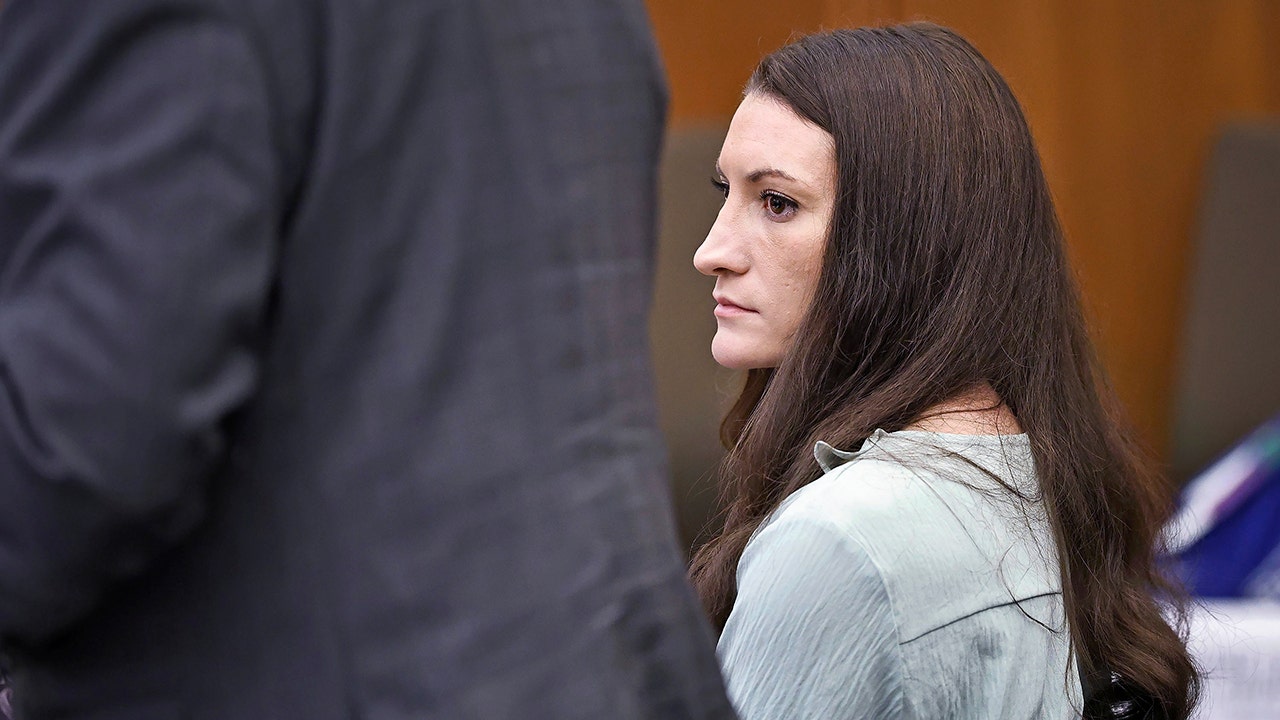
Chronology: From the Duxbury Tragedy to the Deadlocked Jury
To fully grasp the gravity of the current deadlock, it is essential to trace the timeline of events that led to this courtroom stalemate:
[Jan 2023: The Tragedy] ──► [Aug 2026: Trial Begins] ──► [Late Aug 2026: Deliberations] ──► [Sept 2026: Double Deadlock]January 24, 2023: The Incident
Patrick Clancy returns to his Duxbury home to find his wife severely injured after jumping from a second-story window in an apparent suicide attempt. Upon searching the home, he discovers the three children unconscious in the basement. First responders are called to a scene of unimaginable trauma. Cora and Dawson are pronounced dead shortly thereafter; infant Callan survives on life support for three days before passing away.
January 2023 – August 2026: Pre-Trial and Medical Evaluations
Lindsay Clancy is hospitalized and undergoes extensive medical and psychiatric treatment. The fall leaves her paralyzed from the waist down. Over the next three years, both defense and prosecution medical experts conduct exhaustive evaluations of her psychiatric history, analyzing her medical records, text messages, and search engine history.
August 17, 2026: The Trial Commences
The trial officially begins in Plymouth Superior Court. Over several weeks of emotional testimony, the court hears from more than 80 witnesses and reviews over 300 physical and digital exhibits. Witnesses include medical professionals, first responders, family members, and Patrick Clancy himself, who delivers heartbreaking testimony regarding his wife’s deteriorating mental state in the weeks leading up to the tragedy.
Late August 2026: The Jury Retires
Following closing arguments, the jury of Plymouth County residents retires to begin deliberations. They are tasked with weighing thousands of pages of medical records and conflicting expert testimonies.
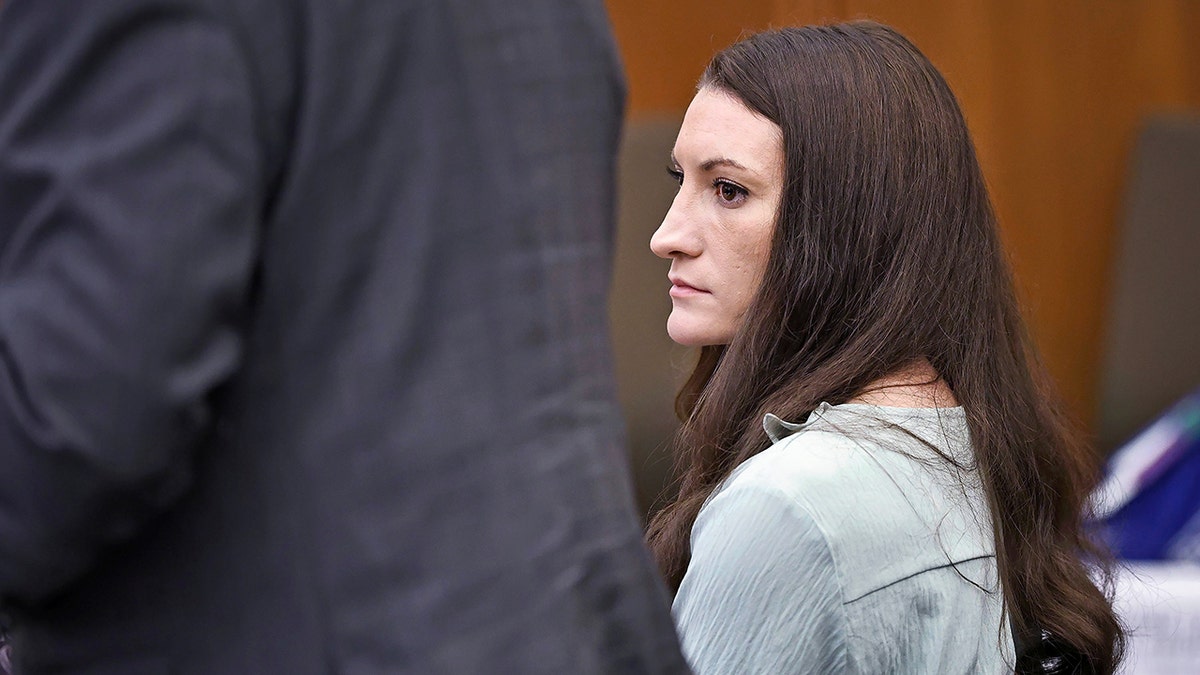
August 31, 2026: The First Sign of Impasse
After days of deliberation, the jury sends a note to Judge William Sullivan stating, "After many hours of deliberation, we are unable to come to a unanimous decision." Judge Sullivan declines to declare a mistrial or offer special instructions, instead ordering the jurors to return to the deliberation room to review the extensive evidence.
September 2, 2026: The Second Deadlock and the Tuey-Rodriguez Charge
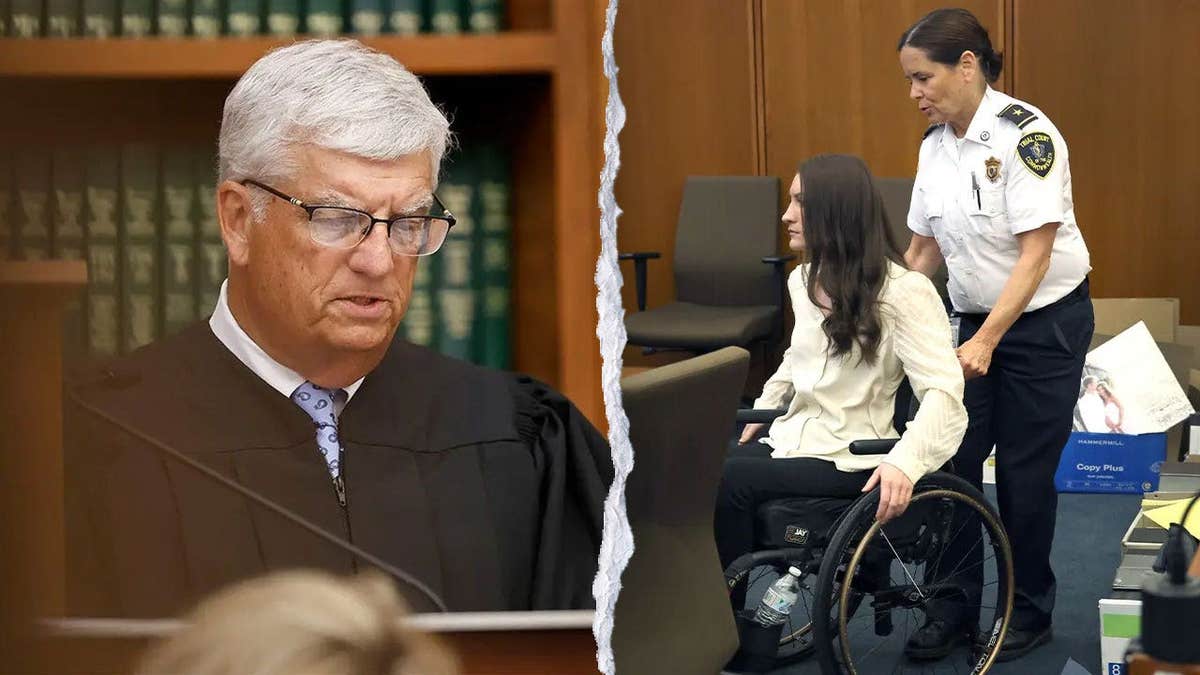
Jurors report for a second time that they are hopelessly deadlocked. Recognizing the severity of the impasse after more than 28 hours of deliberation spread over six days, Judge Sullivan delivers the formal "Tuey-Rodriguez" charge, urging the jurors to re-examine their positions without compromising their personal integrity.
Supporting Data: Understanding the Tuey-Rodriguez Charge
The instruction given by Judge Sullivan is a highly structured, historically significant legal tool unique to Massachusetts jurisprudence.
What is a Tuey-Rodriguez Charge?
Derived from the landmark Massachusetts cases Commonwealth v. Tuey (1851) and Commonwealth v. Rodriguez (1973), this instruction is the Commonwealth’s equivalent of the federal "Allen charge" (often referred to colloquially as the "dynamite charge").
+-----------------------------------------------------------------------------+
|                      THE TUEY-RODRIGUEZ BALANCE                             |
+-----------------------------------------------------------------------------+
|                                                                             |
|   [Juror Open-Mindedness]  ◄────────────────────────►  [Honest Conviction]  |
|   "Listen to opposing arguments                       "Do not surrender an  |
|    with a disposition to be convinced."                honest opinion just  |
|                                                        to reach a verdict." |
+-----------------------------------------------------------------------------+
The charge serves a dual purpose:
- Encouraging Consensus: It reminds jurors that a trial is an expensive, emotionally draining process for all parties involved, and that there is no reason to believe a future jury would be any more intelligent or capable of resolving the case.
- Preserving Individual Conscience: Crucially, the judge must caution jurors that they should not surrender their honest convictions simply to yield to the majority or to expedite a verdict.
If, after receiving this charge and deliberating further, the jury returns a third time to report an unbreakable deadlock, the judge is almost legally obligated to declare a mistrial.
Official Responses and Expert Commentary
The deadlock has prompted significant commentary from legal professionals who are closely monitoring the trial’s unique dynamics.
The Defense’s Perspective
Speaking to reporters outside the Plymouth Superior Court, defense attorney Kevin J. Reddington expressed a willingness to retry the case if a mistrial is declared, though he voiced deep concerns over his client’s emotional and physical endurance.
"She has a flat affect; she’s sad," Reddington remarked, describing Clancy’s fragile emotional state. "I would absolutely go to trial again, but the emotional toll on Lindsay is devastating."
Funding a second trial also presents a significant hurdle. While a GoFundMe campaign established for Clancy’s parents, the Musgrove family, has surpassed $830,000, it remains unclear how much of those funds are legally or practically available to cover the astronomical costs of prolonged, expert-heavy capital defense litigation.

The Prosecution’s Position
The Plymouth County District Attorney’s office has remained publicly silent during active deliberations, adhering to ethical standards regarding ongoing jury trials. However, their trial strategy has consistently emphasized accountability, pointing to Clancy’s calculated actions on the day of the killings as proof of rational, criminal intent rather than psychotic detachment.
Judicial Insights: The Social Media Factor
Jack Lu, a retired Massachusetts Superior Court judge, provided a compelling analysis of how the legal landscape has shifted for retrials. Historically, prosecutors favored retrials because they could correct the weaknesses in their initial presentation, while the defense often ran out of financial resources.
However, Lu argues that the rise of social media platforms like TikTok, X (formerly Twitter), and Reddit has completely disrupted this dynamic.
"In the past, the conventional wisdom was that the prosecution is more likely to win on a retrial after a hung jury," Lu told Fox News Digital. "Now it’s different… The new conventional wisdom is a question mark because of social media-infected trials."
+-----------------------------------------------------------------------+
|                    RETRIAL DYNAMICS: THEN VS. NOW                     |
+-----------------------------------------------------------------------+
| Feature              | Traditional Era       | Modern Social Media Era|
+----------------------+-----------------------+------------------------+
| Prosecutorial Edge   | High (Case refined)   | Unpredictable          |
| Public Sentiment     | Contained by press    | Highly polarized online|
| Jury Contamination   | Rare / Manageable     | High risk via algorithm|
| Defense Strategy     | Resource-constrained  | Crowdfunded / Viral    |
+----------------------+-----------------------+------------------------+
Lu drew a direct parallel to the highly polarized trial of Karen Read, the Massachusetts woman accused of killing her police officer boyfriend, John O’Keefe. Read’s first trial in 2024 ended in a deadlocked jury amid an explosion of online conspiracy theories and intense public debate. In her 2025 retrial, she was acquitted.

"In the Karen Read case, the social media abuse was at a slow boil in the first trial," Lu observed. "At the second trial, it just all erupted."
Lu warned that a similar digital frenzy is already surrounding the Clancy case, which has become a focal point for online debates regarding maternal mental health, postpartum medical care, and criminal justice.
Implications: What Lies Ahead?
The outcome of the Lindsay Clancy trial carries profound implications that extend far beyond the walls of the Plymouth Superior Court.
Legal and Medical Precedents
Should the jury ultimately accept the defense’s insanity plea, it could mark a watershed moment for how postpartum psychiatric conditions are handled in American courts. Postpartum psychosis is rarely successful as a criminal defense in capital cases, often because the legal standard for insanity requires proving a complete lack of cognitive or volitional capacity—a bar that is notoriously difficult to clear. An acquittal or an insanity verdict would signal a growing societal and legal recognition of severe postpartum mental illness as a mitigating factor in tragic crimes.
The Threat of a Mistrial
If the jury remains deadlocked despite the Tuey-Rodriguez instruction, Judge Sullivan will be forced to dismiss the jury and declare a mistrial. This would reset the legal clock entirely. The Commonwealth would have to decide whether to seek a new trial date, negotiate a plea deal (such as accepting a plea to a lesser charge of manslaughter), or dismiss the charges—though the latter is highly unlikely given the loss of three young lives.

Juror Exhaustion
As the jury prepares to enter its sixth day of deliberations, having logged more than 28 hours of intense debate, the emotional toll on the panel is immense. Sifting through crime scene photographs, autopsy reports, and hours of gut-wrenching 911 calls is an exhausting process. The longer the deliberations drag on, the higher the likelihood of a compromise verdict—such as manslaughter—or a complete, permanent breakdown in communication, cementing a mistrial.
For now, the eyes of the legal community and a highly engaged public remain fixed on Plymouth, where twelve citizens continue to grapple with one of the most tragic and legally complex cases in recent Massachusetts history.