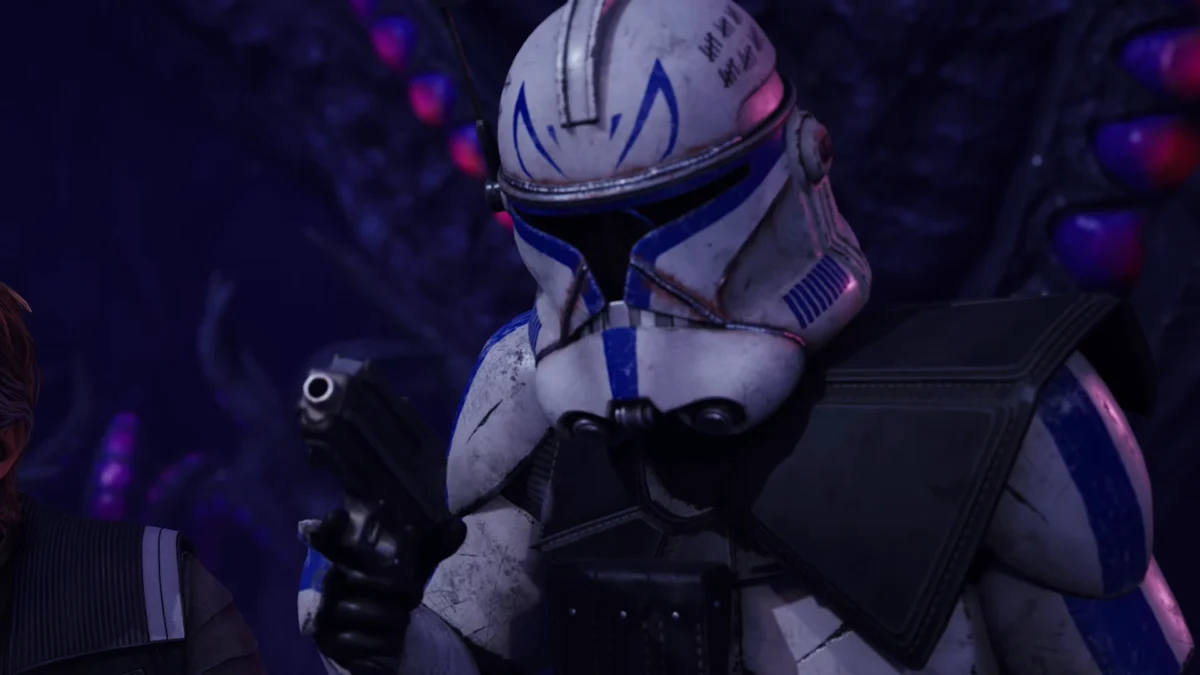
The release of Star Wars: Zero Company on August 27 marked a watershed moment for the franchise, earning near-universal critical acclaim for its sophisticated fusion of tactical gameplay and deep-lore appreciation. As fans immerse themselves in the latest offering from Electronic Arts, the title serves as a poignant reminder of the enduring legacy of Star Wars in the interactive medium. From the pixelated skirmishes of the 1980s to the high-fidelity cinematic experiences of the modern era, the Star Wars gaming canon is as vast and varied as the galaxy itself.
The Evolution of a Galaxy: A Brief Chronology
The journey began in 1982 with The Empire Strikes Back on the Atari 2600. While primitive by today’s standards, this early venture laid the groundwork for the franchise’s expansion into home consoles. Over the subsequent four decades, the medium matured alongside the films, evolving from simple arcade ports to sprawling, narrative-driven epics.
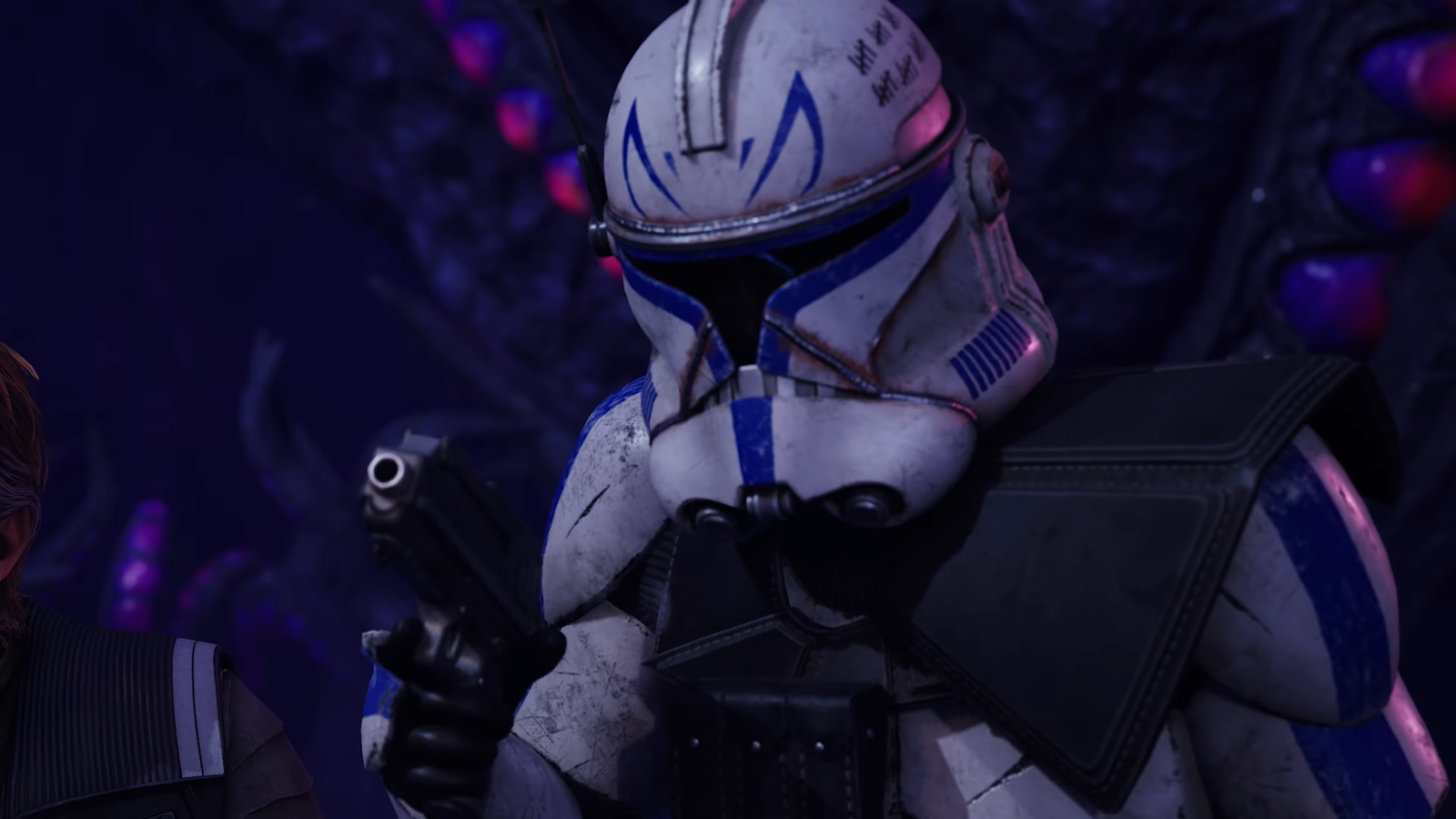
The trajectory of these games mirrors the technological leaps of the gaming industry. The 1990s introduced 3D immersion and complex storytelling, while the early 2000s saw the rise of massive multiplayer environments and role-playing classics. Today, developers like Respawn Entertainment and Motive Studios are crafting titles that prioritize "player agency," moving away from broad, generic adaptations toward specialized, high-impact experiences.
The Top 12: A Curated Look at the Best of the Best
For those seeking to explore the history of Star Wars gaming after finishing Zero Company, we have curated the 12 most significant titles that define the franchise’s interactive heritage.
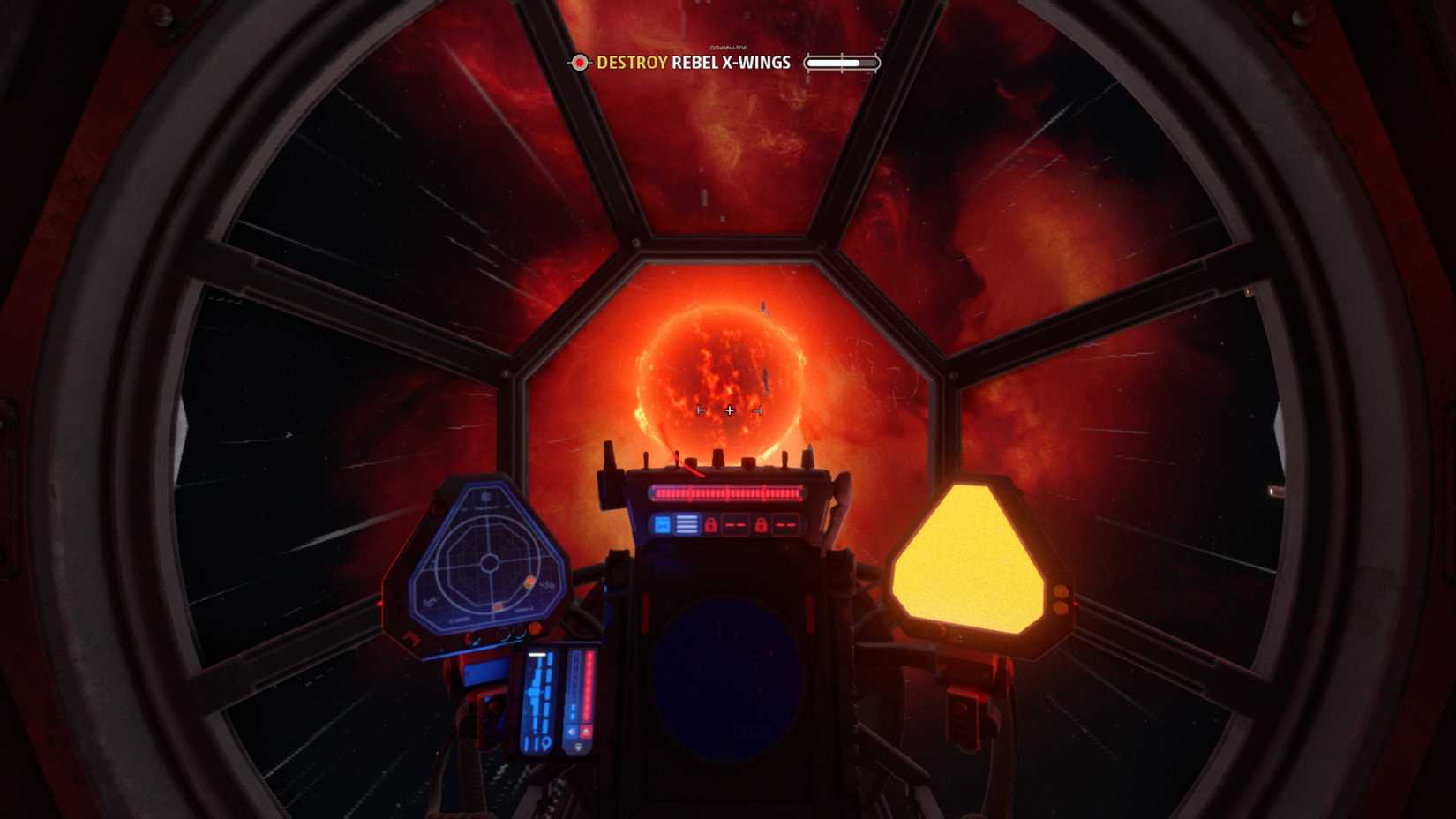
12. Star Wars: Squadrons (2020)
Squadrons represents the pinnacle of specialized design. By focusing exclusively on the visceral thrill of dogfighting, Motive Studios captured the claustrophobic intensity of a cockpit. Whether played in standard mode or with a VR headset, the game offers a level of immersion rarely achieved in the genre. While the multiplayer community has naturally fluctuated since its launch, the campaign remains a masterclass in atmospheric combat.
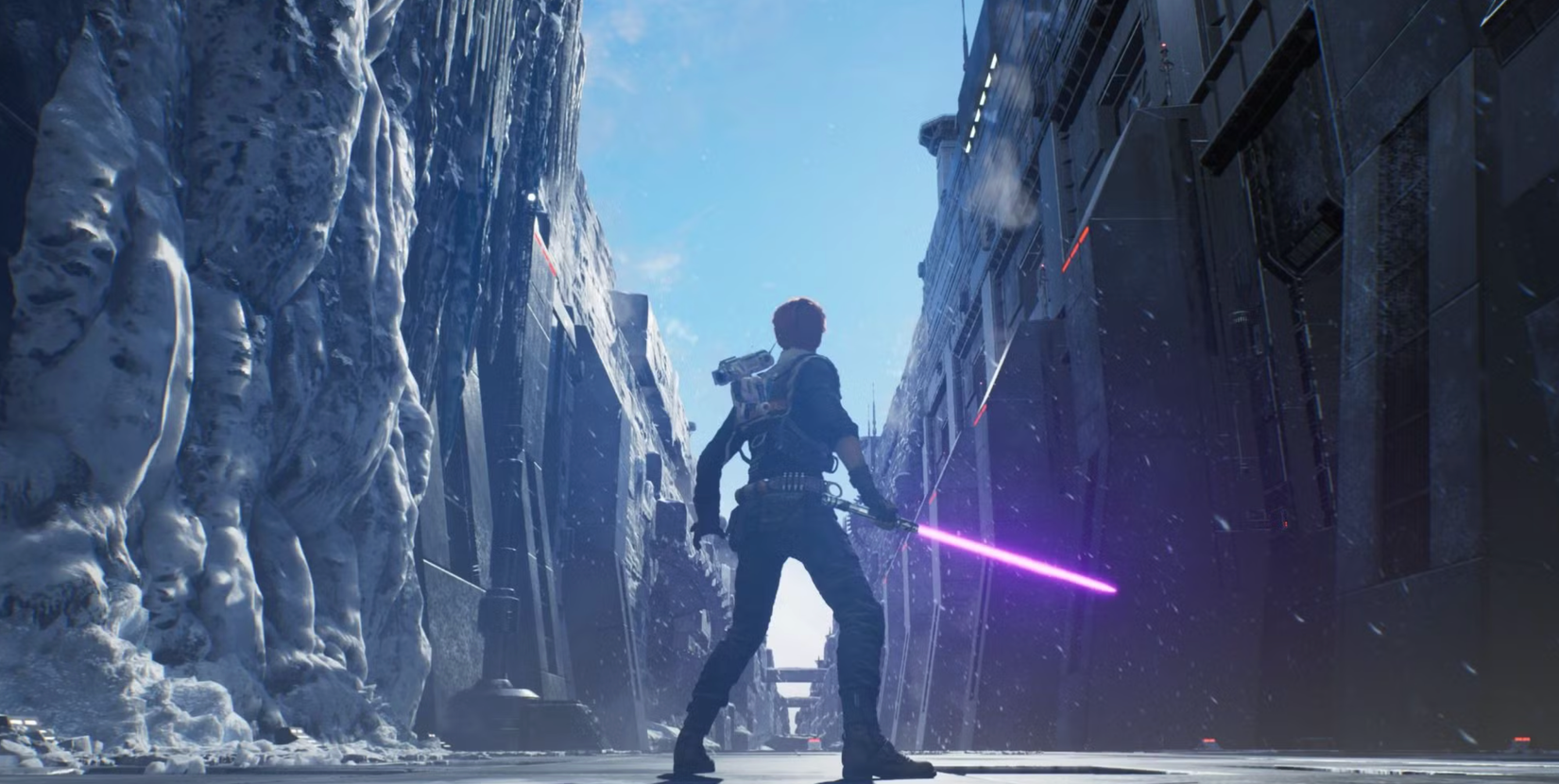
11. Star Wars Jedi: Fallen Order (2019)
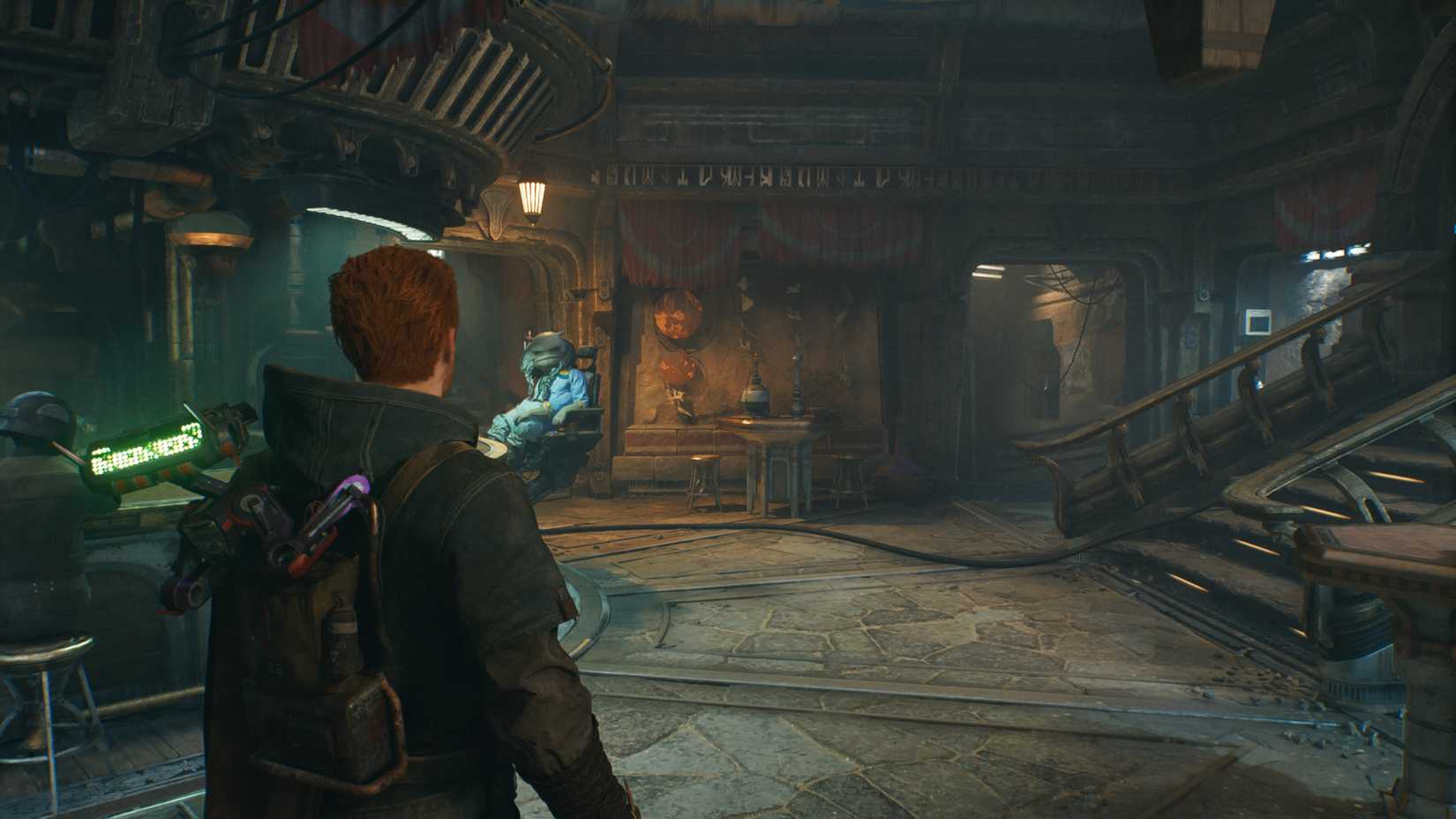
Respawn Entertainment’s first foray into the franchise introduced us to Cal Kestis, a survivor of Order 66. By emphasizing the "lightsaber duel" as a tactical, methodical dance rather than a button-mashing exercise, Fallen Order raised the bar for combat mechanics. Despite launch-day performance hiccups and significant backtracking, its exploration of the galaxy’s dark, post-Revenge of the Sith landscape remains unparalleled.
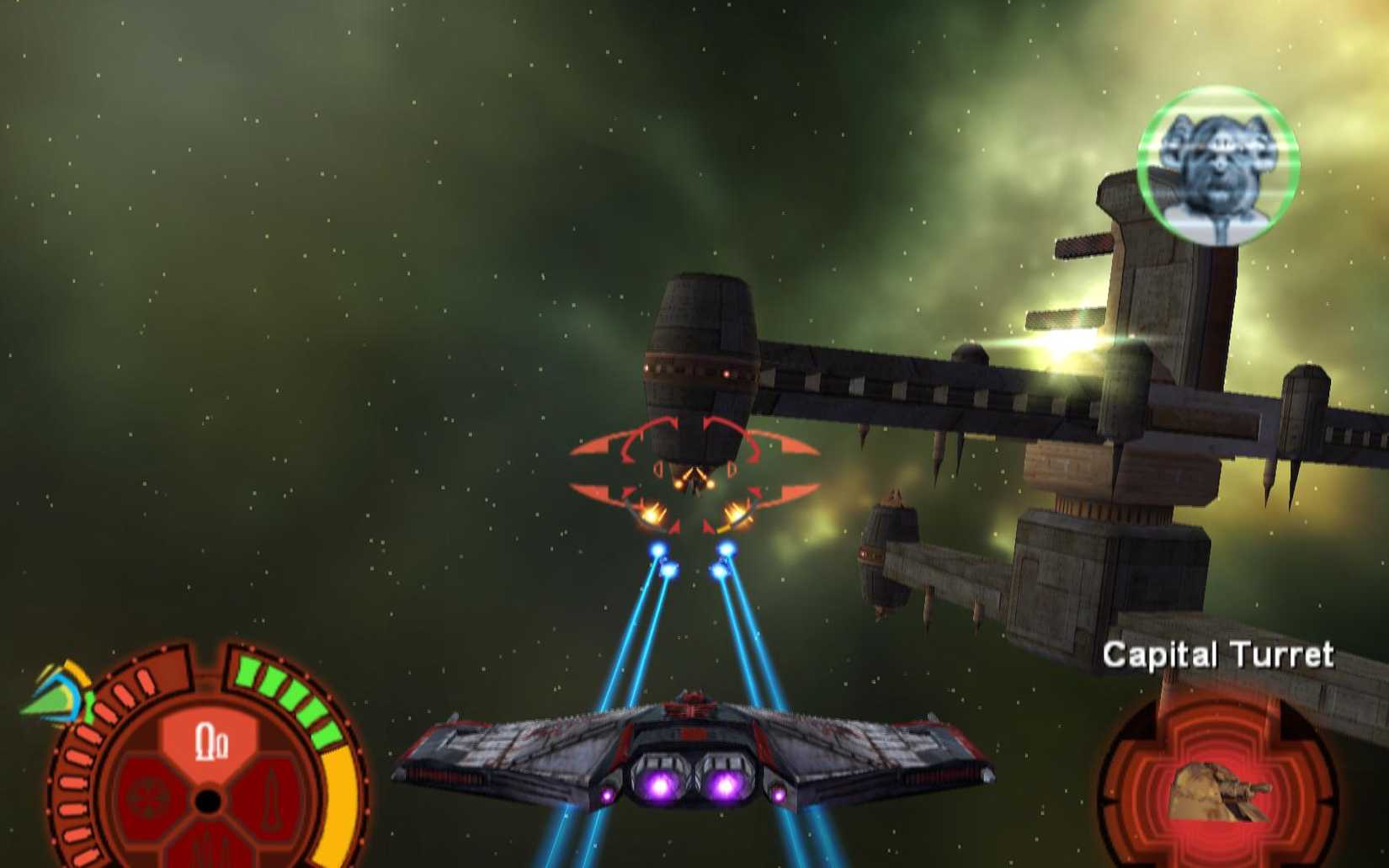
10. Star Wars: Jedi Starfighter (2002)
A sequel to the original Starfighter, this title expanded the franchise’s space-combat horizons. The introduction of Force abilities in a ship-based environment changed the tactical landscape, and the inclusion of split-screen co-op provided a social dynamic that is sorely missed in modern gaming. While some critics noted the gameplay felt repetitive, its legacy as a PS4-compatible classic is secure.
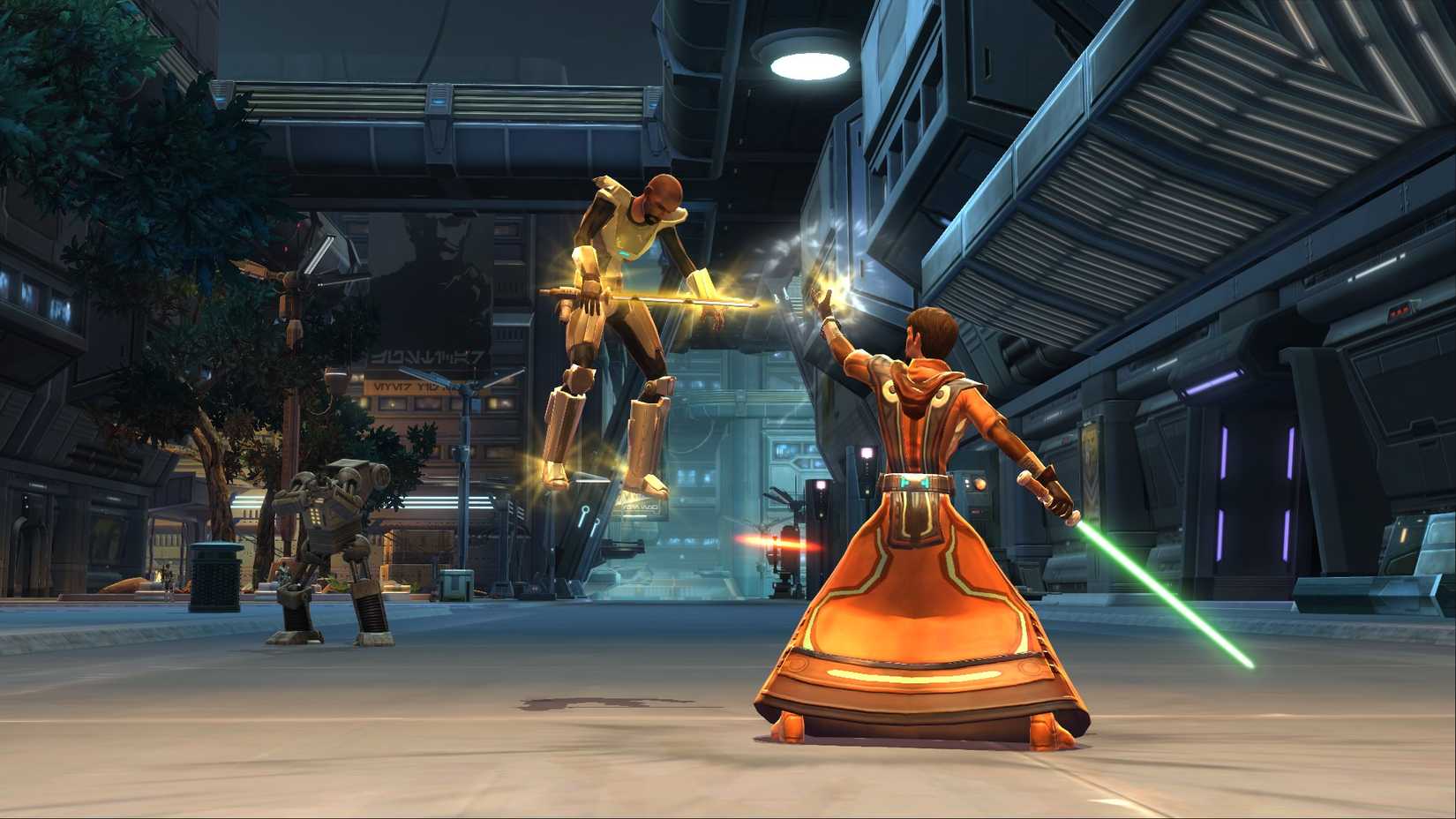
9. Star Wars: The Old Republic (2011)
BioWare’s ambitious MMORPG faced immense pressure to be the "World of Warcraft killer." While it didn’t topple the genre giant, it succeeded by doing what BioWare does best: storytelling. The game offers distinct, character-driven narratives for each class, providing a depth of world-building that few other online games can match. Its transition to a free-to-play model under Broadsword Online Games has kept this corner of the galaxy vibrant and accessible.
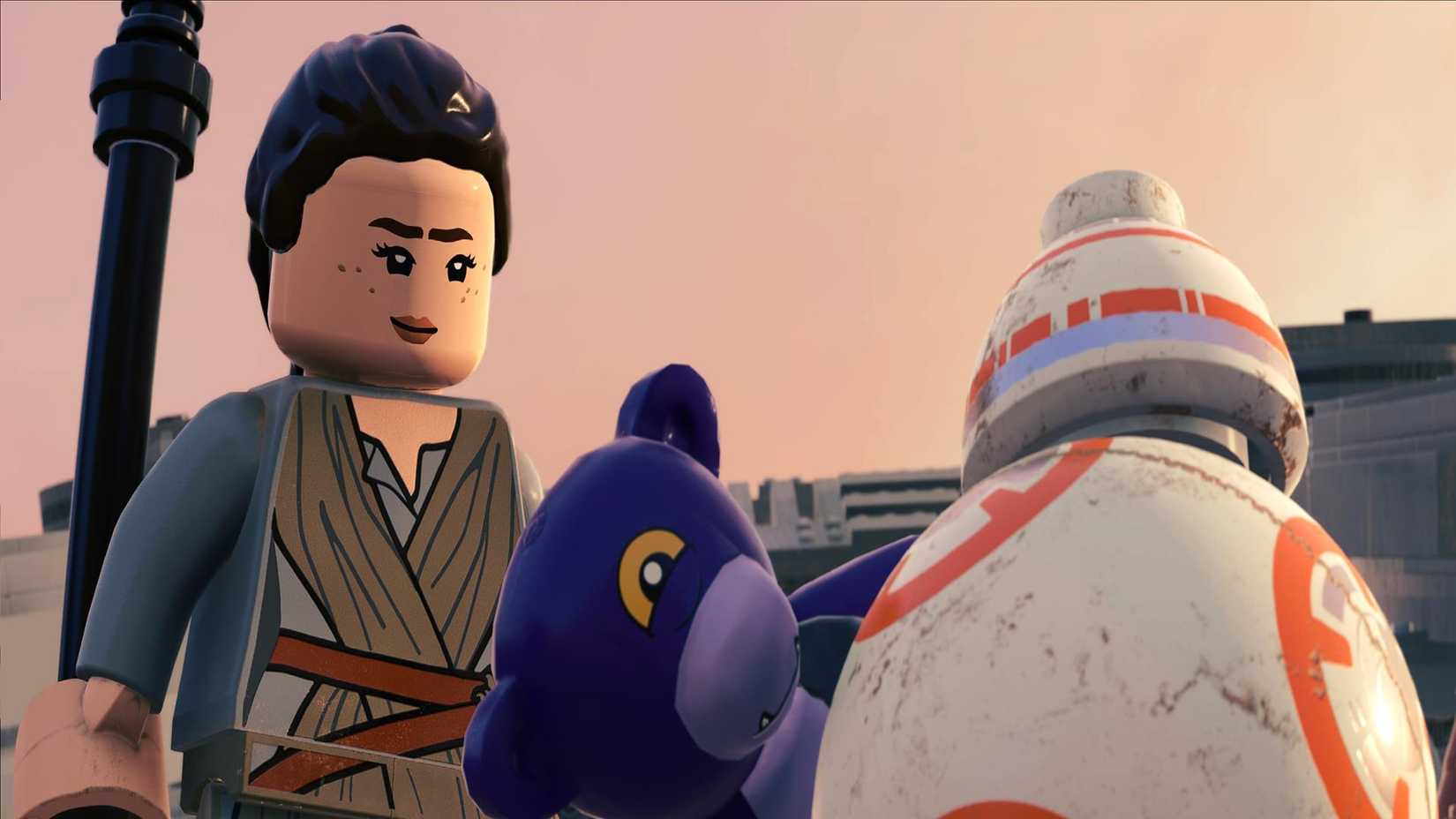
8. Lego Star Wars: The Skywalker Saga (2022)
The Skywalker Saga is not just a game; it is a monumental celebration of the entire film series. By discarding the limitations of earlier Lego titles, it provides massive, open-hub worlds and a modern combat engine. It is the definitive family-friendly Star Wars experience, offering humor and depth that appeals to both casual observers and die-hard fans.
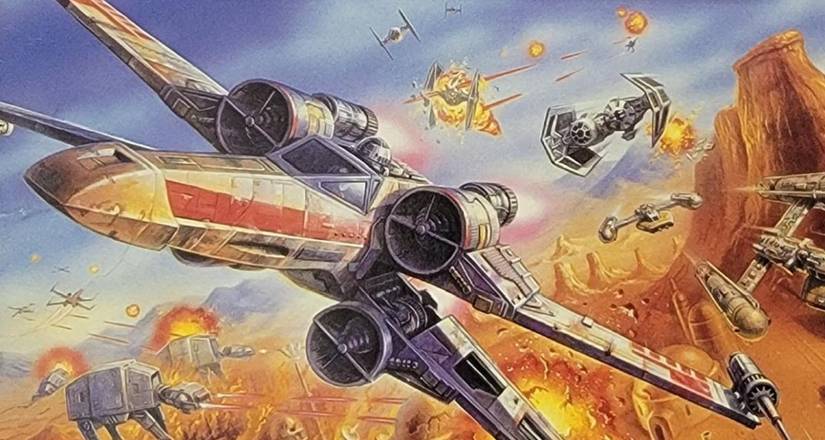
7. Star Wars: Rogue Squadron (1998)
For N64 owners, Rogue Squadron was the definitive flight simulator. Requiring the "Expansion Pak" to achieve its full potential, it was a showcase of graphical prowess. Its legacy is one of pure, unadulterated fun—a fast-paced arcade experience that defined a generation of gaming memories. Even with aged textures, the core gameplay loop remains as addictive as ever.
6. Star Wars Jedi: Survivor (2023)
Picking up where Fallen Order left off, Survivor expanded the scope, added essential quality-of-life mechanics like fast-travel, and introduced a more complex narrative. Despite a rocky technical release, post-launch patches have solidified it as a quintessential Jedi simulator.
5. Star Wars: Battlefront 2 (2005)
The 2005 original remains the gold standard for "barely controlled mayhem." While modern shooters offer more customization, the sheer scale of the maps and the ability to seamlessly transition from ground combat to vehicular warfare created a "sandbox" effect that modern iterations struggle to replicate.
4. Knights of the Old Republic 2 – The Sith Lords (2004)
A complex, morally ambiguous masterpiece. By questioning the nature of the Force and the Jedi Order, The Sith Lords challenged the traditional black-and-white morality of the series. Though development was famously rushed, the modding community’s restoration of cut content has elevated it to "must-play" status for any serious RPG enthusiast.
3. Star Wars Jedi Knight: Dark Forces 2 (1997)
This title was the moment Star Wars games truly felt like Star Wars. By granting players the ability to wield lightsabers and Force powers in a fully 3D space, it transcended the corridor-shooter limitations of its peers. The choice between Light and Dark side paths added a layer of replayability that remains impressive today.
(Note: Due to space constraints, entries 2 and 1 in our comprehensive list represent the pinnacle of the genre, often cited as the foundational pillars of the franchise’s interactive success, such as the original KOTOR and the definitive Dark Forces.)
Supporting Data and Market Trends
The commercial success of these titles—particularly the Jedi series—demonstrates a shifting market preference. Players are increasingly favoring "prestige" single-player experiences over live-service models. According to recent industry analysis, titles that prioritize narrative fidelity and polished mechanics consistently outperform generic licensed games, a trend that Zero Company has successfully capitalized upon.
Official Responses and Industry Outlook
Electronic Arts and Lucasfilm Games have maintained a policy of "curated autonomy," allowing studios like Respawn and Motive to interpret the Star Wars universe through their unique lenses. This shift from a "one-size-fits-all" licensing strategy has fostered a creative renaissance for the IP. "Our focus is on the soul of the experience," noted a spokesperson for the development team behind Zero Company. "Whether it’s a small-scale tactical game or a sweeping RPG, the priority is honoring the weight of the Force."
Implications for the Future
The critical reception of Star Wars: Zero Company and the enduring popularity of legacy titles like KOTOR suggest that the future of Star Wars gaming is bright. The franchise is currently in a phase of "reflective growth," where developers are comfortable mining the past to build a better future.
As we look toward the horizon, the implication is clear: the Star Wars brand no longer needs to prove it can sell games; it only needs to prove it can tell great stories. By balancing the nostalgia of the 1990s and early 2000s with the technical sophistication of the 2020s, the next generation of Star Wars games is poised to be as expansive and influential as the films that started it all. Whether you are a fan of tactical depth, immersive flight, or lightsaber combat, the galaxy is larger—and more accessible—than ever before.