With a population of 3.5 million, Madrid stands not merely as the administrative capital of Spain, but as its undisputed cultural engine. It is a city of grand boulevards, world-class museums, and a nocturnal rhythm that defies traditional European schedules. While coastal rivals like Barcelona often dominate the international imagination, Madrid offers a raw, unfiltered look at the Spanish soul. As the city welcomes over 10 million visitors annually, it has firmly cemented its status as one of the most vibrant, resilient, and historically rich destinations on the continent.
The Rhythm of the Capital: Understanding the Madrid Pace
To visit Madrid is to surrender to a unique temporal cadence. The city is famously nocturnal; the concept of a "late start" is woven into the fabric of daily life. For the uninitiated, the late-night dinner—often beginning after 9:00 PM—and the parties that stretch into the early hours of the morning may seem jarring. However, those who embrace this "slow living" philosophy unlock the city’s true character. Madrid rewards the patient traveler: the long, languid lunches and the post-midnight strolls are where the real connection to the city is forged. It is a place that feels simultaneously imperial and intimate, where the weight of centuries-old history sits comfortably alongside a forward-thinking, modern urban aesthetic.
Chronology: A Curated Five-Day Itinerary
Day 1: Immersion in the Art Walk
The inaugural day of this itinerary centers on the "Paisaje de la Luz," a UNESCO World Heritage site since 2021. This district acts as the city’s cultural lung, housing over 40 monuments and historic buildings.
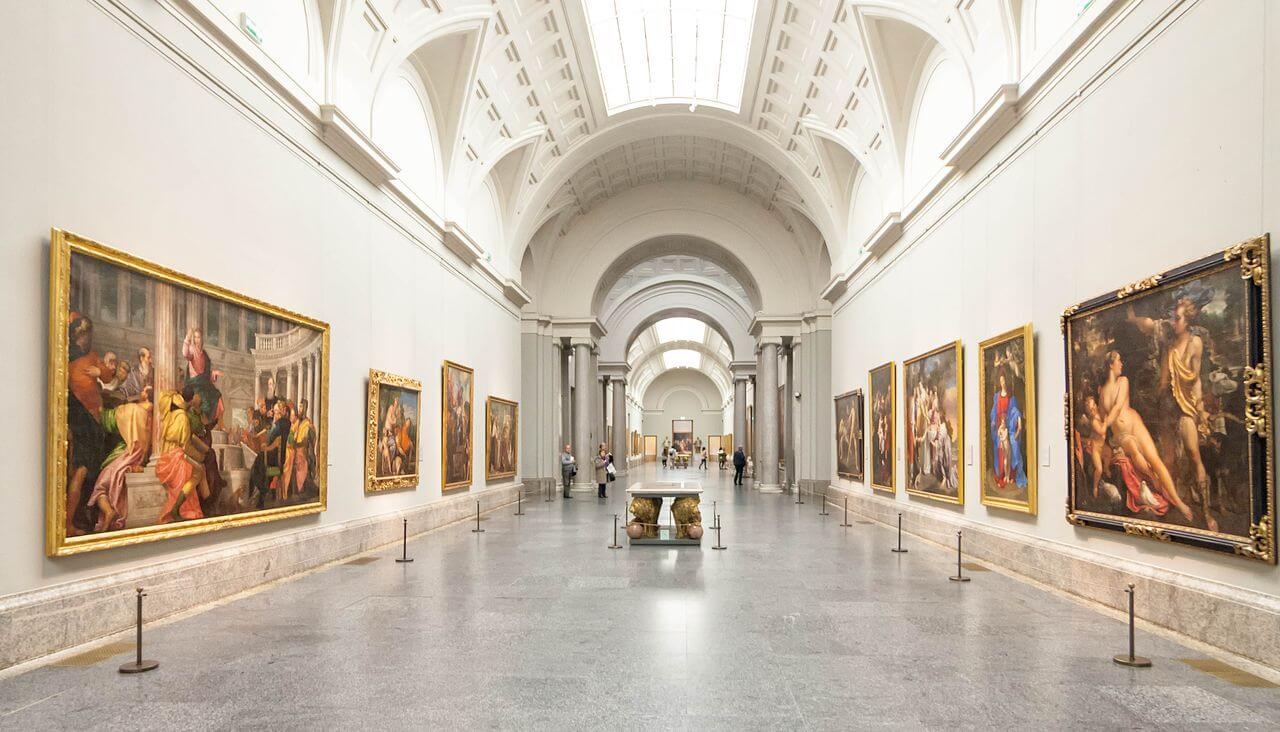
- The Prado Museum: One of the world’s preeminent art institutions. A visit here is a masterclass in Western art history, featuring the works of El Greco, Velázquez, and Goya.
- The Golden Triangle of Art: A short walk along the Paseo del Prado connects the Prado to the Thyssen-Bornemisza Museum (spanning Renaissance to Pop Art) and the Reina Sofía, home to Picasso’s Guernica.
- House Museums: Post-lunch, explore the Sorolla Museum—the former residence of the "painter of light"—which provides a serene, residential counterpoint to the massive scale of the public galleries.
Day 2: The Grandeur of the Habsburg Era
Day two transitions from the Enlightenment to the medieval layout of Madrid de los Austrias.
- Puerta del Sol: Begin at the "Kilometer Zero" plaque, the geographic center of Spain’s road network. Nearby, the Bear and the Strawberry Tree statue serves as the city’s official heraldic emblem.
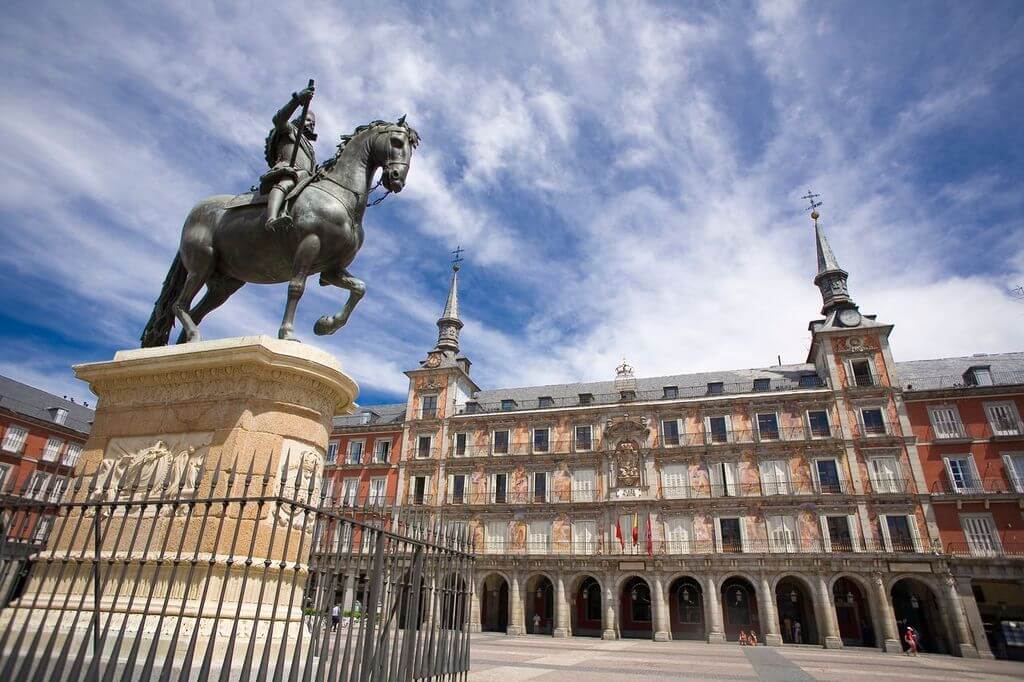
- Plaza Mayor: Once the site of inquisitions and bullfights, this porticoed square is now a grand public living room.
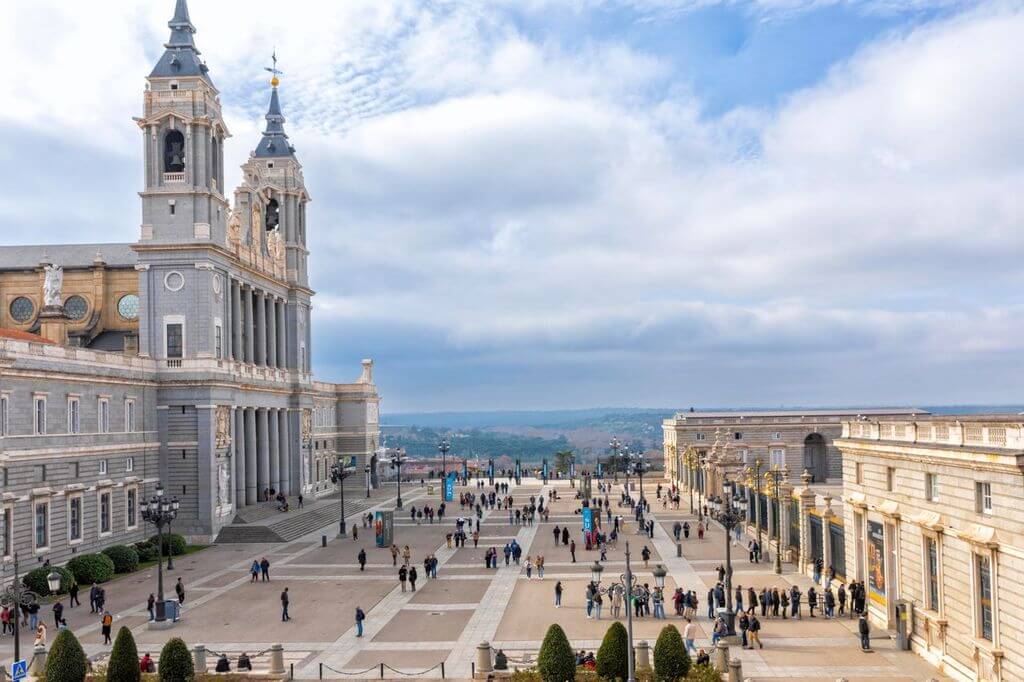
- Royal Palace and Almudena Cathedral: Explore the largest royal palace in Western Europe, a Baroque masterpiece with over 3,400 rooms. The adjacent Almudena Cathedral, though only completed in 1993, offers a fascinating architectural contrast and panoramic city views from its dome.
Day 3: A Culinary Pilgrimage
Madrid is a gastronomic capital. Rather than relying on tourist traps, the best approach is to navigate the city’s legendary markets.
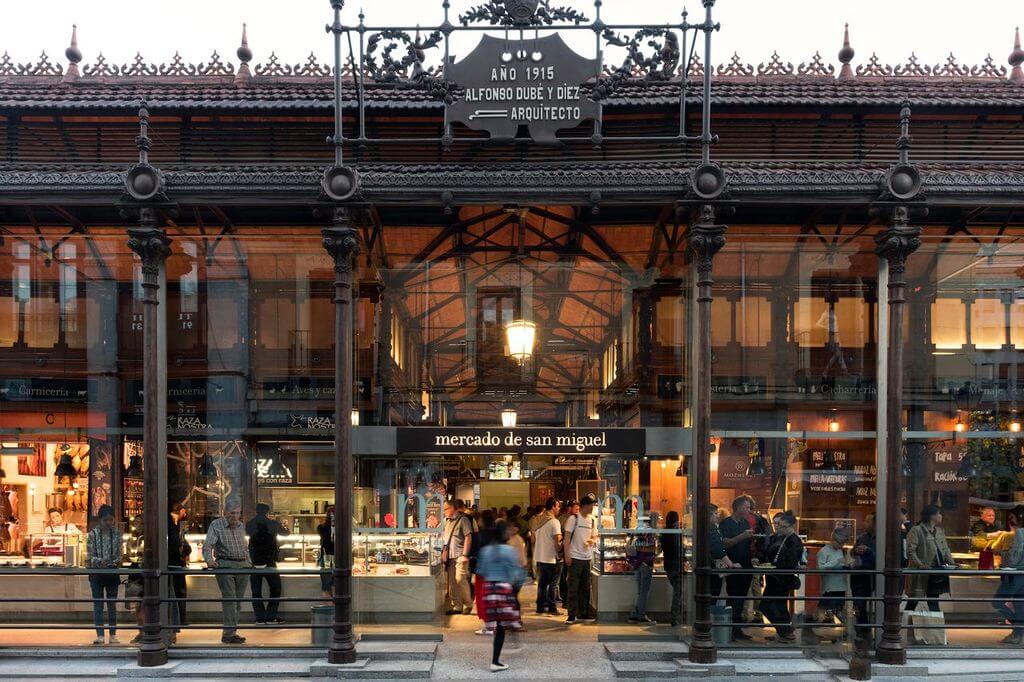
- Market Hopping: The Mercado de San Miguel remains the gold standard for tapas, while the Mercado de San Antón in Chueca offers a more localized, contemporary vibe.
- Historical Dining: For an unforgettable meal, visit Sobrino de Botín, recognized by Guinness World Records as the world’s oldest restaurant.
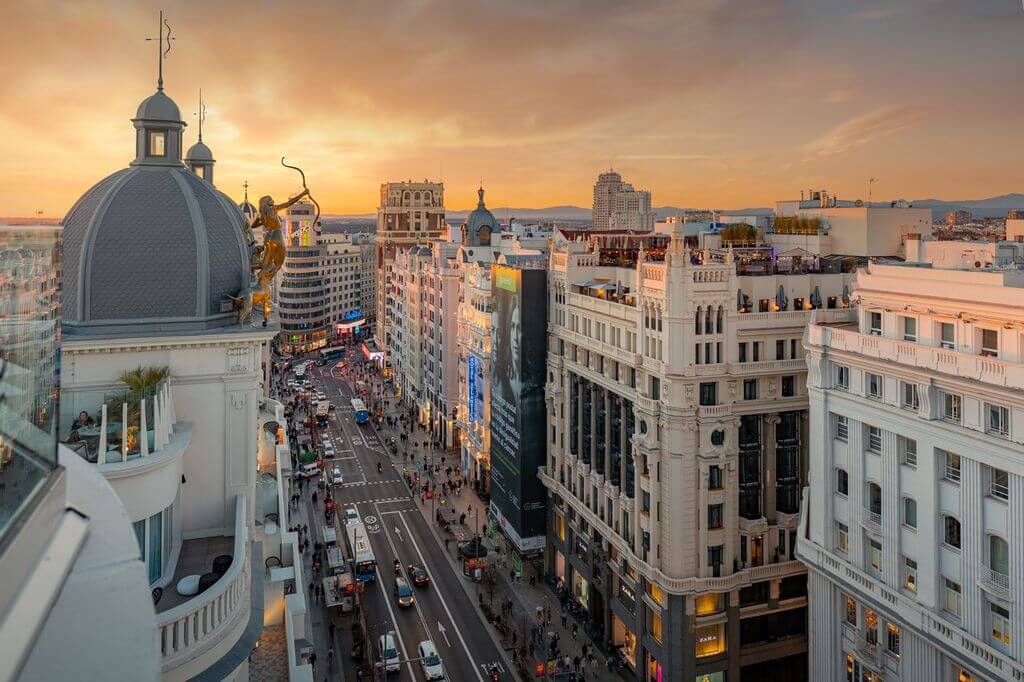
- Rooftop Culture: As evening falls, the Gran Vía corridor becomes the center of Madrid’s sky-high nightlife. Venues like the Riu 360º sky bar allow for a breathtaking perspective of the illuminated cityscape.
Day 4: UNESCO Wonders Beyond the Walls
Madrid serves as an ideal base for exploring Spain’s monumental heritage.
- El Escorial: A 16th-century imperial monastery and palace complex that serves as a testament to the power of the Spanish monarchy.
- Aranjuez: A World Heritage Cultural Landscape that offers a softer, more verdant side of royalty, featuring sprawling gardens that rival those of Versailles.
- Alcalá de Henares: The birthplace of Miguel de Cervantes, this university town provides a perfectly preserved snapshot of the Spanish Golden Age.
Day 5: Off-the-Beaten-Path Treasures
Conclude your journey by stepping into the quiet, cloistered side of Madrid.
- Monastic Hidden Gems: The Monastery of Las Descalzas Reales and the Royal Monastery of La Encarnación house exquisite art collections hidden within active religious walls.
- Casa de Campo: Spend your final hours in this 17-square-kilometer park, which offers the most iconic vistas of the Royal Palace and the city’s skyline from across the lake.
Supporting Data: Economic and Cultural Impact
Madrid’s tourism sector has proven remarkably resilient. According to local tourism board data, the average stay duration has increased by 12% over the last five years, largely attributed to the "slow travel" trend. Furthermore, the city’s commitment to vegan and vegetarian dining has expanded by nearly 40% in the last three years, specifically in districts like Malasaña, signaling a shift in the local culinary identity to cater to a globalized, health-conscious demographic.
Official Perspectives on Urban Development
The city council of Madrid has frequently emphasized that the 2021 UNESCO designation for the "Landscape of Light" was not merely a ceremonial honor, but a catalyst for urban renewal. "We are preserving the memory of the city while adapting to the needs of the 21st-century visitor," states a representative from the Madrid Tourism Board. "The focus has shifted from high-volume tourism to high-value cultural immersion, ensuring that the infrastructure—from the revamped Sorolla Museum to the pedestrianization of central plazas—serves both residents and guests."
Implications for the Modern Traveler
The shift toward more sustainable, culturally focused tourism in Madrid has significant implications for visitors. By prioritizing the city’s "House Museums" and off-the-beaten-path monasteries, travelers avoid the overcrowding of major hubs while contributing to the preservation of niche historical sites.
Furthermore, the emphasis on local markets over mass-produced dining experiences directly supports the city’s regional producers. As Madrid continues to evolve, the challenge remains balancing its historical identity with its rapid modernization. For the traveler, this means that every visit to the city is a moving target; the Madrid of 2026 is a more nuanced, accessible, and inclusive destination than the one of a decade ago.
Whether you are a budget-conscious backpacker utilizing the city’s robust hostel network or a history enthusiast chasing the legacy of the Habsburgs, Madrid’s ability to cater to such a wide spectrum of interests is its greatest asset. The city is not just a collection of sights, but a persistent, living entity that invites you to stay up late, eat well, and witness the ongoing unfolding of its rich, complex history.