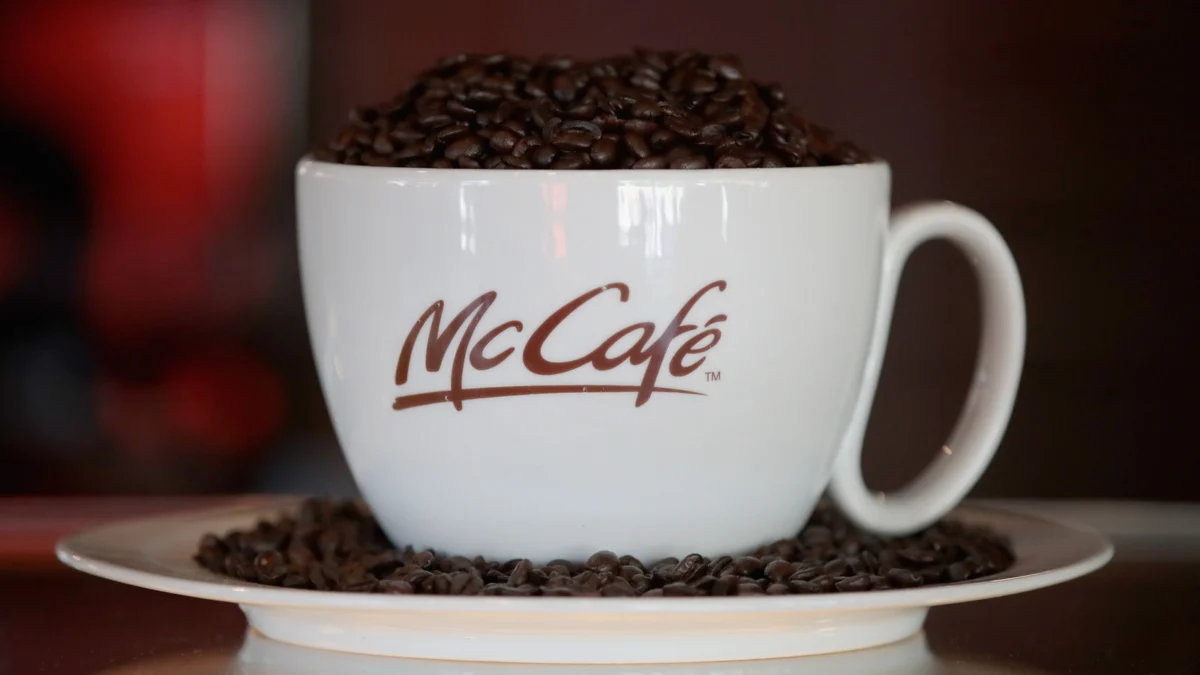
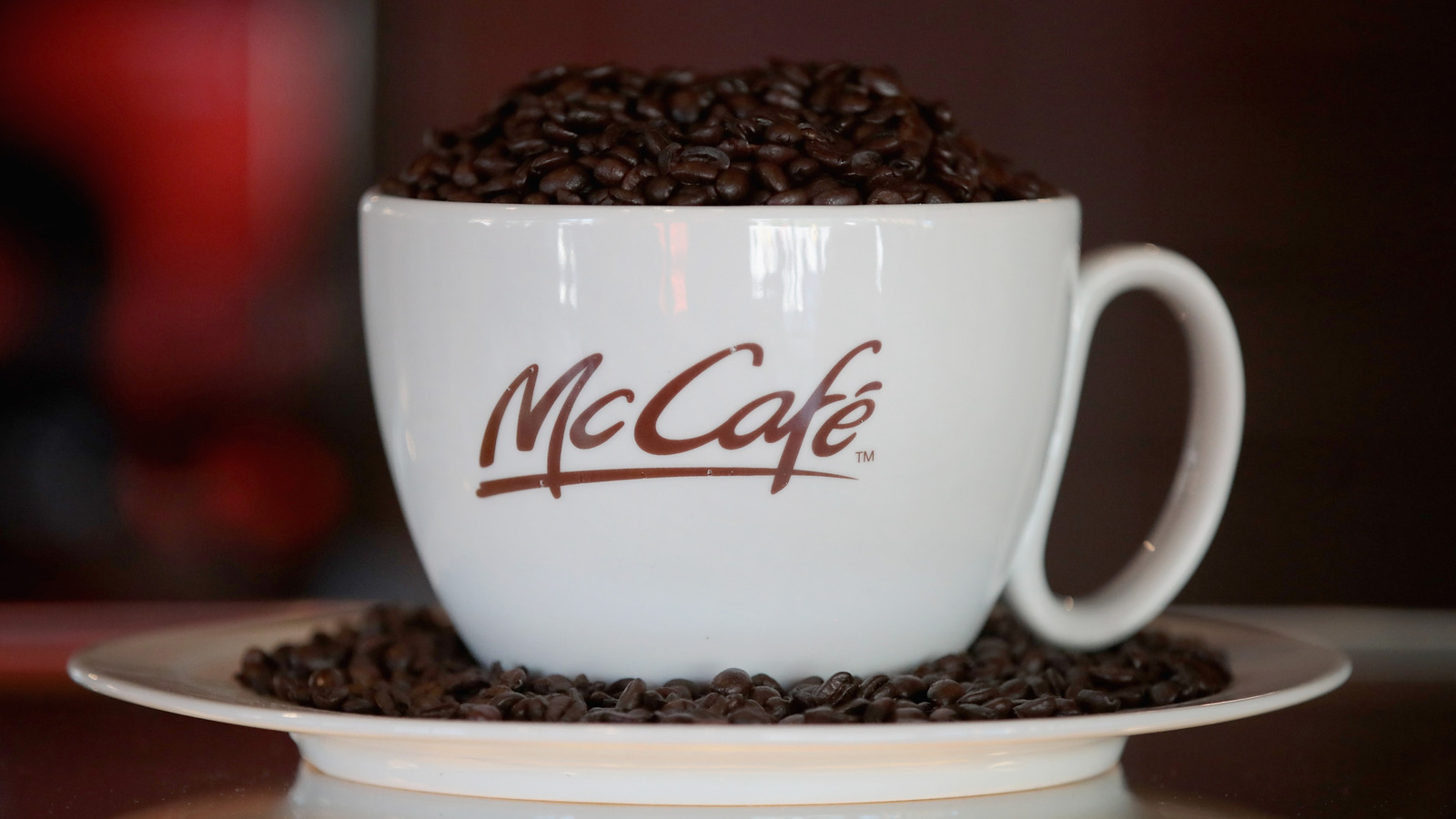
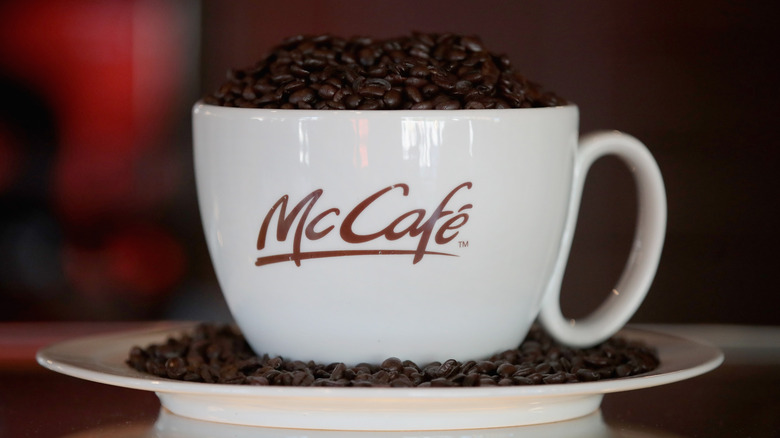
For millions of commuters and early risers, the golden arches signify more than just a quick breakfast sandwich; they represent a reliable, consistent cup of coffee. While specialty coffee chains like Starbucks and high-end artisanal roasters have dominated the cultural conversation surrounding caffeine, McDonald’s has quietly cultivated one of the most fiercely loyal followings in the quick-service industry. Many enthusiasts report that no matter how much they spend on high-end beans or sophisticated home brewing equipment, they simply cannot replicate the specific flavor profile of a cup of McCafé coffee.
This article explores the mystery behind the brew, examining the supply chain, the proprietary roasting techniques, and the psychological allure that keeps customers returning to the drive-thru for their daily caffeine fix.
The Core Facts: Why It’s Impossible to Replicate at Home
The frustration shared by many home baristas is rooted in a fundamental reality of supply chain management: the coffee served behind the counter at McDonald’s is a proprietary product. Unlike many other retail chains that source beans from public-facing distributors, McDonald’s operates under a closed-loop system.
The Gaviña Connection
The secret to the McCafé flavor profile lies in the partnership with Gaviña Gourmet Coffee. Based in Southern California, the Gaviña family brings a deep heritage of Cuban coffee expertise to their roasting operations. McDonald’s sources 100% Arabica beans, which are then roasted to a specific medium-dark profile. This roast is exclusive to the chain; the exact chemical specifications, moisture levels, and blend ratios are protected trade secrets that are not available to the general public.
The Grind-on-Demand Factor
Another critical component is the freshness of the grind. In most modern McDonald’s locations, the beans are ground in-store immediately before the brewing process. This minimizes the oxidation that occurs once coffee is exposed to air, ensuring that the aromatic compounds remain intact. For the home consumer, purchasing pre-ground coffee—even if it is labeled "McCafé" from a supermarket—cannot compete with the volatile oils released during a fresh, in-store grind.
A Chronology of the McCafé Revolution
To understand the current status of McDonald’s coffee, one must look at the strategic shift the company made in the early 2000s to compete in the premium coffee space.
- Pre-2000s: McDonald’s coffee was widely regarded as a secondary menu item, often criticized for being generic and overly acidic. It was functional caffeine, not a culinary experience.
- 2001-2008: Recognizing the "Starbucks effect," where consumers were becoming more discerning about their daily habits, McDonald’s launched a massive overhaul of its coffee program. They invested heavily in new equipment, higher-quality bean sourcing, and staff training.
- 2009: The official national rollout of the "McCafé" brand in the United States marked a turning point. The introduction of espresso-based drinks, frappes, and improved drip coffee transformed the chain into a legitimate competitor to traditional coffeehouses.
- 2010s to Present: McDonald’s continued to refine its equipment, introducing automated brewing systems that ensure temperature and extraction times remain consistent across thousands of locations. This level of consistency is the hallmark of their success.
The Science of the "Japanese-Style" Iced Brew
One of the most praised items on the menu is the McCafé Iced Coffee. While many coffee shops create iced coffee by cold-brewing beans for 12 to 24 hours, McDonald’s utilizes a specialized "Japanese-style" hot brewing method.
By brewing a concentrated amount of hot coffee directly over ice, the chain captures the complex aromatic compounds that are often lost during the long cold-steeping process. The heat extracts the acids and oils efficiently, while the ice instantly locks in the flavor, resulting in a cup that is bright, balanced, and remarkably bold. This technique requires precise calibration of the water-to-coffee ratio, a process McDonald’s has perfected through their automated hardware.
Comparative Analysis: McDonald’s vs. The Coffee Giants
The debate regarding McDonald’s superiority over Starbucks is a recurring theme on social media platforms like Reddit and X (formerly Twitter). To understand this preference, one must analyze the "Coffee Palette" of the average consumer.
The "Comfort" Factor
Starbucks is often associated with dark, robust, and sometimes bitter roasts, which appeal to those who enjoy heavy cream or syrup-laden drinks. In contrast, the McDonald’s medium-dark roast is designed to be more "approachable." It possesses a clean finish that is perceived as smoother, making it highly drinkable even in its black form.
Consistency as a Competitive Advantage
For the average customer, the most important attribute of a coffee shop is not necessarily the "notes of blueberry" or "citrus undertones," but rather the guarantee that the coffee will taste exactly the same today as it did yesterday. McDonald’s operational rigor ensures that regardless of the location—be it in a rural town or a major metropolitan hub—the cup remains consistent. This predictability creates a "safety zone" for consumers, fostering brand loyalty that transcends the hype of artisanal coffee shops.
Official Responses and Strategic Implications
While McDonald’s rarely speaks on the granular details of their bean chemistry, their corporate strategy has always emphasized "accessibility and quality." In various investor reports, the company has highlighted that their coffee program is a primary driver of breakfast traffic.
The Amazon Retail Strategy
McDonald’s has recognized the consumer demand for their coffee at home. By licensing the "McCafé" brand to retail packaging sold on platforms like Amazon, they have managed to capture a portion of the at-home market. While critics and super-fans argue that the retail product doesn’t match the restaurant experience, the 4.7-star rating on major e-commerce platforms suggests that the company has successfully translated their brand equity into the grocery aisle.
The Role of Technology
The shift toward automated, precision-calibrated brewing technology has had massive implications for the quick-service industry. By removing the "human error" factor from the brewing process, McDonald’s has demonstrated that high-quality, high-volume coffee is achievable without the need for a trained barista at every station. This model is now being studied and emulated by competitors like Wendy’s and various gas station chains, all hoping to reclaim the "morning commute" demographic.
Future Outlook: Can the Magic Last?
As the coffee market continues to evolve toward specialty and single-origin offerings, McDonald’s faces the challenge of staying relevant to younger, more coffee-literate generations. However, the sheer scale of their supply chain—built on decades of partnership with suppliers like Gaviña—gives them a structural advantage that is nearly impossible for smaller chains to overcome.
The "McCafé" phenomenon is a testament to the power of systems. It is not just about the beans; it is about the combination of high-grade Arabica, a precise roasting profile, rigorous in-store grinding, and a commitment to flavor consistency. While the most dedicated fans may never be able to perfectly replicate that "drive-thru magic" in their own kitchens, the ongoing success of the brand proves that in the world of coffee, sometimes the most successful cup is the one that offers a familiar, reliable embrace.
As we look toward the future, it is clear that McDonald’s will continue to lean into their coffee program as a cornerstone of their identity. For the consumer, this means the mystery of the McCafé cup will remain, keeping us pulling into the drive-thru lane, time and time again, in search of that perfect, consistent morning brew.