Jordan’s cinematic landscape is undergoing a profound transformation. Once viewed primarily as a backdrop for international productions seeking desert vistas, the Kingdom has rapidly evolved into a creative powerhouse defined by a new generation of filmmakers. These artists are moving beyond the well-trodden paths of geopolitical tragedy and cultural stereotypes, opting instead to explore the intimate, complex, and deeply human realities of modern life in West Asia.
Supported by a robust ecosystem of institutions—including the Royal Film Commission (RFC), the Jordan Film Fund, and the Amman Film Industry Days—Jordanian talent is now commanding international attention. From observational documentaries to genre-bending thrillers, the nation’s film sector is proving that authenticity is the most potent currency in global cinema.
1. The Infrastructure of Innovation: Building a Sustainable Ecosystem
The rise of Jordanian cinema is no accident. It is the result of a deliberate, long-term strategy to provide filmmakers with the tools required to compete on the world stage. The Jordan Film Academy and the annual Amman Film Festival serve as the bedrock of this movement, offering training, networking, and vital financial grants.
The Amman Film Industry Days (AFID), in particular, has become the primary incubator for the region’s most promising projects. By providing a platform where local talent can pitch to international producers and distributors, the AFID has accelerated the transition of independent projects from rough concepts to festival-ready features. The success of last year’s cohort demonstrates that this institutional support is yielding tangible results, with multiple films currently moving into production or post-production phases.

2. Chronology: From Development to Global Stages
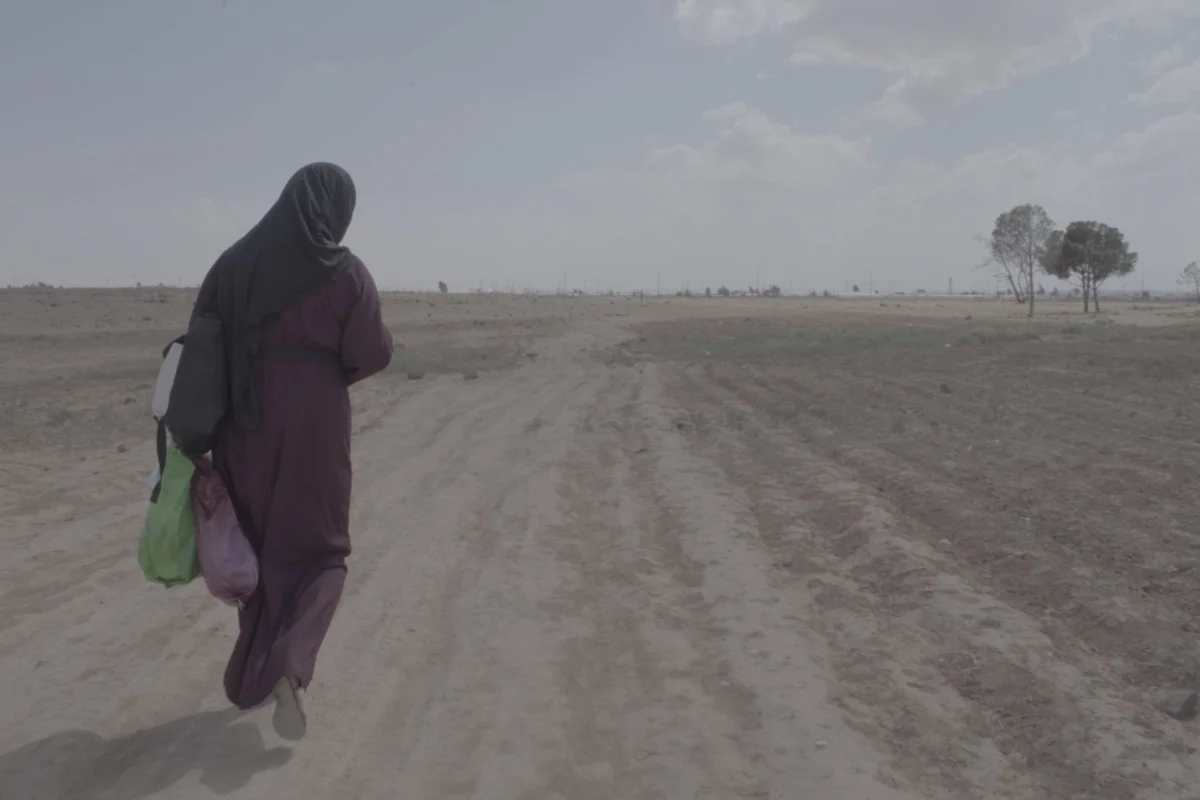
The trajectory of contemporary Jordanian projects follows a rigorous path, often spanning years of development. A prime example is the documentary Amal, helmed by director Khaled Alswidan (Al Khaldi).
- 2024: Amal secures two major development awards at the Amman Film Industry Days, providing the initial momentum required for the project.
- Mid-2024: The project receives critical acclaim in Cairo and earns a coveted spot in the Storyhouse (Bayt Al Hikayat) development program.
- Late 2024: The Jordan Film Fund provides essential production support, allowing Al Khaldi to transition into the final financing stages.
- 2025/2026: The project is selected for the First Cut Lab Doha, moving into the critical phase of editorial and creative fine-tuning.
This steady progression is common among the new wave of Jordanian directors. Whether it is Amal—which chronicles the divergent paths of two Syrian sisters navigating displacement—or Zaid Abu Hamdan’s gritty crime thriller Boomah, the timeline of these projects reflects a patient, deliberate commitment to narrative depth.
3. Shifting Perspectives: Moving Beyond Stereotypes
For decades, the international film market pigeonholed Middle Eastern cinema into a narrow set of themes: war, poverty, and political strife. Producers like Alaa Alasad of the Amman-based firm Tabi360 are spearheading a rebellion against these expectations.
"We are seeing a shift toward stories that prioritize universal human experiences over cultural stereotypes," Alasad explains. His production of Zain Duraie’s debut feature, Sink, serves as a watershed moment for this movement. The film, which explores the harrowing realities of a mother dealing with her teenage son’s mental health struggles, challenges the Western gaze.

"Modern Jordan is diverse, middle-class, and complex," Alasad notes. "When we pitched Sink, we faced pushback from Western funding sources who questioned why our characters didn’t fit the ‘traditional’ idea of a Jordanian family. Our job as producers is to protect the director’s authentic voice. We are not here to exoticize our culture for foreign festivals; we are here to reflect our reality."
This philosophy is shared by figures like Gianluca Chakra, head of the Dubai-based Front Row Productions. Chakra emphasizes that the current generation of filmmakers is no longer asking for permission to tell their stories. "They are embracing local realities and trusting that, if the work is authentic, the story will travel. There is a newfound confidence that Jordanian stories do not need to imitate Western or traditional structures to find an audience."
4. Supporting Data: The Pipeline of Upcoming Talent
The depth of the Jordanian talent pool is best illustrated by the current slate of films in development. The industry is currently moving from a "niche" phase to a period of consistent output.
Key Projects in Development:
- "Jo of Montreal": Directed by acclaimed filmmaker Ameen Nayfeh (200 Meters), this production is currently moving into filming across locations in Shobak, Jordan, and AlUla, Saudi Arabia. It marks another high-profile collaboration for the Alasad brothers.
- "Birthday": Directed by Lara Zidan, this feature is scheduled to begin production by the end of the year, signaling a strong start for female-led projects in the region.
- "The Last Mayor of Jerusalem": Directed by Kinda Kurdi, this documentary has gained significant momentum by incorporating archival footage, dramatization, and animation to detail the life of Rawhi Khatib. The addition of producer Janay Boulos—a 2026 Sundance award winner—to the project underscores the project’s high production value and international appeal.
- "Asphalt": Produced by Mahmoud Massad, this project, currently in post-production, offers an unflinching look at the impact of regional conflict on the personal milestones of refugees, specifically focusing on the postponement of a wedding due to loss in Gaza.
5. Official Voices: The Human Element
The strength of Jordanian cinema lies in its intimate connection to the filmmakers’ own lives. Khaled Alswidan, who has lived in Jordan since 2011, highlights the importance of trust-building in documentary work.

"I have lived in socially complex environments and witnessed transformations that are difficult to access from the outside," Alswidan says. "Being the eldest brother of five sisters has made me acutely aware of the layers of violence and social pressure that women face in our society. That is not just a ‘theme’ I explore; it is a lived reality."
This sentiment is echoed by Alaa Alasad, who describes the process of producing Sink as a "no-brainer" because it touched on a taboo—mental health—that has been historically ignored in the region. By bringing these stories into the light, filmmakers are not just creating art; they are engaging in a necessary social dialogue.
6. Implications: A Future Defined by Autonomy
The implications of this shift are far-reaching. By reclaiming the narrative, Jordan is positioning itself as a cultural leader in the Arab world. The success of films like Boomah at the Shanghai Film Festival proves that stories rooted in local social realities—like crime, survival, and redemption—can resonate just as effectively with an audience in China as they do in Amman.
As the industry matures, the challenge will be maintaining this independence against the commercial pressures of the global streaming market. However, with a generation of directors, producers, and institutions that prioritize creative integrity over "marketability," the future of Jordanian cinema appears remarkably secure.

The Road Ahead
Jordan is no longer just a location scout’s dream; it is a destination for intellectual and emotional engagement. The "New Wave" of Jordanian filmmakers is moving with purpose, resilience, and an unwavering commitment to the truth. Whether through the lens of a documentary camera or the script of a psychological drama, these artists are ensuring that the world sees Jordan not as a set of statistics or headlines, but as a vibrant, breathing, and deeply human society.
As the industry looks toward 2027 and beyond, the focus remains clear: continue to foster local talent, protect the integrity of local voices, and keep the focus on the stories that define the human condition. In doing so, Jordan is setting a blueprint for how small but determined markets can change the global cinematic conversation.