The gaming industry is no stranger to volatility, but the recent upheaval at Microsoft’s gaming division—now formally rebranded as the singular, all-caps "XBOX"—has sent shockwaves through the ecosystem. What began as a hopeful pivot under new leadership has descended into a period of deep uncertainty, marked by layoffs, the dissolution of high-profile partnerships, and a strategic retreat from the aggressive expansion policies that defined the pandemic era.
For followers of "Team Green," the last few weeks have been a jarring transition from the optimism of a successful June showcase to the cold reality of a structural "reset." As new CEO Asha Sharma and Chief Content Officer Matt Booty attempt to steer the ship toward profitability, the gaming world is left to grapple with the fallout of a brand in transition.
The Catalyst for Change: A Leadership Vacuum
The current state of chaos finds its roots in the events of February 2026. The abrupt departure of long-time CEO Phil Spencer, followed by the exit of Sarah Bond, left a massive power vacuum at the top of the organization. Their replacements, CEO Asha Sharma and Chief Content Officer Matt Booty, were brought in with a clear mandate: reverse the trend of ballooning operational costs and revitalize a brand that many analysts felt had lost its identity.
In their first 100 days, the new leadership team moved with ruthless efficiency. They dismantled the confusing "This is an Xbox" marketing campaign, which many consumers criticized for its lack of focus. They slashed prices on Xbox Game Pass following a disastrous 50% price hike that triggered a mass exodus of subscribers. Perhaps most visibly, they signaled a return to hardware-first priorities with the announcement of "Project Helix," a high-end console project intended to reclaim the performance crown.

However, the "reset" came with a hidden cost. On June 10, just three days after a well-received summer showcase, reports broke that massive, company-wide layoffs were imminent. The leadership’s subsequent confirmation of these cuts—citing "lousy revenue" and "excessive expansion"—marked the beginning of a dark chapter for the division’s workforce.
A Chronology of the "Xbox Reset"
The following timeline captures the rapid, often contradictory developments that have characterized the last month of operations at Xbox.
June 7: The Final High
Xbox hosted a barnstorming summer showcase that felt like a return to form. The energy was palpable, with hundreds of translucent green Series X consoles gifted to attendees. It was a moment of celebration, but in hindsight, it served as the final act of the previous regime’s vision.
June 10: The Hammer Falls
Bloomberg reported that CEO Asha Sharma had finalized a massive slate of layoffs. The news, which broke mere days after the showcase, shattered the community’s optimism. A formal post on Xbox Wire confirmed the "100-day reset," formalizing the shift toward austerity.

June 15: The Hit List Emerges
Reports began to circulate regarding which development studios were on the chopping block. The list included storied names like Compulsion Games, Double Fine, and Ninja Theory, signaling that no internal team was safe from the cost-cutting measures.
June 29: The Third-Party Freeze
Consultant Fernando Rizo revealed that Xbox had suspended negotiations with third-party indie developers. Many studios expecting to land their projects on Game Pass were left with the "rug pulled out from under them," as the service’s acquisition strategy shifted from rapid expansion to fiscal consolidation. On the same day, Activision and Xbox confirmed that the upcoming Modern Warfare 4 would not be hitting Game Pass, signaling an end to the "day-one" entitlement fans had grown to expect.
June 30: The Breaking of Ties
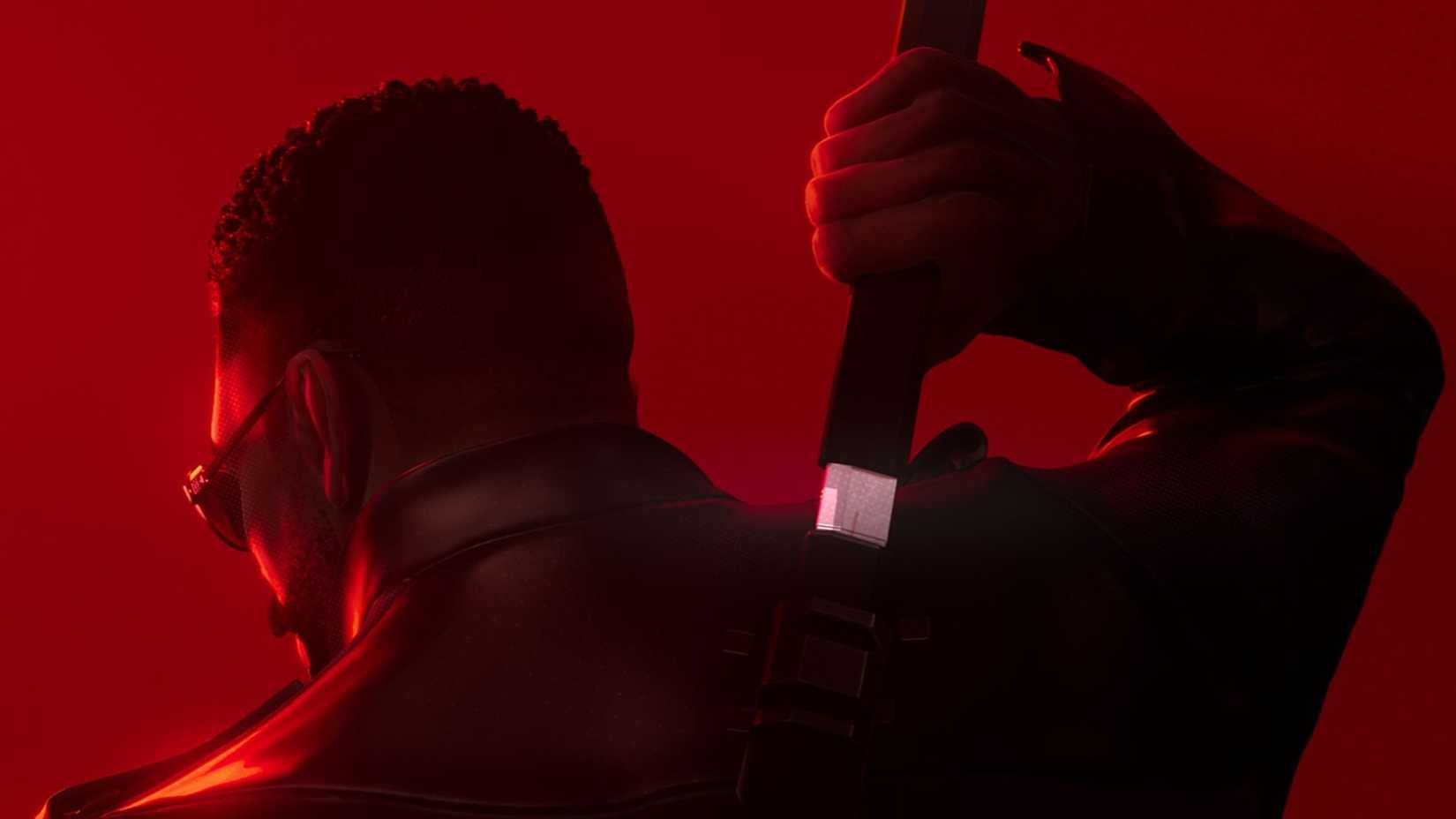
The month ended on a sour note for IO Interactive, which announced that its partnership with Xbox on the project "Project Fantasy" had been terminated. This left the studio in a precarious position, forced to make immediate "staffing decisions" to compensate for the lost funding. Simultaneously, reports emerged that Arkane Studios—the celebrated team behind Dishonored—might face closure, casting a dark shadow over the future of the highly anticipated Marvel’s Blade.
Supporting Data: Why the Shift?
The core of the issue lies in the unsustainable growth trajectory of the post-2020 gaming boom. During the pandemic, Microsoft, like many other tech giants, invested heavily in staff and studio acquisitions. When the market corrected, the gaming division found itself with high overhead and declining returns on its massive Game Pass library.
The "excessive expansion" cited by Sharma refers to a period where Xbox focused on volume—acquiring studios and pushing games to subscription services regardless of immediate profitability. The new strategy, by contrast, relies on a "Quality Over Quantity" filter. By pausing third-party deals and trimming internal fat, leadership hopes to create a more resilient, if smaller, portfolio of revenue-generating titles.
The Implications for the Future
The ripple effects of these decisions are profound and will likely shape the gaming landscape for the next half-decade.
1. The Death of the "Netflix for Games" Ideal
For years, Xbox touted Game Pass as the ultimate destination for gamers. By pulling back on third-party funding and withholding major blockbusters like Call of Duty from the service, Xbox is essentially pivoting away from the "all-you-can-eat" model. This suggests that the service will likely become a premium-tier add-on rather than the core value proposition of the ecosystem.
2. A Return to "Prestige" Franchises
Perhaps the most telling aspect of the reset is the fast-tracking of "safe" bets. Sources indicate that Sharma has ordered a prioritization of major, legacy franchises like The Elder Scrolls and Fallout. After years of silence on The Elder Scrolls 6, it is now a pillar of the future roadmap. This indicates a desire to lean on proven IPs that carry guaranteed sales, rather than taking risks on experimental, smaller-budget titles.

3. The Human Cost
Beyond the business strategy, the human toll of the "100-day reset" cannot be ignored. The potential shuttering of studios like Undead Labs—which is currently working on the highly anticipated State of Decay 3—threatens to destroy the creative culture that made these teams special in the first place. When a company chooses to "reset," the developers often pay the price for management’s past strategic missteps.
Official Responses and the Road Ahead
In their communication via Xbox Wire, Sharma and Booty have maintained a tone of "radical transparency," though critics argue that the transparency comes too late. The message from the C-suite is clear: the era of unchecked growth is over.
"We are building a more sustainable business," the company stated, emphasizing that the cuts are necessary to ensure the division’s long-term health. However, as developers at IO Interactive and Arkane face uncertainty, the "sustainable" nature of this new vision remains a matter of intense debate.
The next 70 days of the "100-day reset" will be critical. Whether Xbox can retain the loyalty of its user base while drastically altering its business model is the multi-billion-dollar question. For now, the brand is in a state of flux—shouting its name in all-caps, while internally, it is whisper-quiet about what comes next for the studios currently in the crossfire. The industry watches on, waiting to see if this "reset" will truly lead to a stronger Xbox, or if it marks the beginning of the end for the console’s historical relevance in the modern gaming era.