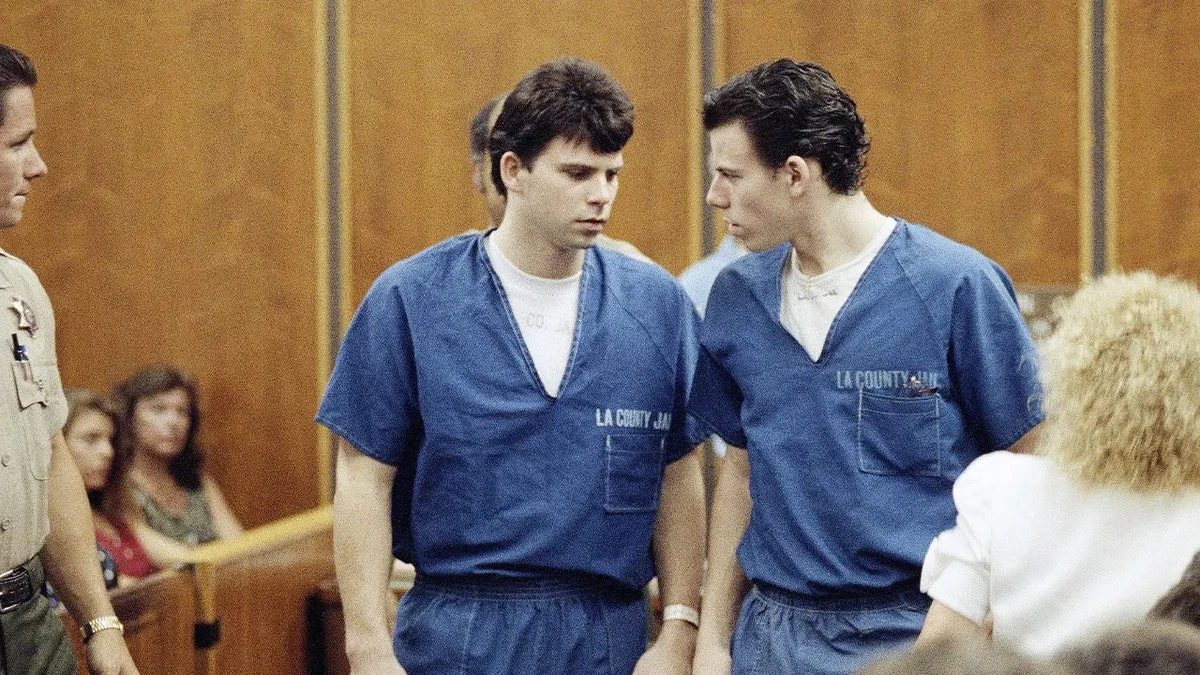
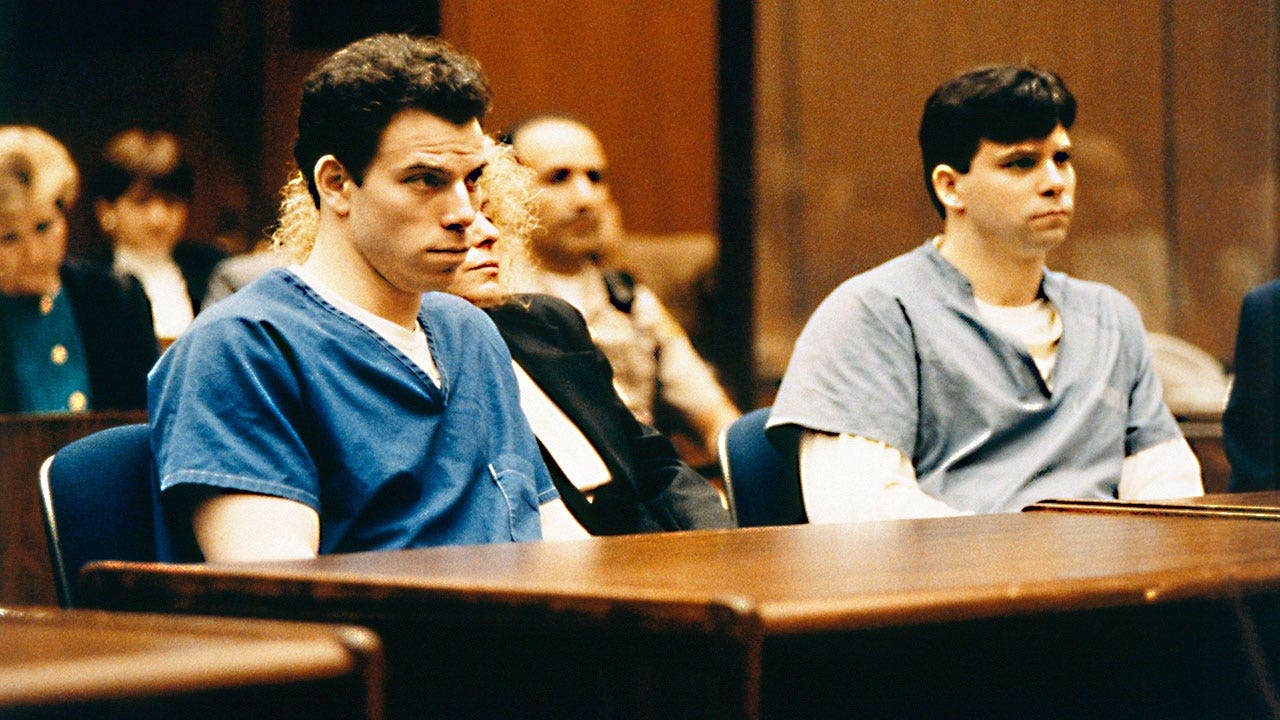
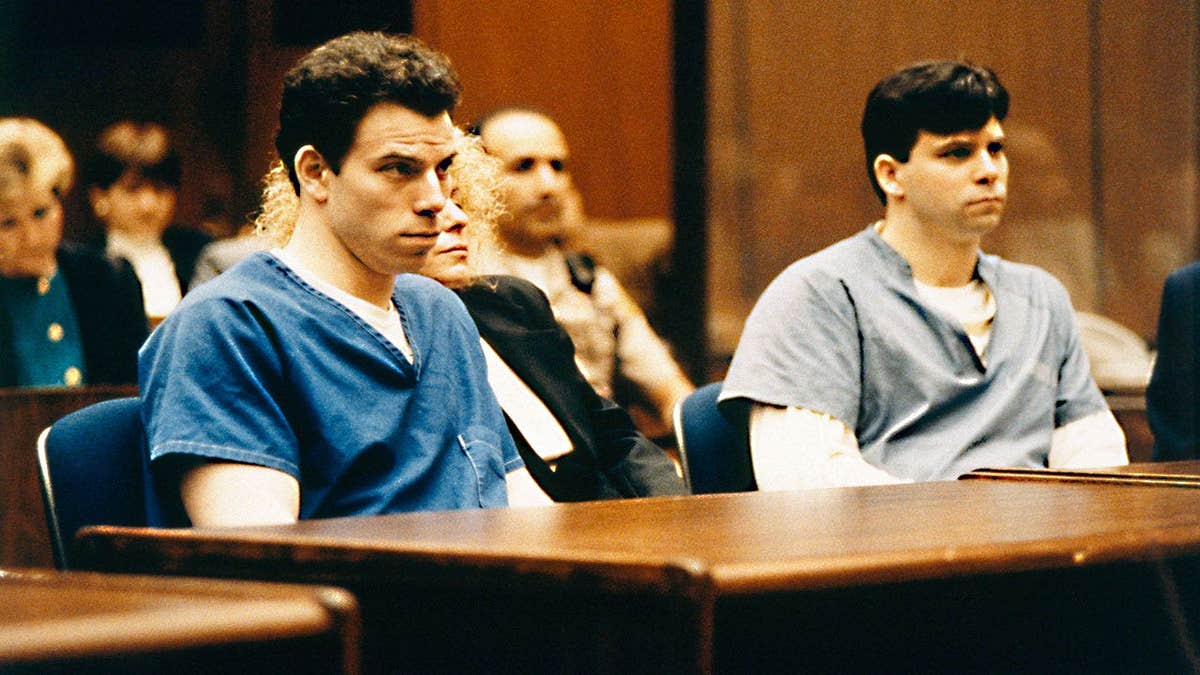
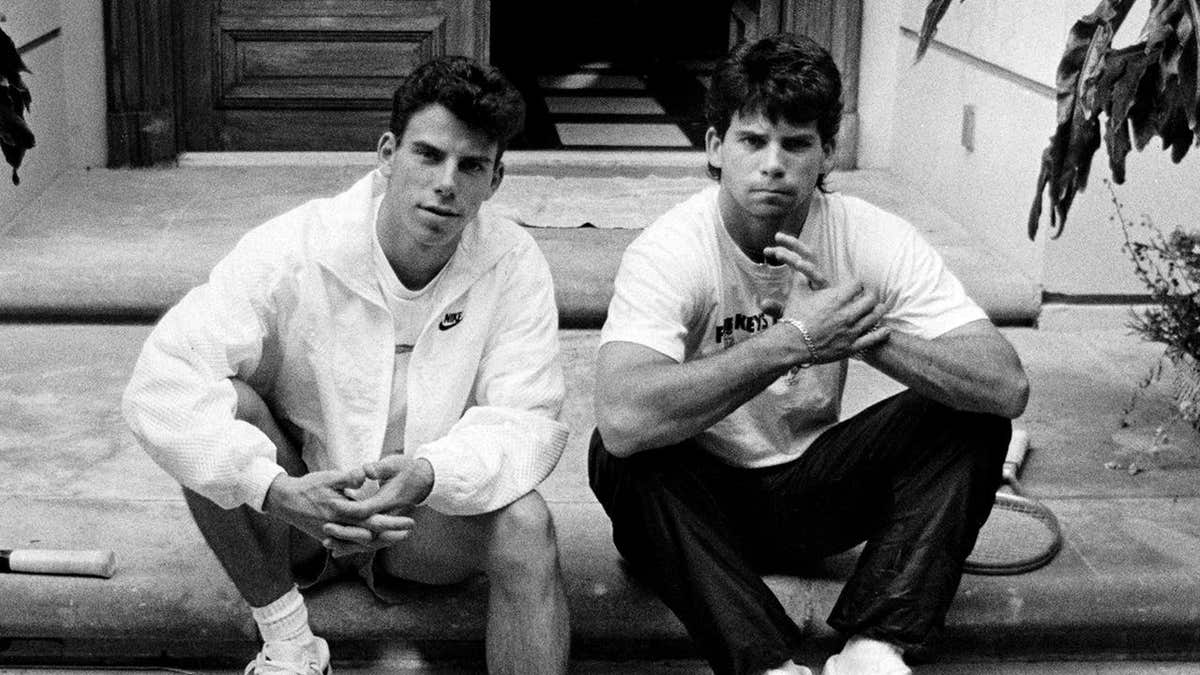
More than three decades after the shotgun murders of Jose and Kitty Menendez inside their Beverly Hills mansion, the debate surrounding the motivations of their sons, Lyle and Erik, remains as polarized as ever. While modern cultural adaptations and high-profile advocacy campaigns have reframed the brothers as victims of severe domestic abuse, a dissenting voice from Jose Menendez’s professional past offers a starkly different perspective.
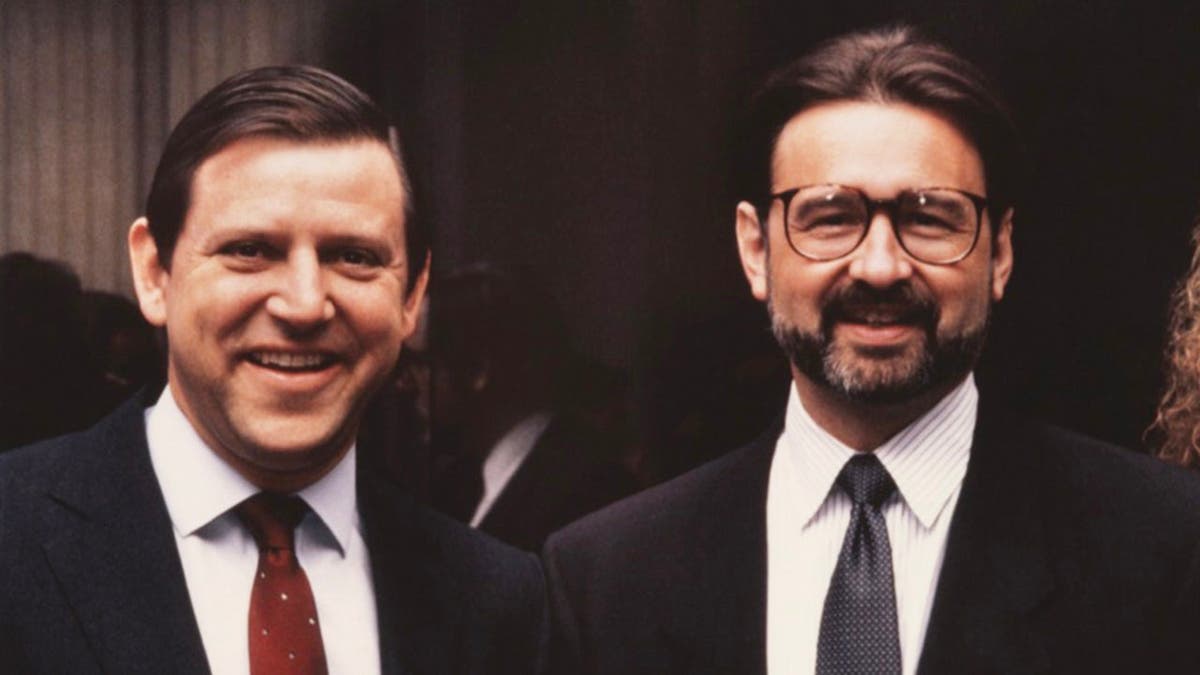
In his memoir, Karmic Winds: Reflections from the ‘Smartest Guy in Hollywood’, Peter M. Hoffman—former president and CEO of Carolco Pictures and Jose Menendez’s close business associate—recounts his years working alongside the patriarch. Hoffman’s account challenges the narrative of domestic terror presented by the defense, pointing instead to a pattern of youthful delinquency, corporate ambition, and financial opportunism.
Main Facts
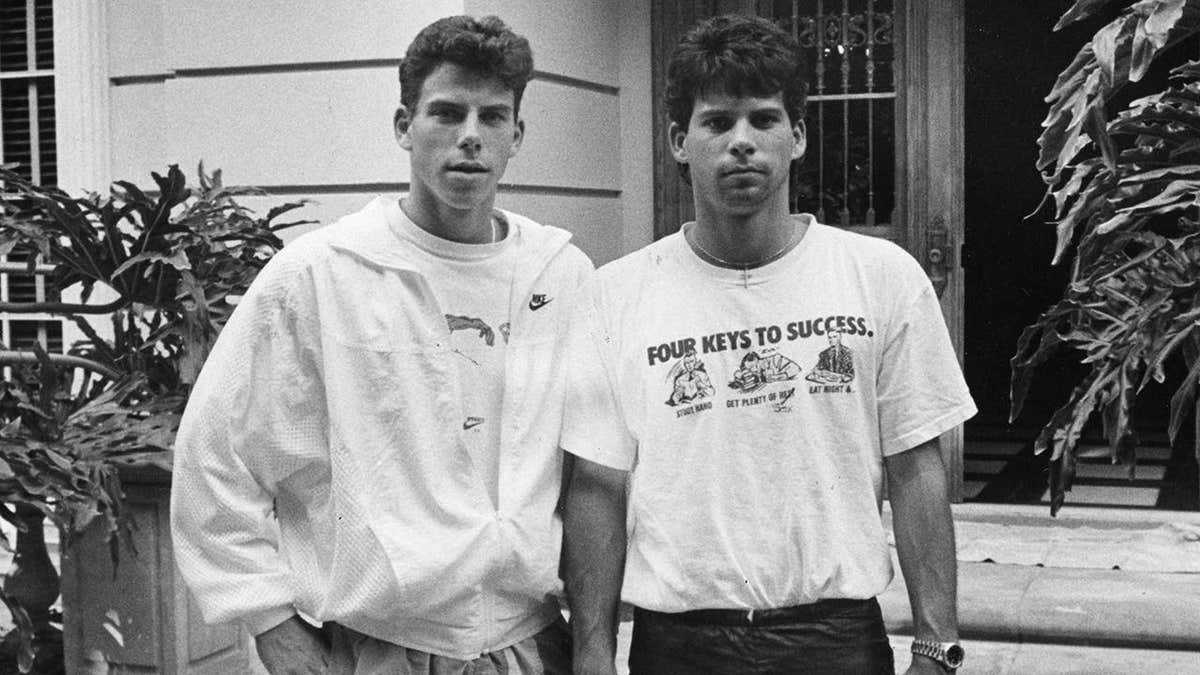
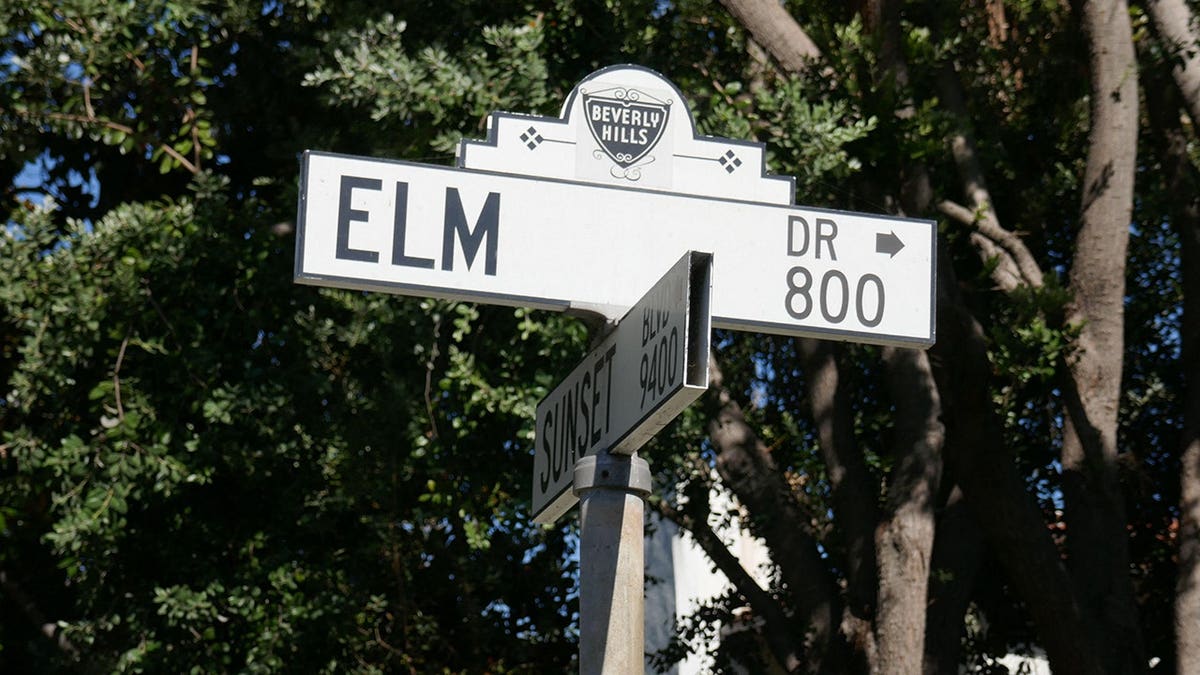
The Menendez case remains one of the most notorious double-homicides in American history. On August 20, 1989, Jose and Kitty Menendez were executed with shotguns in their home at 722 N. Elm Drive. Their sons, Lyle (then 22) and Erik (then 19), initially claimed the killings were the work of organized crime. Following a confession to their psychologist that was subsequently leaked, the brothers were arrested in 1990 and convicted of first-degree murder in 1996, resulting in sentences of life without the possibility of parole (LWOP).
The primary elements of the current discourse, enriched by Hoffman’s disclosures, center on the following key points:
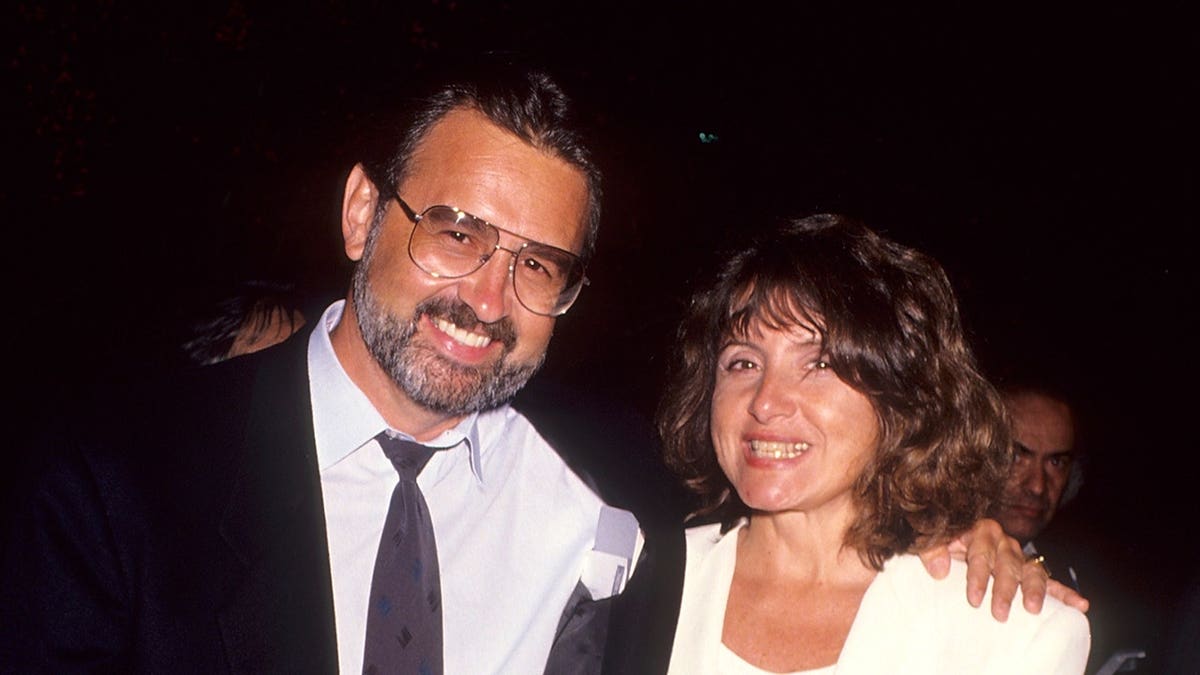
The Disputed Abuse Narrative: While Lyle and Erik Menendez have consistently maintained that they acted in self-defense after suffering years of physical, emotional, and sexual abuse, Hoffman rejects these claims. He characterizes Jose Menendez not as an abuser, but as a "tough Cuban disciplinarian" who applied the same rigorous standards to his family that he did to his high-powered corporate career.
The Calabasas Relocation Motive: Hoffman claims that Jose’s sudden decision to relocate the family from Calabasas to Beverly Hills in 1988 was not, as Jose claimed, to be closer to the office. Instead, Hoffman asserts it was an emergency move funded by Jose’s deferred compensation package to "get the hell out of dodge" after Lyle and Erik were caught by police burglarizing the homes of their affluent neighbors.
The $20 Million Life Insurance Policy: Hoffman reveals that mere days after the double homicide, Lyle Menendez contacted Carolco executives to inquire about a $20 million life insurance policy associated with Jose’s employment contract. Because Jose had failed to complete the required physical examination, the policy was void—a detail Hoffman believes drove the brothers’ actions, as investigators later found evidence that Lyle had accessed his father’s computer files containing the contract details prior to the killings.
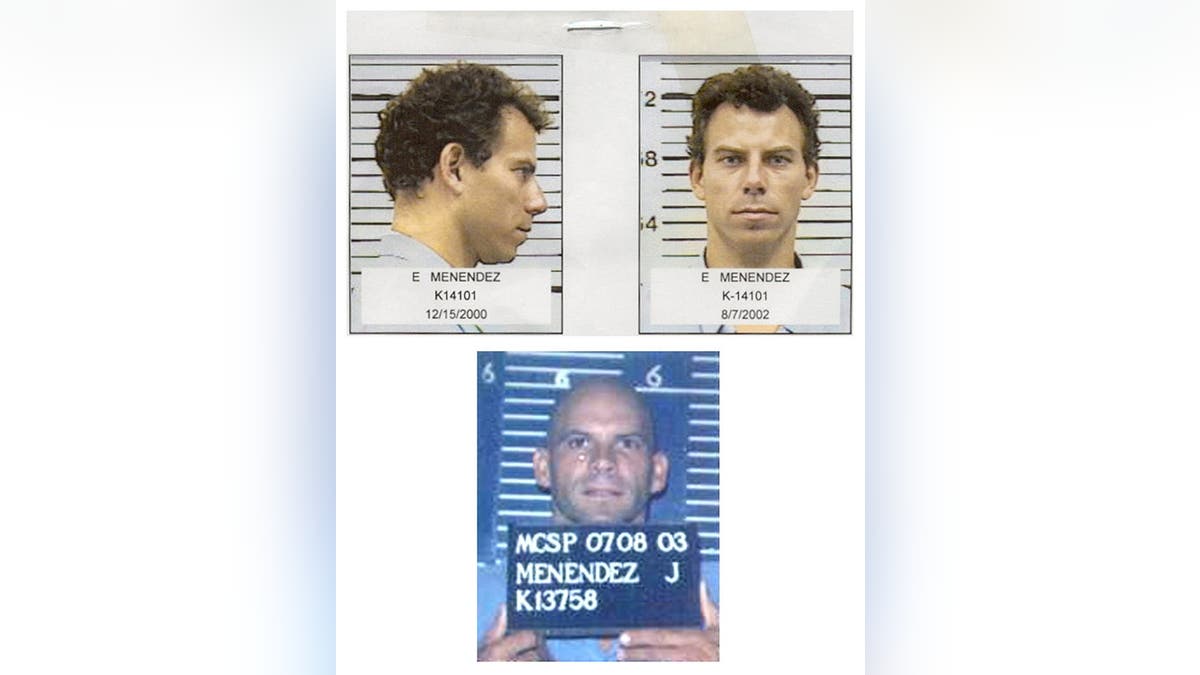
Recent Legal Status: Following a sentence reduction in May 2025 that adjusted their terms to 50 years to life, the brothers became eligible for parole. However, in August 2025, the California parole board denied their release, scheduling their next eligibility review in three years.
Chronology of Events (1986–2025)
The trajectory of the Menendez family, their business associations, and the subsequent legal battles span nearly forty years:
[1986] Peter Hoffman hires Jose Menendez at Carolco Pictures.
  │
[1988] Lyle and Erik commit Calabasas burglaries; family relocates to Elm Drive.
  │
[Aug 20, 1989] Jose and Kitty Menendez are murdered.
  │
[Late Aug 1989] Lyle Menendez inquires about the $20M insurance policy.
  │
[1990] Confessions leaked; Lyle and Erik are arrested.
  │
[1993–1994] First trial ends in deadlocked juries.
  │
[1995–1996] Retrial limits abuse evidence; brothers convicted and sentenced to LWOP.
  │
[May 2025] Los Angeles judge reduces sentences to 50 years to life.
  │
[Aug 21, 2025] Erik and Lyle Menendez are denied parole for a period of three years.
The Corporate Rise and Sudden Relocation (1986–1988)
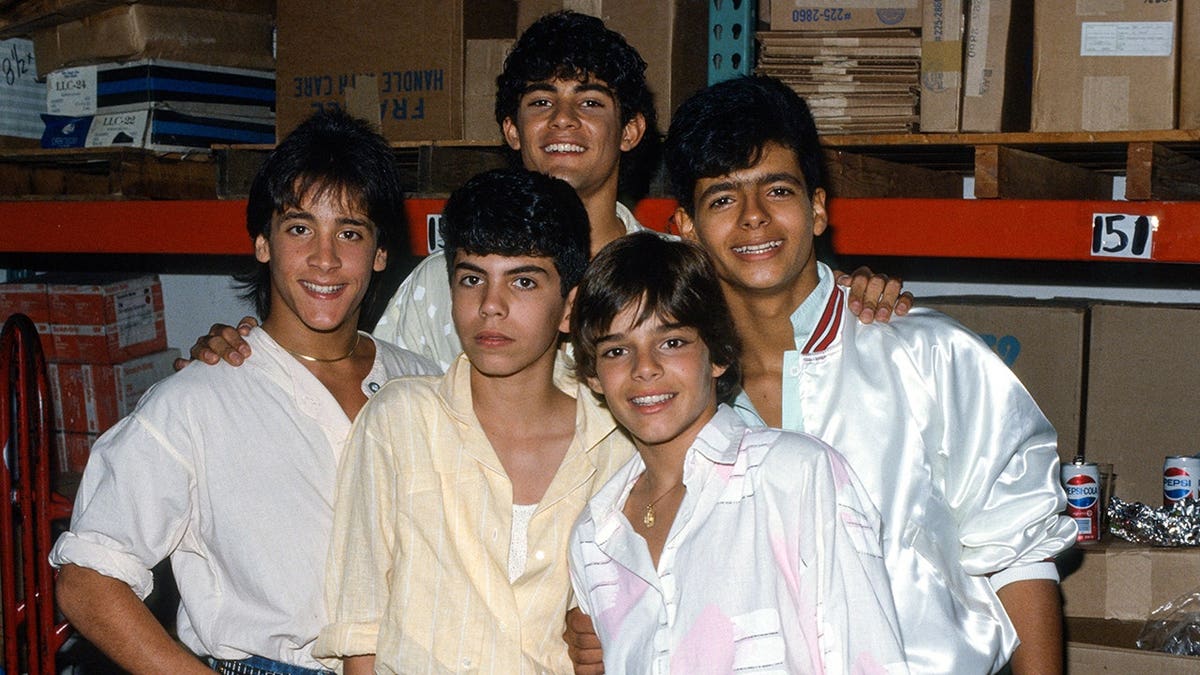
In 1986, Peter Hoffman, then directing the rapidly expanding independent studio Carolco Pictures, hired Jose Menendez to oversee the company’s home video division. Jose had previously established his reputation at RCA, where he successfully marketed the Puerto Rican boy band Menudo to English-speaking markets.
By 1988, Jose requested a sudden withdrawal of several million dollars from his deferred compensation plan to purchase the Elm Drive estate in Beverly Hills. While Jose told Hoffman the move was intended to reduce his daily commute, Hoffman later discovered the relocation was prompted by legal trouble: Lyle and Erik had been implicated in a series of residential burglaries in Calabasas, forcing Jose to financially settle with the victims to avoid formal prosecution.
The Murders and Initial Suspicion (1989–1990)
On the night of August 20, 1989, Jose and Kitty Menendez were shot multiple times at close range. Because of Jose’s prominent role in Hollywood and Carolco’s reputation for aggressive business dealings, initial police speculation focused on a mob-related execution or corporate retaliation. Hoffman recalls that he and Carolco Chairman Mario Kassar were briefly viewed with suspicion by the industry and investigators.
The investigation shifted focus in early 1990 after Judalon Smyth, the mistress of psychologist Dr. Jerome Oziel, informed police that the brothers had confessed to the killings during therapy sessions. The brothers were arrested in March 1990.
The Trials and Conviction (1993–1996)
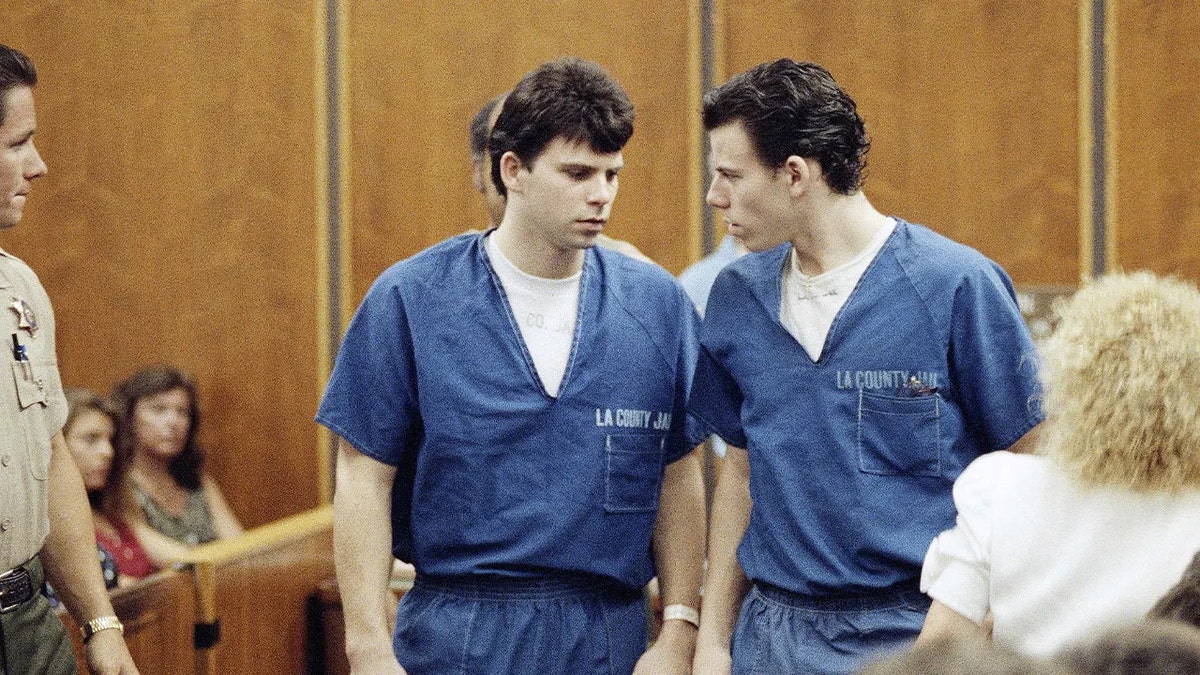
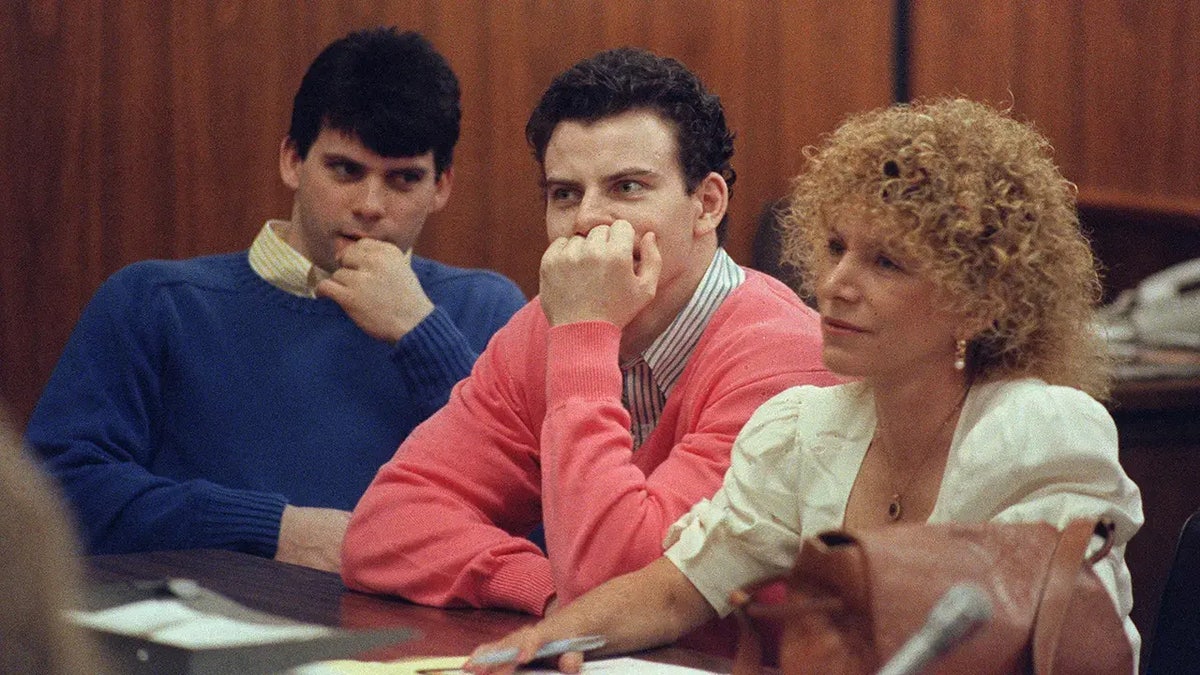
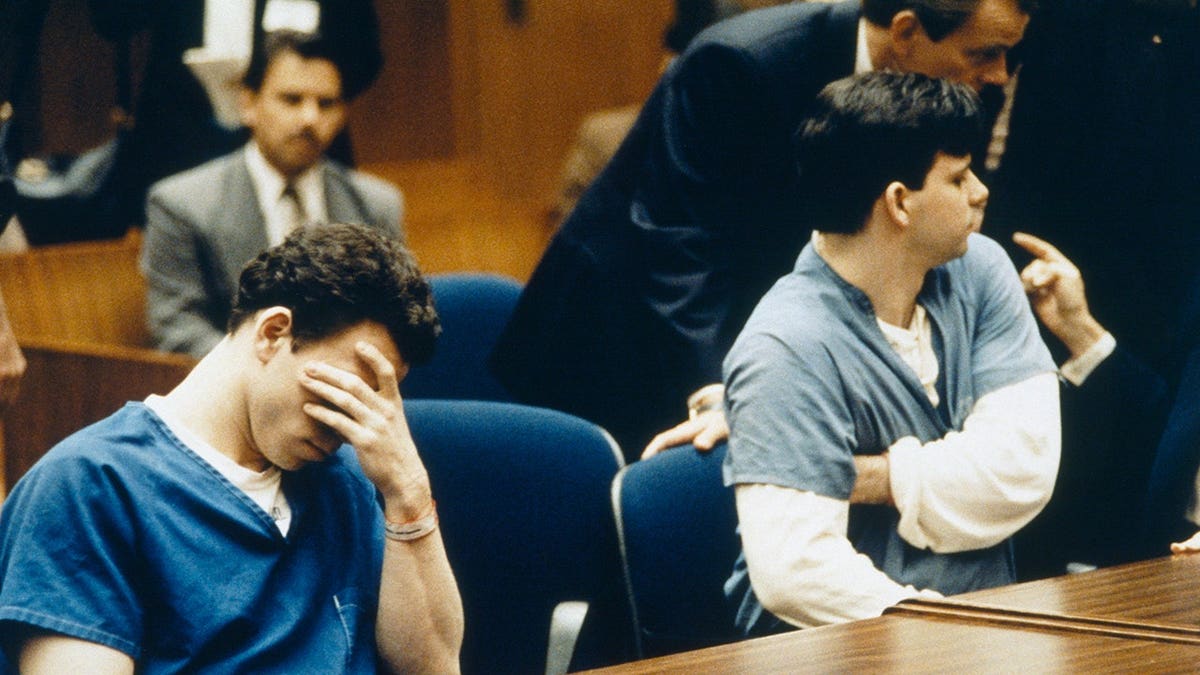
The first trial, which began in 1993, became a national media sensation. It featured separate juries for each brother and focused heavily on defense attorney Leslie Abramson’s arguments of imperfect self-defense stemming from severe childhood trauma. The proceedings ended in January 1994 with deadlocked juries.
In the 1995 retrial, presided over by Judge Stanley Weisberg, a single jury was seated, and much of the defense’s testimony regarding sexual abuse was ruled inadmissible. In March 1996, both brothers were convicted of first-degree murder and conspiracy to commit murder, receiving consecutive life sentences without parole.
Resentencing and Parole Decisions (2024–2025)
Following decades of unsuccessful appeals, the brothers’ legal team leveraged shifting public sentiments and new corroborating evidence to petition for resentencing. In late 2024, then-Los Angeles County District Attorney George Gascón recommended a review of their sentences.
In May 2025, a Los Angeles Superior Court judge formally vacated their life-without-parole sentences, resentencing them to 50 years to life. Because they were under the age of 26 at the time of the crimes, they became immediately eligible for youth offender parole hearings. On August 21, 2025, the California Board of Parole Hearings denied their release, ruling that they must remain incarcerated for at least three more years before receiving another review.
Supporting Data and Corporate Insights
Hoffman’s memoir provides specific details regarding the financial environment at Carolco Pictures and Jose Menendez’s compensation structure, which he argues are critical to understanding the motive behind the murders.
The Insurance Discrepancy
According to Hoffman, Jose Menendez’s employment contract with Carolco included a key-man life insurance provision valued at $20 million, intended to protect both the company and his designated beneficiaries. However, the disbursement of the death benefit was contingent upon the executive passing a standard physical examination. Because of his busy travel schedule and sudden death, Jose never completed the medical evaluation.
Policy Detail
Contractual Provision
Actual Status
Value
$20,000,000
Void / Non-disbursable
Condition
Completed Physical Exam
Never Administered
Beneficiary
Menendez Family Trust / Carolco
Claims Denied
Hoffman notes that Lyle’s immediate focus on this specific policy in the days following his parents’ deaths suggests a premeditated financial motive. Investigators later verified that Lyle had searched his father’s home computer and reviewed digital copies of the Carolco employment contract prior to August 20, 1989.
The Calabasas Legal Settlement
Hoffman’s assertion that the family’s move to Beverly Hills was an escape from legal jeopardy is supported by local police records from the late 1980s. Erik and Lyle Menendez had indeed been implicated in several grand theft incidents involving the homes of high school acquaintances.
According to Hoffman, the financial cost of compensating the victims and securing legal counsel to prevent formal charges depleted a significant portion of Jose’s liquid assets, necessitating the millions withdrawn from his Carolco deferred compensation plan.
Official Responses and Legal Perspectives
The ongoing legal battles surrounding the Menendez brothers have drawn public comments from prosecutors, defense attorneys, and public officials.
The District Attorney’s Position
The transition of leadership in the Los Angeles County District Attorney’s office has directly influenced the state’s approach to the case. Following the election of Nathan J. Hochman, the office adopted a more cautious stance regarding the brothers’ release.
Speaking after a September 16, 2025, judicial ruling that denied the brothers a completely new trial, DA Hochman emphasized that any future path to parole must involve full accountability:
"The parole board’s decision reflects the gravity of the offenses committed in 1989. While we acknowledge the rehabilitation efforts undertaken by both individuals during their decades in state prison, the state’s primary concern remains public safety and a thorough assessment of whether the applicants have demonstrated genuine insight into the nature of their crimes."
The Parole Board’s Rationale
During the August 2025 hearings at the Richard J. Donovan Correctional Facility in San Diego, the parole board acknowledged the brothers’ clean disciplinary records and their participation in educational and therapeutic programs.
However, commissioners ultimately determined that the brothers had not fully reconciled their current narratives with the evidence of premeditation, particularly regarding the purchase of the shotguns and the financial inquiries made immediately after the murders.
The Defense and Family Response
Mark Geragos, lead attorney for the Menendez brothers, criticized the parole denial, arguing that it ignored decades of positive behavioral history and the psychological realities of trauma.
Extended family members, including Kitty Menendez’s sister, Joan VanderMolen, continue to advocate for their release, asserting that the brothers have served sufficient time for crimes committed under extreme duress.
Implications and Cultural Legacy
The enduring public interest in the Menendez case highlights a broader cultural division regarding criminal justice, rehabilitation, and the societal understanding of domestic abuse.
                  ┌──────────────────────────────┐
                  │      THE MENENDEZ DEBATE     │
                  └──────────────┬───────────────┘
                                 │
         ┌───────────────────────┴───────────────────────┐
         ▼                                               ▼
┌─────────────────────────────────┐             ┌─────────────────────────────────┐
│     THE DEFENSE NARRATIVE       │             │     THE PROSECUTION NARRATIVE   │
│ • Severe history of abuse       │             │ • Motivated by $20M fortune     │
│ • Imperfect self-defense        │             │ • Premeditated shotgun executions│
│ • Supported by family & media   │             │ • Supported by business partners│
└─────────────────────────────────┘             └─────────────────────────────────┘
The Media and the Public Verdict
The evolution of the Menendez case reflects a significant shift in media consumption and public perception. In 1993, the trial was broadcast on Court TV, introducing millions of viewers to the details of the family’s private life.
By 2024, the release of the Netflix dramatization Monsters: The Lyle and Erik Menendez Story sparked a resurgence of interest among younger demographics on social media platforms like TikTok, where users actively lobbied for their release.
This digital advocacy stands in sharp contrast to the recollections of corporate insiders like Hoffman, who view the modern reframing of the case as an oversimplification of a brutal double homicide.
The Precedent of Youth Offender Laws
The legal mechanism that allowed the Menendez brothers to seek parole in 2025 is rooted in California’s evolving youth offender laws, which recognize that the brains of young adults are not fully developed until their mid-twenties.
The outcome of their upcoming 2028 parole review will likely serve as a benchmark for how state boards evaluate high-profile, historically significant cases involving individuals sentenced to life terms as young adults.
Ultimately, the accounts provided by associates like Peter Hoffman serve as a reminder that behind the televised trials and streaming dramatizations lies a complex web of corporate finance, family dynamics, and unresolved legal questions. Whether Lyle and Erik Menendez are viewed as rehabilitated victims of severe abuse or as calculated perpetrators of a financially motivated crime, their case remains a defining chapter in the history of American jurisprudence.