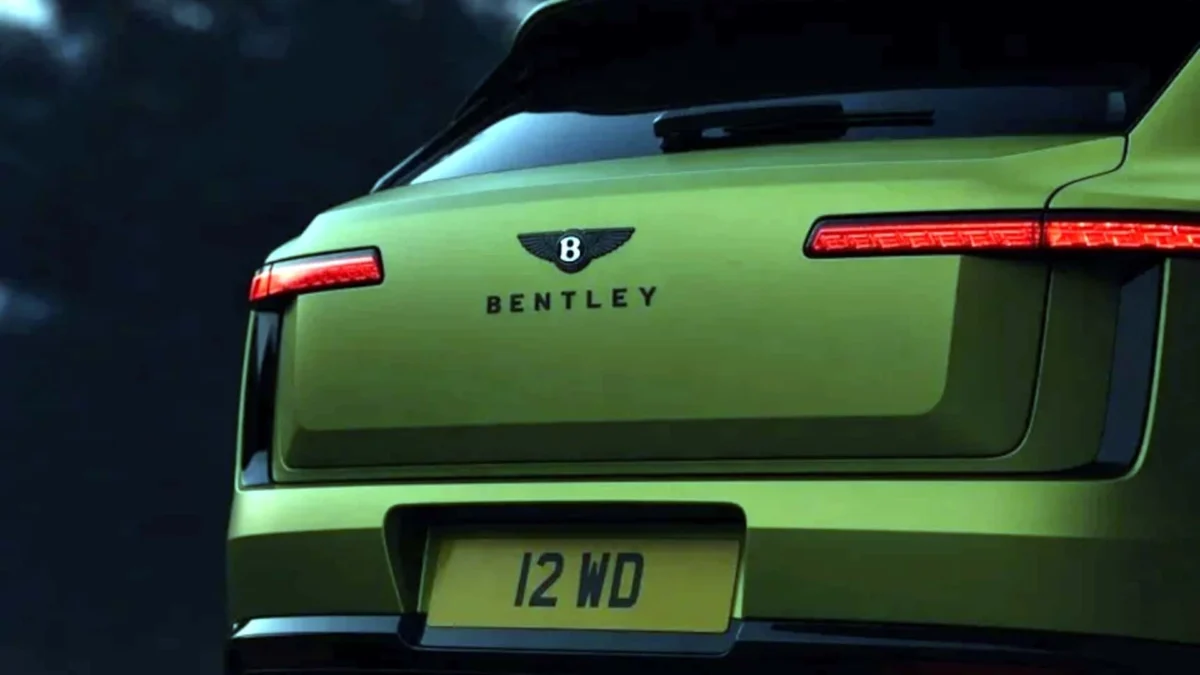
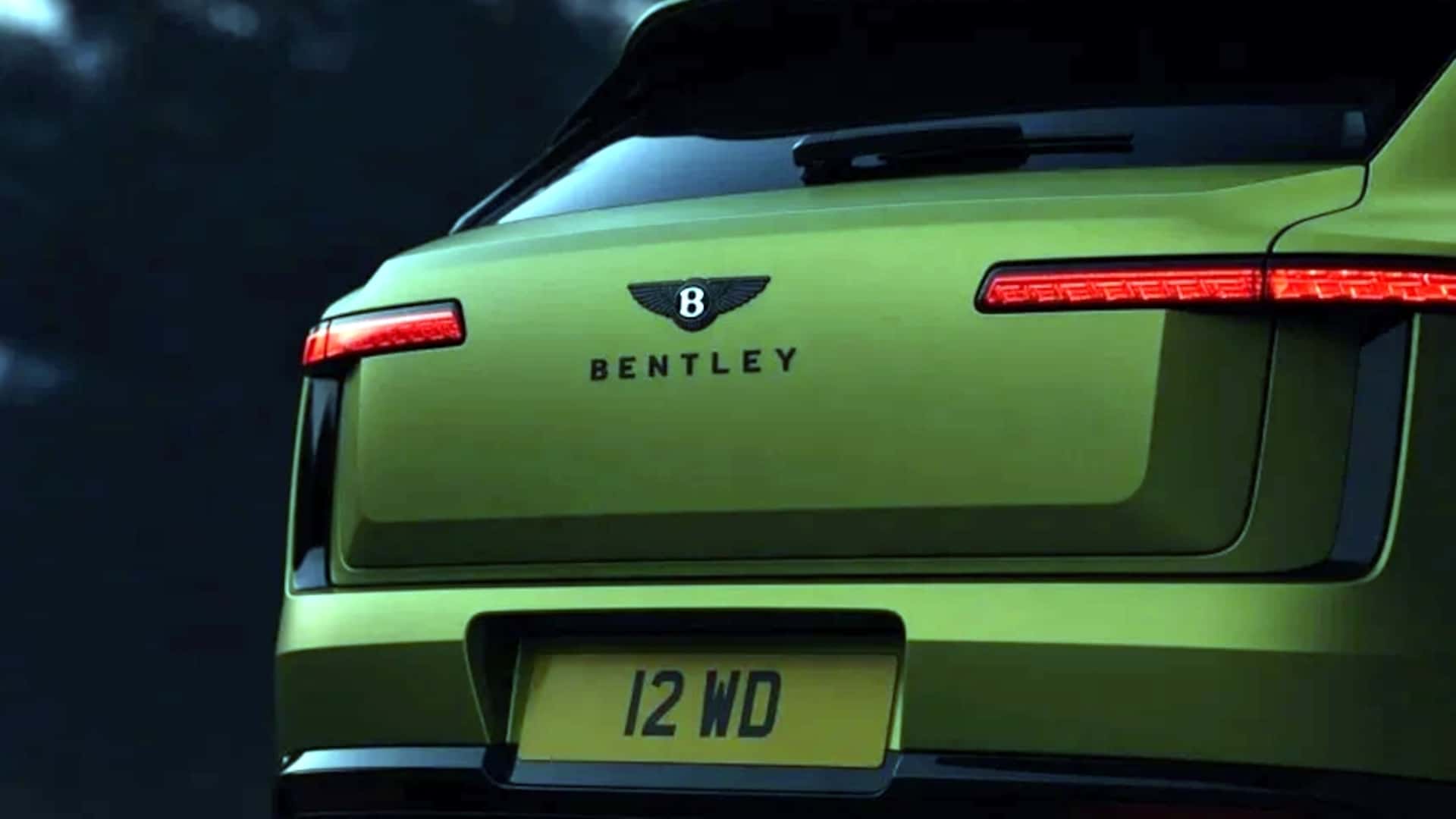
In the quiet, historic halls of Crewe, England, where the rhythmic hum of internal combustion has defined the Bentley brand for over a century, a seismic shift is underway. Bentley has officially pulled back the curtain on its future: the Torcal. Positioned as the brand’s first fully electric SUV, the Torcal is not merely a new model; it is a declaration of intent. With bold promises of being the most powerful and fastest-accelerating production vehicle ever to emerge from the Crewe factory, the Torcal seeks to prove that the electrification of ultra-luxury is not just a regulatory necessity, but an opportunity to elevate the driving experience to unprecedented heights.
The Benchmark of Power: Chasing the Continental GT
To understand the significance of the Torcal, one must look at the current zenith of Bentley performance: the Continental GT Speed. With 771 horsepower and a 0-60 mph sprint of just 3.1 seconds, the Continental GT Speed is a masterclass in grand touring. Yet, Bentley’s engineers have set their sights on surpassing these figures.
According to initial reports and data provided by the manufacturer, the Torcal will leverage a sophisticated dual-motor electric drivetrain capable of delivering upwards of 838 horsepower and a staggering 738 lb-ft of torque. This torque-rich output is intended to provide the "effortless progression" that is the hallmark of the Bentley experience. In the world of EVs, where acceleration can often feel violent or disjointed, Bentley is aiming for a sensation of smooth, relentless surge—a digital iteration of the brand’s legendary 6.75-liter V8, but with the instantaneous responsiveness of high-voltage batteries.
A Chronology of the Electric Transition
The journey to the Torcal has been a multi-year, meticulously planned evolution for the British luxury marque.
- The Conceptual Foundation: Following the global industry trend, Bentley announced its intention to transition to a fully electric portfolio, moving away from its traditional combustion engines to secure its place in a decarbonized future.
- Prototype Development: Throughout 2024 and 2025, Bentley engineers have been refining the Torcal’s chassis dynamics and battery management systems. These prototype testing phases have focused on maintaining the "Bentley feel"—a delicate balance of isolation and engagement.
- The Reveal Schedule: While the public has been treated to various teasers and performance metrics, the full, unmasked debut is officially slated for September 23, 2026, in London.
- The Market Entry: Following the late 2026 reveal, the vehicle is expected to arrive in the United States as a 2028 model year, with deliveries commencing in 2027. This timeline allows Bentley to refine its supply chain and charging infrastructure support before the first customers take delivery.
Supporting Data: Efficiency Meets Velocity
While power is the headline, the practical application of the Torcal’s electric architecture is equally impressive. The vehicle is designed to alleviate "range anxiety," targeting a WLTP-cycle range of approximately 373 miles.
Perhaps more vital for the luxury buyer is the charging speed. The Torcal is set to support 400-kilowatt DC fast-charging. Bentley claims that under optimal conditions, owners will be able to regain roughly 100 miles of range in just seven minutes. Furthermore, a 10-to-80 percent state-of-charge is projected to take under 20 minutes, effectively rendering long-distance travel as seamless as it was in the days of high-capacity fuel tanks.
Beyond the Drivetrain: The Sensory Experience
Bentley understands that a luxury vehicle is defined by more than just raw acceleration; it is defined by the cabin atmosphere. The Torcal introduces several key technological advancements designed to enhance the passenger experience:
The Curved-Screen Interior
The interior of the Torcal moves toward a more minimalist, high-tech aesthetic, anchored by a prominent curved-screen display. This interface will house the "Curation Engine," a sophisticated software suite that allows the driver to adjust the cabin’s environment—lighting, climate, and audio—based on specific modes. Whether in "Bentley Mode," "Comfort Mode," or "Sport Mode," the car aims to curate the mood of the cabin to match the driving intent.
The Bentley Dynamic Symphony
One of the primary challenges for luxury EV manufacturers is the loss of the acoustic signature provided by a V8 or W12 engine. Rather than leaving the cabin in an eerie silence, Bentley has collaborated with professional musicians to create the "Bentley Dynamic Symphony." This synthesized sound layer provides a sonic response to driver input, offering a refined, melodic accompaniment that bridges the gap between the mechanical past and the electric future.
Official Responses and Strategic Positioning
Bentley’s leadership has been vocal about the importance of the Torcal as the "opening act" of its new era. The company acknowledges that there is a degree of skepticism among its most loyal, traditionalist customers. To mitigate this, Bentley’s communications have consistently tied the Torcal back to the heritage of the Speed Six and the classic V8. By framing the electric powertrain as the ultimate expression of the "torque-first" philosophy that has defined Bentley for a century, the brand is attempting to reassure its base that the soul of the car remains intact, even if the heart of the car has changed.
The shift is not being framed as a sacrifice, but as a technological leap. Bentley’s internal messaging emphasizes that the Torcal is built in Crewe—a point of pride that ensures the vehicle maintains the brand’s high standards of hand-crafted excellence and British engineering pedigree.
Implications for the Ultra-Luxury Segment
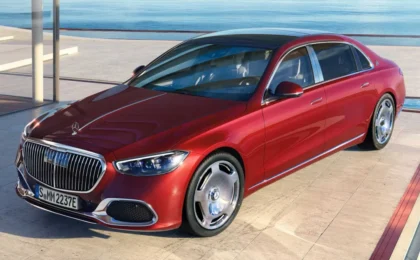
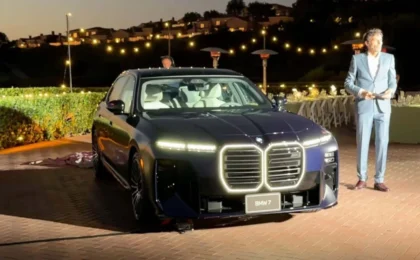
The introduction of the Torcal has profound implications for the ultra-luxury SUV market. As competitors like Rolls-Royce and Mercedes-Maybach pivot toward electrification, Bentley is attempting to set the bar for "performance luxury."
The "Flagship" Question
The primary question facing the Torcal is whether it can truly become a flagship. Historically, Bentley’s flagships were defined by the opulence of their W12 engines. The Torcal must prove that it can offer the same level of prestige and exclusivity without the mechanical complexity of its predecessors. If the driving dynamics and cabin refinement meet the expectations of the Bentley demographic, the Torcal could serve as the template for a new generation of high-performance EVs.
Market Adoption
The luxury sector is historically slow to adopt new propulsion technologies, yet the Torcal’s performance specifications are designed to be impossible to ignore. By offering an SUV that is faster off the line than anything the brand has produced, Bentley is betting that its customers will prioritize performance and modern innovation over the nostalgic attachment to combustion.
Conclusion: A New Horizon for Crewe
As we approach the September 2026 reveal, the anticipation surrounding the Torcal continues to build. It represents a pivot point in automotive history—a moment where a brand defined by a century of engine mastery decides that its future lies in the silent, immense power of electricity.
For the traditionalist, the Torcal represents a daring departure. For the innovator, it represents the next logical step in the evolution of the Grand Tourer. Bentley’s goal is not merely to build an electric SUV, but to build an electric Bentley—a car that, regardless of its power source, feels unmistakably, fundamentally like a product of Crewe. Whether the Torcal succeeds in capturing the hearts of the world’s most discerning drivers will depend on the final execution, but one thing is certain: the era of the electric Bentley has arrived, and it is moving faster than ever before.