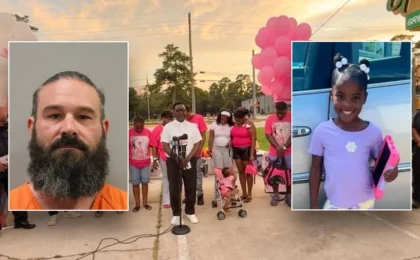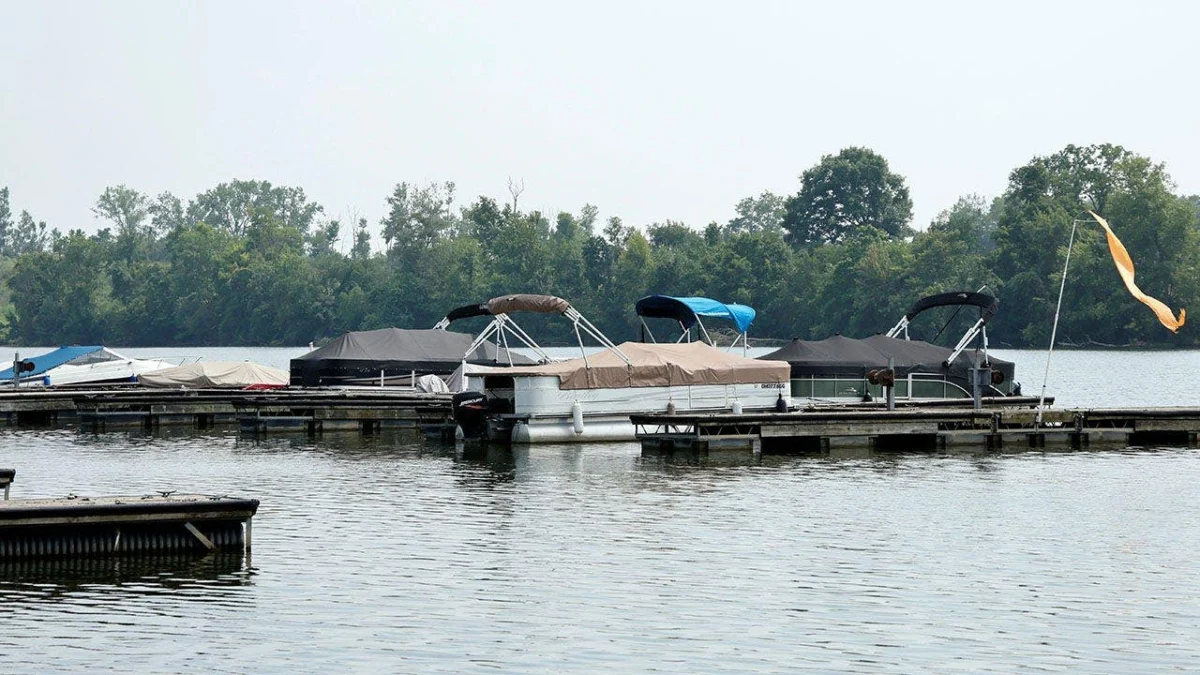
POWELL, Ohio — A devastating weekend gathering along the banks of the Scioto River in Powell, a suburban community north of Columbus, culminated in an unimaginable tragedy when five individuals lost their lives. What began as a peaceful Sunday evening outdoors quickly devolved into a fatal chain-reaction drowning incident after a swimmer began to struggle in the water, prompting four others to dive in after them in a desperate, ultimately catastrophic attempt to save them.
The Delaware County Sheriff’s Office confirmed the details of the incident on Monday, highlighting the immense peril of recreational river swimming without safety equipment and the compounding danger of bystander rescue attempts.
Main Facts of the Scioto River Incident
The incident occurred on the evening of Sunday, July 19, 2026, along a stretch of the Scioto River in Powell, Ohio. A group of individuals, which included several adults and at least two young children, had gathered near the riverbank. The peaceful gathering took a disastrous turn when one member of the group entered the river to swim and immediately began to experience distress.
In the frantic moments that followed, a rapid succession of rescue attempts was launched by other members of the party. Four individuals, driven by the instinct to save their struggling companion, entered the water one after another. None of them survived.
Key Details of the Tragedy:
- Casualties: Five individuals died. Among the deceased were two women, who were pulled from the water Sunday night and later pronounced dead at a local hospital, and three men, whose bodies were recovered by search teams on Monday.
- Survivors: Two children, both under the age of 10, survived the incident. One of the children played a critical role in alerting authorities to the disaster.
- Location: The Scioto River near Powell, Ohio, a residential suburb located in Delaware County, just northwest of Columbus.
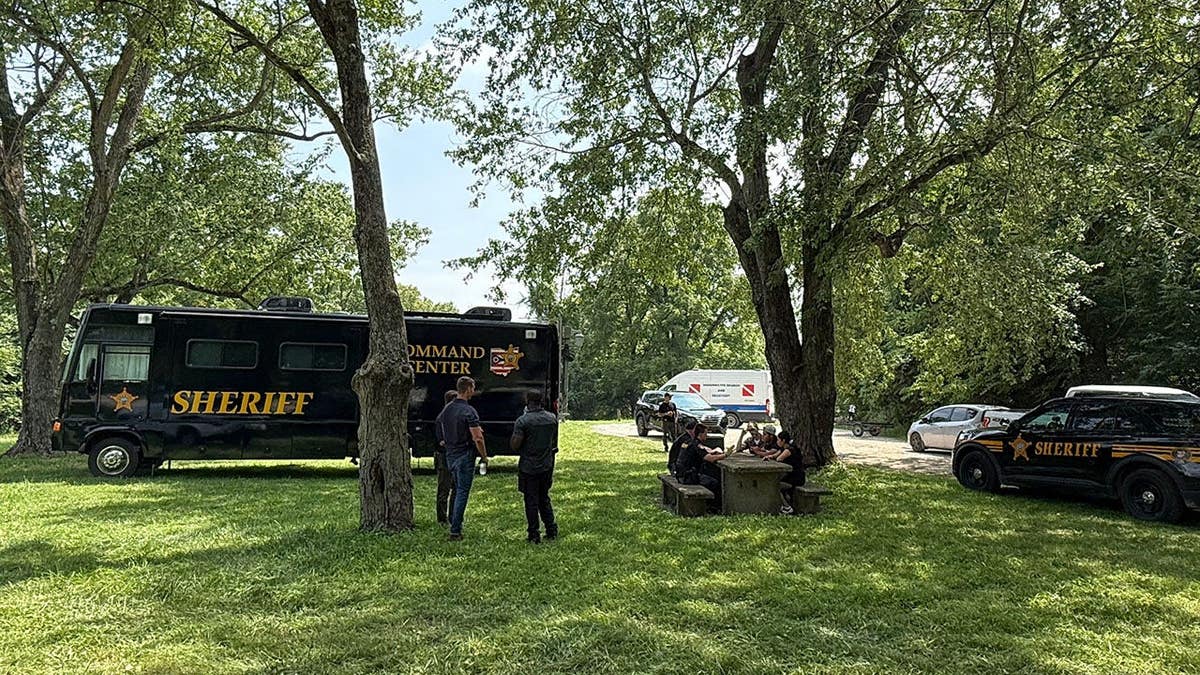
- Emergency Response: The rescue and subsequent recovery operation involved the Delaware County Sheriff’s Office, local dive teams, and emergency medical personnel.
- Investigative Status: Authorities have confirmed that no boat was present at the scene. The role of environmental factors, undercurrents, and potential chemical impairment remains under investigation.
Chronology of a Chain-Reaction Disaster
The timeline of the tragedy reveals how quickly a recreational outing can transform into a multi-fatality emergency.
Sunday Evening: The Outing and the Initial Distress
During the late afternoon and early evening of Sunday, a group of family members and friends gathered near the shore of the Scioto River. At some point before dusk, one individual decided to enter the river to swim. The water conditions, currents, or physical exhaustion quickly overwhelmed the swimmer, who began struggling to stay afloat.
The Cascading Rescue Attempts
Seeing their companion in imminent danger, two members of the group immediately jumped into the river to assist. However, instead of securing the swimmer, the rescuers were quickly compromised by the same hazardous conditions.
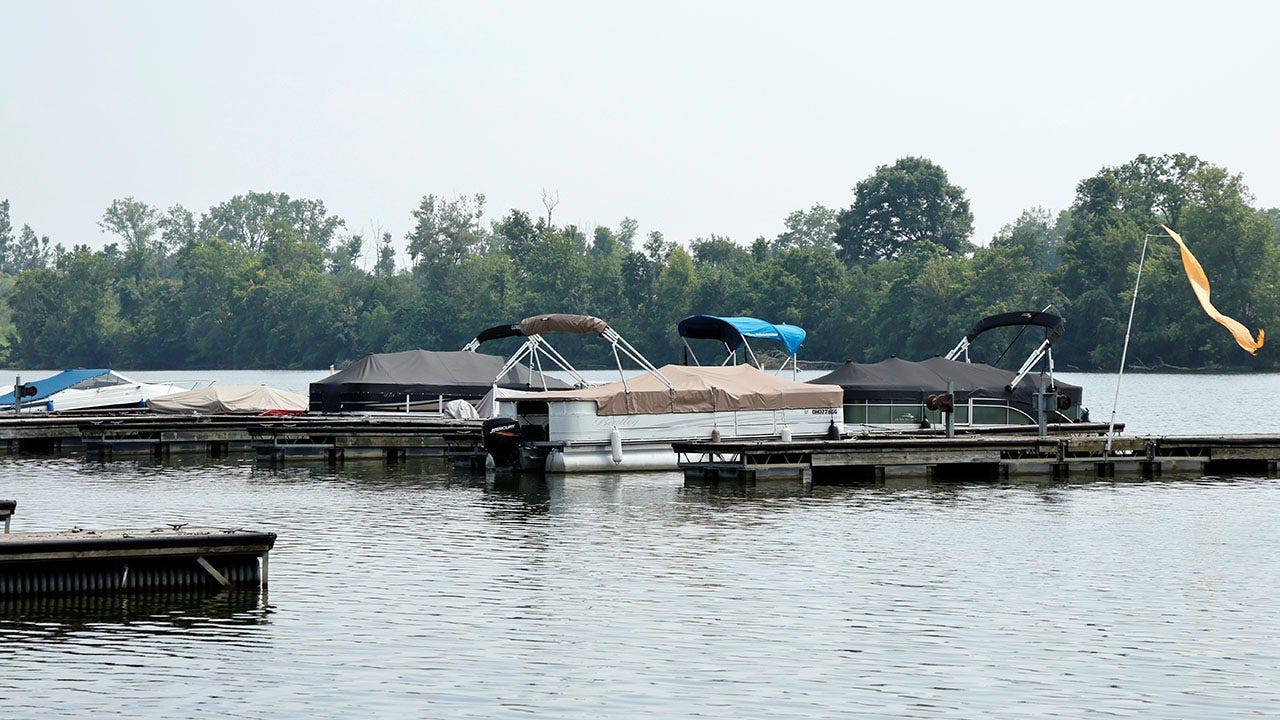
As Delaware County Sheriff Jeffrey Balzer explained during a Monday news conference:
"I understand that one person got in the river, was struggling in the water. Two people went in to try to save them. Those people started struggling in the river. Now we have two additional people go in the water."
This second wave of rescuers—two more adults from the group—dived into the river. Within minutes, all five individuals were submerged and fighting for their lives in the current, leaving only two young children on the shore.
[Initial Swimmer Struggles]
       │
       ▼
[2 Rescuers Enter] ──► [Also Struggle]
       │
       ▼
[2 More Rescuers Enter] ──► [All 5 Submerged]
9:00 PM: The Alert and Initial Emergency Response
At approximately 9:00 p.m., one of the children left on the bank, described by authorities as highly distraught, ran from the riverbank toward a nearby roadway. A passing motorist spotted the child wandering near the road and pulled over. After speaking with the child, who frantically explained that their family was in the river, the motorist immediately dialed 911.
First responders arrived on the scene shortly after the call. Emergency personnel managed to pull two women from the water. Both were rushed to a nearby hospital in critical condition, but despite life-saving efforts, both were pronounced dead.
Monday: The Recovery Operation
The search for the remaining three missing individuals continued into the night and resumed with full force on Monday morning. Dive teams and water rescue units combed the stretch of the Scioto River near the initial site.
On Monday afternoon, Tracy Whited, a spokesperson for the Delaware County Sheriff’s Department, confirmed to the media that the bodies of the three missing men had been successfully located and recovered from the river. The names and ages of the five victims have been withheld pending formal identification and notification of extended family members.
Supporting Data and Environmental Context
The Scioto River is a major waterway in Ohio, stretching approximately 230 miles from its source in Auglaize County down to the Ohio River at Portsmouth. The river is a highly popular destination for local outdoor enthusiasts, offering extensive opportunities for boating, canoeing, and fishing. According to conservation and recreational resources, the river is home to robust populations of sport fish, including smallmouth and largemouth bass, saugeye, channel catfish, and carp.
| Scioto River Quick Facts | Details |
|---|---|
| Total Length | 230 miles |
| Popular Activities | Fishing, boating, kayaking, canoeing |
| Common Fish Species | Bass, saugeye, catfish, carp |
| Primary Dangers | Undercurrents, low-head dams, variable depths, debris |
Despite its popularity, natural river systems like the Scioto present hidden hazards that can easily deceive swimmers. Unlike pools, rivers feature unpredictable undercurrents, uneven bottoms, sudden drop-offs, and submerged debris such as logs and branches that can trap swimmers. Powell-area stretches of the river can vary significantly in depth and flow rate depending on recent rainfall and local geographic features.
The Phenomenon of "Victim-Instead-of-Rescuer" Syndrome
The tragedy in Powell illustrates a well-documented phenomenon in water safety known as "aquatic victim-instead-of-rescuer" (AVIR) syndrome. According to water safety experts, a high percentage of drowning deaths involve bystanders who enter the water to save someone else.
In many cases, the rescuer does not possess professional water-rescue training or flotation equipment. When they reach the drowning victim, the victim’s panic can cause them to climb on top of the rescuer, dragging both individuals underwater. Without a flotation device, even strong swimmers can quickly become exhausted and drown alongside the person they attempted to save.
Official Responses and Law Enforcement Statements
During a press conference on Monday, Delaware County Sheriff Jeffrey Balzer expressed profound sorrow over the incident, calling it an absolute tragedy for the community.
"And that’s when the tragedy started to occur," Sheriff Balzer remarked, describing the moment the rescue attempts began. He emphasized the sheer speed with which a water emergency can multiply when untrained individuals enter the water without safety gear.
Focus on Water Safety and Prevention
Sheriff Balzer used the opportunity to plead with the public to exercise extreme caution when spending time near bodies of water. He strongly urged the use of personal flotation devices (PFDs), even for individuals who do not plan on entering deep water.
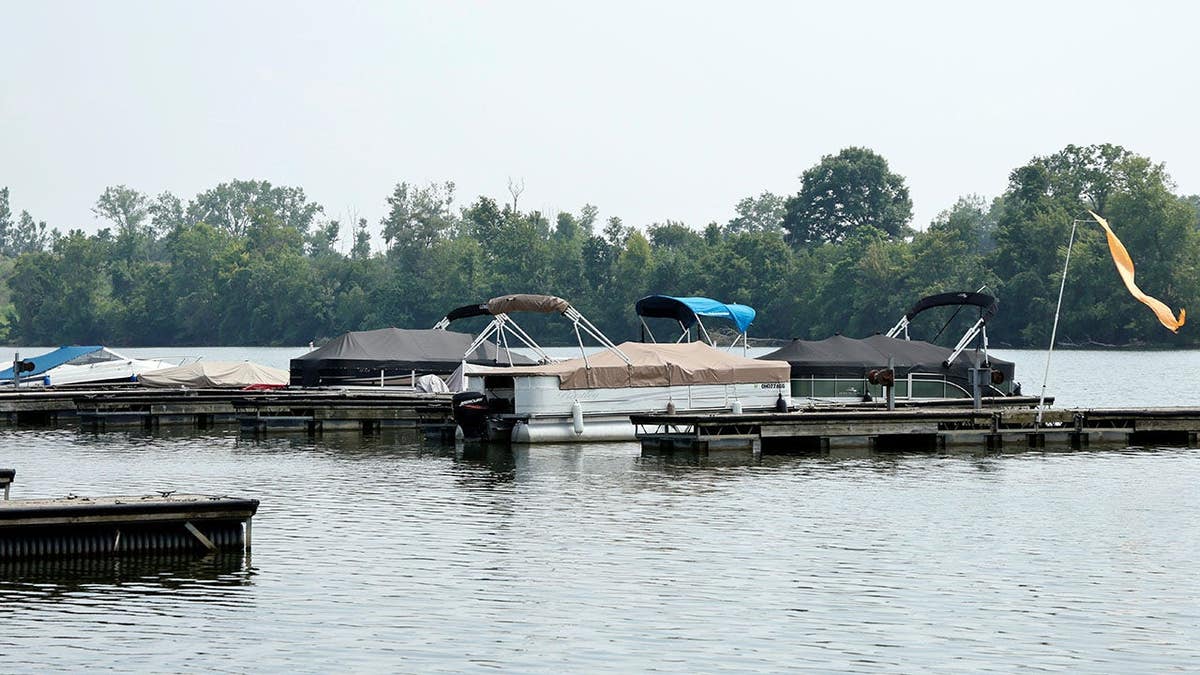
"If you are going to be near the water, please have safety devices like life vests on hand," Balzer urged. "They can make the difference between life and death in a matter of seconds."
Welfare of the Surviving Children
The sheriff also addressed the status of the two surviving children, both of whom are under the age of 10. Having witnessed the loss of their family members, the children are receiving specialized trauma support. Sheriff Balzer confirmed that they have been placed in the temporary care of family services while authorities work to locate and coordinate with extended family.
Ongoing Investigation
The Delaware County Sheriff’s Department is continuing its investigation into the circumstances surrounding the drowning. Authorities confirmed that no watercraft was involved in the incident. Investigators are currently working to determine if alcohol or other impairing substances played a role in the initial decision to swim or the subsequent rescue attempts, though no official determinations have been made.
Implications: The Urgent Need for Water Safety Awareness
This tragedy adds to a painful summer of water-related fatalities across the United States. Just days prior to the Scioto River incident, a similar multi-victim tragedy occurred in Utah, where five family members lost their lives after a sudden flash flood swept through a canyon, highlighting the volatile nature of outdoor water hazards.
The "Reach, Throw, Row, Don’t Go" Rule
In the wake of the Powell drownings, regional safety advocates are reiterating the fundamental rules of water rescue, designed specifically to prevent AVIR syndrome. The universally recognized protocol for bystander intervention is "Reach, Throw, Row, Don’t Go."
1. REACH ────► Use a long object (pole, branch) from safety.
2. THROW ────► Toss a buoyant object (life ring, cooler, jug).
3. ROW   ────► Use a boat or watercraft to reach the victim.
4. GO ────► DO NOT enter the water unless professionally trained.- Reach: If the victim is close to the shore or dock, the rescuer should attempt to reach them with a long object, such as a tree branch, paddle, or clothing, while keeping their own body low and secure on dry land.
- Throw: If the victim is out of reach, the rescuer should throw a buoyant object—such as a life ring, a life jacket, an empty cooler, or even a sealed plastic jug—to help the victim stay afloat.
- Row: If a boat, kayak, or paddleboard is available, the rescuer should use it to reach the victim rather than swimming out to them.
- Don’t Go: Untrained individuals should almost never enter the water to perform a swimming rescue. Instead, they should immediately call 911, keep eyes on the victim, and utilize reaching or throwing assists.
As the community of Powell and the broader Columbus metropolitan area mourn the loss of five lives, local officials hope this devastating event serves as a stark, permanent reminder of the power of natural waterways and the critical importance of water safety education.