A series of fast-moving political, economic, and cultural developments has signaled a period of heightened polarization and transition across the United States. From the sports entertainment industry to the halls of Congress, and from high-tech corporate boardrooms to local municipalities, the country is grappling with deep-seated debates over free speech, historical interpretation, monetary policy, and public safety.
This comprehensive briefing details the major events shaping the national discourse, outlining the core facts, chronological progression, economic data, official responses, and long-term implications of today’s key headlines.
Main Facts: The Key Stories Shaping the Nation
1. NFL Venues Reject Macklemore Following Controversial Rhetoric
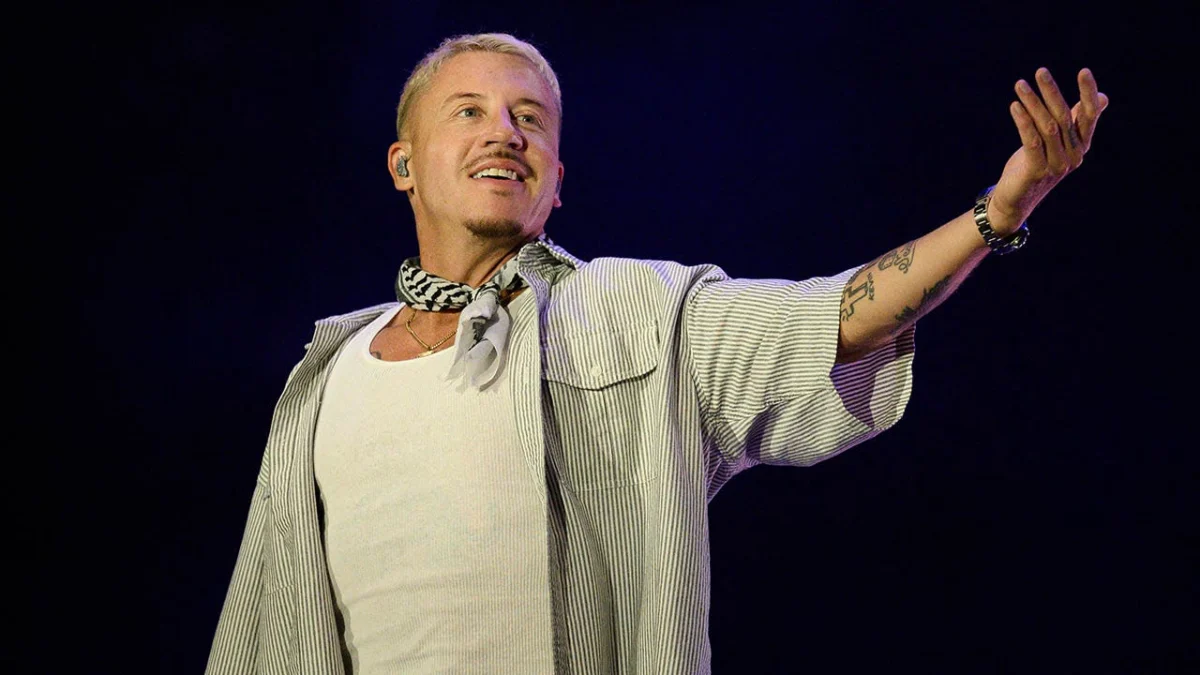
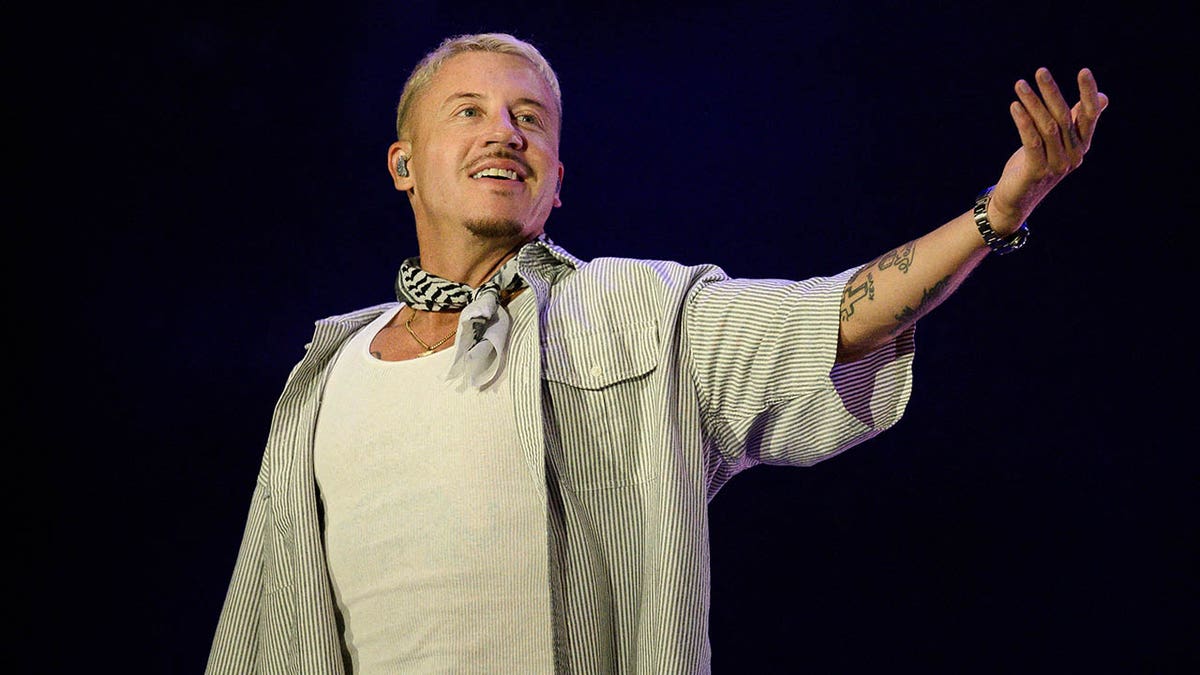
In a significant blow to the touring industry, eight major National Football League (NFL) stadiums have refused to host hip-hop artist Macklemore as an opening act for singer-songwriter Ed Sheeran’s upcoming tour. The decision follows a series of highly charged, pro-Palestinian remarks made by the artist during a recent performance, which venue operators deemed incompatible with their corporate standards and community expectations.
Gillette Stadium in Foxborough, Massachusetts—owned by New England Patriots billionaire Robert Kraft—was among the first to initiate the ban. Kraft, a prominent philanthropist known for his extensive efforts to combat antisemitism, reportedly led the coalition of stadium owners in canceling the rapper’s scheduled appearances.
2. Palantir Executive Warns of a "Coup" to Control Artificial Intelligence
In the technology sector, a senior executive at data analytics giant Palantir Technologies has raised alarm bells over what they describe as an "attempted coup" by a select group of Silicon Valley elites and international actors to monopolize the development and governance of artificial intelligence (AI).
The executive warned that concentrated control over foundational AI models poses an existential threat to democratic oversight, national security, and open-market competition. The remarks come amid intensifying debate in Washington regarding federal regulation of machine learning and autonomous systems.
3. Congressional Probe Exposes the Smithsonian’s "Dark Take" on American History
A congressional investigation has thrust the Smithsonian Institution into the spotlight over its presentation of early American history. Critics and lawmakers have accused the federally funded institution of promoting a revisionist, overly critical narrative of the nation’s founding.
At the center of the controversy is an exhibit detailing the Revolutionary War, which highlights George Washington’s historical Seneca nickname, "Town Destroyer" (Conotocaurious). Congressional investigators argue that the exhibit lacks appropriate historical context and disproportionately focuses on historical transgressions to the detriment of the founding generation’s achievements.
4. Legislative Action: House Votes to Eliminate the One-Cent Coin
In a move that could permanently alter American commerce, the House of Representatives has passed a bill aiming to phase out the one-cent coin. Dubbed the "Common Cents" initiative, the legislation seeks to address the mounting economic losses incurred by the U.S. Mint, which currently spends significantly more to produce and distribute each copper-plated zinc penny than the coin’s actual face value.
5. Urban Emergencies: NYC Legionnaires’ Outbreak and Miami Rig Collapse
On the municipal front, two localized crises have drawn national attention:
- New York City Health Crisis: Health officials in New York City have ordered emergency cleaning of cooling towers after detecting deadly Legionella bacteria at several high-profile locations, including Yankee Stadium and a local hospital. The detection follows a localized outbreak of Legionnaires’ disease, a severe form of pneumonia.
- Miami Construction Disaster: In downtown Miami, a massive construction rig collapsed onto three passenger vehicles, trapping two workers and igniting a severe fire. First responders worked under hazardous conditions to extricate the victims, raising questions about metropolitan safety protocols amid Florida’s ongoing real estate boom.
Chronology of Key Developments
The events unfolding today are the culmination of shifting cultural, legislative, and political timelines over the past several months.
[Late Spring] ———> [Mid-Summer] ———> [Early Autumn] ———> [Present Day]
  Costco begins      Macklemore's       House passes        8 NFL venues ban
  limiting motor     concert rant       "Common Cents"      Macklemore; NYC
oil purchases sparks backlash penny bill orders cleanings- May: Costco Wholesale begins experiencing localized supply chain disruptions, prompting initial price hikes and purchase limits on its popular Kirkland Signature brand motor oil.
- July: Behind closed doors, Vice President Kamala Harris reassures major Democratic donors of the administration’s viability, just days before President Joe Biden officially suspends his reelection campaign.
- Late August: Macklemore delivers a controversial speech during a live concert, sparking immediate pushback from venue organizers and corporate sponsors.
- Early September:
- The House of Representatives schedules and subsequently passes the bill to eliminate the penny.
- Legionella bacteria are detected in Bronx-based cooling towers, prompting New York City health inspectors to issue emergency cleaning mandates.
- Present Day: Eight NFL stadium operators officially declare Macklemore persona non grata for the upcoming tour cycle. Concurrently, California Governor Gavin Newsom publicly rules out a 2028 presidential bid if Vice President Harris remains the party’s standard-bearer.
Supporting Data and Economic Context
The Economics of the One-Cent Coin
The legislative push to eliminate the penny is driven by stark fiscal realities. According to data from the United States Mint’s annual reports:
- Production Cost: It costs approximately 3.07 cents to manufacture and distribute a single one-cent coin.
- Annual Loss: The U.S. Mint loses an estimated $85 million to $100 million annually on penny production alone, a deficit funded directly by taxpayers.
- Metal Composition: The modern penny consists of 97.5% zinc and 2.5% copper. Volatility in global base metal markets has steadily driven up these raw material costs over the past decade.
Costco Supply Chain and Retail Restrictions
Inflationary pressures and logistics bottlenecks continue to impact retail giants. Costco’s decision to limit purchases of its Kirkland Signature motor oil reflects broader commodities trends:
- Purchase Limits: Members are restricted to a maximum of two cases per transaction.
- Price Adjustment: The retail price of a five-quart jug has increased by approximately 12% to 15% in select markets over the last fiscal quarter, driven by rising base oil prices and additive shortages.
Public Health Metrics: Legionnaires’ Disease
Legionnaires’ disease remains a critical concern for dense metropolitan areas.
- Transmission: The bacteria thrive in warm water systems, spreading to humans through aerosolized mist from cooling towers, showers, or decorative fountains.
- Mortality Rate: According to the Centers for Disease Control and Prevention (CDC), Legionnaires’ disease is fatal for roughly 1 in 10 infected individuals, with the mortality rate rising to 1 in 4 for cases contracted within healthcare facilities.
Official Responses and Political Rhetoric
Corporate and Institutional Statements
- The New England Patriots & Gillette Stadium: A spokesperson for the venue ownership group stated, "Gillette Stadium is committed to fostering an inclusive, welcoming environment for all guests. We do not support artists who utilize their platform to promote divisive or exclusionary rhetoric."
- The Smithsonian Institution: In response to the congressional probe, a Smithsonian spokesperson defended the exhibit’s historical accuracy: "Our exhibitions aim to present a complete, nuanced view of American history, documenting both the triumphs and the complex challenges faced by our historical leaders."
Political Figures and Public Debates
- The White House: Press Secretary Karine Jean-Pierre firmly rejected claims made during a 60 Minutes broadcast alleging that political lobbyists had improper influence over executive clemency decisions during the administration. "The pardon process is conducted with the utmost integrity, adhering strictly to DOJ guidelines and independent legal reviews," Jean-Pierre stated.
- Colin Kaepernick: Appearing on daytime talk show The View, the former NFL quarterback reiterated his belief that franchise owners actively colluded to keep him out of the league due to his political activism. "The ownership in the NFL is a reflection of concentrated power and political alignment," Kaepernick asserted, claiming several prominent owners utilize their wealth to back conservative political campaigns.
- Governor Gavin Newsom (D-CA): Addressing questions regarding his national aspirations, Governor Newsom sought to project party unity. "I will not challenge Vice President Kamala Harris in 2028. She has earned the right to lead our party, and any suggestion of a primary challenge is entirely counterproductive," Newsom said.
Implications and Future Outlook
Cultural Polarization in Entertainment and Sports
The coordinated rejection of Macklemore by NFL venues underscores a growing trend of corporate zero-tolerance policies toward highly controversial political speech. As sports franchises increasingly position themselves as family-friendly, community-centric brands, artists and public figures face heightened commercial risks when engaging in polarizing international debates. This incident is likely to influence future booking contracts, with venues inserting stricter behavior and public-statement clauses.
The Future of AI and Sovereign Technology
The warning from Palantir executives highlights a critical inflection point in the race for technological supremacy. If the "coup" to control AI succeeds, a small cartel of tech conglomerates could dictate the terms of digital privacy, information flow, and defense capabilities. This will likely accelerate congressional efforts to establish a regulatory framework that balances innovation with national security, ensuring that foundational models remain subject to democratic oversight rather than private monopoly.
Monetary Policy and Everyday Commerce
Should the Senate join the House in passing the "Common Cents" bill, the elimination of the penny will force businesses to adopt rounding systems for cash transactions. While digital payments will remain unaffected, retail establishments will likely round cash totals to the nearest five-cent increment—a transition previously executed successfully by nations such as Canada, Australia, and New Zealand. This shift will mark the end of an era for American currency, reflecting a broader migration toward a cashless, highly efficient digital economy.