By [Name], Tech & Gaming Correspondent
Published September 5, 2026
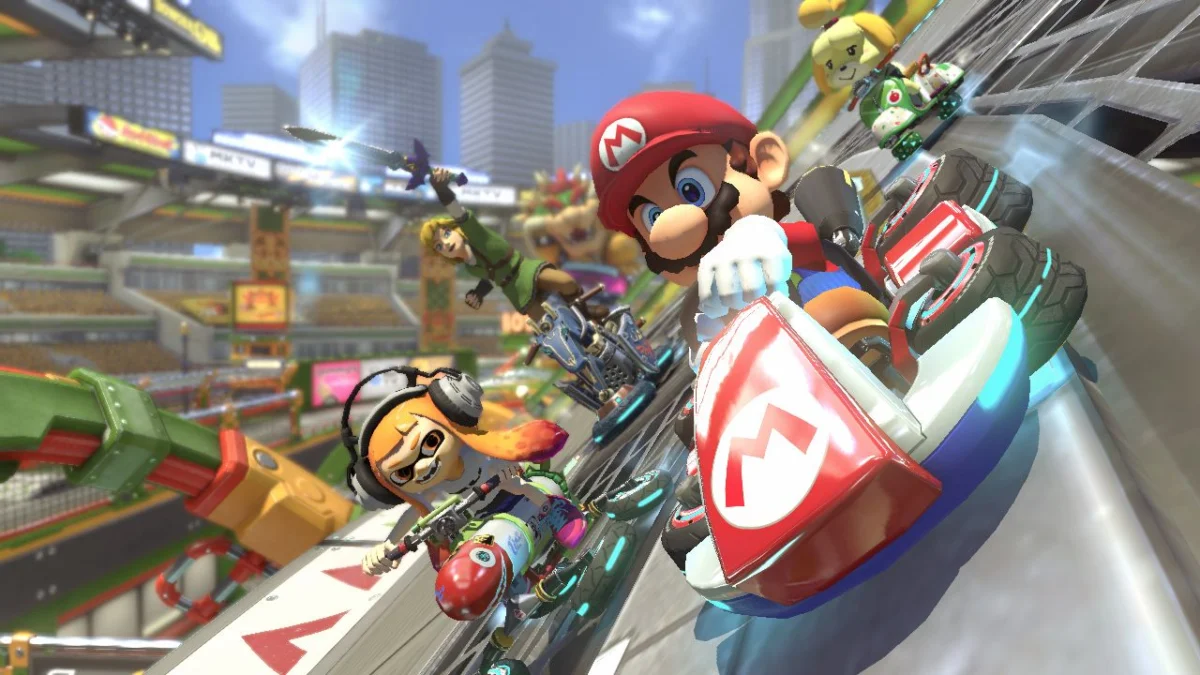
In the fast-moving world of modern gaming, where titles are often cycled out within eighteen months to make room for the next graphical marvel or service-based iteration, Mario Kart 8 Deluxe stands as a defiant outlier. With over 71 million copies sold—a figure that dwarfs almost every other entry in gaming history—the game has become a permanent fixture of the Nintendo ecosystem. Yet, a year into the lifecycle of the Switch 2, Nintendo has executed a move that has left industry analysts and fans scratching their heads: a massive, free, feature-rich update for a game originally released on the Wii U in 2014.
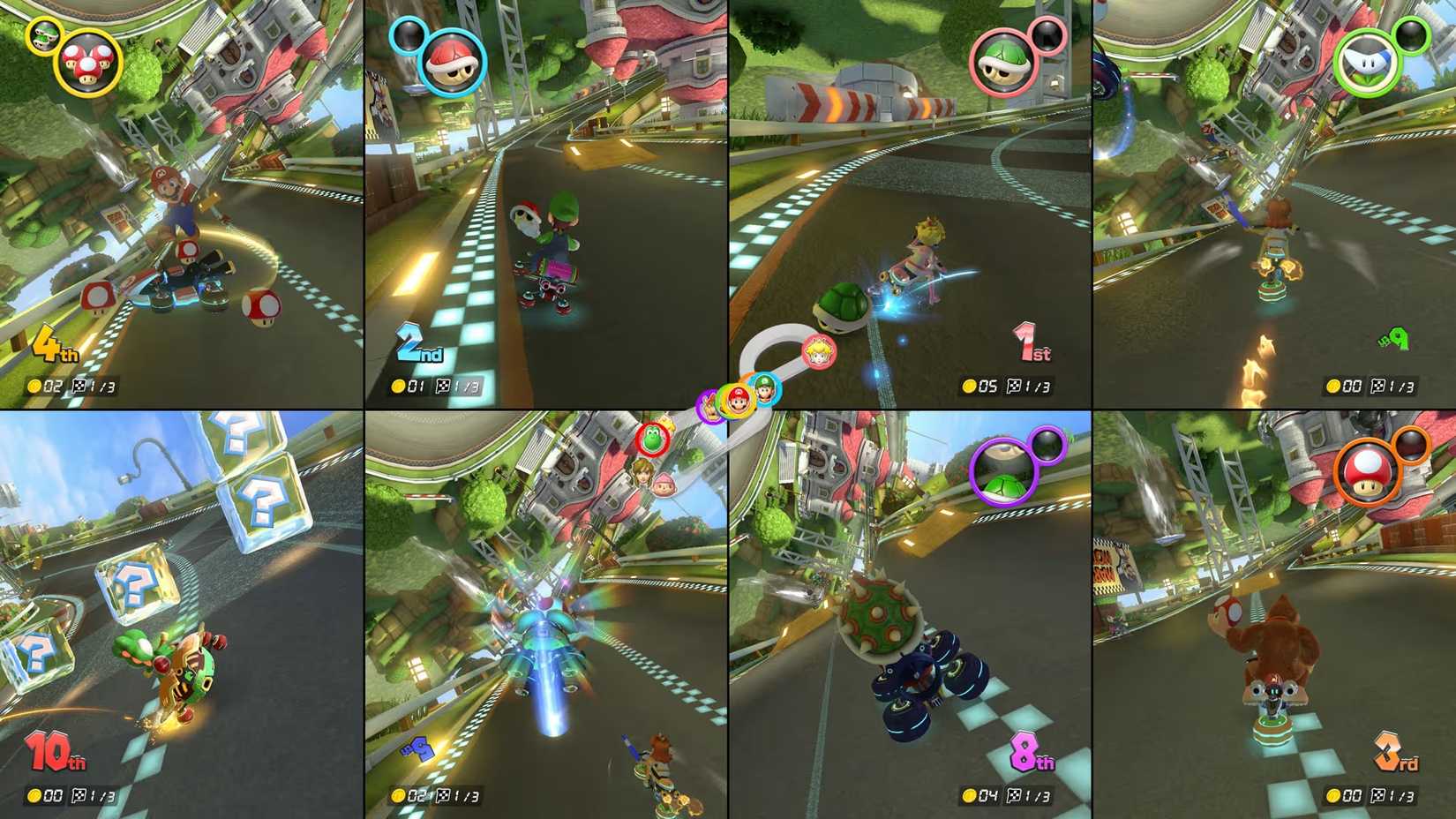
The update does not merely offer minor stability tweaks. It introduces an absurd, high-performance eight-player split-screen mode, native support for Camera Play via GameChat, and a grueling 96-race endurance gauntlet. For many, the question isn’t just "What is in the update?" but rather, "Why now?"
The Chronology of a Persistent Phenomenon
To understand the weight of this update, one must look at the timeline of Mario Kart 8’s unprecedented run. Released in 2014, the game was a critical success for the struggling Wii U. Its transition to the Nintendo Switch in 2017 as Mario Kart 8 Deluxe solidified its status as a system-seller.
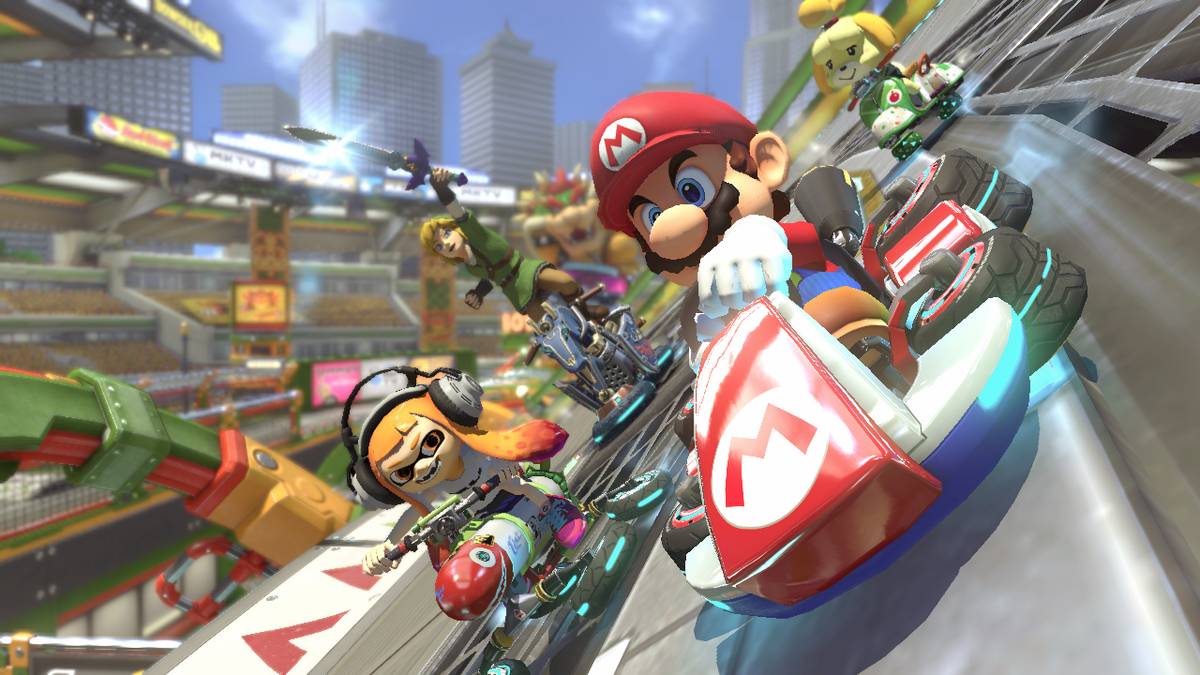
For the better part of a decade, Nintendo has resisted the urge to launch a true successor, opting instead for iterative expansions like the Booster Course Pass. When the Switch 2 finally arrived, the industry expected a clean break—a "Mario Kart 9" or a dedicated "Switch 2 Edition." Instead, Nintendo chose to bridge the generational divide. By deploying this substantial update over a year into the new console’s life, Nintendo has effectively signaled that Mario Kart 8 is not a legacy product, but a foundational pillar of their digital infrastructure.
Supporting Data: The Cannibalization Conundrum
The economic implications of this update are complex. Nintendo currently finds itself in a precarious position where its newest flagship racer, Mario Kart World, is competing for mindshare against a title that has been available in various forms for nearly a decade.
Current sales data suggests that Mario Kart World is indeed having its market share "cannibalized" by the persistent popularity of 8 Deluxe. When a developer releases a free update of this magnitude, it creates a gravitational pull, dragging players away from the newer, premium-priced World and back into the familiar, perfected loops of the older game.
However, industry insiders suggest that Nintendo’s strategy may be less about quarterly sales figures and more about ecosystem retention. By keeping the player base unified under the 8 Deluxe banner, Nintendo maintains a massive, active, and satisfied user base that is heavily invested in their online services.

The "Flex" Factor: Why Nintendo Did It
Why would a corporate entity, usually known for its rigid protection of intellectual property and sales cycles, decide to pour development resources into an "old" game?
The answer, as often happens with Nintendo, lies in a blend of engineering curiosity and brand philosophy. The inclusion of an eight-player split-screen mode is widely viewed as a technical "flex"—a way for Nintendo to demonstrate the raw, unbridled power of the Switch 2’s hardware. When the console launched, many were skeptical of its performance ceiling. By taking a title as visually demanding and high-speed as Mario Kart 8 and pushing it to accommodate eight local players simultaneously, Nintendo is sending a message: the Switch 2 is significantly more capable than the market realizes.
Furthermore, there is the "delight" factor. Nintendo has built its legacy on the ability to surprise its audience. There was no market pressure to add a 96-race endurance mode; it is a feature that caters to the "hardcore" audience, a segment that often feels neglected by the company’s family-friendly marketing.
Implications for the Future of ‘Mario Kart World’
The lack of similar, high-excitement updates for Mario Kart World is glaring. While 8 Deluxe continues to receive "jewels for its crown," World remains curiously stagnant. This has led to two prevailing theories within the gaming community:
- The Rough Draft Theory: Some analysts argue that Mario Kart World was intended as a bold, experimental pivot—a "rough draft" of a new, free-to-play, or live-service model that didn’t quite land with the expected impact. Consequently, Nintendo may be pivoting back to the tried-and-true formula of 8 Deluxe until a more definitive, ground-up sequel is ready.
- The "Big Project" Theory: Conversely, the silence surrounding World could suggest that a massive, top-tier expansion or a total overhaul is in development. Nintendo is notoriously secretive, and their "half-hearted" embrace of the patch era may simply be a byproduct of a transition period where resources are being funneled into a massive, unannounced project.
The Cultural Impact: A Game That Refuses to Die
The styling of the "8" in the game’s logo—a stylized infinity symbol—has never felt more prophetic. Mario Kart 8 Deluxe has transcended the typical lifecycle of a video game. It has become a permanent feature of pop culture, akin to a board game like Chess or a physical sport that never changes its rules because the balance is already perfect.
The update also highlights Nintendo’s evolving relationship with its own history. For years, the company was accused of being "anti-patch," preferring static releases. This latest move shows a company that is willing to use live-service techniques—large, game-changing updates—without the predatory monetization that usually accompanies them. It is a rare example of a company adding value to a purchase made years ago, fostering deep brand loyalty that money simply cannot buy.
Weekly Highlights: Beyond the Track
While the Mario Kart news dominates the conversation, the broader Nintendo ecosystem continues to thrive.
eShop Spotlight: Moonlighter 2
The release of Moonlighter 2: The Endless Vault has provided a much-needed injection of fresh energy into the eShop. Building on the 2018 original, the sequel refines the shopkeeping-dungeon-crawler hybrid loop. Critics have praised the visual overhaul, noting that the game feels significantly more "at home" on the Switch 2’s hardware.
The Classics Corner: Kirby Super Star
Our deep dive into the SNES library this week highlights Kirby Super Star. Often cited as the pinnacle of the 16-bit era, the game serves as a masterclass in creative variety. It is a meta-anthology that showcases the restless, magpie-like creativity of the late Masahiro Sakurai, reminding us that Nintendo’s history is just as vital to their current success as their modern hits.
The Auditory Experience: A Glorious Folly
Finally, Nintendo has concluded its months-long rollout of the Mario Kart World soundtrack. With 348 tracks totaling over 14 hours of music, the collection is a massive undertaking. The inclusion of a jazz fusion cover of a jazz fusion cover of the original Super Mario Kart theme is perhaps the most "Nintendo" thing to ever happen—a self-referential loop that is as humorous as it is musically impressive.
Conclusion
As we look toward the holiday season and beyond, the status of Mario Kart 8 Deluxe remains the most interesting anomaly in the industry. It is a game that refuses to be relegated to the history books. Whether this is a sign of a company struggling to move on from its past or a masterstroke of long-term support, one thing is certain: the race is not over. For the foreseeable future, the king of the karting genre remains the same, and with this latest update, its reign looks more secure than ever.
As for what lies ahead for the franchise, we can only wait. But if Nintendo’s recent actions are any indication, they are perfectly happy to keep us waiting, provided we’re having fun in the process.