Executive Summary & Main Facts
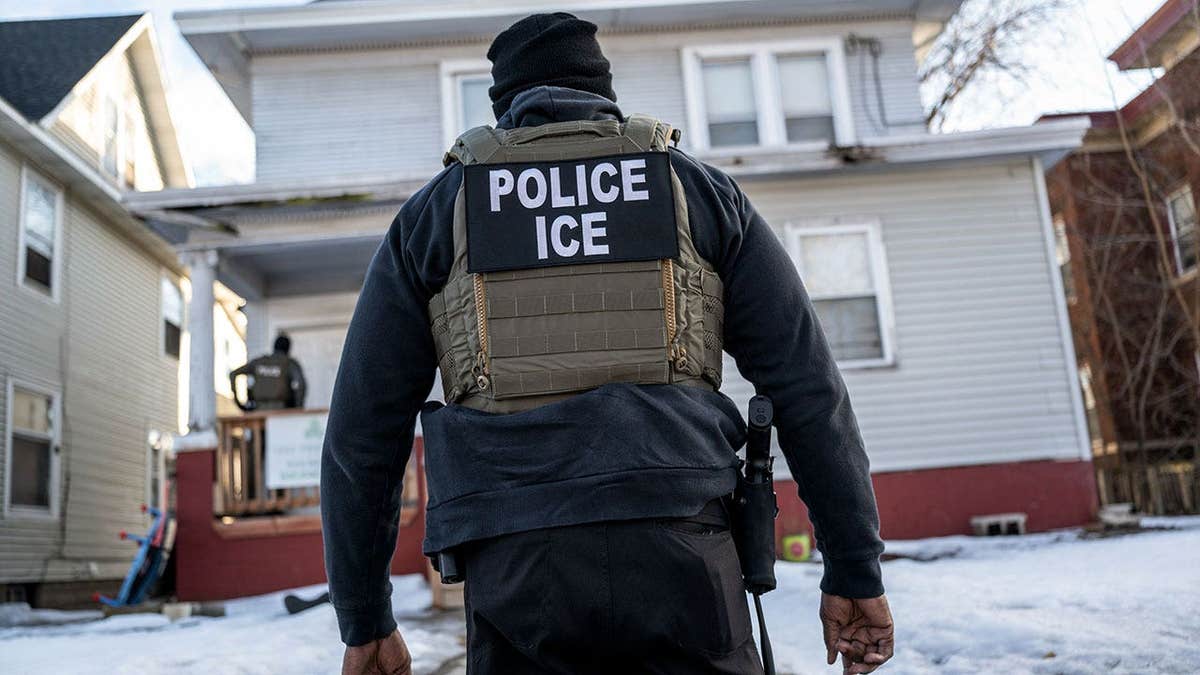
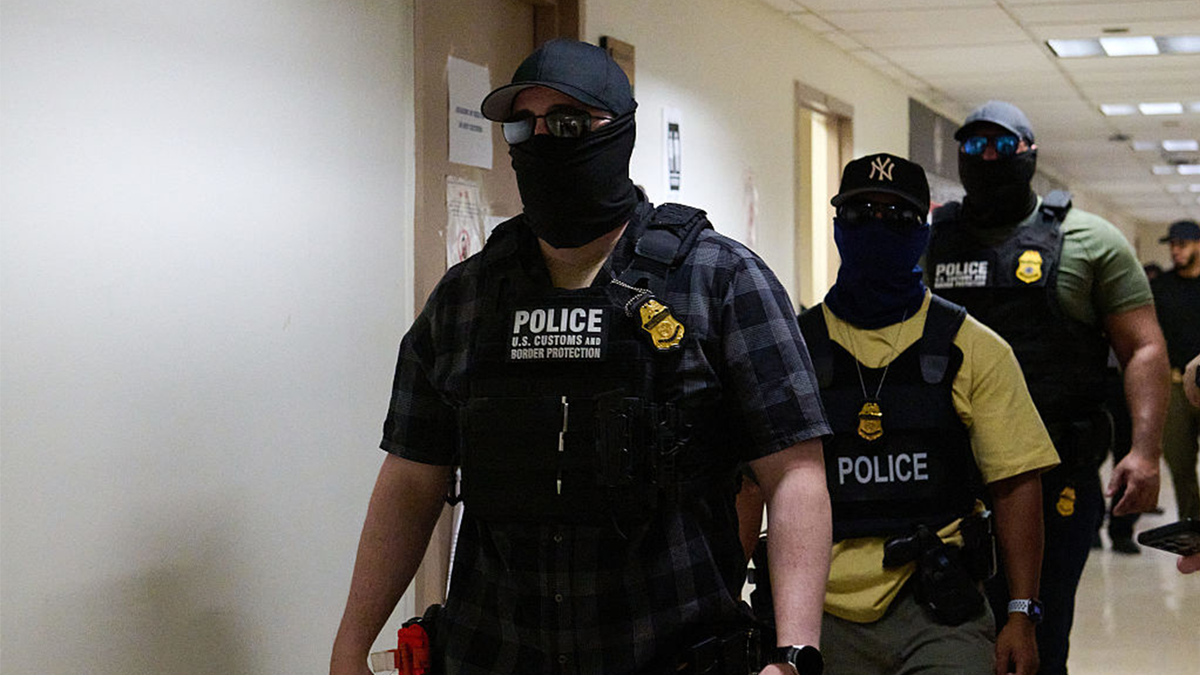
In a significant legal victory for the federal government, a U.S. District Judge has issued a preliminary injunction temporarily blocking the City of Philadelphia from enforcing a local ordinance that sought to restrict federal law enforcement officers from wearing face masks, concealing their identities, or utilizing unmarked vehicles while on duty. The ruling, delivered on Thursday by U.S. District Judge Chad Kenney, prevents the controversial measure—known as Bill No. 260060—from being applied to federal agents before its scheduled implementation on Tuesday.
The legal battle arose after the U.S. Department of Justice (DOJ) filed a lawsuit challenging the municipal ordinance, characterizing it as a "blatantly unconstitutional" overreach that directly violated the Supremacy Clause of the United States Constitution. The federal government argued that the local law impermissibly attempted to regulate federal operations and jeopardized the safety of federal officers, particularly those engaged in high-stakes immigration enforcement and counter-terrorism tasks.
Judge Kenney sided decisively with the DOJ, asserting that local municipalities lack the constitutional authority to dictate the operational procedures, gear, or identification protocols of federal law enforcement agencies. By granting the preliminary injunction, the court has halted Philadelphia’s enforcement mechanism against federal personnel, leaving the law applicable only to local and state officers, pending further litigation.
This decision marks the latest flashpoint in an intensifying nationwide conflict between municipal governments seeking to limit the footprint of federal agencies—specifically Immigration and Customs Enforcement (ICE)—and a federal administration determined to assert its sovereign authority over immigration and national security operations.
Chronology of the Legislative and Legal Battle
The path to Thursday’s federal injunction began in the wake of escalating national tensions regarding the tactics utilized by federal immigration authorities.
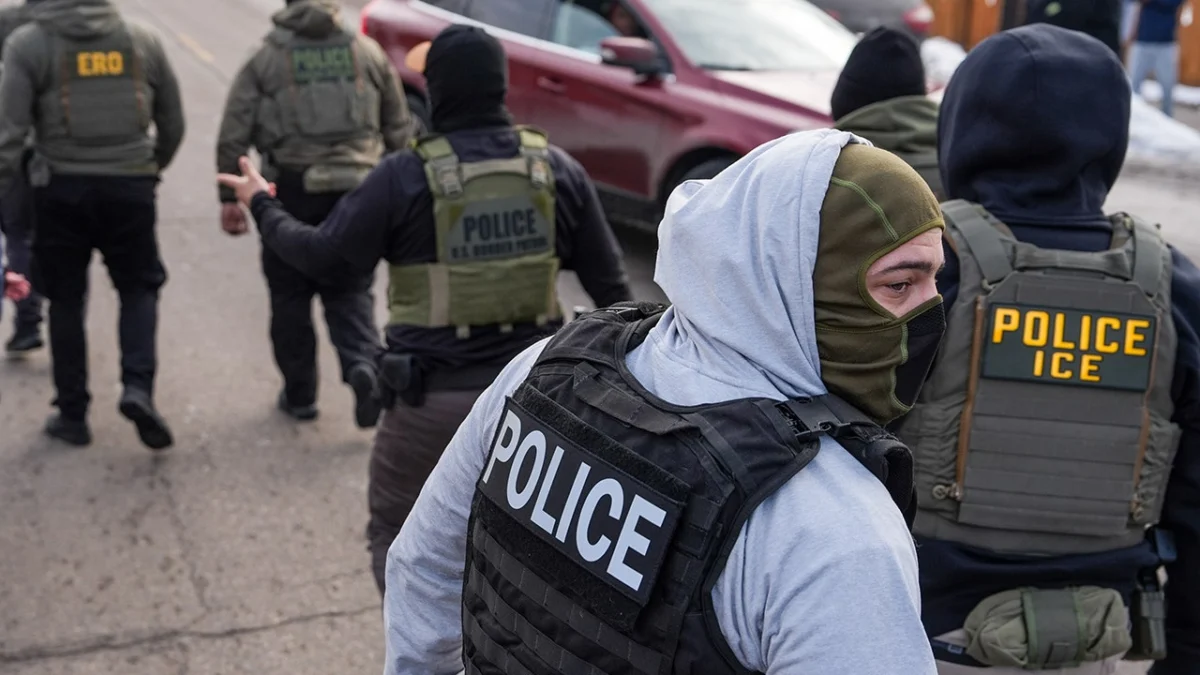
- January: Public outcry intensified following a high-profile incident in Minneapolis, Minnesota, where masked immigration agents carrying out enforcement actions were documented shooting individuals, including two U.S. citizens. This incident catalyzed progressive municipal and state lawmakers across the country to draft legislative measures aimed at increasing the transparency and accountability of plainclothes or masked officers.
- Early Spring: The Philadelphia City Council drafted and debated Bill No. 260060. The bill was designed as a comprehensive transparency measure targeting local, state, and federal officers operating within city limits. Proponents argued that allowing officers to operate with covered faces and in unmarked vehicles eroded public trust and posed a direct safety hazard to residents who could not verify the legitimacy of the armed individuals.
- May: The Philadelphia City Council successfully passed Bill No. 260060. Philadelphia Mayor Cherelle Parker, a Democrat, expressed significant legal reservations regarding the bill’s constitutionality, particularly its attempts to regulate federal entities. Advised by the City Solicitor’s Office of the looming constitutional conflicts, Mayor Parker declined to sign the bill. However, she chose not to exercise her veto power, allowing the bill to lapse into law without her signature.
- June: The U.S. Department of Justice filed a formal lawsuit in the U.S. District Court for the Eastern District of Pennsylvania, seeking an immediate injunction. The DOJ argued that the law was a direct violation of the Supremacy Clause and posed an immediate threat to federal officer safety.
- July: Similar legal battles reached critical junctures nationwide. In California, a federal judge had already halted a state-level mask ban in February. More recently, on Tuesday, a federal judge blocked a newly enacted law in Virginia that barred federal agents from wearing masks on the job.
- Thursday (Ruling Date): Judge Chad Kenney issued his memorandum opinion and order granting the preliminary injunction, successfully insulating federal officers from the Philadelphia ordinance just days before its official enforcement date.
Supporting Data and the National Legal Landscape
The Mechanics of Philadelphia’s Bill No. 260060
To understand the legal friction, it is necessary to examine the specific mandates of the contested ordinance. Bill No. 260060 aimed to establish strict identification standards for any law enforcement officer operating within the boundaries of Philadelphia.
The statute included the following provisions:
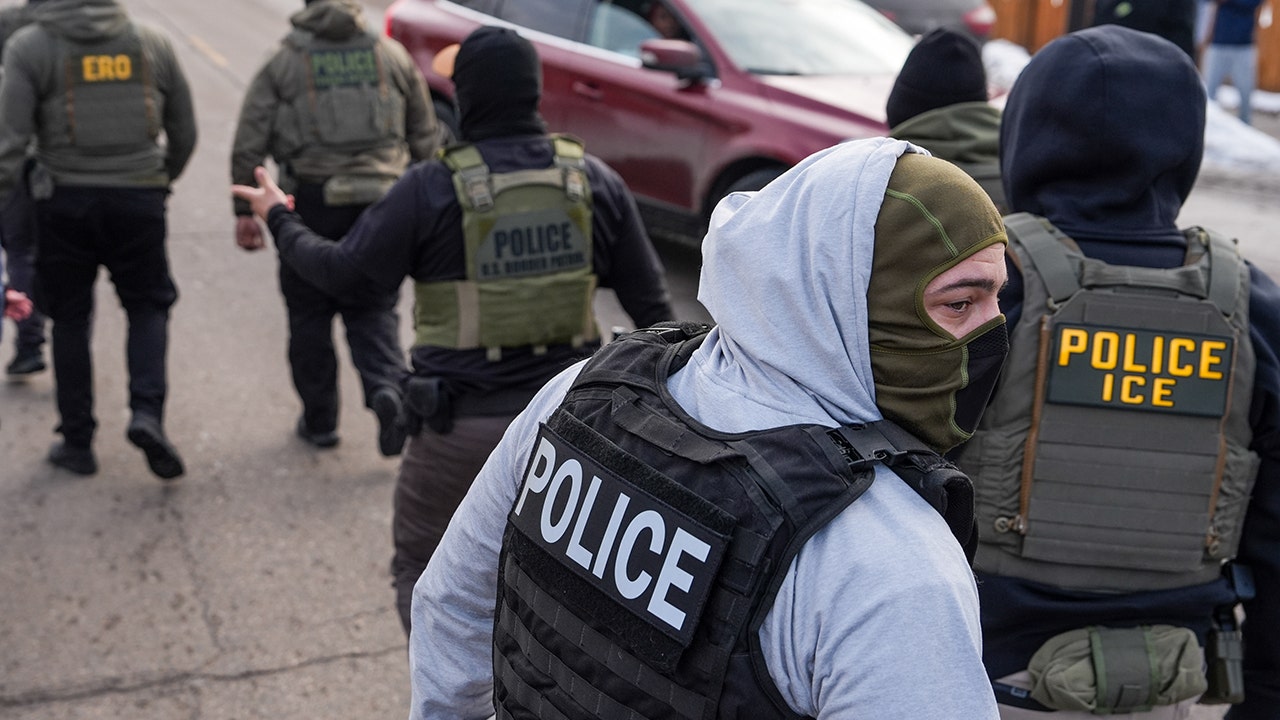
- Mask Prohibition: Officers were strictly forbidden from wearing masks, balaclavas, or any face-coverings that obscured their facial features while interacting with the public.
- Identification Mandate: Covered officers were required to display clearly visible badges, nameplates, and agency insignia on their outermost garments.
- Vehicle Restrictions: The law restricted the use of unmarked vehicles in standard law enforcement actions, requiring marked patrol units in specific public-facing scenarios.
- Penalties: Officers found in violation of these mandates could face civil and criminal penalties under municipal law.
The ordinance did carve out specific narrow exceptions, including:
- Medical face masks worn for public health reasons.
- Religious headwear and face coverings.
- Tactical safety equipment required during active hazardous material responses.
- Extreme weather gear during certified meteorological events.
Despite these exemptions, federal authorities argued the exceptions were far too narrow to accommodate the complex, fluid, and often undercover nature of federal task forces, which frequently include agents from ICE, the FBI, the DEA, and the U.S. Marshals Service.
Constitutional Precedents and the Supremacy Clause
The legal foundation of Judge Kenney’s ruling rests upon the Supremacy Clause of the U.S. Constitution (Article VI, Clause 2), which establishes that the Constitution and federal laws constitute the "supreme Law of the Land."
Under the long-standing doctrine of intergovernmental immunity—first articulated by the U.S. Supreme Court in the landmark 1819 case McCulloch v. Maryland—states and local municipalities are constitutionally barred from regulating, taxing, or controlling the operations of the federal government.
┌─────────────────────────────────────────────────────────────────┐
│                    THE SUPREMACY CLAUSE                         │
│                 (U.S. Constitution, Art. VI)                    │
└────────────────────────────────┬────────────────────────────────┘
                                 │
                                 ▼
┌─────────────────────────────────────────────────────────────────┐
│               INTERGOVERNMENTAL IMMUNITY DOCTRINE               │
│         (Established in McCulloch v. Maryland, 1819)            │
└────────────────────────────────┬────────────────────────────────┘
                                 │
                                 ▼
┌─────────────────────────────────────────────────────────────────┐
│                      PREEMPTION PRINCIPLE                       │
│  Local municipalities cannot regulate how federal officers      │
│  execute their federally mandated duties.                       │
└─────────────────────────────────────────────────────────────────┘
In the context of law enforcement, federal courts have consistently ruled that when federal agents are executing duties authorized by Congress, local jurisdictions cannot impose operational constraints—such as gear restrictions, vehicle markings, or identification requirements—that conflict with federal agency policies.
A Nationwide Trend of Anti-Mask Bans and Federal Pushback
Philadelphia’s legislative effort is not an isolated incident but rather part of a coordinated push by progressive local and state jurisdictions to curb what they view as aggressive federal immigration tactics.
| Jurisdiction | Action Taken | Legal Status |
|---|---|---|
| Philadelphia, PA | Passed Bill No. 260060 banning masks, requiring visible badges/marked vehicles. | Temporarily Blocked by federal court (July). |
| Virginia | Enacted state-wide ban on federal law enforcement masks. | Temporarily Blocked by federal court (July). |
| California | Passed state law prohibiting on-duty federal officer masks. | Halted by federal judge (February). |
| New Jersey | Proposed/enacted restrictions on federal agent masking. | Pending Litigation; DOJ lawsuit filed to block implementation. |
| Minnesota | State Senate voted to ban ICE from wearing masks and allowed residents to sue for constitutional violations. | Legislative/Legal Battle Ongoing following Minneapolis shooting. |
Official Responses and Legal Arguments
The Judicial Opinion: Judge Chad Kenney’s Ruling
In his written opinion, Judge Chad Kenney did not mince words regarding the constitutional boundaries of municipal authority. He emphasized that allowing local governments to dictate federal law enforcement protocols would disrupt the uniform execution of federal law across the nation.
"When the Philadelphia City Council voted to pass Bill No. 260060… it attempted to sidestep the Constitution’s clear mandate and disregarded this fundamental principle of law that has informed American jurisprudence for over 200 years," Kenney wrote.
He further cautioned against the chaotic legal precedent that would be set if the city’s position were upheld: "Endorsing the City of Philadelphia’s position would mean… municipalities could decide whether to pass their own laws regulating how, when, where, and whether federal law enforcement officers can conceal their identities. This type of direct regulation of the federal government by a municipality is blatantly impermissible."
Executive Pragmatism: Mayor Cherelle Parker’s Stance
While the City Council championed the bill, Mayor Cherelle Parker took a pragmatic approach, earning rare praise from the federal bench. Judge Kenney noted in his ruling that Mayor Parker "acted with civic wisdom and courage to stand up for the Constitution and follow the rule of law where it led" by refusing to sign the legally problematic legislation.
Mayor Parker had previously stated that while she understood the community safety concerns raised by the City Council, the legal advice from the City Solicitor’s Office made it clear that the bill attempted to exercise power the city simply did not possess under federalist principles.
Federal Triumph: The Department of Justice’s Position
The Department of Justice welcomed the ruling as a vital affirmation of federal authority and officer safety. In an official statement, the DOJ reiterated its commitment to defending federal personnel from local interference.
The department declared that it "will keep fighting jurisdictions that try to obstruct President Trump’s immigration enforcement with policies that endanger agents and public safety." Federal officials argue that masking is a critical tactical necessity for undercover officers, counter-gang units, and fugitive recovery teams who face severe retaliation, doxxing, and physical violence if their identities are compromised.
Broader Implications for Federalism, Public Trust, and Immigration Enforcement
The legal clash in Philadelphia carries profound implications that extend far beyond the municipal boundaries of the city.
The Friction Between Federal Supremacy and Local Autonomy
The core of this dispute lies in the delicate balance of American federalism. Local city councils argue that they have a duty to protect their citizens from perceived abuses by federal agents who operate in their neighborhoods. When federal agents wear masks and drive unmarked cars, local residents often cannot distinguish between legitimate law enforcement operations and criminal abductions or home invasions. This ambiguity, local lawmakers argue, poses a direct threat to public safety and community trust.
However, the federal judiciary’s consistent rejection of these local laws reinforces a rigid constitutional boundary: local governments cannot use their police powers to indirectly regulate or obstruct the federal government. If a municipality objects to federal immigration enforcement policies, its recourse lies in congressional lobbying and federal elections, not local ordinances.
Operational Safety vs. Public Accountability
The debate over mask-wearing by law enforcement highlights a fundamental tension between operational security and public accountability.
                  ┌────────────────────────────────────────┐
                  │          THE OPERATIONAL CLASH         │
                  └───────────────────┬────────────────────┘
                                      │
             ┌────────────────────────┴────────────────────────┐
             ▼                                                 ▼
┌──────────────────────────────┐                  ┌──────────────────────────────┐
│       FEDERAL AGENTS         │                  │      LOCAL COMMUNITIES       │
│   (Tactical & Safety Needs)  │                  │   (Accountability & Trust)   │
├──────────────────────────────┤                  ├──────────────────────────────┤
│ • Protects agent identities  │                  │ • Prevents abuse of power    │
│ • Prevents doxxing/reprisals │       VS.        │ • Distinguishes agents from  │
│ • Vital for undercover work  │                  │   impersonators              │
│ • Essential in gang/cartel   │                  │ • Builds community trust     │
│   operations                 │                  │   and cooperation            │
└──────────────────────────────┘                  └──────────────────────────────┘
For federal agencies like ICE and the FBI, the ability to conceal an agent’s identity is frequently framed as a life-or-death necessity. Agents operating in high-crime areas or targeting transnational gangs face significant risk. Compromised identities can lead to threats against the officers’ families, retaliatory violence, and the disruption of ongoing undercover investigations.
Conversely, civil rights advocates and local community organizers argue that complete anonymity fosters an environment ripe for misconduct. When officers cannot be identified by name or badge number, holding individual agents accountable for excessive force or constitutional violations becomes exceedingly difficult. The incident in Minneapolis, where masked federal agents shot citizens, remains a primary case study for advocates demanding that all on-duty officers remain identifiable.
The Future of "Sanctuary" Policies
The preliminary injunction in Philadelphia signals a challenging road ahead for other "sanctuary" jurisdictions seeking to implement creative legislative workarounds to hinder federal immigration enforcement. As the DOJ continues to systematically challenge these local measures in federal court, the legal precedent is solidifying against local interference.
With federal courts consistently invoking the Supremacy Clause to strike down local mask bans, identification mandates, and vehicle restrictions, municipalities may be forced to find alternative, non-regulatory methods to address community concerns, or rely on political avenues to influence federal immigration policy. For now, federal agents in Philadelphia and across the nation will continue to operate under federal guidelines, insulated from the legislative reach of the cities they patrol.