Italian cuisine is a cornerstone of the American culinary identity. With over 40,000 Italian-style establishments scattered across the country, from high-end metropolitan bistros to the quintessential corner slice shop, the influence of Italian immigrants on the American palate is profound. Yet, while the ubiquity of pasta, pizza, and cannoli is a given, finding an establishment that offers a genuine, century-old connection to the past is a rarer experience.
These historic institutions are more than just venues for a meal; they are living repositories of the immigrant experience. They are sites where the stories of Prohibition, the challenges of the Great Depression, and the resilience of generations of families are etched into the walls. To dine at these establishments is to engage with a living, breathing history of America.
The Foundations: A Chronology of Italian-American Resilience
The history of these restaurants is inextricably linked to the massive waves of Italian migration that defined the late 19th and early 20th centuries. As millions of Italians crossed the Atlantic seeking economic opportunity and relief from political upheaval, they brought with them the culinary traditions of their home provinces.
1886: Fior d’Italia (San Francisco, CA)
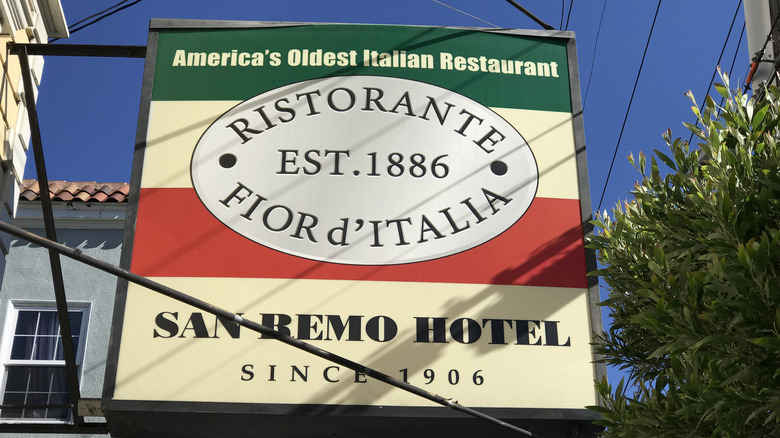
The oldest establishment on our list, Fior d’Italia, stands as a monument to perseverance. Opening in 1886—just 25 years after the unification of Italy itself—the restaurant has survived the 1906 San Francisco earthquake, major fires, and various economic downturns. Originally a hub for northern Italian cuisine, it served veal scaloppine for pennies. Today, it continues to honor its roots while adapting to modern tastes, offering classics like osso buco and gnocchi alla Piemontese.
1897: Dante & Luigi’s (Philadelphia, PA)
Established during a period of intense migration into Philadelphia, Dante & Luigi’s provided a crucial refuge for the thousands of Italian immigrants arriving in the city’s Italian Market district. Serving as a safe haven from the pervasive anti-immigrant sentiment of the era, the restaurant grew into a cultural pillar. It maintains its reputation today for refined, white-tablecloth service and a legendary tiramisu that regulars claim is non-negotiable.
1900: Ralph’s Italian Restaurant (Philadelphia, PA)
Often cited as the oldest family-run Italian restaurant in the country, Ralph’s was founded by Sicilian immigrants Francesco and Catherine Dispigno. The restaurant remains under the stewardship of their descendants, serving as a masterclass in culinary legacy. Its menu is a direct reflection of its Sicilian heritage, with signature dishes like eggplant Parmigiana serving as a testament to the family’s original recipes.
1905: Lombardi’s (New York, NY)
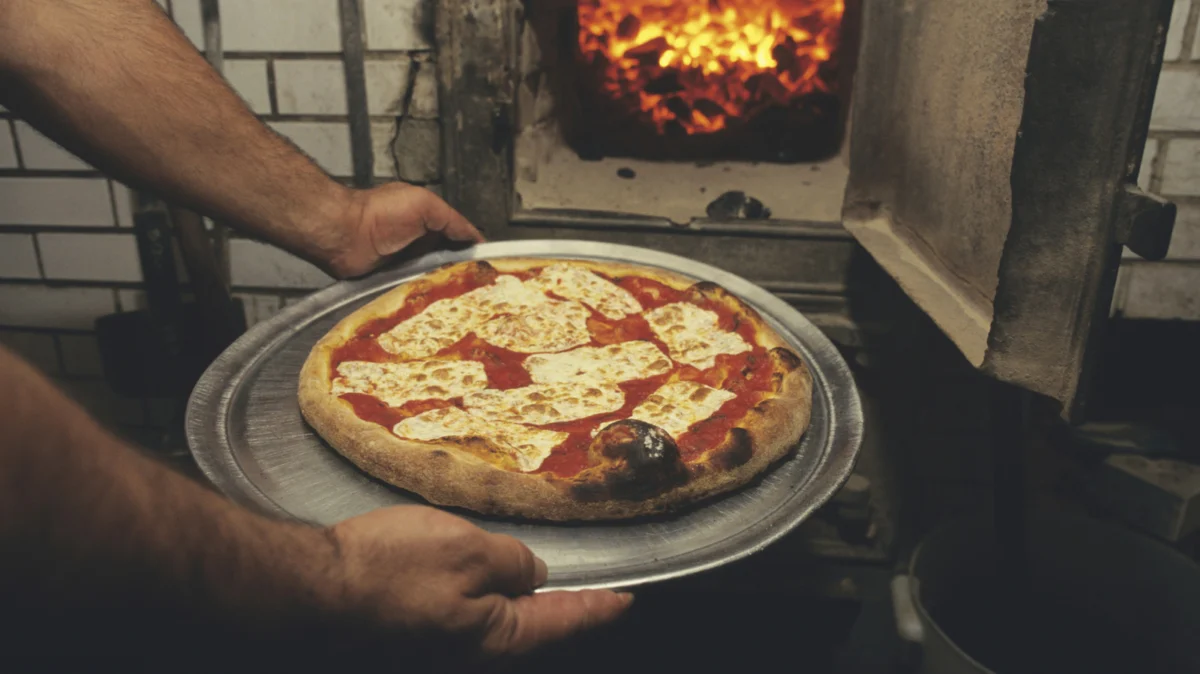
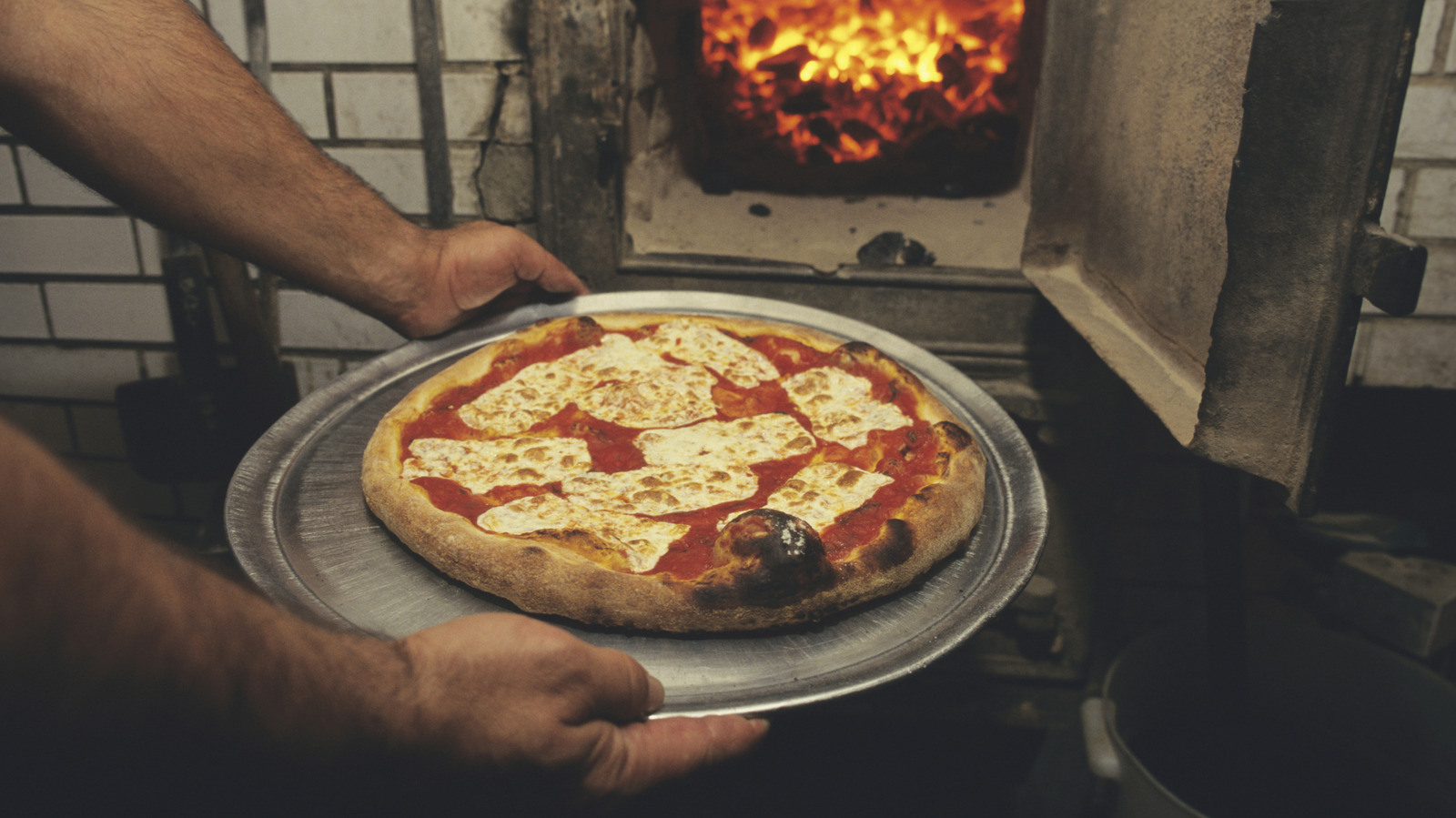
Lombardi’s holds the distinction of being the first licensed pizzeria in the United States. Founded by Gennaro Lombardi, a Neapolitan baker, the restaurant introduced New York City to the thin, crispy, coal-fired pizza that has become the gold standard of the region. Despite its global fame, Lombardi’s remains committed to the simplicity of the Neapolitan tradition: high-quality tomato sauce, fresh mozzarella, and a mastery of the brick oven.
1907: Gargiulos (Coney Island, NY)
Founded in the heart of the Brooklyn seaside, Gargiulos became an essential community hub for the growing Italian-American population of the early 1900s. Known for its grand ballroom and classic Neapolitan fare, the restaurant transitioned to the stewardship of the Russo family in the 1960s, who preserved its status as a cornerstone of Coney Island’s cultural and culinary landscape.
1908: John’s of 12th Street (New York, NY)
John’s occupies a unique place in American history, having served as a speakeasy during the Prohibition era. Today, the restaurant keeps the atmosphere of the 1920s alive with its original decor and dim, candlelit aesthetic. Remarkably, it has also embraced modernity, offering an extensive vegan menu that honors Italian traditions while catering to contemporary dietary requirements.
1922: DeFonte’s (Brooklyn, NY)
Specializing in the art of the Italian-American sub, DeFonte’s has been a Red Hook staple since 1922. The deli is famous for its massive, flavor-packed sandwiches, ranging from classic roast pork to the unconventional yet beloved potato, egg, and cheese sub. It remains a testament to the simple, working-class food that defined early 20th-century Brooklyn.
1924: Totonno’s (Brooklyn, NY)
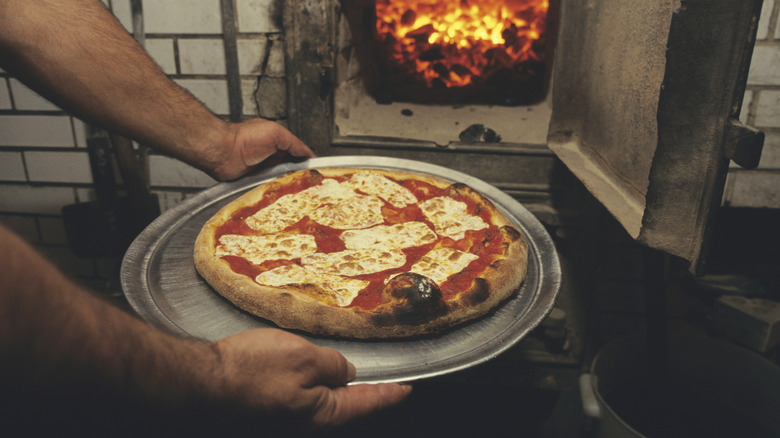
Anthony Pero, who honed his craft at Lombardi’s, struck out on his own in 1924 to open Totonno’s. By focusing on coal-fired perfection, Totonno’s cemented its place in the pantheon of great American pizzerias. Its enduring popularity is a result of a refusal to compromise on the basics: dough, sauce, and cheese, handled with decades of expertise.
1924: Angelo’s Civita Farnese (Providence, RI)
Providence, Rhode Island, became a major industrial hub for Italian immigrants in the early 20th century. Angelo Mastrodicasa’s restaurant, founded in 1924, reflects the spirit of cucina povera—the kitchen of the poor. By elevating humble ingredients like white beans, garlic, and oil into exquisite dishes, Angelo’s became a staple of Atwells Avenue, preserving the immigrant work-ethic culture that built the neighborhood.
1927: The Village (Chicago, IL)
Founded by Tuscan immigrant Alfredo Capitanini, The Village stands as a monument to the Italian migration to the Midwest. Capitanini’s journey from a dishwasher to a restaurant owner is the quintessential American success story. The restaurant’s decor and menu remain deeply connected to his Tuscan roots, providing a slice of Old World charm in the heart of Chicago’s bustling downtown.
Supporting Data: The Economic and Cultural Impact
The longevity of these establishments is statistically significant in an industry where the failure rate for new restaurants is notoriously high. According to the National Restaurant Association, the average lifespan of an independent restaurant is less than five years. The restaurants listed here have defied the odds, operating for an average of over 110 years.
This success is attributed to several factors:
- Property Ownership: Many of these institutions own their buildings, shielding them from the volatility of commercial rent hikes.
- Cultural Preservation: These restaurants act as "third places"—community hubs that foster social cohesion and identity preservation among Italian-American enclaves.
- Adaptability: As seen with John’s of 12th Street, the most successful historic restaurants have managed to introduce modern menu items without diluting the nostalgic atmosphere that draws customers in the first place.
Official Responses and Public Reception
The reputation of these restaurants is upheld not just by their history, but by the continuous validation of the dining public. In recent years, these sites have seen a resurgence in popularity due to social media and travel-focused journalism.
The consensus among patrons, frequently voiced on platforms like Reddit and Yelp, is that the value of these establishments is found in the "vibe"—the tangible sense of being in a space that has witnessed generations of human life. While some critics occasionally point out that the food may vary in quality, the prevailing sentiment is that one does not go to these restaurants solely for a culinary experiment; one goes for the continuity of tradition and the "mob movie" atmosphere that defines the classic Italian-American experience.
Implications for the Future
The preservation of these historic eateries is becoming a matter of cultural heritage management. As neighborhoods gentrify and the original immigrant populations disperse, the survival of these restaurants becomes increasingly precarious.
- Urban Development: City planners are beginning to recognize these sites as cultural landmarks. Protecting them from demolition is essential for maintaining the historical character of urban neighborhoods.
- Generational Succession: The biggest threat to these businesses is the transition from the founders’ families to new operators. Ensuring that the "soul" of the restaurant survives a change in ownership remains the primary challenge for the coming decade.
- Culinary Tourism: As global travel patterns evolve, these restaurants are increasingly marketed as "must-visit" destinations, turning historical preservation into a sustainable economic model.
In conclusion, these ten restaurants offer more than just a menu; they offer a window into the past. Whether it is the coal-fired crust of a Brooklyn pizza or the humble pasta of a Rhode Island neighborhood joint, these establishments remind us that food is the primary language through which we understand our collective history. As long as they keep their doors open, the stories of the Italian-American experience will continue to be written, one plate at a time.