While the allure of a shimmering rooftop pool or a state-of-the-art fitness center often dominates the marketing brochures of luxury apartment complexes, seasoned renters know that the true value of a home lies in the nuances of daily utility. Often, it is the “unsung” features—those quiet, functional elements of a building—that dictate your overall quality of life. Whether you are navigating the bustling rental markets of Austin, TX or seeking a quieter pace of life in Concord, NH, the search for the perfect apartment requires a shift in perspective. To find a home that truly aligns with your lifestyle, you must look past the flashy extras and focus on the amenities that foster long-term comfort and efficiency.
The Evolution of Rental Expectations
For decades, apartment amenities were categorized by a standard hierarchy: off-street parking, laundry access, and proximity to transit. However, as the post-pandemic landscape redefined the "home office" and the "work-life balance," the criteria for a desirable rental have evolved. Modern renters are no longer just looking for a place to sleep; they are looking for a living ecosystem that supports their professional responsibilities, personal health, and social well-being.
Industry experts emphasize that the most valuable amenities are those that solve friction points in the average person’s day. By prioritizing long-term functionality over temporary excitement, tenants can secure housing that provides a better return on their rental investment.
1. The Sanctuary of Thoughtfully Designed Outdoor Spaces
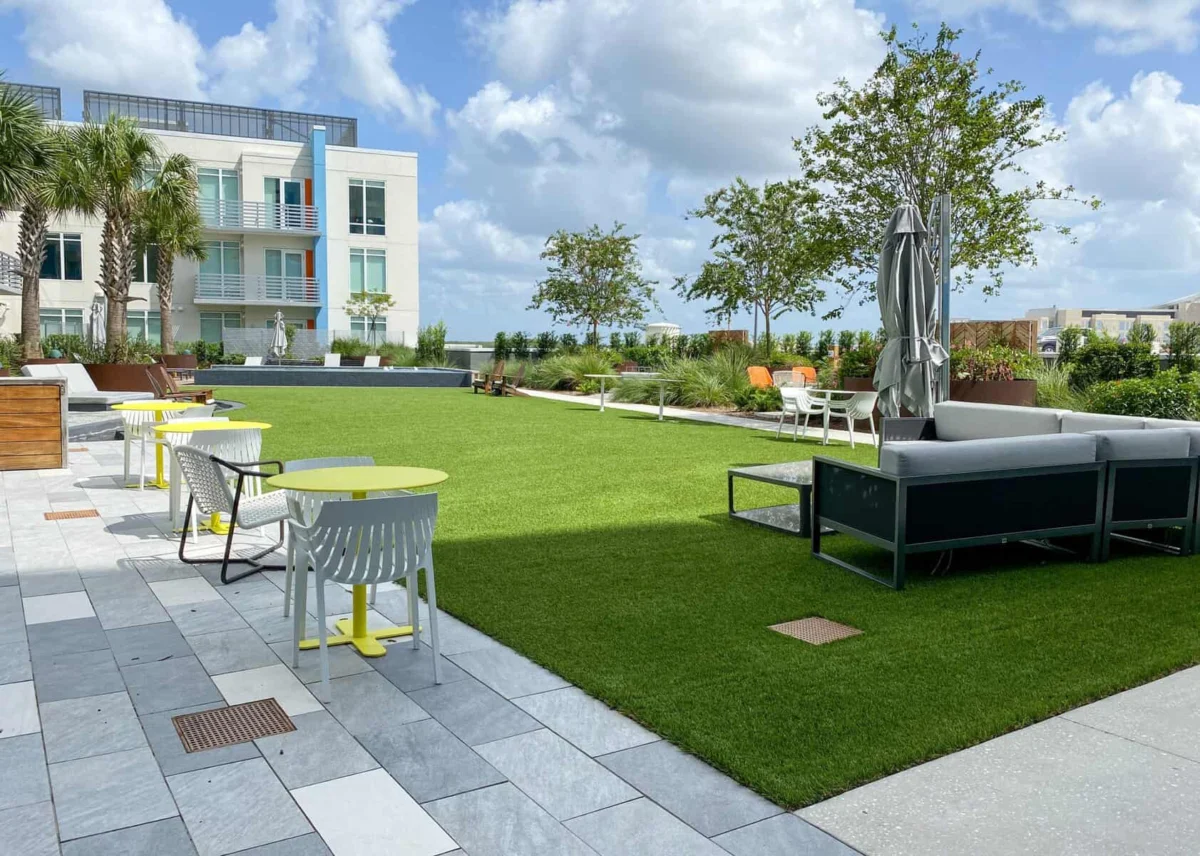
In dense urban environments, the psychological benefit of access to nature cannot be overstated. According to the team at Cynthia Gardens in Boca Raton, FL, “One of the most underrated apartment amenities renters should look for is thoughtfully maintained outdoor green space. A landscaped walking path, garden courtyard, or quiet shaded area can make daily life feel calmer and more livable, especially in a warm climate where residents value fresh air and space to unwind.”
The experts at Cynthia Gardens note that their residents frequently prioritize these quiet outdoor moments over high-traffic, obvious amenities. A courtyard that provides a buffer from the city’s noise or a shaded garden that acts as an extension of one’s living room offers a vital escape. When touring properties, look for evidence of active landscaping maintenance and usable, rather than purely decorative, outdoor seating areas.
2. The Invisible Shield: The Importance of Soundproofing
Perhaps the most overlooked amenity is the one you cannot see: soundproofing. An apartment’s allure can evaporate the moment you hear the muffled conversations of neighbors or the relentless drone of street traffic. While few landlords explicitly market "soundproofing" as a selling point, its impact on your mental health and ability to recharge is immense.
When conducting a walkthrough, observe the construction materials. Are the windows double-paned? Do the walls feel solid rather than hollow? Ask property managers directly about the building’s noise-mitigation strategies. In older buildings, look for thick carpeting in hallways or heavy-duty insulation. Prioritizing a quiet environment is an investment in your personal peace that pays dividends every time you try to sleep or concentrate.
3. The Efficiency of Smart Home Technology
Smart home integration has shifted from a "novelty" to a "necessity." Today’s renters increasingly expect seamless control over their environment. Features such as smart locks (providing keyless entry and guest access), smart thermostats (optimizing energy usage), and voice-activated or app-controlled lighting are more than just tech-savvy gadgets—they are tools for energy efficiency and security.
A programmable thermostat, for example, can significantly reduce utility bills by adjusting the temperature based on your schedule. Meanwhile, smart locks offer peace of mind, allowing you to check if your door is secured from anywhere in the world. As these technologies become standard, they signify a building that is managed with a modern, resident-first mindset.
4. The Critical Role of Climate Control
Reliable air conditioning and heating are often taken for granted until a seasonal heatwave or a cold snap hits. Proper climate control is not merely a luxury; it is a foundational component of home health. Inadequate HVAC systems can lead to poor indoor air quality, humidity issues, and, ultimately, significant physical discomfort.
During your search, inquire about the age of the HVAC units and the frequency of filter changes. A building that prioritizes a well-maintained climate control system is signaling that it prioritizes the long-term well-being of its residents. Furthermore, look for individual climate controls within the unit, which allow you to tailor the environment to your specific comfort levels rather than relying on a building-wide, inflexible system.
5. Tailored Amenities for Pet Owners
The "pet-friendly" label has become ubiquitous, but there is a vast difference between a building that "allows" pets and one that is designed for them. For the modern pet owner, convenience means having access to on-site dog parks, pet wash stations, or waste management services.
These features drastically reduce the friction of pet ownership. A dedicated grooming station, for instance, prevents the mess of bathing a dog in a residential bathtub, while a secure, enclosed dog run provides a safe space for socialization. If you are a pet parent, these features should be weighed heavily, as they are direct indicators of how welcoming a community will be to your four-legged companion.
6. Secure Infrastructure: The Rise of Bike Storage
As cities continue to prioritize green transit, the bicycle has become a primary mode of transportation for many. However, keeping a bike in a cramped studio apartment can lead to clutter and potential damage to walls or flooring. Consequently, secure, indoor bike storage has become a highly sought-after amenity.
Seek out buildings that offer more than just a communal rack in a dark basement. Look for climate-controlled bike rooms, repair stations with air pumps and tools, and gated access. These amenities demonstrate that the property management understands and caters to the specific lifestyle needs of active urbanites.
7. The Backbone of Modern Productivity: High-Speed Connectivity
In the era of remote work and streaming, the quality of your internet connection is effectively the quality of your utility access. Not all apartment buildings are created equal in terms of bandwidth capacity. Some older structures may limit the type of service you can install, while modern complexes often partner with providers to offer "bulk" fiber-optic options.
Before signing a lease, ask for the building’s preferred internet service providers (ISPs). Check if the building is "fiber-ready." If you rely on high-speed internet for your livelihood, verifying the building’s connectivity is as important as checking the water pressure in the shower.
Strategic Prioritization: How to Choose
Not every amenity will suit every renter. To navigate the market, create a "lifestyle audit" before your next apartment tour:
- Define your daily friction points: Are you constantly frustrated by noise? Do you struggle to find space for your pet? Do you need a better connection for work?
- Evaluate long-term costs: Sometimes, a slightly higher rent for a unit with energy-efficient smart tech or better soundproofing is offset by lower utility bills and increased productivity.
- Tour during peak hours: If possible, visit potential apartments during the evening or on a weekend to assess noise levels and parking availability firsthand.
Conclusion: The Holistic View of Home
Ultimately, an apartment is more than a floor plan; it is a space that should facilitate, rather than hinder, your lifestyle. As the rental market continues to change, the definition of a "luxury" amenity is shifting toward features that provide genuine utility and peace of mind.
By focusing on these often-overlooked elements—soundproofing, climate control, pet-centric design, and connectivity—you move beyond the aesthetic marketing of a property and into the functional reality of your daily life. When you find a home that balances these practical needs with your personal preferences, you aren’t just signing a lease; you are investing in a space that truly supports your future.